
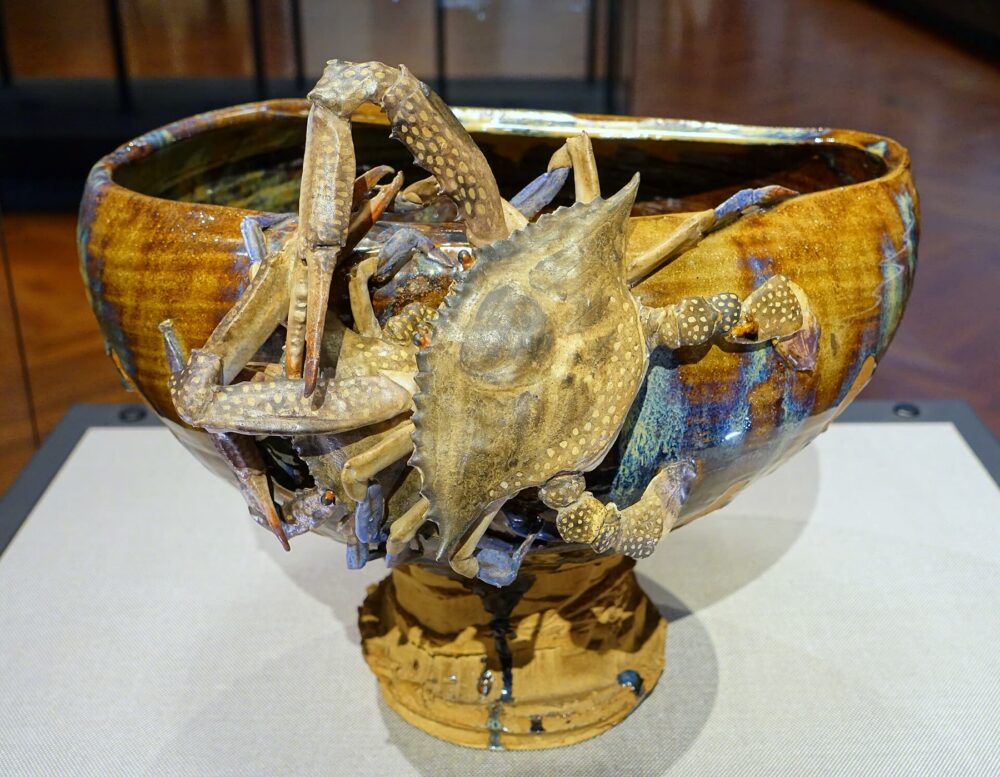
You can absolutely find unique ceramic crab art on Etsy and other online shops. Etsy leans heavily into handmade and vintage goods, so it’s one of the easiest places to discover one-off crab plates, wall sculptures, and tiles made by individual potters. Beyond Etsy, niche artist studios and big home-decor retailers also sell crab-themed ceramics, but the pieces tend to be more standardized. The best platform for you depends on whether you’re buying a single gift or stocking a coastal-themed ecommerce shop.
Ceramic crab art sits inside the broader ceramics category: objects formed from clay and fired into hard, non-metallic solids, like pottery, tiles, and sculptures. That firing makes them durable but also brittle if mishandled, which matters for shipping and any cross-border sourcing.
Where Ceramic Crab Art Shows Up Online
In practice, ceramic crab pieces cluster in three kinds of channels.
1. Artisan marketplaces (Etsy and similar) Searches for “ceramic crab” on Etsy pull up handmade plates, sculptures, Talavera-style wall crabs, and trays from independent makers. You’ll see listings like a handmade ceramic crab plate or a crab sculpture sold directly by the artist, often with photos of the studio or work-in-progress. Because Etsy is known for handmade and vintage goods from small businesses, it concentrates the quirky, highly individual designs and short runs.
You’ll also find crab-themed categories such as handmade pottery crab trays or ceramic crab, which makes it easy to browse by motif rather than brand.
2. Individual artist or studio shops Some ceramic artists run their own sites and include crab motifs in bowls, tiles, and sculptural pieces. For example, My American Crafts carries a crab and sea shell bowl from Jen Stein Studio, a coastal-themed piece sold through a curated artisan storefront (Crab & Sea Shell Bowl Jen Stein Studio). Emu Tile sells a small handmade tile featuring a crab (Crab 2″x2″ Ceramic Handmade Tile).
These studio sites generally have fewer SKUs and a clear artist identity. Prices are often at “gallery” or artisan levels, and volume is limited; that’s great for uniqueness, less ideal if you need dozens of identical units.
3. Multi-category decor retailers and marketplaces Crab imagery also shows up in coastal decor lines at larger retailers. Fine Linens, for instance, lists a crab-shaped ceramic piece in a fish-and-shellfish collection (G Fish and Shellfish Crab). Similar figurines and plates appear on general marketplaces and big-box sites under beach house or nautical decor.
These channels prioritize consistent design and replenishable inventory. Styles may still be attractive and detailed, but they’re usually factory-made, with less room for customization than a one-person pottery studio.
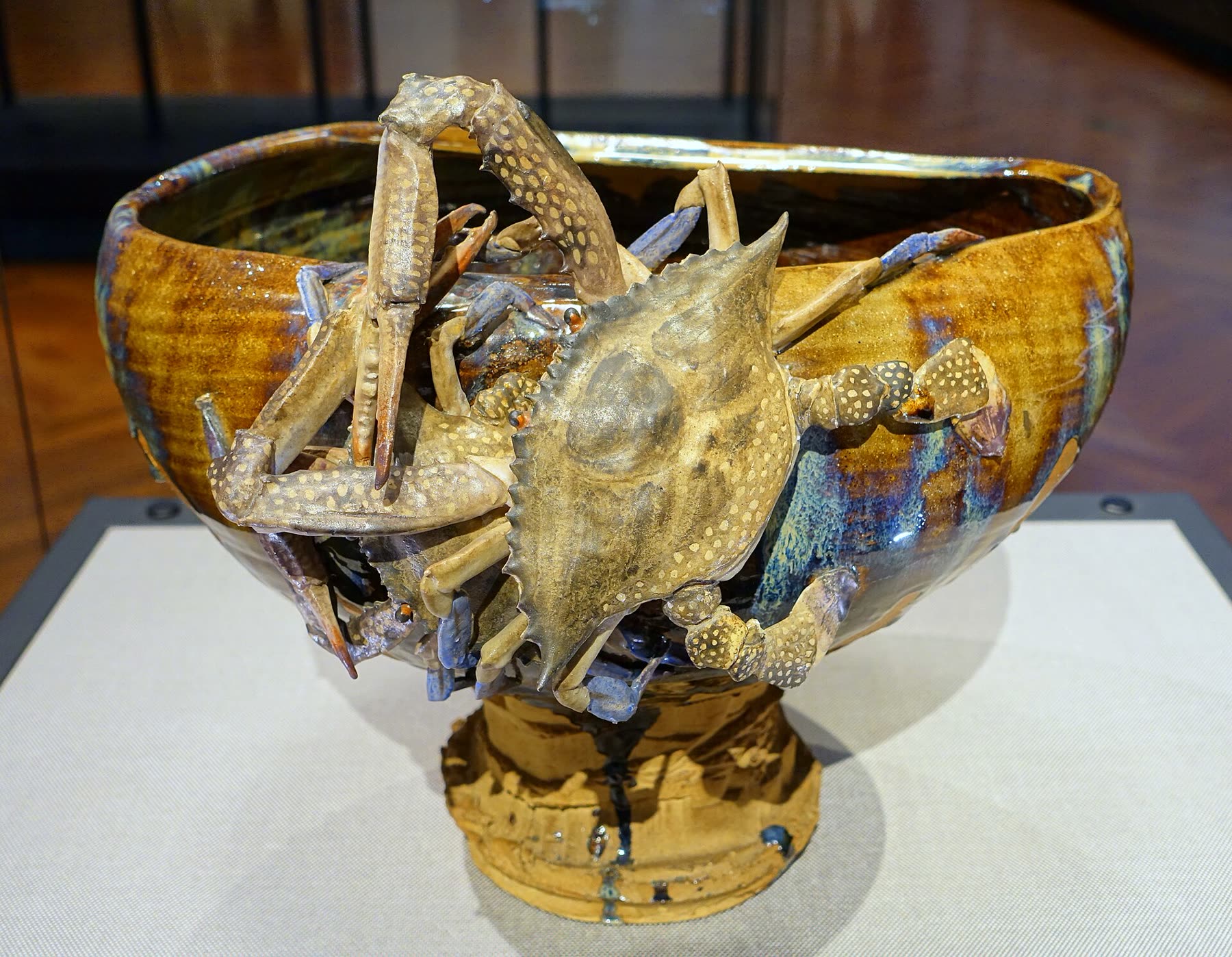
How Different Platform Models Handle Crab Ceramics
The same crab motif behaves differently depending on whether you’re buying from an artisan marketplace, a retail marketplace, or a sourcing/wholesale-style platform.
Platform models at a glance
Here’s a high-level comparison focused on ceramic crab pieces:
| Platform type | Typical role for crab ceramics | Design uniqueness | Usual order size / MOQ (broadly) | Customization likelihood |
|---|---|---|---|---|
| Artisan marketplace (Etsy) | Main product; motif used in art and pottery | High — many one-off or small runs | Single pieces to small batches | Common; message the maker |
| Artist/studio site | Signature pieces in a small collection | Very high, but limited assortment | Single pieces; occasional repeats | Possible, often at premium |
| Big-box / decor retailer | Part of a wider coastal decor line | Low–medium; standardized SKUs | Single pieces, but mass-produced | Rare; designs usually fixed |
| Cross-border sourcing site | One motif among many decorative items | Low–medium; more generic patterns | Cartons / bulk orders | Sometimes via OEM/ODM arrangements |
These are editorial generalizations, not hard rules for every seller.
Why this matters for shipping and risk
Ceramics are hard, non-metallic solids formed by firing materials like clay at high temperatures, which gives them strength but also the kind of brittleness that shows up if a package is dropped or badly packed. For a single Etsy purchase, you’re mostly judging one maker’s packing practices and their experience shipping fragile work.
For bulk or cross-border orders, you’re multiplying that risk across many units and a longer logistics chain. Longer routes mean more handling, so good packaging and realistic expectations about breakage, transit time, and returns become more important. Artisan marketplaces tend to optimize for one-off parcels, while wholesale or sourcing-style marketplaces assume bigger shipments and leave much of the packaging standard to individual suppliers.
Choosing a Platform for Your Ceramic Crab Plan
Your best route depends on who you are and how many crabs you need.
Scenario 1: Individual buyer or gift shopper
If you’re buying one or a few pieces — a crab wall tile for a bathroom, a platter for a seafood lover, a horseshoe crab sculpture for a mantle — artisan-focused platforms are usually the easiest win.
On Etsy, you can filter to handmade and browse crab-specific categories such as ceramic crab. You’re trading higher per-piece prices for uniqueness, small-batch glazes, and the ability to message the potter about color tweaks or gift wrapping. Studio sites like My American Crafts or Emu Tile are a good fallback if you want a specific maker’s look and don’t mind a narrower selection.
Big-box decor sites make sense if you care more about coordinated coastal themes than individuality — for example, outfitting a rental beach house with multiple matching crab plates from a single collection like the Bordallo Pinheiro crab design on Fine Linens.
Scenario 2: Small coastal or gift shop buying in low volume
If you run a US coastal gift shop or a small ecommerce brand, your needs are split: you want pieces that feel special, but you also need a bit of repeatability.
A mixed route often works:
- Use Etsy or direct studio relationships to source a handful of standout pieces — things like handmade crab trays and wall crabs that can be highlighted as “artist-made.”
- Layer in standardized crab figurines or plates from larger decor retailers to provide consistent stock at mid-range prices.
Because ceramics can chip, build in extra lead time before peak seasons in case of breakage or backorders. You may also want a clear internal policy on how many units you’re willing to reorder from a single independent maker if demand spikes.
Scenario 3: Online reseller or brand needing bulk crab-themed stock
If your plan is to build a crab-themed or general ocean brand and sell at scale, the economics change. Artisan channels become your “halo” items rather than your volume backbone.
For larger quantities of crab ceramics — think cartons of similar crab plates or figurines — wholesale and cross-border marketplaces come into play. DHgate, for example, is described editorially as an online marketplace connecting international buyers with mainly Chinese sellers across many categories, including decorative items and household products. It can be one route to bulk decorative ceramics, including generic sea or animal motifs.
However, that route has trade-offs:
- Designs are often more generic and produced in higher volume than what you’ll find on Etsy or at a named studio.
- You’re typically dealing with longer supply chains and multiple links in transit for a fragile material.
- Platform-wide policies and protections aren’t the focus here; you have to evaluate each seller and listing on its own merits, from material descriptions to packaging details.
If you’re considering that kind of sourcing, it’s worth first understanding how such marketplaces operate overall by reading a broader overview of online marketplaces and shopping platforms and, for DHgate specifically, what DHgate is and how the marketplace works. Those resources cover general marketplace mechanics so you can frame basic questions to ask any supplier before committing to bulk fragile goods.
For most small US ecommerce businesses, a hybrid strategy is realistic: artisan crab art for brand differentiation, plus more standardized crab ceramics from retail or sourcing platforms for margin and inventory stability.
Matching platform type to your next step
If you’re still deciding where to click first, use this quick map:
- Want a one-of-a-kind gift or decor piece? Start on Etsy or a named studio site; prioritize listings that show close-up glaze details and the maker’s hand.
- Outfitting a room or rental with a crab theme? Browse coastal decor collections on multi-category retailers and pick a design line you can repeat.
- Building a crab-heavy product catalog online? Mix artisan hero items with standardized crab ceramics. Explore sourcing marketplaces cautiously for bulk, and test small orders before scaling.
Crab ceramics are a narrow niche, but they highlight a broader truth: the platform you choose quietly decides how unique, repeatable, and risky your inventory will be.