
Affordable automotive equipment is sold through three main online channels: US retail parts sites, specialist tool stores, and global marketplaces. Retail chains like AutoZone, RockAuto, and Advance Auto Parts focus on replacement parts, fluids, and accessories, and only lightly dip into heavy shop gear. If you need a lift, tire changer, wheel balancer, or ramps at a good price, you’re usually deciding between specialist US equipment sites and broader marketplaces that connect you to multiple suppliers, including cross‑border.
For a US DIYer or small auto business, that choice comes down to what you’re buying (single tool vs full bay setup), how often you’ll buy, and how much risk and complexity you’re willing to manage to chase lower prices. Here’s how the main platform types differ and where each route tends to make sense.
What Counts as Affordable Automotive Equipment and Where It’s Sold Online
“Affordable automotive equipment” is a confusing phrase because it’s both a US brand name and a generic way to describe lower‑cost shop gear.
On the brand side, AffordableAutomotiveEquip.net is a specialist retailer selling equipment like wheel balancers, tire changers, and auto body tools. You’ll see full machines and shop fixtures there, not just small hand tools.
As a general category, affordable automotive equipment usually covers:
- Lifts (2‑post, 4‑post, storage and hobbyist lifts)
- Tire changers and wheel balancers
- Jacks, stands, and shop presses
- Auto body equipment (frame racks, pullers, paint stands)
- Ramps and vehicle positioning gear
That gear shows up across several platform types:
- Retail parts sites – RockAuto, AutoZone, Advance Auto Parts: vast catalogs for replacement parts, fluids, and accessories, with only limited heavier equipment.
- US specialist tool & equipment stores – sites like AffordableAutomotiveEquip.net, National Auto Tools, Eastwood’s shop equipment section, and DiscountRamps’ automotive shop equipment focus on shop gear and related tools.
- General marketplaces and cross‑border platforms – big marketplaces that list automotive equipment alongside many other categories, typically via third‑party sellers.
Understanding which bucket a site sits in is the first step toward finding actual savings, not just the lowest sticker price.
Platform Types for Shop Equipment: How They Differ in Practice
1. Retail parts platforms and chains
Retail parts platforms like those highlighted in editorial guides (RockAuto, AutoZone, Advance Auto Parts) are built around compatibility and coverage for everyday repairs. The DHgate blog’s overview of trusted auto parts sites, for example, describes AutoZone and Advance Auto Parts as selling tools, fluids, accessories, and car components for many makes and models, with features like in‑store diagnostics.
That focus has consequences for equipment buyers:
- Heavy gear like lifts, full tire machines, and large balancers is not their core catalog.
- You may find smaller shop tools or basic jacks, but not full shop builds.
- Pricing is optimized around parts turnover, not necessarily big‑ticket shop setups.
These platforms are convenient when you’re already ordering parts and need a basic jack or diagnostic tool, but they rarely offer the depth of options a shop upgrade requires.
2. Specialist equipment and tool stores (US‑focused)
Specialist sites exist almost entirely to sell shop gear and tools.
- AffordableAutomotiveEquip.net sells lifts, tire changers, wheel balancers, and auto body equipment.
- National Auto Tools highlights auto lifts and tire equipment as core categories.
- Eastwood organizes a wide shop‑equipment section that covers things like presses, jacks, and garage tools for DIYers and small shops.
- DiscountRamps structures its automotive shop equipment catalog around ramps, lift systems, and related gear.
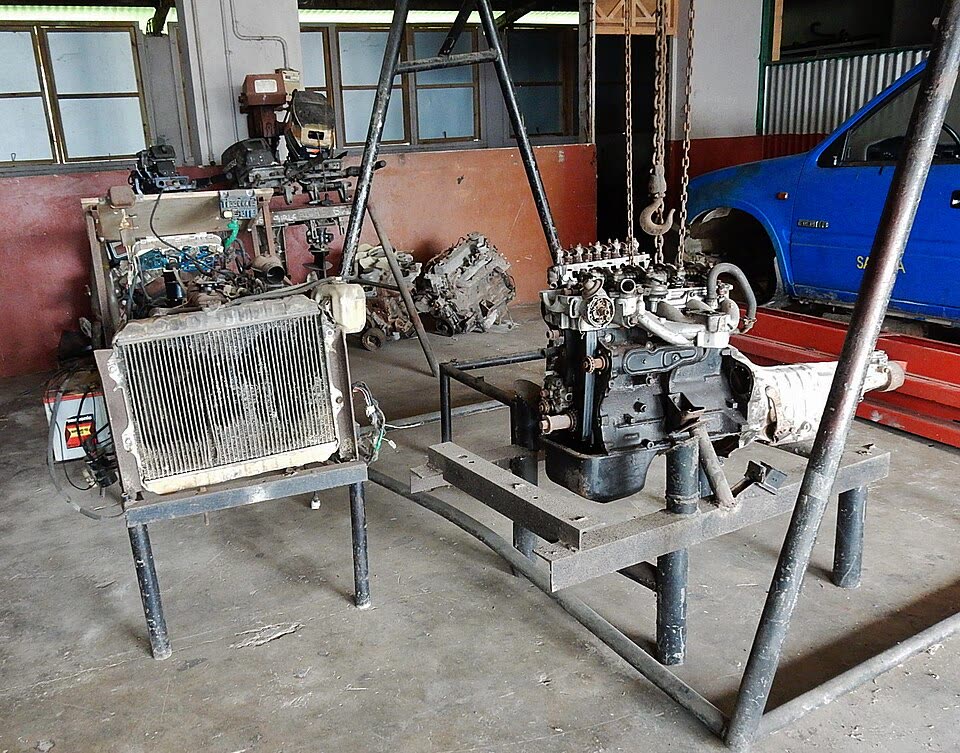
These platforms tend to:
- Offer a deeper range of equipment types and variants (e.g., multiple lift styles and capacities).
- Let you buy single units rather than pallets or large MOQs.
- Speak directly to DIY hobbyists and independent shops in their product descriptions.
You’re still buying at retail, but the catalogs are designed around shop gear instead of replacement parts.
3. General marketplaces and cross‑border platforms
General marketplaces can list automotive equipment right alongside categories like electronics, apparel, and home goods. Listings usually come from third‑party sellers, which matters for how you buy:
- Each seller decides what to offer and in what quantity – you might see one lift as a single‑unit listing and another only available in small bulk.
- Minimum order quantities can vary widely, especially on cross‑border platforms where some suppliers focus on wholesale buyers.
- Quality, branding, and specifications differ more than on curated specialist sites.
The DHgate editorial blog describes DHgate itself as a China‑based marketplace that connects global buyers to sellers, including suppliers of auto parts, and highlights competitive pricing with a strong recommendation to scrutinize product listings and seller ratings. Other marketplaces work on similar principles: many different sellers, varied catalogs, and a mix of retail and wholesale‑style offers.
If you’re willing to compare multiple listings and communicate with sellers, this route can unlock lower per‑unit pricing or access to models not widely stocked in US retail—but it adds homework.
Quick comparison: how the platform types behave
| Platform type | Typical focus | Heavy equipment depth | Order size & MOQs | Who it tends to suit |
|---|---|---|---|---|
| Retail parts sites | Replacement parts, fluids, accessories | Limited (basic tools, few machines) | Mostly single units; parts‑centric | DIYers doing repair work |
| US specialist equipment stores | Lifts, tire machines, shop tools, ramps | High (multiple categories, variants) | Single units common | DIYers & independent shops |
| General / cross‑border marketplaces | Mixed categories incl. auto gear | Varies by seller | Single units to bulk; MOQs vary | Price‑sensitive shops & resellers |
Matching Platform Routes to Your Buyer Profile
Your best channel depends less on “who’s cheapest” and more on how you use the equipment.
Scenario: DIY car owner equipping a home garage
If you’re adding a single 2‑post lift, a tire changer, or beefing up jacks and stands for personal use:
- Start with US specialist stores like AffordableAutomotiveEquip.net, National Auto Tools, Eastwood, or DiscountRamps. Their catalogs are built around hobbyist and small‑shop use, so specs and product groupings make sense for a one‑bay garage.
- Use retail parts sites only for lighter tools and accessories you’re already buying with parts orders.
- Treat general marketplaces as an advanced option if you find a specific model or price that’s compelling and you’re comfortable comparing listings.
Scenario: Independent mechanic or small shop doing a bay build‑out
For a shop installing multiple lifts, a wheel and tire station, and body equipment, consistency and support start to matter more.
- US specialist equipment platforms usually make the most sense. Their product ranges let you assemble a coherent setup (matching lift styles, compatible tire equipment, ramps that work with your lift type).
- Retail parts platforms still help with the smaller tools around the edges, not the core equipment.
- General marketplaces can be useful for specific items or backup equipment, but the variation in sellers and MOQs makes them better as a supplement than the primary source for a whole shop, unless you have the bandwidth to evaluate each listing carefully.
For this profile, the practical savings often come from choosing the right class of equipment and avoiding mismatched gear, not chasing the very lowest unit price across dozens of marketplace listings.
Scenario: Small ecommerce business or reseller
If you’re buying equipment to resell—either online or locally—the equation shifts toward margin and access.
- Cross‑border and general marketplaces can be attractive here, because some suppliers list equipment with pricing geared toward wholesale buyers and will sell in batches.
- US specialist stores may still work if you’re reselling locally at a markup and keeping volumes low.
- Retail parts sites rarely make sense as a core sourcing channel for large equipment; they’re optimized for selling direct to end users.
In this scenario, platforms like DHgate, Alibaba‑style marketplaces, or similar routes can be worth exploring, as long as you’re disciplined about comparing listings, checking specs, and validating seller history. For background on how one such marketplace works structurally, you can read What DHgate is and how the marketplace works, and then decide if that type of buyer‑seller model fits your risk tolerance.
A compact checklist for choosing your route
Before you pick a platform type, pin down:
- What are you actually buying? Heavy gear (lifts, tire machines, balancers) points toward specialist equipment sites or carefully chosen marketplace listings.
- Single use or recurring sourcing? One‑off purchases favor US‑focused specialists and parts sites; recurring inventory and resale open the door to cross‑border marketplaces.
- How much complexity can you manage? If you want curated choices and straightforward specs, specialist US platforms are simpler. If you can spend time vetting listings and communicating with sellers, marketplaces may unlock sharper pricing.
Thinking in terms of platform type—not just brand names—helps you avoid the common trap where you search for “auto parts,” land on a parts‑centric site, and never see the equipment options that would actually save you money.
For broader context on marketplace structures beyond automotive, you can compare major platforms in online marketplaces and shopping platforms or, if you’re weighing multiple cross‑border options, see Compare DHgate with AliExpress, Alibaba and Temu.