
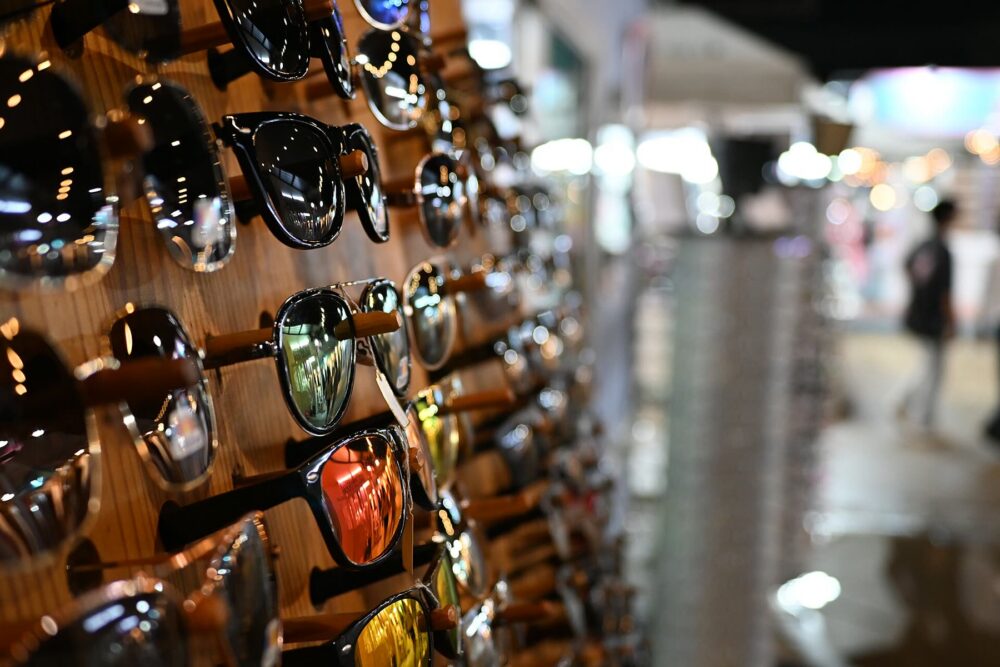
Zenottic sunglasses and glasses sit in the affordable low‑to‑mid tier: better built and more styled than ultra‑cheap marketplace generics, but clearly below premium labels like Persol or Tom Ford. Frames often use flexible TR90 or acetate, and many sunglasses advertise polarized TAC lenses with UV400 protection. That makes Zenottic a realistic “everyday” or sport‑use option for driving, fishing, and casual fashion, rather than a prestige designer piece.
For US buyers and small ecommerce sellers, the key question is whether that trade‑off makes sense versus big online eyewear brands and off‑brand marketplace stock. The short version: if you care most about comfort, basic polarization, and distinctive silhouettes without paying designer prices, Zenottic is competitive. If you need brand cachet, advanced optics, or strict prescription handling, you’ll likely be better served by more established names.
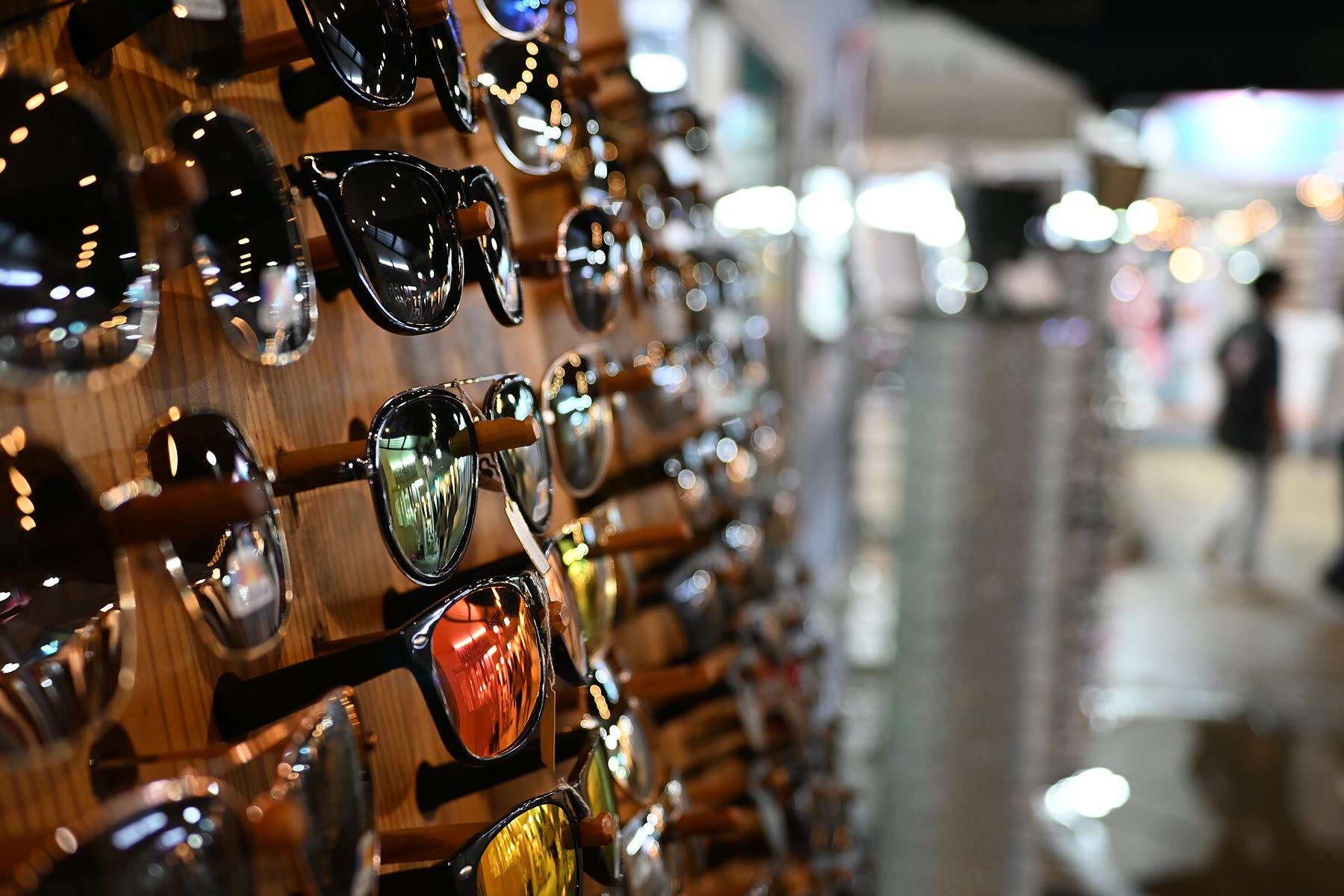
What Zenottic Actually Offers: Range, Materials, and Typical Pricing
Zenottic is an eyewear brand focused on value‑driven fashion frames for men, women, and kids. On its site, collections include polarized sunglasses, blue‑light blocking glasses, and optical frames that can be used for prescription lenses.Zenottic collections show square, cat‑eye, aviator, and other fashion‑forward shapes rather than technical sport goggles.
Frame materials commonly include:
- TR90 memory polymer for lightweight, flexible frames in many polarized models (highlighted in product titles and descriptions on Amazon and review videos).
- Acetate for thicker, more structured fashion frames, such as the 2024 square prescription sunglasses listed on Mozaer.
Lenses in polarized styles are often described as TAC (Tri‑Acetate Cellulose) or similar lightweight impact‑resistant plastics, marketed as scratch‑resistant and durable in listings like the “Polarized Sunglasses for Men” on Amazon and TikTok Shop.Rectangle polarized listing emphasizes UV400 and anti‑glare claims.
Zenottic’s own and reseller listings repeatedly advertise UV400 protection and polarization. Those are manufacturer claims rather than third‑party lab certifications, so you should treat them as typical of value brands: meant to meet everyday needs like reducing glare on the road or water, not necessarily matching high‑end optical brands.
On price, Zenottic is usually positioned well below designer eyewear. Product pages and social content frame the brand around “quality affordable sunglasses” and “competitive” pricing. You won’t see $300–$500 price tags common for Persol, Oliver Peoples, or Tom Ford in DHgate blog’s midrange and luxury examples; Zenottic is closer to the budget and lower‑mid space where brands like Zenni Optical and many Amazon labels play.
How Zenottic Quality and Style Compare to Similar Brands
To decide if Zenottic is right for you or your store, it helps to stack it against three broad types of competitors: ultra‑budget generics, online‑first value brands, and midrange/premium designers.
Quick comparison
| Option type | Typical frame materials | Lens features (claims) | Style & brand pull | Relative price tier* |
|---|---|---|---|---|
| Zenottic | TR90, acetate, some metal | Polarized TAC, many UV400, blue‑light | Fashion shapes, low brand recognition | Low–mid |
| Ultra‑budget marketplace generics | Basic plastic, low‑cost metal | May say UV400, rarely detailed | Very generic | Lowest |
| Online value brands (e.g., Zenni, Warby Parker) | Acetate, metal, TR90 | Options for anti‑reflective, photochromic, blue‑light | Recognizable brands, curated styles | Low–mid to mid |
| Midrange/premium designers (e.g., Persol, Tom Ford) | High‑grade acetate, metal, specialty materials | Often advanced coatings, high‑end optics | Strong fashion cachet | Mid–high to luxury |
Build quality and comfort
Social reviews of Zenottic polarized sunglasses on TikTok and YouTube repeatedly call out their lightweight feel and comfort, especially for fishing and driving. One “Honest Review” video describes the glasses as “affordable, stylish, and perfect for fishing,” and the TR90 frame review highlights that they don’t pinch at the temples.
Compared with ultra‑budget marketplace sunglasses (the kind sold in bulk with minimal specs), Zenottic’s use of TR90 and acetate, flexible hinges, and skin‑friendly nose pads – described in Amazon and TikTok listings – suggests a step up in comfort and durability. They’re still not handcrafted Italian acetate like Persol, but they generally feel less disposable than the cheapest off‑brand pairs.
Lens performance
Zenottic’s polarized sunglasses are marketed with TAC lenses, UV400, and anti‑glare claims across listings on Amazon and TikTok Shop. Reviewers show them cutting glare off water and roads, and describe them as effective for everyday driving and outdoor use.
You shouldn’t expect the same optical precision or sophisticated coatings you’d get from brands like Oakley or Maui Jim, which DHgate’s editorial blog notes are built for performance sports and premium sun protection. But for casual use – weekend fishing, beach days, commuting – Zenottic’s perceived performance matches what many buyers expect from budget polarized eyewear.
Style and brand value
Visually, Zenottic leans into bold square frames, cat‑eyes, aviators with wood‑look temples, and other on‑trend silhouettes. The cat‑eye polarized UV400 styles on TikTok Shop are pitched as “designer style” without designer pricing.
However, Zenottic doesn’t carry the brand recognition of Warby Parker, Persol, or Tom Ford. From a fashion status perspective, buyers who care about labels or resale value will typically prefer those more established names. Zenottic’s appeal is mostly about look for the money, not about social signaling.
For small ecommerce sellers, that translates to a niche: Zenottic‑style products can anchor “affordable but not cheap‑looking” assortments, but you won’t be able to market them as prestige items.
Choosing Buying and Sourcing Channels for Zenottic and Alternatives
Zenottic and Zenottic‑style eyewear show up in several places:
- Brand‑linked web stores. The official site at Zenottic.com carries full collections and brand messaging. Some third‑party sites like Mozaer stock specific models (often the thicker acetate fashion frames or prescription‑ready sunglasses).
- Social commerce. TikTok Shop has multiple Zenottic products, including rectangle polarized UV400 sunglasses and women’s cat‑eye designs. These listings often bundle detailed specs and live or recorded video reviews, which can help you judge real‑world fit and finish.
- Mass marketplaces and generics. Zenottic‑branded products appear alongside many off‑brand polarized sunglasses on sites like Amazon. For resellers, this is a crowded space but useful for benchmarking style and spec expectations.
If you’re a US buyer simply replacing a daily driver pair, Zenottic via its site or a major marketplace can make sense: you get low‑to‑mid pricing, recognizable product photos, and enough review content to gauge comfort. If you’re a small ecommerce seller, buying small quantities from brand‑focused channels or social shops lets you test demand before moving into larger wholesale orders.
If you want more help comparing large marketplaces for sourcing, you can read dhgatewiki’s broader overview of DHgate vs AliExpress, Alibaba and Temu, which looks at how different platforms fit cross‑border buying in general.
In practical terms: choose Zenottic or similar brands if you’re optimizing for comfort and style per dollar. Step up to midrange designer labels if your priority is brand prestige and advanced optics, and look to high‑volume marketplaces only when you’re ready to put in the extra work of vetting suppliers for bulk sourcing.