
1990s sneakers and shoes are easiest to buy today through a mix of vintage-focused marketplaces, general resale sites, brand and boutique drops, and local thrift or consignment shops. True 90s pairs (original Air Max, Jordan, Adidas EQT, chunky platforms) tend to surface on secondhand and vintage channels. Retro reissues and 90s-inspired styles show up on brand sites and fashion retailers. Your best route depends on whether you care about originality and condition or just the look.
The 1990s were a defining era for sneaker design and cushioning tech, spawning lines that still drive collectors and retro releases decades later. Sources like Sneakerjagers’ overview of iconic 90s models and other sneaker-history roundups confirm that many of these designs are now treated as vintage or reissued classics. That split between true vintage and modern retro explains why you see 90s shoes scattered across very different platforms.
How the Market for 1990s Sneakers and Shoes Is Structured
For 90s footwear, there are really two overlapping markets:
- Original vintage: Shoes actually manufactured in the 1990s.
- Retro and 90s-inspired: New releases based on those designs or referencing the era.
Original vintage pairs usually move through secondhand and specialist channels. Editorial guides on vintage sneakers highlight common sources: thrift stores, consignment shops, online secondhand marketplaces, and specialty vintage sneaker stores as typical places you’ll find authentic older shoes curated from individual sellers and estates.
On the retro side, major brands such as Nike and Adidas periodically reissue 90s designs or drop 90s-inspired lines. Coverage from sneaker blogs like Laced’s decade-defining sneakers piece shows how brands mine their own archives: classic Air models, basketball silhouettes, and tennis shoes are brought back with modern materials while preserving the original look.
If you map this out for a buyer or small reseller in Canada or the US, the structure looks like this:
- Local hunting: Thrift chains, consignment boutiques, and dedicated vintage sneaker shops for one-off finds and in-person inspection.
- Curated vintage marketplaces: Platforms like Etsy or Ruby Lane where independent sellers list vintage clothing and footwear from multiple eras.
- General resale and auction-style platforms: Large marketplaces (eBay-style, Poshmark-type sites) where both casual and serious sellers move vintage and retro sneakers.
- Brand and fashion retail: Nike, Adidas, Reebok, plus streetwear boutiques, selling new retro releases inspired by 90s models.
- Cross-border wholesale-style marketplaces: Big B2C/B2B platforms where you’ll mostly see new, 90s-inspired stock rather than original vintage.
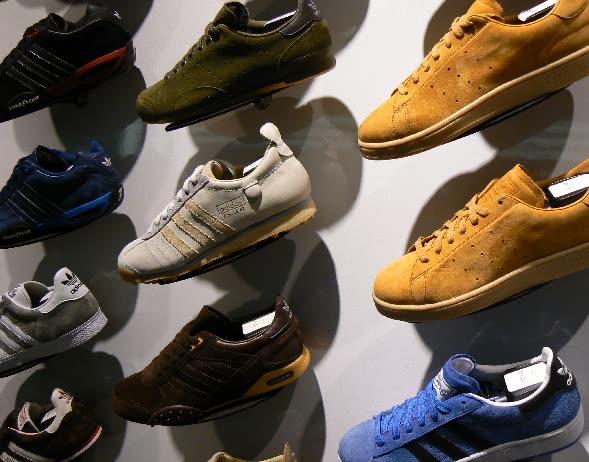
Each piece of the market has its own mechanics and risk profile; the trick is matching your goal (wearing vs collecting vs reselling) to the right platform type.
Platform Types for Buying 1990s Shoes and How They Work
Curated vintage marketplaces
Vintage-focused marketplaces host many independent sellers under one roof. Editorial coverage of platforms like Etsy and Ruby Lane describes them as places where vintage clothing and accessories from various eras are curated into shopfronts.
For 1990s shoes, that usually means:
- Sellers describe items as “90s,” “Y2K,” “vintage,” often with era tags.
- Listings are photo-heavy but not formally authenticated; you’re relying on the seller’s knowledge.
- Prices skew toward fashion value and rarity rather than strict collector pricing.
These platforms are strong for non-hyped 90s fashion shoes (chunky platforms, generic trainers, boots) and for small resellers who want a buyer base that already values vintage aesthetics.
General resale and auction-style sites
Large resale and auction marketplaces are where a lot of serious sneaker trading happens—especially for flagship 90s models and their retro versions.
Coverage of 90s Air Jordans from outlets like Athlon Sports’ buying guide shows collectors using three broad channels:
- Brand drops for new retro Jordans.
- Specialist resale platforms that focus heavily on sneakers.
- Auction-style marketplaces where individuals list older or retro pairs.
For 90s sneakers broadly (Air Max, EQT, Pumps, etc.), general resale platforms work similarly:
- You see both original 1990s pairs and modern retros in the same search results.
- Condition markings range from “deadstock” (never worn) to heavily used.
- Pricing varies widely by brand, size, and colorway rarity.
These sites are useful if you’re willing to do detective work: comparing photos, reading descriptions closely, and checking seller history.
Brand sites, drops, and fashion retailers
If you mainly care about the 90s look and modern wearability, brand and retail channels are the most straightforward.
- Major brands regularly issue retro-style sneakers inspired by or directly reissuing 1990s designs.
- Fashion retailers and streetwear boutiques stock these retros, often marketing them as “90s style” or “OG colorways.”
You’re not getting a true vintage shoe here, but you get new materials and known sizing, which matters if you plan to wear the pair heavily or resell to customers who prefer new condition.
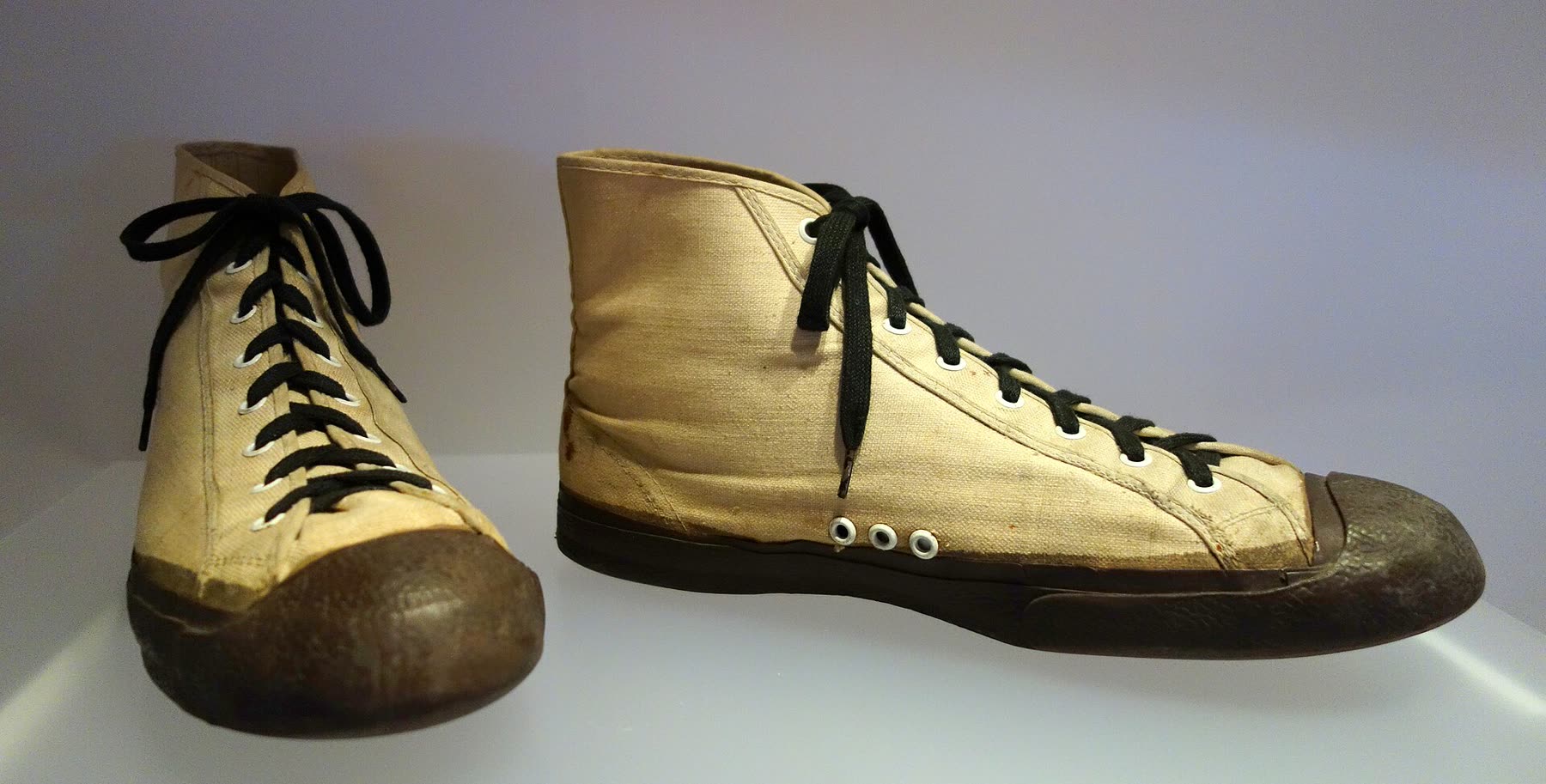
Local thrift, consignment, and vintage sneaker shops
Vintage sneaker guides consistently call out physical stores as a major source of older footwear. Thrift shops, consignment boutiques, and specialist vintage sneaker stores typically get stock from local donations and collectors.
For 90s shoes, local shops offer three advantages:
- You can inspect soles, cushioning, and uppers in person, which matters because 1990s materials can degrade.
- Pricing sometimes reflects local demand more than global hype, which can favor small resellers.
- You can negotiate or build relationships with shop owners who understand sneaker culture.
The tradeoff is unpredictability: inventory changes daily, and you may hunt for weeks before finding your size in a specific 90s model.
Cross-border marketplaces and wholesale-style platforms
Large cross-border marketplaces function more as sourcing hubs for new stock than vintage treasure troves. They connect buyers worldwide to factories and wholesalers.
For 1990s sneakers and shoes, this typically looks like:
- New, 90s-inspired or retro-style designs referencing chunky silhouettes, classic color blocking, or platform soles.
- Bulk-friendly pricing that appeals to small ecommerce businesses building a 90s-inspired catalogue.
DHgate sits in this group: it’s a cross-border marketplace where you can find 90s-style or retro-inspired footwear, but it’s not a primary source for verified original 1990s vintage sneakers. If you consider it for stock, treat listings as new fashion product and do your own checks on photos, materials, and seller track record. If you’re new to these marketplace mechanics, our overview of online marketplaces and shopping platforms and the explainer on what DHgate is and how the marketplace works give neutral context.
Choosing the Right Platform for Your 1990s Shoe Purchase or Resale
Different goals push you toward different platform types. This table summarizes typical fits:
| Goal / profile | Best primary channels | Why they fit 90s shoes |
|---|---|---|
| Casual buyer, wants 90s look | Brand sites, fashion retailers, cross-border marketplaces | Easy sizing, new condition, wide choice of 90s-inspired designs |
| Collector chasing specific 90s model | Specialist resale sites, auction-style marketplaces, brand retro drops | Access to specific colorways and eras, including retro Jordans |
| Vintage fashion fan (non-hyped pairs) | Curated vintage marketplaces, thrift & consignment shops | Broad mix of 90s-era boots, platforms, trainers at fashion-led prices |
| Small reseller building a 90s aesthetic | Curated vintage marketplaces, cross-border marketplaces, local vintage shops | Blend of unique vintage pieces and scalable new 90s-style stock |
Two buyer scenarios show how this plays out.
Scenario 1: Individual collector in Canada looking for a 1990s Air model
If you’re targeting a specific 1990s Air Max or Jordan:
- Watch brand retro drops and sign up for retailer notifications; they periodically bring back 90s silhouettes as new releases.
- Use specialist resale platforms and auction-style marketplaces for older or sold-out retro pairs, filtering by release year and condition.
- Check local vintage sneaker shops and consignment stores in major Canadian cities for occasional original 90s stock.
Curated vintage marketplaces and cross-border wholesale platforms are less precise for this scenario. You may see 90s-style shoes, but you won’t get the targeted model and release history that collectors usually want.
Scenario 2: Small ecommerce shop building a 90s-inspired footwear collection
If you run a small shop and want a 90s feel without needing everything to be original:
- Source new retro-style sneakers from brand wholesalers or cross-border marketplaces; these give you repeatable stock and modern sizing.
- Mix in true vintage 1990s shoes from thrift, consignment, and curated vintage marketplaces for one-off storytelling pieces.
- List those vintage pairs on platforms whose buyers already search by era, such as Etsy-style marketplaces.
For this profile, DHgate and similar marketplaces are relevant as one sourcing route for new 90s-inspired designs, but you’d pair them with local vintage hunting to keep your catalogue from feeling generic. If you’re weighing DHgate against other big sourcing platforms more broadly, the comparison on DHgate vs AliExpress, Alibaba and Temu can help frame the decision.
The key is to decide early: are you chasing 1990s authenticity, 1990s aesthetics, or a mix? Once you answer that, the right platforms for your 90s sneakers and shoes become much clearer.