
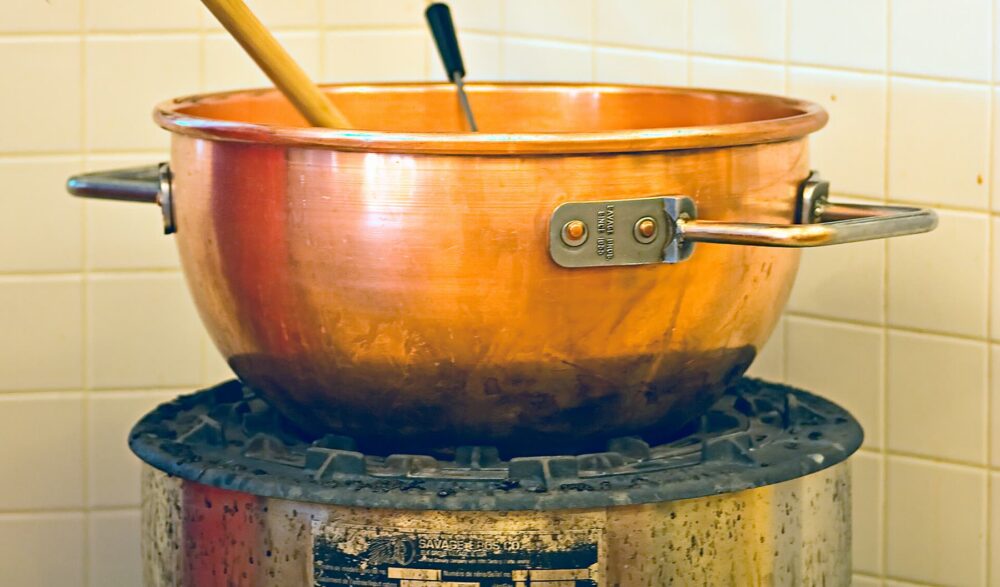
You’ll usually pay somewhere between US$20 and US$400 for an ordinary antique copper kettle online, with many kitchen‑sized pieces clustering around US$50–US$200. Cheaper kettles under US$50 tend to be small, worn, or loosely described as “vintage,” while rare, signed, or museum‑grade pieces can easily push past US$400 and in some cases approach US$1,000. For Canadian buyers, shipping, currency conversion, and possible duties often mean your landed cost ends up 50-100% higher than the sticker price—so a US$80 kettle can realistically become a ~CA$180 purchase.
Antique copper kettles are popular as decor, props, and small resale items. The challenge is not finding them—Etsy, eBay, and specialist dealers have plenty—but understanding what you’re really paying for and choosing the right channel for your budget.
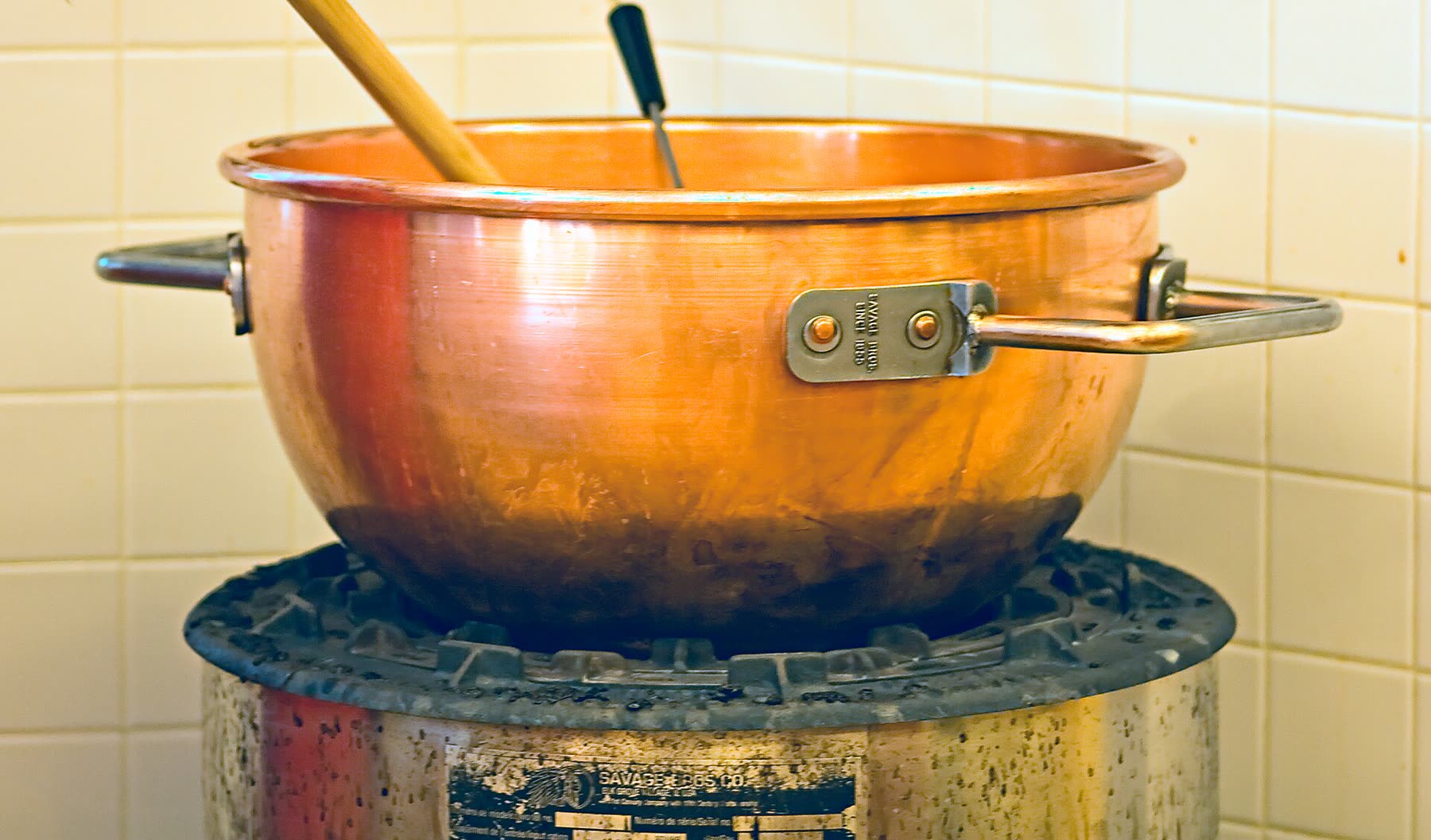
What Antique Copper Kettles Cost Online (Item Price vs Landed Cost)
Across major marketplaces and dealer sites, antique copper kettles commonly list anywhere from about US$10 at the very low end to around US$1,000 for rare or designer pieces. Most everyday kitchen or decor kettles sit in the US$50–US$200 window.
For Canadian buyers, the item price is only step one. Your landed cost usually includes:
- Item price – e.g., a mid‑range kettle at US$80.
- Shipping to Canada – small parcels for a kettle often run US$20–US$50 on marketplace or dealer listings.
- Currency conversion and card/PayPal fees – the effective FX rate can add roughly 2-4% compared with the mid‑market rate.
- Import duties/taxes – may apply depending on origin, material, and value.
Here’s a simple budget example for a single mid‑range kettle bought from a US seller:
- Kettle: US$80
- Shipping: US$30
- Subtotal: US$110
- FX and payment spread (approx.): +US$5 (about 4%)
- Potential duties/taxes and handling: say US$15–US$25 equivalent, depending on carrier and assessment
That US$80 kettle is now roughly US$130–US$140 all‑in, which at a typical exchange rate often lands around CA$175–CA$190.
For small ecommerce sellers bringing in a micro‑batch (say 5 kettles from one seller), shipping per piece can drop, but your customs bill climbs with the declared value. Bundling can still make sense as long as you calculate landed cost per kettle—not just total invoice.
Why Some Antique Copper Kettles Cost $40 and Others $400+
Prices move a lot because “antique copper kettle” covers everything from a tired 20th‑century pot to a well‑documented 19th‑century piece by a known maker.
Key price drivers:
1. Age and authenticity Older, documented kettles (Victorian or 19th‑century examples) typically sell higher than “vintage copper” from the mid‑20th century. Listings on specialist sites like Antiques Atlas and other dealer platforms often emphasize period and origin, which correlates with higher pricing.
2. Maker and provenance Signed pieces or kettles tied to a recognized workshop/brand usually command a premium. Provenance—a history of ownership or use—also pushes prices up, especially when supported by paperwork or dealer expertise.
3. Condition and completeness
- Intact handles, lids, and spouts, plus a sound interior lining, sit in the mid‑to‑high price bands.
- Heavy dents, replaced hardware, or pitted interiors drop value into the budget range.
- Kettles sold purely as decor (non‑functional) are usually cheaper than those described as kitchen‑ready.
4. Style, size, and look Large, dramatic kettles with gooseneck spouts or unusual shapes are popular for open‑shelf decor and film/theatre props, and pricing reflects that. Small, plain service kettles sit lower unless age or rarity compensates.
5. Sales channel
- On general marketplaces (Etsy, eBay), prices often sit at the lower to middle of the range because many sellers are individuals or small shops competing on price.
- On specialist dealer sites and curated antique shops, the same type of kettle may list markedly higher thanks to overhead and the value of dealer expertise.
- Auction platforms can swing either way: a kettle with modest interest might end near the low estimate, while active bidding can push prices beyond what you’d see in fixed‑price listings.
For budget‑sensitive buyers, this means:
- If you mostly care about look and size for decor, you can shop the US$40–US$120 range safely.
- If you want a true, documented antique, expect to be in the US$150–US$400+ band before shipping—and more for scarce, signed pieces.
Choosing the Right Buying Channel and Keeping Your Kettle Budget Under Control
You can buy antique copper kettles through several online channels. Each has a different cost profile and risk level.
Quick channel comparison
| Channel type | Typical price level | Selection & rarity | Cost / risk notes for Canada buyers |
|---|---|---|---|
| General marketplaces (eBay, Etsy) | Often budget to mid‑range | Broad mix of true antiques & vintage | Good for deals; need strong listing review |
| Online auction platforms (e.g., LiveAuctioneers) | Low to high; volatile | Better access to rare pieces | Potential bargains; bidding can spike cost |
| Specialist dealers / antique shops | Mid‑ to high‑range | Curated, often well‑documented | Higher prices; more expertise and inspection |
| Cross‑border local classifieds (e.g., Kijiji, Facebook Marketplace) | Budget to mid‑range | Hit‑or‑miss, more local stock | Lower shipping; less formal buyer protections |
These patterns mirror broader antique buying behavior: marketplaces like Etsy and eBay offer wide selection and often more reasonable prices than physical shops, while auctions and specialist dealers tend to surface rarer pieces at higher or more volatile prices.
Marketplaces: eBay, Etsy, and similar
For a decor kettle or starter inventory:
- Expect many listings in the US$40–US$150 band.
- You can quickly compare multiple kettles side‑by‑side, including price, photos, and basic condition notes.
- To avoid overpaying, search sold listings for “copper kettle” or “antique copper tea kettle” and look at actual transaction prices, not just asking prices.
For Canadian buyers, marketplaces are usually the best starting point for budget pieces because you can filter for sellers who ship to Canada and factor in shipping before you commit.
Auction platforms
Sites modeled on fine‑art and estate auctions (such as LiveAuctioneers) tend to list the more unusual or higher‑value kettles:
- Pre‑sale estimates give a ballpark, but hammer prices can end below or far above that range depending on interest.
- Fees matter: buyer’s premiums and international shipping can add a significant percentage on top of the bid.
Auctions can be attractive if you want one standout kettle for a store display or photo set and are willing to accept price volatility.
Specialist dealers and antique shows
Antique dealers and shows usually sit at the top end of the price spectrum, but they give you more certainty about what you’re buying:
- Dealers invest time in provenance and condition assessment; many will highlight repairs, lining condition, and period.
- Prices tend to be higher than on marketplaces because of expertise and overhead.
For resale businesses that need accurate descriptions and confidence in authenticity, paying dealer pricing can still be smart—especially if your customers are discerning.
Where DHgate fits in this decision
DHgate operates as a cross‑border marketplace that can include vintage‑style or second‑hand copper kettles among its broader mix of goods. It’s best treated as a supplementary channel rather than a primary source for true antiques:
- Use it if you’re open to reproduction or vintage‑inspired kettles for decor or low‑price resale.
- Read listings closely for whether items are genuinely old or simply designed to look antique.
- Ask sellers for extra photos and confirm condition before building inventory around any listing.
If you’re considering DHgate alongside other platforms for copper items, it can be helpful to compare it with rivals in a broader marketplace context, such as the overview at Compare DHgate with AliExpress, Alibaba and Temu.
Practical ways to keep your total cost down
1. Decide decor vs collectible first If you mainly need a warm copper look for a cafe or online decor shop, target the US$40–US$120 band on general marketplaces and accept minor wear. Save the higher budgets for pieces you’ll market as genuine antiques.
2. Run landed‑cost math before you bid or buy
3. Buy in small batches when it actually lowers per‑piece cost If a seller has several kettles you like, ask about combined shipping. Make sure your per‑kettle landed cost genuinely drops once you factor in the heavier parcel and customs valuation.
4. Use past sales to anchor your bids Checking recent sold prices on auction‑style sites and marketplaces helps you avoid aggressive bidding or accepting inflated fixed prices. Condition and rarity still matter, but a kettle similar in age and wear that just sold for US$90 makes a new listing at US$250 worth a closer look.
5. Reserve dealer purchases for flagship pieces If you run a small ecommerce shop, consider building your baseline inventory from marketplace finds, then add one or two dealer‑sourced kettles as premium, well‑documented options.
For both personal buyers and small businesses, the sweet spot is usually a mid‑priced kettle with honest wear, bought through a channel where you can see clear photos and past sale data. That’s where you get the copper charm without losing control of the budget.