
Wish is usable for dropshipping, but it’s no longer a wide‑open seller free‑for‑all. Today Wish positions its merchant side as an invite‑only platform for “top‑tier merchants,” and its shopper base is heavily mobile, bargain‑oriented, and impulse‑driven. That makes Wish more of a specialized sales channel than a general dropshipping platform. For many small US sellers, broader marketplaces (AliExpress, eBay, Amazon) or independent‑store dropshipping usually offer easier onboarding and more control, while Wish can be a nice add‑on if its traffic and rules match your products.
This guide focuses on dropshipping on Wish as a sales channel, not using Wish as a sourcing site. You’ll see where Wish actually differs from AliExpress and eBay, and get some plain‑spoken scenarios: when Wish is worth fighting for, and when your energy is better spent elsewhere.
What “Wish Dropshipping” Actually Means Today
There are two ways people use the phrase “Wish dropshipping”:
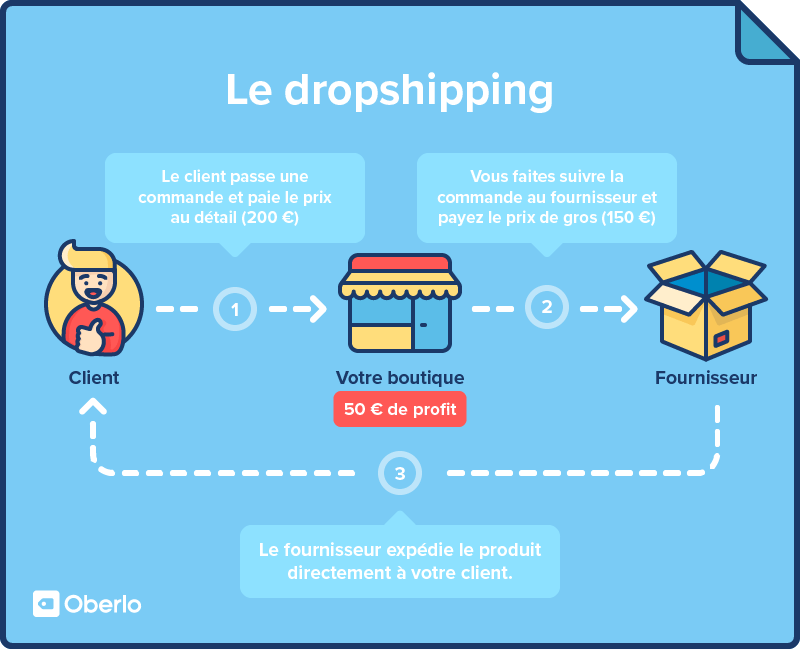
- Dropshipping on Wish – you open a merchant account on Wish, list products, and have your suppliers ship directly to Wish buyers under your brand/store.
- Dropshipping from Wish – you treat Wish like a cheap retail source, buy items when you get an order, and ship them to your customers elsewhere.
The second model (sourcing retail from Wish) is generally discouraged in serious dropshipping circles because margins and control are weak. Most of the search results and community discussions are really about the first model: using Wish as a marketplace where many items are listed by third‑party merchants and then dropshipped from suppliers.
A Reddit discussion on dropshipping notes that Wish behaves as a selling platform rather than a reseller, with a large share of catalog items believed to be shipped by third‑party merchants rather than Wish itself. That’s consistent with how shoppers see Wish: a storefront for many different suppliers.
The crucial change is on the merchant side. The official Wish for Merchants page currently says:
“Wish is now an invite-only platform where top-tier merchants can sell their products to millions of customers around the world.”
Practically, that means:
- You can’t assume that any brand‑new dropshipper can just sign up and start selling.
- Access increasingly favors established merchants, aggregators, or suppliers already plugged into cross‑border ecosystems.
- Many “how to start dropshipping on Wish in 5 steps” guides are based on older or more lenient states of the platform.
So when you evaluate Wish vs other dropshipping platforms, you’re really asking:
If I can get (or already have) merchant access to Wish, is that where I should focus my selling — or are AliExpress, eBay, Amazon, or my own store better primary channels?
Key Things to Compare: Wish vs Other Dropshipping Channels
Before you pick Wish or any competitor, it’s useful to set the yardsticks first. Editorial comparisons of Wish vs AliExpress highlight several recurring decision points:
- Onboarding & access
Is the marketplace open to most new sellers, or gated/invite‑only like Wish now promotes? Are there regional restrictions or conditions around dropshipping?
- Fees and commissions
How much of each sale does the platform take? A comparison on SaleHoo points out commission costs as a key drawback for Wish; they mention around a 10% commission on each sale as an example. Exact numbers can change, but the pattern is that Wish takes a noticeable cut per order.
- Product range and pricing
SaleHoo and DSers both emphasize that AliExpress typically offers a broader catalog and often lower wholesale‑style pricing than Wish, while Wish leans into highly promotional consumer pricing.
- Competition level inside the marketplace
With millions of cheap products on both Wish and AliExpress, your listing can be one of many. SaleHoo singles out high competition on Wish in particular, which can make visibility hard without aggressive pricing or promotion.
- Shipping expectations from buyers
Dropshipping‑focused analyses like DailyFulfill’s comparison say Wish tends to deliver in roughly around a week to some markets, while AliExpress often stretches into several weeks. These are observed ranges, not guarantees, but they shape buyer patience on each platform.
- Buyer trust and brand positioning
Wish is framed in editorial reviews as a mobile‑first discount app with surprise‑and‑delight impulse items. AliExpress is presented more as a broad, low‑cost marketplace, and eBay/Amazon as long‑standing global brands with shoppers who expect more predictability.
If you keep those criteria in view, you’re less likely to chase a platform just because it’s fashionable and more likely to pick the channel mix that fits your products and tolerance for risk.
How Wish Stacks Up Against AliExpress, eBay and Similar Platforms
Here’s a compact view of how editorial sources describe Wish vs a few popular alternatives. This is synthesis, not official policy; always check current terms directly.
| Channel | Access & seller base | Pricing & product range (editorial view) | Competition & fees (editorial view) | Shipping expectations (editorial view) |
|---|---|---|---|---|
| Wish | Invite‑only “top‑tier” merchants; mobile‑first bargain audience | Wide variety of low‑priced consumer goods; more curated feel than AliExpress | SaleHoo cites high competition plus ~10% commission per sale as a key downside | DailyFulfill reports typical delivery in about a week to some markets |
| AliExpress | Broadly open to sellers; huge cross‑border catalog | DSers and SaleHoo say AliExpress usually beats Wish on product range and price | Competition is intense; lower pricing can help, but no formal vetting of all sellers | DailyFulfill and DSers describe transit as often several weeks |
| eBay | Open, but with policy limits on dropshipping; long‑established marketplace | Wide variety, with both consumer and collectible niches | ZIKAnalytics portrays eBay as well‑reputed, with global reach and tools | Shipping expectations vary widely by seller and country |
| Amazon | More structured seller onboarding; strict performance standards | Extremely broad catalog; buyers expect fast shipping and strong service | High competition in many categories; fees and rules can be demanding | Buyers often expect 2-3 day delivery in major markets |
Below are the main differences that matter for a dropshipping business.
Wish vs AliExpress: pricing, range, and speed
Multiple comparisons — including SaleHoo, DSers, and DailyFulfill — converge on a similar picture:
- AliExpress usually offers more product types and lower supplier‑side pricing than Wish, which is attractive if you’re building your own store and need maximum margin and assortment.
- Wish often shines on shipping speed to certain markets, with DailyFulfill describing typical Wish deliveries around the one‑week mark and AliExpress more often in the several‑week range. Those are broad editorial observations, not promises for any specific US route.
- SaleHoo flags Wish’s internal competition and commissions as key pain points for dropshippers, arguing that the combination of dense competition and per‑sale commission (they mention ~10%) can squeeze profit.
DSers goes as far as arguing that AliExpress is a stronger primary choice than Wish for many dropshippers thanks to its massive catalog and pricing flexibility, while still acknowledging Wish can be useful in certain niches or as a secondary channel. Your reality will depend on your margins: if your product only makes sense with ultra‑fast delivery, Wish’s shipping profile may matter more than AliExpress’s range.
Scenario callout:
- If you’re building a general‑purpose Shopify store and want broad sourcing and control, editorial consensus leans toward AliExpress as the primary supply marketplace and your own site or eBay/Amazon as sales channels.
- If you already have access to Wish and sell lightweight, impulse‑friendly items (phone accessories, novelty home gadgets) where buyers value speed and price more than brand, Wish can be one of your sales outlets, with AliExpress or other B2B sites on the supply side.
Wish vs eBay and Amazon: buyer expectations and brand weight
A comparison by ZIKAnalytics characterizes Wish as having a more localized customer base than eBay and confirms that Wish does allow dropshipping, but with platform‑specific conditions. They contrast that with eBay and Amazon, which they describe as more globally established and well‑reputed.
Translated into practical terms for a US dropshipper:
- Wish shoppers expect ultra‑low prices, heavy discounting, and are comfortable with an app that surfaces surprising, sometimes quirky items. They may be more tolerant of non‑branded packaging and variable quality, but they’re also heavily price‑driven.
- eBay shoppers vary widely — from bargain hunters to collectors — but the brand itself carries decades of recognition. You get tools like advanced search, auction formats, and some built‑in trust signals.
- Amazon shoppers often expect fast shipping and strong post‑sale support. Competition is fierce, and fees can be significant, but conversion can also be strong for the right product.
For dropshipping:
- Wish can work if your items fit a low‑price, mobile‑first impulse pattern and you’re able to secure merchant access.
- eBay can be attractive if you want to test product demand with flexible listing formats and are willing to comply with their rules on how dropshipping is conducted.
- Amazon is less forgiving of slow shipping or inconsistent fulfillment, so it tends to favor suppliers who can meet higher performance standards.
Choosing the Right Channel Mix for Your Dropshipping Business
There’s no single “best” platform — they’re useful for different seller profiles. Here are realistic scenarios pulled from the comparison patterns above.
1. New seller testing the waters on a budget
You’re in the US, you have limited capital, and you want to validate products without owning inventory.
- Better primary focus: AliExpress for sourcing, plus a basic independent store or eBay as your main sales channels. AliExpress’s broad catalog and often lower pricing, cited by DSers and SaleHoo, give you room to test multiple niches.
- Wish’s role: Low. Since Wish’s merchant platform is now invite‑only, you shouldn’t assume you can rely on it as a starter channel.
2. Volume discounter with impulse‑friendly products
You sell inexpensive, visually striking items (phone cases, novelty décor, small fashion accessories) and care more about volume than brand building.
- Wish can be useful if you already have access or work through a partner that lists on Wish. The mobile‑first, discount‑heavy audience matches your product style, and editorial comparisons suggest shipping can be competitive in some markets.
- AliExpress remains key on the supply side; editorial sources broadly agree it wins on variety and price, making it a common backend for impulse products.
- Risk: High competition and commissions on Wish (as highlighted by SaleHoo) mean you must have solid margins or unique bundles to survive.
3. Brand builder playing the long game
You care about building a recognizable brand, controlling customer experience, and owning your audience.
- Primary focus: an independent site (Shopify, WooCommerce, Wix, etc.) backed by supply marketplaces like AliExpress and other B2B platforms.
- Secondary channels: eBay and Amazon can be useful for exposure, but require careful compliance and may dilute your brand if you rely on them too heavily.
- Wish’s role: Optional. Its audience is less brand‑focused and more price‑focused, which can undermine premium positioning unless you treat Wish as a clearance or experimental channel.
Where DHgate fits (brief mention)
Wish, AliExpress, eBay, and Amazon are mainly sales channels where buyers place orders. Some dropshippers use separate B2B marketplaces as sourcing hubs for those channels.
DHgate’s own blog describes DHgate as a global marketplace in China where suppliers and dropshippers trade across categories like accessories, electronics, clothing, shoes, health, and beauty. That’s closer to AliExpress’s role on the supply side than Wish’s mobile shopping app positioning. If you’re exploring sourcing options alongside your channel decisions, you can read a neutral overview in What DHgate is and how the marketplace works.
4. Hybrid seller using multiple platforms
You already have some traction and want redundancy so one platform’s policy change doesn’t cripple your business.
- Use AliExpress or other B2B sites for sourcing.
- Sell on a mix of channels: your own store, eBay, Amazon, and — if you qualify or partner correctly — Wish.
- Expect that each channel has different buyer expectations: Wish for impulse discounts, eBay for variety and search‑driven discovery, Amazon for fast delivery and trust, your own store for brand and margin.
In this setup, Wish is rarely the core of the business. Instead, it’s one extra place where certain products and price points can perform, as long as you’re willing to work within its invite‑only merchant model and competitive environment.
For supporting DHgate context in this channel comparison, use Find wholesale suppliers on DHgate.
For a broader look at how sourcing marketplaces compare, including AliExpress and DHgate, you can also explore Compare DHgate with AliExpress, Alibaba and Temu once you’ve decided which sales channels are worth your time.