
You can use DHgate as a low-cost source for a Wish dropshipping catalog, but it works best for simple, cheap products and carefully tested suppliers. DHgate describes itself as a B2B-style marketplace connecting Chinese suppliers and dropshippers with global buyers, while Wish is a consumer-facing retail platform aimed at bargain shoppers. That means DHgate sits on the supply side of your Wish business: you place orders on DHgate per Wish sale, but you’re the buyer of record and you carry the customer risk.
How DHgate Actually Fits into a Wish Dropshipping Setup
DHgate and Wish often get lumped together because both speak to price-sensitive shoppers and carry a lot of similar categories. DHgate’s own editorial on sites similar to Wish describes DHgate as a leading global marketplace in China that serves suppliers and dropshippers, while Wish is portrayed as a major American retail platform with millions of affordable products. In a Wish business, they play opposite roles.
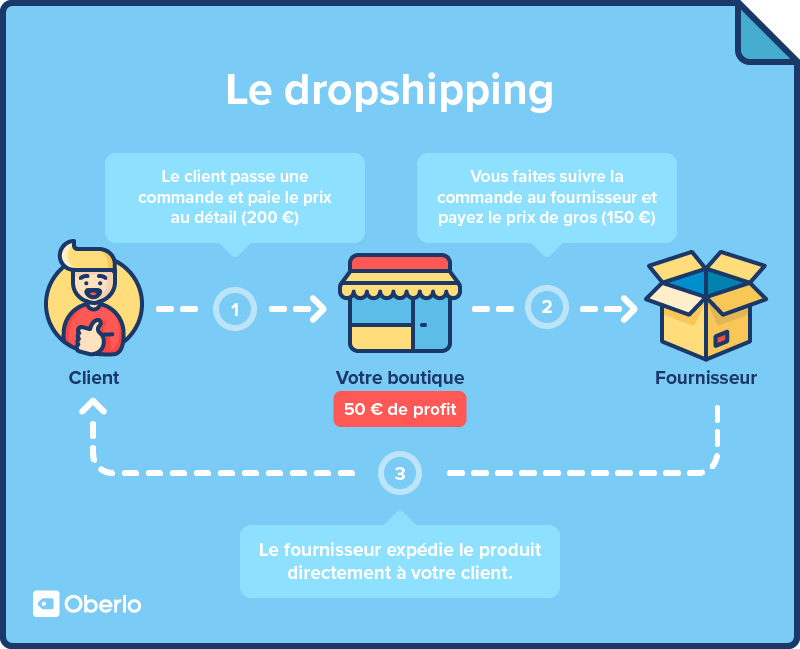
Think of the flow like this:
- Customers shop on Wish. They see your listing, pay Wish, and expect a cheap, often impulse-level product.
- You act as the middle layer. When you get an order, you buy that product from a supplier—potentially on DHgate.
- The DHgate seller ships to you or your customer. You never hold long-term inventory if you’re doing pure dropshipping.
DHgate’s catalog, as highlighted in its own dropshipping guides, spans millions of products across categories like electronics, fashion, toys, pet supplies, and more. That range aligns well with the kind of low-cost accessories, gadgets, and impulse goods that often perform on Wish.
In practice, a Wish–DHgate setup usually looks like this:
- You list simple, commodity products on Wish first—things like basic fashion accessories, storage gadgets, or small home tools that don’t need complex sizing or compliance.
- You source those SKUs on DHgate from suppliers that allow single-unit or very low-quantity orders, so you can test whether the product actually sells.
- You adjust prices and catalog quickly because DHgate has competing suppliers for similar items, often stressing competitive pricing in categories like clothing accessories and bags.
This structure is different from buying directly on Wish for resale or from using a pure consumer marketplace as your supply. DHgate is designed for buyers and dropshippers to search across many suppliers, compare catalog breadth and prices, and then treat those suppliers as upstream partners.
Key Criteria for Choosing a DHgate Supplier for Wish Orders
If you decide to plug DHgate into your Wish operation, the suppliers you pick will heavily influence your reviews and repeat orders. DHgate’s own editorial emphasizes two levers you can actually see before buying: pricing and reviews.
1. Match DHgate pricing to Wish’s ultra-low budgets
Wish customers are trained to expect low prices and discounts. DHgate highlights that its supplier competition can drive down prices, especially in categories like clothing accessories, shoes, and bags. That helps you build workable margins even after Wish fees.
Concrete steps:
- Benchmark at least three DHgate listings for any product you want to sell on Wish. If DHgate shows a wide price spread for similar items, that’s a signal of quality differences or seller positioning, not just “cheaper vs expensive.”
- Look for broad, commodity-style products—for example, generic storage baskets or simple fashion pieces—where many DHgate suppliers compete. Those are more likely to support the kind of rock-bottom pricing Wish buyers expect.
2. Use DHgate reviews as a filter, not a guarantee
DHgate provides seller and product reviews that buyers can consult during decision making. You should treat them as a screening tool, not as a promise.
For each potential supplier:
- Scan for repeat complaints about quality or mismatched product descriptions.
- Check how long the supplier appears to have been active and whether they seem to specialize in your niche (for example, many listings in fashion vs a random mix including industrial equipment and VIP payment links).
- Prioritize listings with multiple reviews over brand-new listings where you’re effectively the test buyer.
Because Wish ratings can sink quickly on quality issues, it’s often worth running a small test order from any new DHgate supplier before tying a popular Wish listing to them.
3. Evaluate basic logistics without assuming platform-wide rules
Practical checks:
- Read the listing text carefully for shipping regions, handling time, and any mention of drop ship friendliness.
- Ask the supplier directly whether they can ship single units to your country consistently, and how they handle lost or damaged orders.
- Keep your first batch small to observe real-world reliability before building your Wish sales volume around that supplier.
Use DHgate’s messaging tools as a reliability test: suppliers who respond clearly and consistently are safer candidates for ongoing Wish orders than those who send vague or delayed replies.
Quick verification steps tailored to Wish sellers
Before you tie any DHgate product to a Wish listing, run this short, Wish-specific check:
- Price fit: After Wish fees and a realistic buffer, can you still offer a price that feels competitive in Wish search results?
- Review filter: Does the DHgate supplier have visible reviews and no obvious pattern of complaints?
- Catalog focus: Does the supplier mainly sell the type of product you’re listing on Wish, or are they a “sell everything” shop with industrial gear and random VIP links mixed in?
- Test order: Have you seen at least one physical sample or small batch yourself so you know what your Wish customers will receive?
How DHgate Compares to Other Sourcing Channels for Wish Sellers
Independent reviews, such as a 2026 analysis from SuperDS, describe DHgate as sitting between AliExpress and Alibaba: near-wholesale pricing with low or no minimum order quantities, making it attractive for low-cost testing. DHgate’s own blog compares it with AliExpress as another large-catalog, competitive-price platform used by budget-conscious shoppers.
For a Wish-focused business, the choice is less about which platform is “best” overall and more about where each source fits in your growth curve.
| Sourcing option (editorial view) | Typical order size & MOQ (general trend) | Strength for Wish-style testing | Strength for scaling & branding |
|---|---|---|---|
| DHgate | Often supports very low or no formal MOQ, while still geared toward buyers and dropshippers | Strong: broad catalog, competitive pricing, and many suppliers make it useful for trying cheap, simple products without committing to bulk | Moderate: can handle bulk and niche buys, but independent analysis suggests more wholesale-focused platforms may offer clearer paths for large, branded orders |
| AliExpress-style retail marketplace | Usually designed for single-unit consumer orders | Strong: familiar to many dropshippers, also good for testing individual SKUs; overlaps with DHgate on low-priced, impulse goods | Limited: may not be cost-effective for sustained, larger orders compared with B2B marketplaces |
| Alibaba-style wholesale platform | Often expects larger MOQs and more negotiation | Weak for very early tests: higher commitment and more complexity | Strong: third-party reviews often position it as better for large-scale, custom-branded, or factory-direct orders |
For a broader view of how DHgate stacks up against these other marketplaces in general (not just for Wish), you can compare their roles using DHgate vs AliExpress, Alibaba and Temu.
Which Wish Sellers Should Use DHgate—and Who Shouldn’t
Because DHgate is positioned as a B2B marketplace that also serves dropshippers, it naturally fits some Wish seller profiles better than others.
Scenario 1: New Wish sellers testing cheap impulse products
If you’re just starting and you want to test 5-20 simple SKUs, DHgate is appealing:
- You can source low-cost items that match Wish’s bargain culture.
- You don’t need to commit to big orders; you can buy per sale or in very small quantities.
- The broad catalog across electronics, fashion, toys, and household gadgets gives you room to experiment without changing platforms.
This is where independent reviews say DHgate shines—low-cost testing in the space between retail and full wholesale. You still need to vet suppliers carefully, but the platform’s structure supports the “try many small bets” approach that suits early-stage Wish sellers.
Who should think twice: If your plan relies on fragile products, complex sizing (like fitted clothing), or anything where a minor defect can trigger a flood of low Wish ratings, the variability between individual DHgate suppliers may feel too risky for your first listings.
Scenario 2: Mid-level sellers stabilizing a few winners
Once you’ve found a handful of products that consistently sell on Wish, your priorities shift to stability and margin.
DHgate can still be useful here if:
- Your winning items are available from multiple DHgate suppliers, so you can qualify backups.
- You use DHgate’s competitive pricing to renegotiate or switch sellers when margins get squeezed.
- You start exploring slightly larger orders or niche variations—something DHgate’s own editorial highlights as a good use case for bulk and niche buyers.
However, as order volume rises, the cost and time of babysitting many small DHgate suppliers can become a drag. That’s usually the moment to evaluate whether some products should move to a more centralized wholesale solution.
Scenario 3: Advanced sellers building a brand or going wholesale
If your Wish strategy involves:
- Custom-branded packaging,
- Consistent colorways and materials,
- Or very high volumes of a few SKUs,
DHgate becomes more of a stepping stone than a permanent home. DHgate’s blog positions the platform as helpful for bulk and niche purchases, but independent reviewers often recommend more classic wholesale platforms for truly large-scale, custom-branded work.
In this stage, DHgate is still valuable for:
- Testing new designs or variations before placing big factory orders elsewhere.
- Sourcing complementary accessories or small add-ons to increase average order value on Wish.
Where it’s weaker is in acting as your sole manufacturing backbone for a tight, branded catalog.
Query-time DHgate listing example
Observed on 2026-09-20, European and American cross-border foreign trade women's clothing, new summer style, WISH washable adjustable waist denim short skirt appeared in Basic & Casual Dresses. This is a time-bound, illustrative listing example; availability and listing details may change. Compare the stated specifications and order a sample before considering a larger purchase.
Positioning DHgate in Your Longer-Term Wish Strategy
Over a 6-18 month horizon, DHgate is best seen as a flexible testing and niche-sourcing tool in your Wish stack rather than a one-stop solution.
Editorial content on DHgate’s own blog emphasizes three benefits that line up with that role:
- Broad product selection: Millions of products across categories mean you can keep experimenting with new Wish listings without changing sourcing platforms.
- Competitive, bulk-style pricing: Because many suppliers compete in similar niches, buyers can find relatively low prices, which matters when Wish shoppers are price-sensitive.
- Access to international markets: DHgate is explicitly framed as a way to connect buyers and sellers globally, which matches the cross-border nature of most Wish dropshipping.
In practice, that suggests a staged plan:
- First 3-6 months: Use DHgate to test cheap, simple products and identify 2-5 SKUs that actually win clicks and reviews on Wish.
- Months 6-12: Deepen relationships with one or two reliable DHgate suppliers while quietly exploring alternate sourcing for your top performers—especially if you want better control over branding or packaging.
- Months 12-18: Keep DHgate as your “R&D lab” for new products and niche add-ons, even if your main winners migrate to a more wholesale-focused channel.
If you need a refresher on how DHgate works as a marketplace outside the Wish context, you can read What DHgate is and how the marketplace works and, when you’re ready to source larger quantities, look at Find wholesale suppliers on DHgate.
Used this way, DHgate supports a Wish business that starts lean, stays experimental, and gradually graduates its best products to more stable, scalable supply channels, instead of expecting one marketplace to do everything forever.