
Wilson’s Estate Jewelry suits buyers who want curated, vintage and antique pieces with a strong service-forward feel, while other estate jewelers and broad marketplaces work better for bargain hunting or bulk sourcing. Reviews and social proof around Wilson’s tend to highlight its curation and education content, but you’ll find wider price ranges and more mixed review signals as you move toward general marketplaces.
This guide uses Wilson’s as the benchmark and then looks at where alternative channels make more sense, whether you’re buying one engagement ring or trying to build small resale inventory.
What Wilson’s Estate Jewelry Is and How It Differs From Typical Jewelers
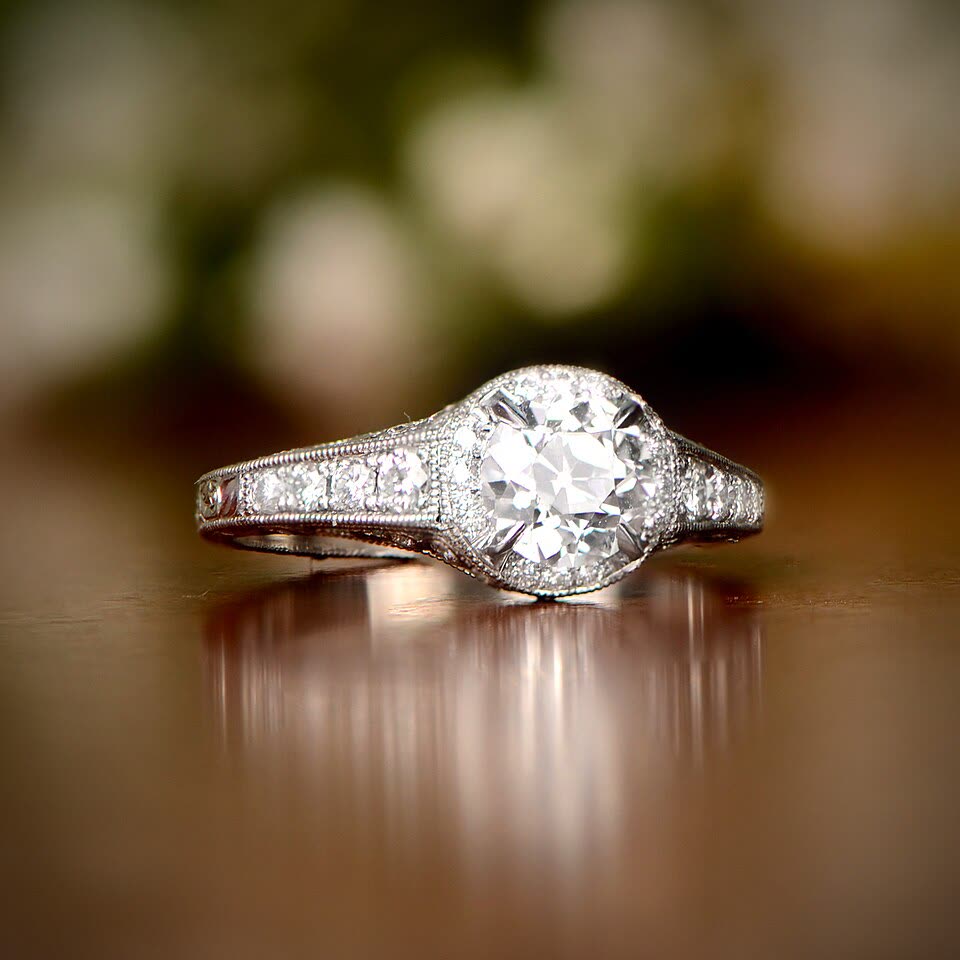
Wilson’s Estate Jewelry is a specialist dealer based in Philadelphia that focuses on vintage, antique and designer estate jewelry. Its site emphasizes a curated collection spanning historic styles and eras, and it highlights categories like engagement rings and other fine pieces rather than mass-produced fashion jewelry.Wilson’s main site and a local shopping listing both frame it as a destination for distinctive, previously owned pieces rather than a conventional mall jeweler.
On its own site, Wilson’s leans into service and trust. The “Searching for Something Specific?” page states that the team promises to treat every client with honesty and respect and prides itself on customer service, underscoring a reputation for fairness.Wilson’s search page positions the store as willing to hunt for particular stones or periods, which matters if you’re chasing a specific Art Deco cut or Victorian setting.
Wilson’s also invests in lifestyle content. Its TikTok account shows side‑by‑side ring comparisons, walks through engagement rings across 185 years, and asks viewers which estate style they prefer.One example is framed as an estate/vintage choice poll; another traces engagement ring design history.Second video This type of content doesn’t equal a guarantee, but it does give you more visual context and a sense of how the brand thinks about cut quality, proportions and style.
Compared with a typical new‑jewelry store that mostly carries contemporary lines from big manufacturers, Wilson’s behaves more like a gallery: smaller volume, more one‑off pieces, and a buying experience built around explaining the age, style and character of each item.
Wilson’s Estate Jewelry vs Other Estate Jewelers and Marketplaces
You can’t fairly judge Wilson’s without placing it next to other estate channels: specialist jewelers, regional shops and broad marketplaces. Here’s how they differ on the factors that usually drive buyer satisfaction.
Curation and selection
- Wilson’s Estate Jewelry (Philadelphia) – Tight, curated inventory of estate pieces with an emphasis on fine jewelry and engagement rings. The site’s structure and marketing suggest each piece is individually selected, which tends to mean fewer total items but more focus on quality and style.
- Other estate jewelers (e.g., H&H Jewels) – Jewelers like H&H Jewels’ estate collection in Miami show that there are similar curated channels in other cities. These stores also highlight estate and vintage as a distinct category, but their exact mix, price points and depth vary.
- Regional jewelers and pawnbroker‑style shops – Directory listings such as Saslow’s Jewelers in North Carolina illustrate that many local jewelers carry at least some estate pieces alongside new stock. Curation is more opportunistic: they sell what comes in locally, so you might see fewer era‑specific options but sometimes sharper pricing.
- Online marketplaces (US and cross‑border) – Large marketplaces carry both new jewelry and “estate‑style” or vintage‑inspired listings from many sellers. You may see more volume and a wider spread of price and quality, but there’s no single curator behind the catalog.
Trust signals and reviews
Wilson’s emphasizes trust through messaging (honesty, respect, fairness) and social presence. You can watch how they describe diamonds and settings on TikTok, then cross‑check that with any third‑party local reviews you find via maps or directories. That combination—service promises plus visible expertise—usually gives a more confident buying experience than an anonymous listing.
Other estate jewelers, like H&H, rely on their local reputation and any online ratings they’ve built; they often highlight being in business for decades or having gemological training, but you need to verify those details yourself. Regional shops listed in directories may show star ratings or review counts, which can help you gauge how often they handle estate sales.
Marketplaces introduce more variability. Sellers range from professional dealers to casual resellers, and reviews become your main filter. DHgate’s own editorial guidance on jewelry shopping stresses reading customer reviews and ratings carefully and checking materials and certifications before buying,DHgate blog advice which applies across marketplaces: you’re judging individual sellers, not one cohesive brand.
Service and buying experience
The Wilson’s site describes a service model built around conversation: helping you search for something specific, offering overnight shipping on qualifying pieces, and framing ring sizing as a value‑add on higher‑ticket items.Wilson’s search page While we don’t have a full policy breakdown, the tone is “concierge” rather than transactional.
Other estate specialists usually offer similar hands‑on help—appointments, custom work on vintage settings, education around cut quality and age. Local regional jewelers may be more straightforward: you browse the estate case and negotiate in person, with less online infrastructure but the benefit of seeing stones under the loupe.
Marketplaces are more self‑serve. You’re responsible for verifying details, asking questions via messaging, and interpreting reviews. That flexibility suits price‑sensitive buyers and resellers but can feel risky for a once‑in‑a‑lifetime purchase.
Quick comparison snapshot
Here’s a compact comparison of channel characteristics based on the sources above and typical US buying norms:
| Channel type | Curation style | Typical selection depth | Trust feel for a single ring purchase |
|---|---|---|---|
| Wilson’s Estate Jewelry (Philadelphia) | Highly curated estate focus | Moderate; focused on fine pieces | High, driven by brand reputation + content |
| Other estate jewelers (e.g., H&H) | Curated estate category | Moderate; varies by city | High, if local reviews and credentials are strong |
| Regional jewelers with estate cases | Opportunistic/local intake | Limited but rotating | Medium; depends heavily on local word‑of‑mouth |
| Broad marketplaces (incl. cross‑border) | Seller‑by‑seller | Very wide, from fine to costume | Mixed; depends on each seller’s reviews |
Which Channel Fits Different Estate Jewelry Buyers and Small Resellers
How do you turn those differences into a concrete decision? It depends on whether you’re buying for yourself or as inventory.
Scenario 1: Engagement ring or sentimental one‑off
If you’re shopping for an engagement ring or a major gift and you care about era‑accurate design, strong service and storytelling around the piece, a curated estate specialist like Wilson’s is usually the best fit. You can lean on their selection and educational content, then cross‑check whatever third‑party reviews you find.
A comparable estate jeweler closer to home might be equally good, especially if you want to see stones in person. Regional jewelers with smaller estate cases are worth visiting if your budget is tight, but expect a more limited choice of styles and periods.
Broad marketplaces, including cross‑border platforms, make sense only if you’re very confident reading listings and gem specs, and you’re willing to do serious review‑vetting. For a single, high‑stakes ring, most buyers prefer the extra confidence of a known jeweler.
Scenario 2: Building a small resale inventory
If you run a small online shop or sell on social, you’re balancing margin against risk.
- Wilson’s and similar estate specialists are better sources for a few standout pieces that anchor your brand—high‑character rings or pendants you can photograph and market as centerpieces. Pricing will reflect curation, so margins may be thinner, but your authenticity and design story are stronger.
- Regional jewelers and pawn/estate counters can be hunting grounds for deals, especially if you’re comfortable evaluating stones and settings yourself. Inventory will be hit‑or‑miss by era.
- Large marketplaces give you the broadest access, including cross‑border supply, but they demand disciplined vetting: reading reviews, clarifying materials in writing, and avoiding sellers with vague descriptions. The DHgate editorial advice about checking reviews and materials applies here as a daily workflow, not a one‑time check.
Scenario 3: Casual estate interest on a budget
If you simply like the look of vintage or antique and have a modest budget, you might start with regional estate cases or well‑reviewed marketplace sellers that specialize in vintage‑style or lower‑carat pieces. Wilson’s and other high‑touch estate dealers are still worth browsing, but you may find their selection aimed more at buyers prioritizing uniqueness over lowest possible price.
For any channel, treat estate jewelry as a previously owned category where verification matters. Ask specific questions about age, materials and alterations, and use reviews and social content to judge how consistently each seller or jeweler meets buyer expectations.
For cross‑border marketplace comparison beyond estate jewelry, you can look at how major platforms stack up in general in this DHgate vs AliExpress, Alibaba and Temu overview, then apply the same review‑centric mindset to any estate‑style listing you consider.