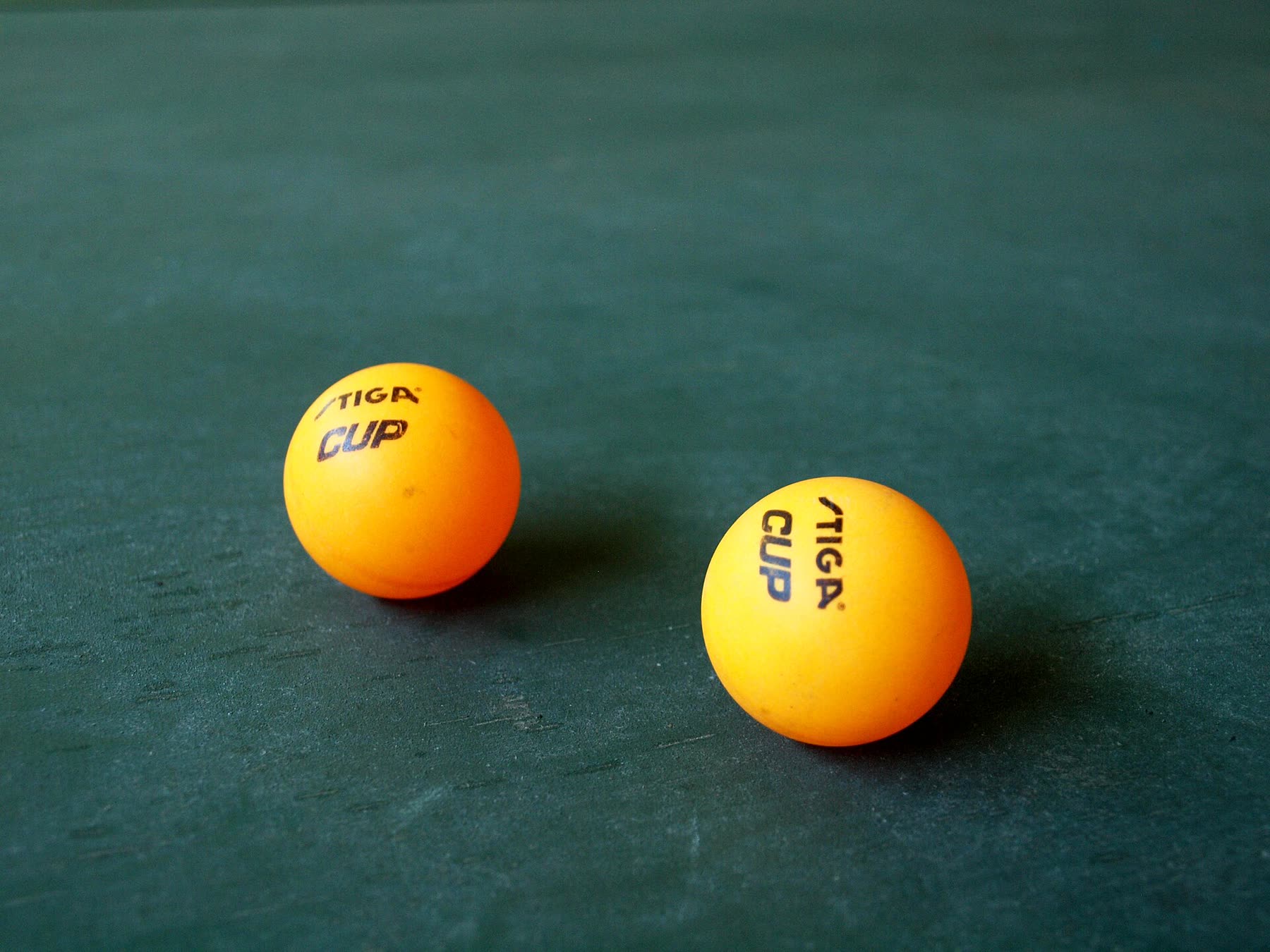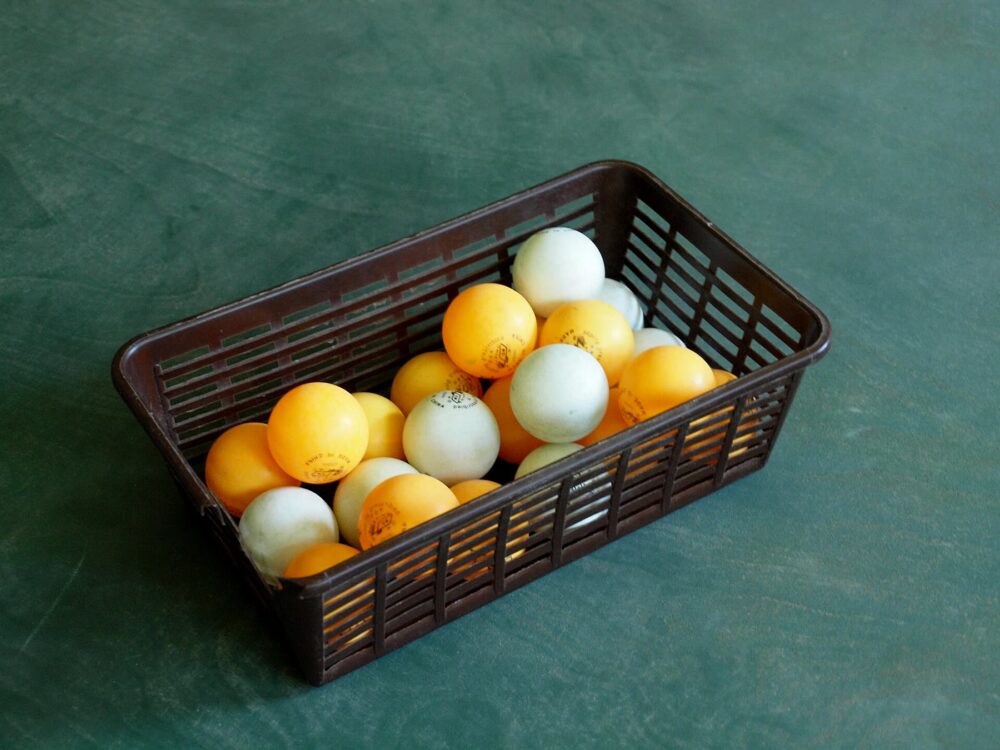
A standard table tennis ball is 40 mm in diameter, weighs 2.7 g, is made from plastic, and must meet strict bounce and roundness rules set by the International Table Tennis Federation (ITTF). In practice, brands differ less on these headline specs and more on consistency: how many balls in a box actually behave the same, how long they last, and whether their star rating matches the level of play you need.
In Australia, you’ll see the same basic terms across retailers: 40+ plastic balls, labeled from training grade up to 3-star match balls. The smart decision is to match ball tier and sourcing channel to your use case—casual home games, school programs, club competition, or ecommerce resale.
What Counts as a Standard Table Tennis Ball?
ITTF defines a regulation ball for modern play as:
- Material: plastic (often ABS). Celluloid has effectively been phased out at competition level.
- Diameter: 40 mm.
- Mass: 2.7 g.
- Color: traditionally white or orange; the key is high contrast with the table and surroundings.
- Bounce and roundness: the ball must bounce within a controlled range and be close to perfectly round so rallies feel predictable.
You can see these specs reflected in how Australian brands describe their products. Sports retailers label their products simply as “40+ table tennis balls,” indicating post-rule-change plastic balls rather than the older 38 mm or celluloid options. For example, SportsX lists a mix of 40+ training balls and 3-star 40+ match balls in its range of table tennis balls, all framed as suitable for modern play.Source
Star ratings aren’t an ITTF rule on their own, but manufacturers use them as shorthand:
- Training / no-star or 1-star: fine for casual play and drills; less strict on roundness and bounce.
- 2-star: intermediate quality, often used in clubs for general practice.
- 3-star: highest grade in a given brand line, marketed for serious match play and often used in competition settings.
The label “ITTF approved” is separate; a ball can be 3-star without being on the ITTF approved list for official tournaments.
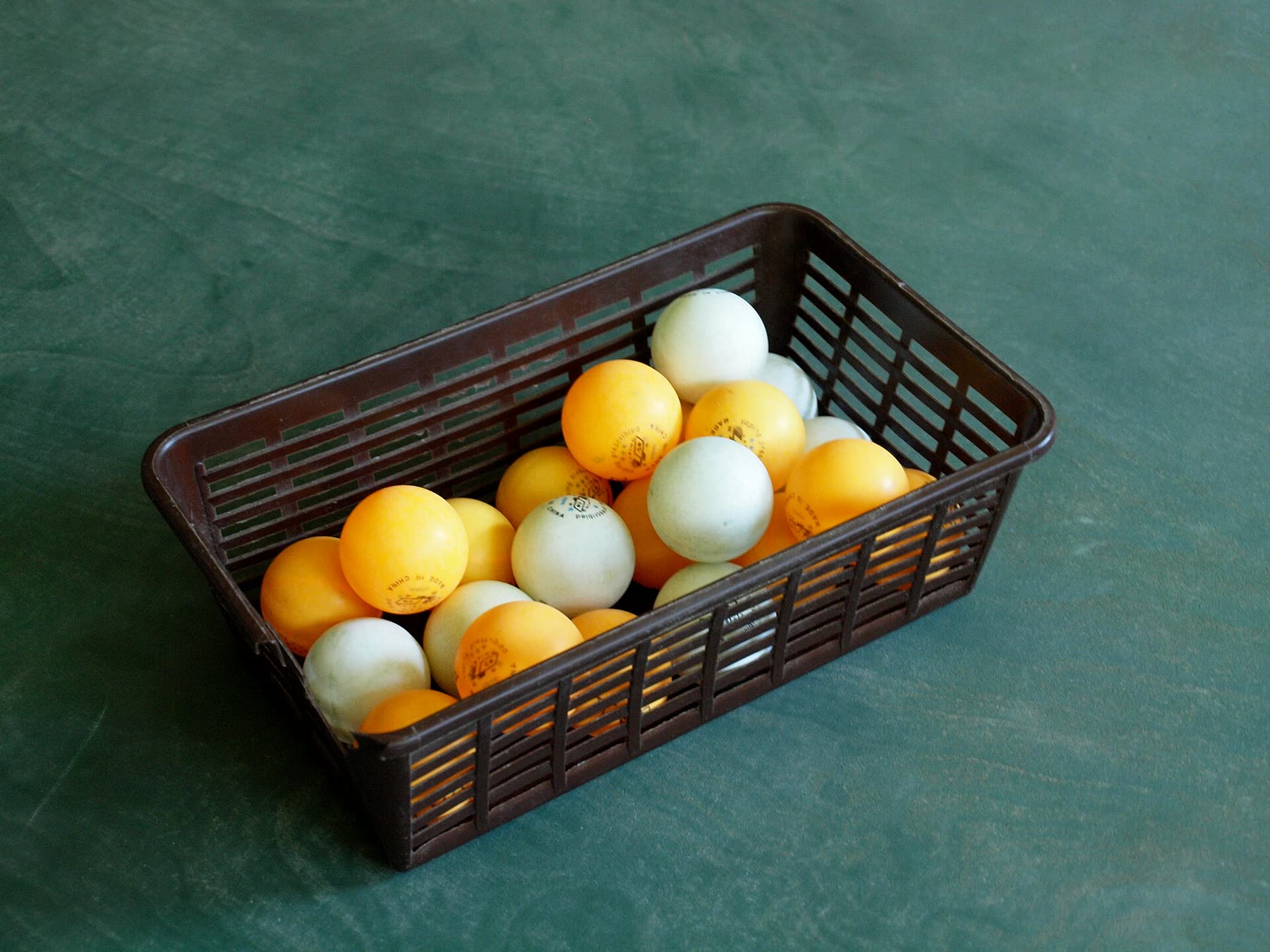
How Major Ball Types and Brands Differ
Quality differences show up clearly when you compare specific brands and retailers in Australia. Below is a snapshot of how typical tiers line up.
Training vs 3-star using real examples
On SportsX, you’ll find:
- Training balls (often 1-2 star or unstarred, 40+ plastic), sold for general practice and recreational use.
- 3-star 40+ balls branded for match play, including lines from well-known table tennis brands.Source
Buffalo Sports also splits its range this way, selling both 3-star competition balls and lower-star training balls, all labeled 40+ plastic for table tennis.Source
At the higher end, Butterfly markets its 3-star balls (such as its G40+ line) as match-quality options aimed at serious players and clubs.Source Giant Dragon 3-star 40+ balls sold through retailers like Sportsmart are likewise positioned as 3-star match balls.Source
For casual use, big-box chains fill the gap:
- BIG W stocks generic ABS 3-star 40 mm balls, clearly described as suitable for recreational table tennis.Source
- Kmart sells large multi-packs (e.g., a 36-pack of 40 mm balls) aimed at casual or home play.Source
A very different proposition is the bulk budget pack category. One Australian listing for a Bulk Lot x 288 Budget Quality Ping Pong Ball describes the balls explicitly as “budget quality” and “suitable for occasional players only,” underscoring their intended use at the lowest level of play rather than training or competition.
Brand and tier snapshot
Here’s how these examples compare by tier and typical use:
| Source / Brand | Star rating on offer | Labelled spec | Marketed use case |
|---|---|---|---|
| SportsX | Training, 3-star | 40+ plastic balls | Recreational, club, match play |
| Buffalo Sports | Training, 3-star | 40+ plastic balls | School, club training, competition |
| Butterfly (online) | 3-star match balls | 40+ plastic balls | Match-quality, serious play |
| Giant Dragon (Sportsmart) | 3-star | 40+ 3-star balls | Match balls for clubs / players |
| BIG W (Alliance) | 3-star generic | 40 mm ABS 3-star balls | Recreational, home tables |
| Kmart | Large multipacks, generic | 40 mm balls | Casual play, parties |
For buyers and resellers, the takeaway is practical: 3-star balls from specialist brands (Butterfly, Giant Dragon, Buffalo Sports) are positioned for match use, while generic 3-star and bulk “budget” balls are marketed for casual or occasional play, despite sharing the same 40 mm plastic spec.
Best Options for Different Buyers and Sourcing Channels
Your best ball choice depends on both how they’ll be used and where you source them.
Clubs and competition-focused players
If you’re running an Australian club or playing in structured leagues, priority is:
- Consistent bounce and roundness: look to branded 3-star 40+ balls from table tennis specialists such as Butterfly or Giant Dragon via sports retailers and table tennis shops.SourceSource
- Clear labeling: packaging that specifies 40+ plastic, 3-star, and any ITTF approval makes it easier to align with competition expectations.
Buying from Australian sports retailers or specialist table tennis shops reduces the risk of receiving off-spec balls and simplifies returns if a batch is obviously inconsistent.
Schools, social clubs, and multi-table venues
Schools and social venues often need high volumes and reasonable durability, but not strict competition performance.
Good fits include:
- Training and 1-2 star balls from Buffalo Sports and SportsX, which are explicitly sold for ongoing practice and school/club use.SourceSource
- Multi-pack 3-star ABS balls from BIG W or similar chains, which balance a recognizable star rating with a casual-play price point.Source
Here, the risk with ultra-cheap bulk is that erratic bounce frustrates learners. A mid-tier, locally sourced ball usually pays off in fewer complaints and longer usable life.
Casual home tables and party use
For home tables where games are occasional and serious spin and speed don’t matter much:
- Large generic multipacks like Kmart’s 36-pack give you plenty of balls to lose behind furniture without worrying about performance.Source
- The 288-piece budget lots can work for kids’ parties or novelty games, as sellers themselves frame them as suited to “occasional players only.”
Here the trade-off is clear: you gain quantity and low cost, and you accept inconsistent bounce and faster wear.
Small ecommerce businesses and cross-border sourcing
If you’re an Australian reseller looking to stock ping pong balls, you’re deciding between:
- Domestic wholesale and sports suppliers (Buffalo Sports, SportsX, table tennis shops), where specs and branding are straightforward and shipping times are shorter.
- Cross-border marketplaces for bulk imports.
Cross-border marketplaces such as DHgate list a wide range of table tennis or ping pong balls, often in large packs or OEM-branded lots. That variety can be attractive for private-label or low-cost bulk sourcing, but quality is mixed. Before committing, you’ll need to:
- Confirm diameter (40 mm) and plastic type (ABS or similar) in the listing.
- Check whether the balls are described as training, 3-star, or explicitly budget.
- Review seller feedback with an eye on comments about bounce, roundness, and durability, not just shipping.
For resellers whose customers care about performance—for example, selling to clubs or schools—domestic 3-star balls from known brands may be safer. Cross-border bulk can make sense for casual or novelty-use stock, provided you’ve verified the specs and are transparent about the quality tier in your own product descriptions.