
Australian buyers looking at sports jerseys and club merch really face three different decisions: licensed jerseys for big codes, playing kit for local clubs like Merrylands or Doncaster, and generic/custom sportswear for training or resale. Official league and club shops plus Australian retailers such as Rebel’s fangear and specialist stores like City Sports or Jerseys Megastore are your reliable path for authentic AFL, NRL, football and other pro-team gear. Grassroots clubs almost always need local custom teamwear manufacturers. Global marketplaces—DHgate, AliExpress, eBay and similar—mainly make sense for unlicensed or generic apparel and need extra checks.
The sections below map those needs to the right channels so you can choose a realistic mix for yourself, your club, or your ecommerce side hustle.
What Australian buyers mean by “sports jerseys & club merch”
“Sports jerseys & club merch” covers more than one product type in Australia, and the best channel depends heavily on which bucket you’re in.
- Licensed fan jerseys for major codes
This is what you wear to an AFL or NRL match: team-logo jerseys, replica on-field kit, and branded hoodies or caps. These are produced under licensing deals and carry specific league and club branding. Big Australian retailers like Rebel Sport’s fangear section position themselves around this, with ranges spanning AFL, NRL, Rugby Union, football, overseas leagues and more.
- Official club/league merchandise
Some clubs and governing bodies run their own online shops. For example, the Sydney Roosters promote an official online marketplace specifically for exclusive club-issued apparel and kit, distinct from general sports retailers. These channels are about brand control and fan trust.
- Grassroots club playing kit and off-field apparel
Local clubs in suburbs like Merrylands or Doncaster—whether rugby league, soccer, netball or cricket—need uniforms, training tops, and basic supporter wear with their own logo and sponsors. This isn’t licensed national-league merchandise; it’s custom teamwear. Australian manufacturers such as Coast 2 Coast Sports, Game Day Apparel, and Sports Centre focus on this space, offering custom jerseys, shorts, training wear and accessories for clubs and schools.
- Generic or custom-printed sportswear and fan-style tees
This covers unlicensed basketball-style jerseys, football-inspired shirts, gym tops, and supporter-style apparel that doesn’t use protected league branding. Firms like Melbourne Merch sell locally printed training tees, hoodies and supporter gear for clubs, while global marketplaces host thousands of generic jerseys and sports tops that can be personalised.
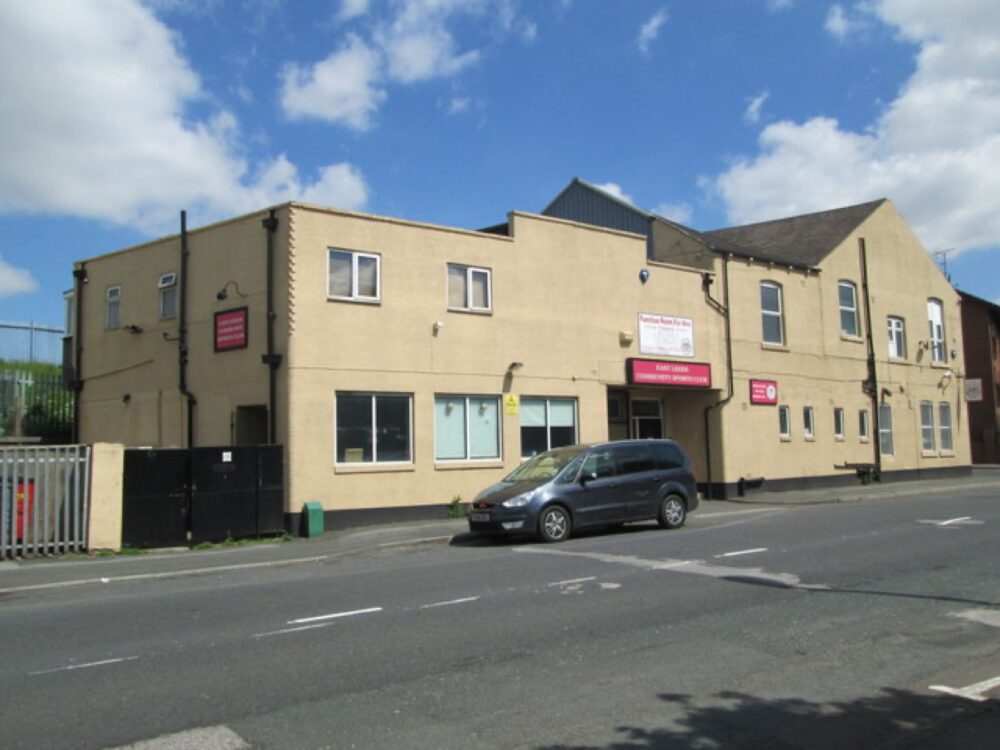
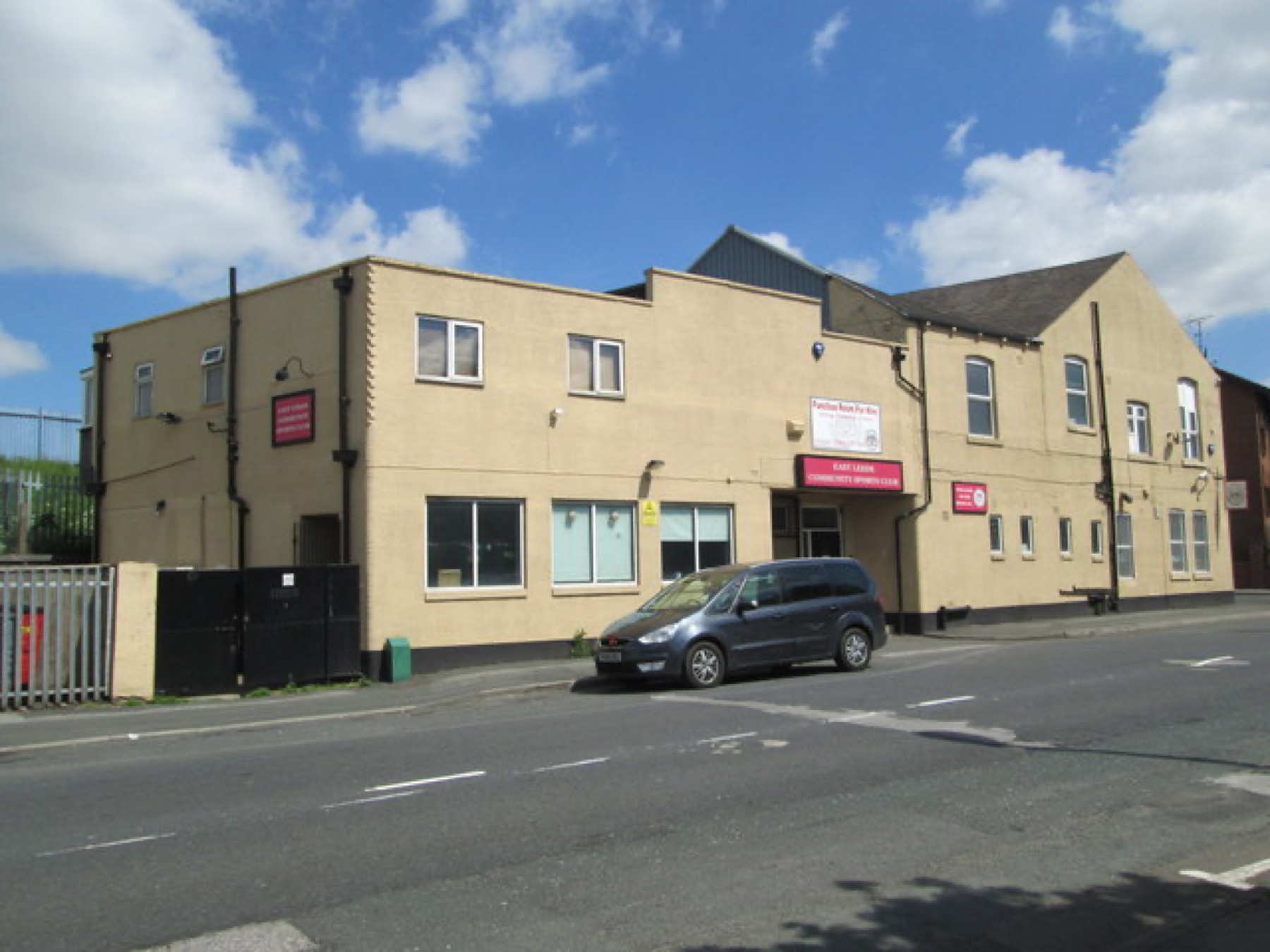
If you’re thinking about Merrylands or Doncaster specifically, you’re almost certainly in bucket 3 or 4—club kit and supporter gear for local teams—rather than official national-league fangear.
Channel types for jerseys and club merch in Australia
For Australian buyers and small sellers, most jersey and merch needs fall into five channel types.
1. Official league and team shops
These are run or directly controlled by the club or governing body.
- Examples: Sydney Roosters’ official marketplace (via their Facebook announcement).
- Strengths: Clear brand association; focused on current-season kit and official designs.
- Limitations: Usually cover only one club or code; limited if you want multi-sport bundles or non-licensed custom apparel.
2. National multi-code retailers
Large chains carry licensed merchandise across multiple sports.
- Example: Rebel Sport fangear.
- What they offer: Licensed jerseys and teamwear for AFL, NRL, Rugby Union, football and some overseas leagues, plus supporter caps, scarves and training gear.
- Why buyers use them: Convenience (stores and online), multi-code coverage, and the comfort of buying recognisable licensed fangear in one place.
3. Specialist licensed merch stores
These retailers focus almost entirely on official fangear.
- Examples: City Sports describes itself as an official sporting merchandise store for AFL, F1, soccer, rugby, cricket and more. Jerseys Megastore runs an NRL jerseys FAQ that explains how to buy authentic, officially licensed NRL jerseys online and spot fakes.
- Role: Deep selection and expertise in licensed gear, often across multiple teams and seasons.
4. Australian custom teamwear manufacturers
These are the backbone for local club kit.
- Coast 2 Coast Sports runs a Design Your Own platform for custom uniforms across basketball, netball, football, rugby, cricket and more, using sublimation and performance fabrics.
- Game Day Apparel promotes itself as a specialist in bespoke team wear and custom sports uniforms for various sports.
- Sports Centre designs custom sportswear for clubs, schools and events around Australia, from jerseys and training wear to outerwear and accessories.
- Melbourne Merch offers custom club uniforms, training tees, hoodies and supporter merch printed in Melbourne with Australia-wide delivery.
For a local club in Merrylands or Doncaster, this category is usually where your playing strip and branded off-field apparel will come from.
5. Global marketplaces and general online jersey sites
Beyond Australia, a wide ecosystem of marketplaces sells jerseys and sports apparel. DHgate’s blog on affordable jerseys lists Amazon, Fanatics, eBay, SportsMemorabilia.com, Walmart, DHgate and AliExpress as options, emphasising that you should compare prices and check reviews across sites.
Other DHgate editorial content notes that large marketplaces like Amazon offer huge jersey selections but that third‑party sellers may list non‑official jerseys, so buyers should read descriptions and seller ratings carefully. Similar caution applies to any large marketplace—stock can range from official products to replicas and vintage or second‑hand items.
DHgate and some other global platforms also carry generic sportswear and personalised jerseys—including listings where suppliers offer custom uniforms with name, number and logo—typically aimed at generic team use rather than licensed national-league merch.
How channels compare for different jersey and merch needs
Different channels shine for different tasks. The table below focuses on factors that matter to Australian fans, clubs, and small ecommerce sellers.
| Channel type | Licensed authenticity for major codes | Customisation for local clubs | Typical scale (editorial view) | Fit for clubs like Merrylands/Doncaster |
|---|---|---|---|---|
| Official league/team shops | Very high – they exist to sell official gear for their own teams and leagues. | Low – usually limited to name/number personalisation, if offered. | Built for single‑item fan purchases; not geared toward bulk kit orders. | Good for fans supporting a pro club; not practical for an entire local club’s uniform set. |
| National retailers (e.g., Rebel) | High – focus on licensed fangear across multiple codes. | Low to medium – some generic gear but not full custom club kits. | Suited to individual purchases and small groups; bulk club kit is not their core model. | Great for fans needing AFL/NRL jerseys; poor fit for grassroots clubs needing fully branded kit. |
| Specialist licensed merch stores (e.g., City Sports, Jerseys Megastore) | High – business model revolves around official merchandise and expertise in spotting fakes. | Low – they sell official designs, not bespoke club artwork. | Mostly single‑item or small multi‑item orders for fans. | Useful for fans and possibly resellers of licensed gear; not for designing Merrylands or Doncaster uniforms. |
| Australian custom teamwear manufacturers (C2C Sport, Game Day Apparel, Sports Centre, Melbourne Merch) | Low for national‑league logos – they’re about your club’s own branding, not pro-league licensing. | Very high – full custom uniforms, training wear, hoodies and supporter merch aligned to club identity. | Designed for team or club orders, from small squads to larger associations; they expect multi‑piece runs. | Excellent – this is the natural channel for Merrylands/Doncaster-type clubs needing kit and club merch. |
| Global marketplaces (Amazon, DHgate, AliExpress, eBay, etc.) | Mixed – some official items, many replicas, generic, vintage or second-hand jerseys. You must judge listings individually. | Medium – lots of generic or custom‑print jerseys and uniforms, but typically not licensed Australian club gear. | Flexible – ranges from single items to bulk orders, depending on seller. It’s harder to know scale without checking each listing. | Situational – can work for generic training gear or low‑budget supporter tees, but not for official local or national club logos. |
Jerseys Megastore’s NRL buying guide spells out why authenticity matters for fans: cheap match‑day shirts on generic marketplaces can be non‑official, with differences in fabric, stitching and logo accuracy. That’s a useful lens for any code—if licensed branding is central to your purchase, stick to channels built around licensing rather than generic cross‑border marketplaces.
Matching channels to buyer profiles
Scenario 1: Australian fan of AFL, NRL, football or another major code
Best default mix
- Use official league or team shops if you want the latest home/away kit or exclusive drops tied to your club.
- Use national retailers like Rebel and specialist merch stores such as City Sports or Jerseys Megastore for broader choice, multi-code coverage, and potential past‑season jerseys.
Why this works These channels are organised around licensing and authenticity. Jerseys Megastore’s NRL FAQ, for example, explicitly focuses on official NRL jerseys and how to distinguish them from knock‑offs. That same kind of emphasis is what you want for AFL or national football gear.
Where marketplaces fit Global marketplaces are best treated as secondary channels if you’re hunting specific vintage jerseys, off‑season bargains, or second‑hand items. DHgate’s blog on vintage soccer jerseys points to eBay, Etsy, Depop, vintage stores and expos as common vintage sources and stresses checking seller ratings and photos—which is smart practice across any marketplace.
Scenario 2: Grassroots club organiser (Merrylands/Doncaster-style club)
If you’re sourcing playing kit and supporter gear for a community club, you’re in a very different game from licensed fangear.
Best default mix
- Partner with Australian custom teamwear suppliers for your on-field kit:
- Use C2C Sport’s Design Your Own platform to build basketball, netball, football or rugby uniforms that match your colours and sponsor logos.
- Consider Game Day Apparel or Sports Centre for bespoke jerseys, training wear and outerwear that fit your sport and age group mix.
- Use a local print house like Melbourne Merch for off-field apparel: training tees, hoodies and supporter merch, printed locally with Australia‑wide delivery.
Why this works These suppliers are set up for club orders: they expect you to bring your crest, numbering and sponsor layout, and they’re used to coordinating full team sets rather than one‑off purchases. For clubs like Merrylands or Doncaster, that matters more than chasing the lowest possible per‑jersey price from an unknown overseas seller.
Where marketplaces fit Global marketplaces can still play a role for generic training tops or non‑branded bibs and cones, but they’re not a realistic home for your club’s primary uniform. The risk of misaligned colours, logo usage issues, or miscommunication across borders is high relative to working with a supplier that understands Australian club sport culture.
Scenario 3: Small ecommerce business or side‑hustle reseller
Suppose you’re a small seller wanting to list sports-inspired apparel or club-adjacent merch.
If you want to resell licensed fangear:
- Starting with Australian licensed retailers (Rebel, City Sports, Jerseys Megastore) is safer; they already manage licensing and authenticity. Your margin may be lower, but you’re not navigating grey areas about logos and brands.
- For niche or vintage jerseys, channels highlighted in DHgate’s vintage soccer jersey article—eBay, Etsy, Depop, vintage stores, sports memorabilia expos—can be hunting grounds. Build expertise in assessing photos, tags and era‑appropriate details.
If you focus on generic or custom designs:
- Domestic custom teamwear firms like Melbourne Merch or Sports Centre can produce unbranded sportswear or club-style designs you create, with predictable quality and local support.
- Cross‑border marketplaces can supply generic sports tops or training sets that you brand lightly or bundle, but you need to treat each supplier as a separate relationship rather than assume marketplace-wide standards.
Using global marketplaces in an Australian club context
Global platforms such as DHgate, AliExpress, and Amazon sit at the edge of the Australian jerseys and club merch ecosystem. They’re not replacements for official league shops or local club kit suppliers, but they can fill some gaps.
Where they realistically fit
- Generic sportswear and training gear: If you need plain quick‑dry tops, mesh shorts or generic football-style uniforms without Australian league logos, marketplaces can be cost‑effective.
- Custom-printed but non‑licensed jerseys: A DHgate product snapshot taken on 2026-09-20 shows listings like “Custom Jerseys Personalized Shirts Sports Uniform for Men Women Soccer Uniforms with Name Number Logo”, where a supplier offers personalised sports uniforms with name, number and logo. This kind of listing illustrates that some overseas sellers will customise generic jerseys to your artwork.
If you go this route, treat the jersey as generic apparel that happens to carry your design, not as licensed Australian club merch.
Where you should stick to local or licensed channels
- Official national-league fangear: For AFL, NRL, A‑League, or national rugby/football jerseys, official league/team shops, Rebel, and specialist licensed merch retailers are structured around authenticity. Jerseys Megastore’s guide shows why: the differences between official and non‑official jerseys can be subtle but meaningful for fans.
- Grassroots club playing kit: For Merrylands/Doncaster-type clubs, Australian custom teamwear firms provide local design support, familiarity with Aussie sporting codes, and alignment with sponsor and association requirements that overseas generic suppliers won’t have.
Practical verification steps for cross‑border sourcing
If you do use global marketplaces for unlicensed or generic gear:
- Treat each listing like a standalone supplier. Read the full description for fabric type, sizing conventions, and exactly what customisation is offered.
- Review seller ratings and past feedback across marketplaces—DHgate’s blog and its vintage jersey piece both emphasise looking closely at photos and ratings, which is a good universal habit.
- Start with a small test order to confirm sizing and print quality before committing your whole club or store inventory.
For supporting DHgate context in this channel comparison, use Compare DHgate with AliExpress, Alibaba and Temu, What DHgate is and how the marketplace works, and Find wholesale suppliers on DHgate.
For buyers and small ecommerce businesses in Australia, the healthiest strategy is usually hybrid: licensed fangear and official jerseys via domestic channels, club kit via Australian custom teamwear manufacturers, and overseas marketplaces reserved for generic or experimental products where licensing and club identity are not at stake.