
Manual filling and bottling equipment is only a good deal if the machine matches your product and volume, and the supplier can actually support you. The most effective approach is to first define your requirements (viscosity, bottles per hour, fill accuracy, bottle types), then compare offers from specialist machinery manufacturers, industrial directories, and broad marketplaces. You’ll want to stack them up on real capacity, customization, total landed cost, spare parts, and support. For many small brands, the jump from fully manual to semi‑automatic gear can matter more than which platform you buy from.
What Counts as Manual Filling & Bottling Equipment for Small Production Runs
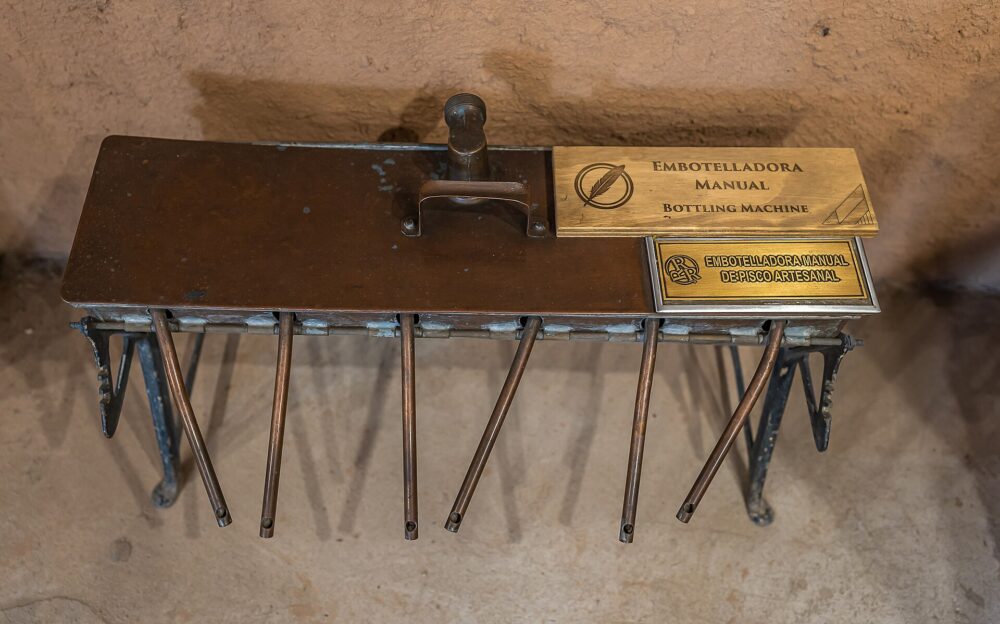
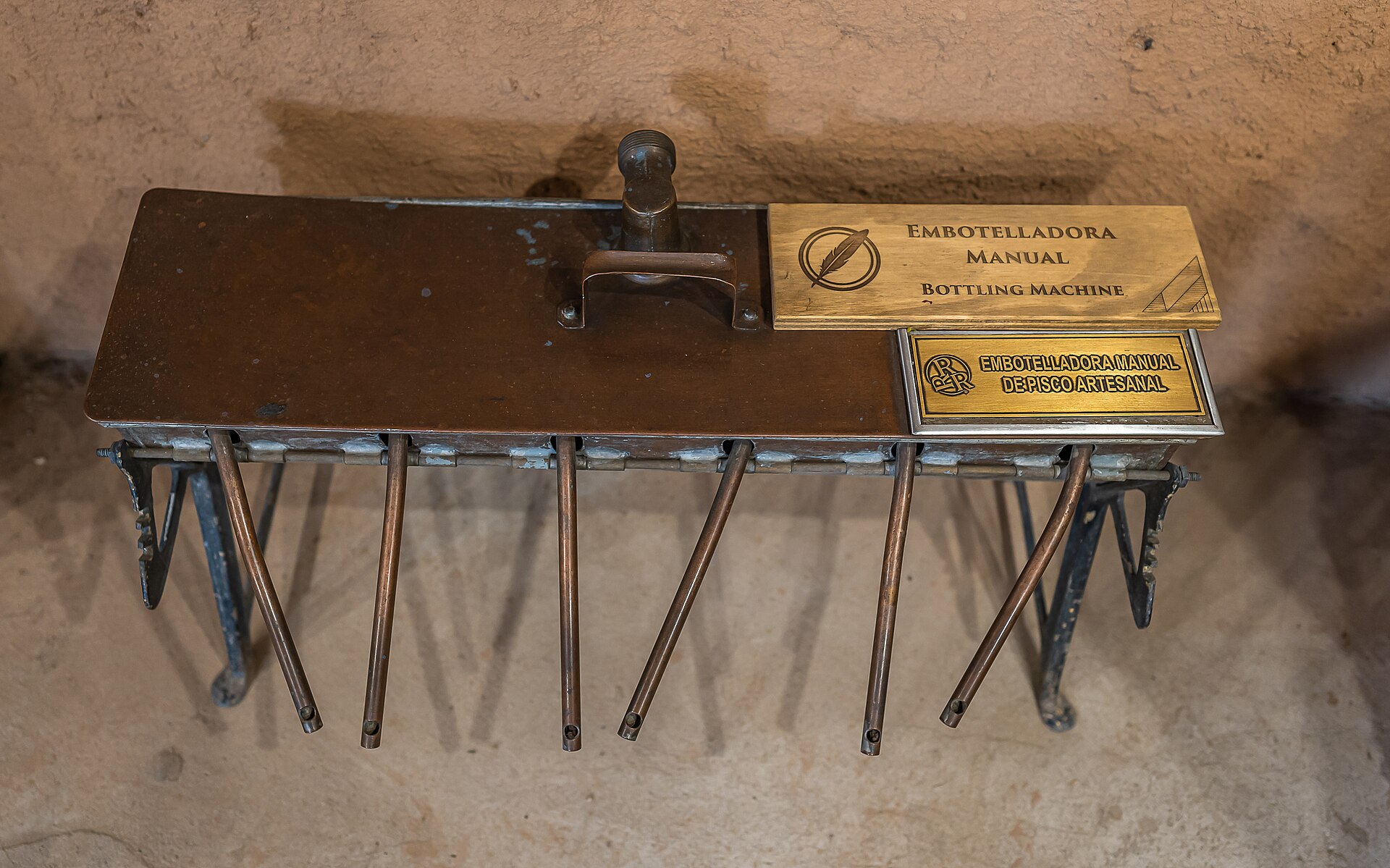
“Manual” filling and bottling equipment covers a spectrum from truly hand‑operated jigs to low‑automation bench‑top machines that still rely heavily on an operator. Typical examples include:
- Hand‑lever or foot‑pedal piston fillers for creams, gels, and pastes.
- Gravity fillers with simple valves for thin liquids like water, juice, or wine.
- Overflow or level fillers designed to handle foamy products such as beer or carbonated beverages.
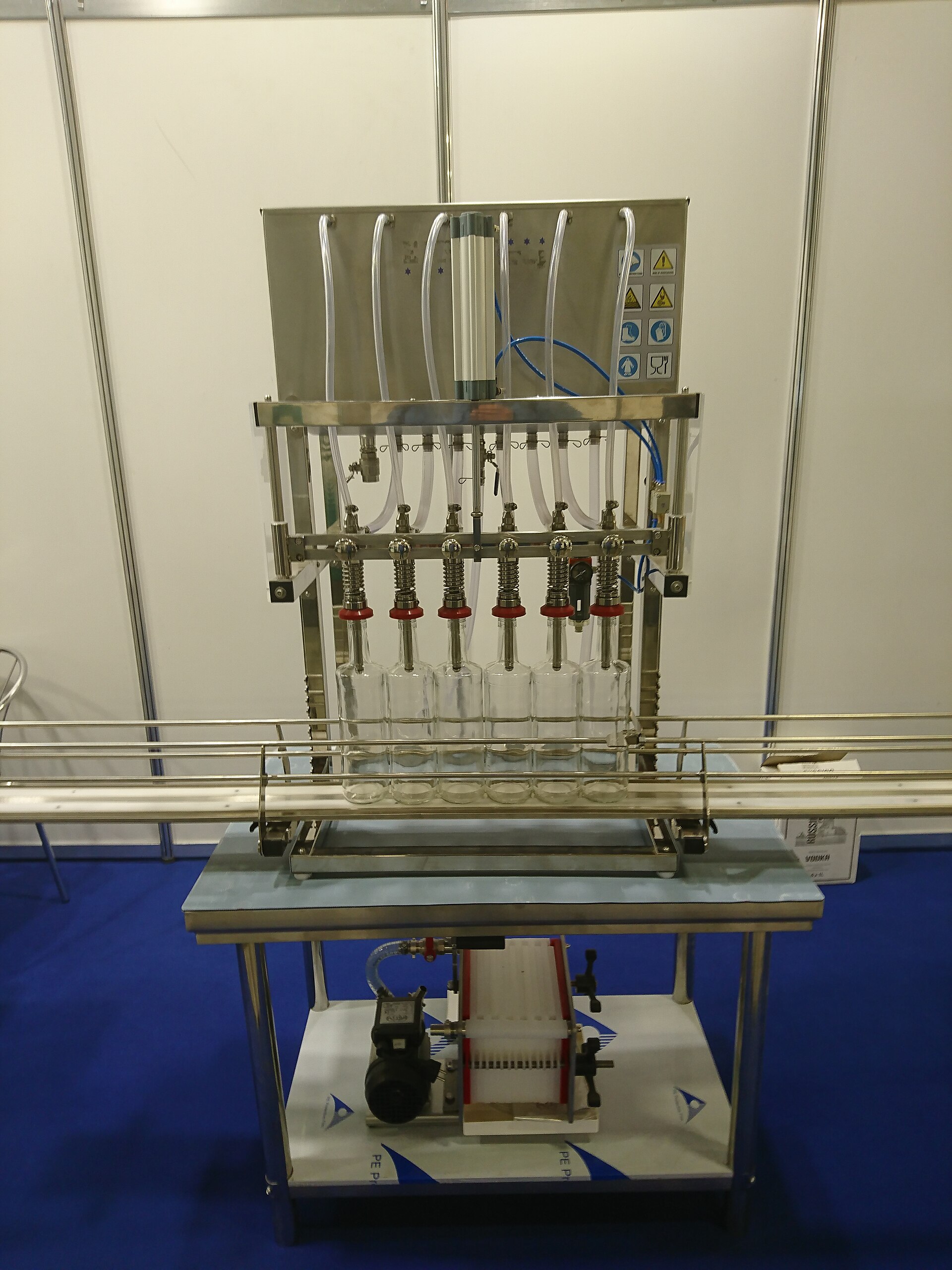
- Compact semi‑automatic units where the operator loads bottles and starts the cycle, but filling itself is controlled.
Industry explanations of manual vs automated filling highlight a clear trade‑off: manual setups have lower upfront cost and are more flexible for different bottle sizes, but they are slower, more labor‑intensive, and less scalable. Automated lines offer much higher speed and consistency, but require bigger investment, ongoing maintenance, and some technical training.
For a small cosmetics, food, or beverage brand, compare manual and semi-automatic equipment against a timed trial using the actual product and container. A basic manual filler may suit short or frequently changing runs. A semi-automatic unit becomes worth evaluating when measured operator time, repeatability or output is the bottleneck; do not select it from an assumed weekly-volume threshold.
The right type of machine depends heavily on viscosity and how the product behaves:
- Gravity fillers work well for thin, free‑flowing liquids (water, juice, wine) where you care about repeatable volume but don’t need to move thick material.
- Piston fillers are built for viscous creams, lotions, sauces, and pastes, where the piston positively displaces product into the bottle.
- Overflow fillers are good for foamy or carbonated products; they can fill to a consistent level and return excess foam back to a reservoir.
- Pump fillers can handle highly viscous or particulate products like chunky sauces or dressings.
Before you start contacting suppliers, be clear about which of those filling methods fits your product; a low‑cost gravity filler will frustrate you if you’re trying to run honey or thick shampoo through it.
Key Buying Criteria Before You Compare Suppliers
You’ll get a better comparison across channels if you lock down a few technical and commercial criteria first.
1. Capacity and bottle formats
Think in terms of bottles per hour and typical run size, not vague growth plans.
- How many bottles do you need to fill in a typical day or batch?
- What bottle volumes (e.g., 50 ml serum bottles vs 1 L juice bottles) and neck sizes are you using now and in the next 12-24 months?
Editorial guidance on small business filling machines stresses that the cost of a machine should be weighed against its capacity: a very cheap unit that only manages a few dozen bottles per hour may become a bottleneck quickly.
2. Product viscosity and filling method
Map your product to a filling method:
- Thin beverages and household cleaners → gravity or simple pump fillers.
- Viscous cosmetics or food pastes → piston fillers.
- Foamy drinks or soaps → overflow fillers.
- Sauces with particulates → pump‑based fillers sized for solids.
When you talk to suppliers, ask explicitly: “Which filling principle does this machine use, and which viscosities is it designed for?” That will immediately filter out generic sellers who can’t give a clear answer.
3. Fill accuracy and changeover flexibility
Accuracy matters for both regulatory compliance and customer trust.
- What tolerance can you accept (e.g., ±1-2 ml on a 50 ml cosmetic bottle vs ±5 ml on a 1 L cleaner)?
- How often will you change products or bottle sizes during a shift?
Manual and semi‑automatic piston machines are commonly used for accurate filling of small containers; they can be adjusted for different volumes. Small businesses are usually better served by equipment that allows quick volume adjustments and tooling to handle multiple bottle diameters.
4. Customization for bottle shapes and fill volumes
Customization isn’t just about branding — it’s about whether the machine can physically handle your packaging.
- Can the machine be adjusted for different heights, neck diameters, and shapes (cylinders, ovals, short jars)?
- Can you switch fill volumes without swapping out half the machine?
Industry advice calls out customization as a key factor for small businesses that run multiple SKUs. A machine with adjustable guides, height settings, and programmable doses will handle more variations without extra capital spend.
5. Ease of use and operator workload
Manual filling stations become a bottleneck if operators find them fiddly or tiring.
Look for:
- Clear controls and labeling on any semi‑automatic units.
- Simple cleaning and product changeover steps.
- Ergonomic layout, so operators aren’t constantly reaching or bending.
A user‑friendly interface and straightforward setup reduce training time and errors, which matters if you rely on a small team or seasonal staff.
6. Maintenance, sanitation, and safety
Even basic manual equipment needs structured maintenance and safety.
Focus on:
- Regular maintenance: How often does the supplier recommend checking seals, pistons, and valves? Are wear parts inexpensive and easy to swap?
- Sanitation: Can product‑contact parts be disassembled quickly for cleaning and meet your hygiene standards?
- Safety features: Mechanical guards, emergency stops on powered units, and clear operating instructions.
Editorial sources emphasize that maintenance and safety features are foundational for reliable operation; they’re not “nice‑to‑haves.” For cross‑border purchases, clarify in writing who is responsible for maintenance guidance and spare part availability.
Where to Find Reputable Manual Filling & Bottling Equipment Suppliers
Once your requirements are clear, you can narrow down channels. Each has different trade-offs for a UAE buyer importing equipment. Confirm the offered electrical configuration, documentation, shipping terms and local conformity obligations before comparing the final quotes.
| Sourcing channel | Typical offers for manual / small‑scale equipment | Support style | How you use it |
|---|---|---|---|
| Specialist manufacturers (e.g., E‑PAK Machinery) | Broad range of manual, semi‑automatic, and fully automatic liquid fillers, cappers, labelers; often configurable for different industries | Consultative; can discuss your product, recommend machine types, and sometimes offer installation and field service | Best if you want a tailored line and long‑term relationship; contact sales with your product specs and volume targets |
| Industrial directories (e.g., PMMI ProSource liquid fillers) | Listings of multiple suppliers offering gravity, piston, overflow, and manual/semi‑automatic fillers | Neutral hub; directory itself doesn’t sell machines, but lets you compare suppliers and click through | Good starting point to see the range of technologies and shortlist 3-5 manufacturers for quotes |
| Specialist distributors and integrators | Curated selection of compact filling lines and bench‑top equipment, sometimes bundled with cappers/labelers | Mix of consultative sales and catalog; may help configure a small line but with fewer custom engineering options than a manufacturer | Useful if you want a simple, small line with known brands and prefer a single point of contact |
| Large ecommerce marketplaces (e.g., Amazon bottling machines) | Many compact manual and bench‑top bottling machines aimed at small‑scale use; often generic brands | Transactional; you mainly rely on listing details, reviews, and seller Q&A rather than engineering support | Suitable for very small budgets or experimentation; verify specs, reviews, and return options carefully |
| Cross‑border marketplaces (e.g., DHgate) | Listings for small liquid filling machines and related accessories from various suppliers, including mini digital fillers and bottle tooling | Primarily listing‑based; support and customization depend on each seller | Consider for specific low‑cost or niche items once you’re comfortable evaluating overseas sellers and managing import risk |
A quick example: as of 2026-09-18, DHgate had a listing titled “Mini Liquid Filling Machine Electric Digital Control Filling Device Water Drink Perfume Juice Milk Small Bottle Jar Pump Packing” in its Health Pots category, priced in the roughly $144.30–$148.02 USD range from seller ddmyjan (view listing). Prices and availability change, but snapshots like this show how cross‑border marketplaces can provide inexpensive, compact gear — with the caveat that you must independently assess the seller, specifications, and any local compliance obligations.
How Channels Compare on Terms: Price, Customization, Support, and Risk
Different channels can sell similar‑looking equipment, but the contract reality is quite different.
Price and total landed cost
Manual and semi‑automatic machines have wide price ranges depending on type, capacity, and features.
- A specialist manufacturer may quote more upfront than a marketplace seller, but compare the actual scope: engineering review, documentation, commissioning, spare parts and later modifications are not automatically included in either offer.
- Low‑cost marketplace offers — like the VEVOR bottling machine discussed in a Beesource forum thread — can be attractive on upfront price, yet buyers in such threads are often trading off structured support and quality assurance.
When you compare quotes, factor in:
- Freight, duties, and customs brokerage for cross‑border equipment.
- Any required installation or training costs.
- Spare parts pricing and lead times.
A cheaper machine from a distant, transactional seller can become more expensive if you need frequent parts or troubleshooting.
Customization and future flexibility
Manufacturers and some integrators are more likely to offer:
- Custom nozzle sets for different bottle necks.
- Change parts for new formats.
- Software or mechanical adjustments to accommodate new fill volumes.
Marketplace sellers may list “customizable” machines, but the practical customization is often limited to simple parameter changes or optional accessories. If your brand roadmap includes new formats (e.g., moving from glass dropper bottles to plastic pumps and sprays), favor channels that can document and support those changes.
Training, maintenance, and after‑sales support
Editorial guidance stresses choosing suppliers with credible support. In practice:
- Specialist manufacturers like E‑PAK Machinery promote services such as technical support and field maintenance. That doesn’t guarantee a fit for every buyer, but it signals that long‑term operation is part of their value proposition.
- Distributors may handle basic training and warranty management but outsource deeper service.
- Marketplace support varies by listing and seller. Obtain the manual, training format, warranty scope, service contact and replacement-parts route in writing rather than inferring them from the channel.
For cross‑border purchases, insist on:
- A parts list with explicit part numbers.
- Recommended maintenance intervals.
- Contact paths for technical questions.
Risk profile and documentation
Manual filling equipment touches food safety, cosmetics quality, or chemical handling. The risk isn’t just mechanical — it can be regulatory.
Think about:
- Documentation: Can the supplier provide clear specifications, wiring diagrams for powered units, and material information for product‑contact parts?
- Compliance scope: Product category, workplace and import rules may create equipment or documentation requirements. Identify the rules that apply to the destination and intended use, then ask each supplier to map its documents to those requirements. A manufacturer or integrator’s experience is useful only when the offered evidence matches the exact machine.
- Operational risk: Manual machines demand more operator judgment. Automated systems reduce some human error but introduce technology risk and require maintenance discipline.
Industry commentary on manual vs automated filling frames manual systems as cost‑effective for small batches but limited in scalability and consistency. That’s fine if your brand intentionally stays small; less so if you plan to grow into contract manufacturing volumes.
Matching Channels to Buyer Profiles and Next Steps
No single sourcing path fits every small business. Here’s how different profiles typically align.
Profile 1: Micro brand with short, changing runs
You’re hand‑filling or using improvised tools, and your main goal is getting out of the sink and funnel stage.
- Equipment fit: A manual or low‑end semi‑automatic piston or gravity filler, sized to your viscosity, is usually enough.
- Best channels: Large marketplaces (for inexpensive bench‑top units) or specialist distributors who sell compact lines.
- Risk management: Use a timed product trial and record cleaning and changeover effort. Focus on ease of use and basic reliability rather than buying for hypothetical scale.
Profile 2: Growing SME constrained by operator time across multiple SKUs
You’re hitting labor limits and need predictable output.
- Equipment fit: Test semi-automatic fillers with controlled dosing, possibly paired with small cappers and labelers. Calculate the decision from observed throughput, usable fills, operator hours and downtime rather than a generic volume claim.
- Best channels: Direct manufacturers and industrial directories, where you can compare gravity, piston, overflow, and pump solutions and design a line that can grow with you.
- Key terms: Customization options, documented maintenance plans, spare parts, and the ability to integrate with future conveyors or labeling equipment.
Profile 3: Budget‑constrained buyer testing a new product
You’re not sure the product line will survive; you need to minimize sunk cost.
- Equipment fit: The cheapest workable manual or semi‑automatic unit that matches your product viscosity and bottle types, even if it’s not ideal long‑term.
- Best channels: Marketplaces like Amazon, and cross‑border platforms (DHgate and others) for specific low‑cost units or accessories — but only if you’re willing to vet sellers and handle potential quality variation.
- Key terms: Return windows, documented specs, and realistic expectations about support.
Practical next steps
Regardless of profile, your short plan should look like this:
For supporting DHgate context in this channel comparison, use Compare DHgate with AliExpress, Alibaba and Temu, What DHgate is and how the marketplace works, and Find wholesale suppliers on DHgate.
- Write a one‑page requirement brief: product types and viscosities, bottle formats, target bottles/hour, accuracy needs, and hygiene/safety constraints.
- Shortlist 3-5 suppliers: include at least one specialist manufacturer (via sites like E‑PAK Machinery), one or two suppliers found through PMMI ProSource, and one marketplace option if your budget is tight.
- Request quotes and clarifications: ask about filling method (gravity, piston, overflow, pump), real capacity, customization, spare parts access, and maintenance responsibilities.
- Compare on total value, not just price: weigh cost against capacity, labor savings, flexibility, and how much support you’ll realistically need.