
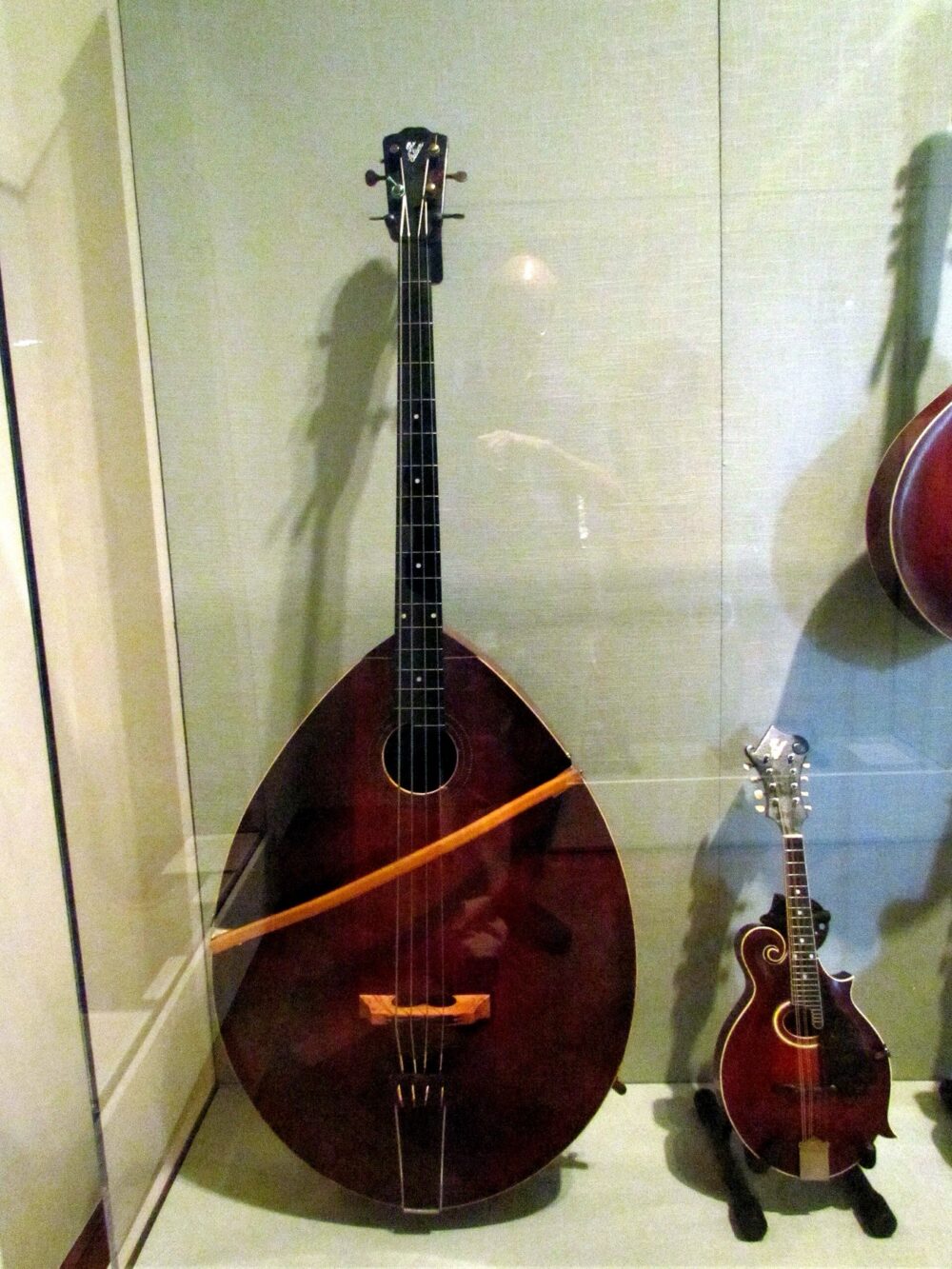
You can find F‑style mandolins on Amazon and, in more unique or vintage forms, on Etsy. The harder decision is whether an F‑style is actually the right instrument for you and which marketplace fits your budget and use case.
For many beginners and budget‑conscious players, an A‑style mandolin delivers the same tuning and similar scale length with simpler design and lower typical prices. F‑style models add ornate scrolls and points that appeal to bluegrass and stage aesthetics, and they tend to cost more and appear more in niche or higher‑end listings.
Once you decide which style fits your playing and your budget, Amazon’s broad catalog makes it easy to browse both A and F styles, while Etsy is more about one‑off handmade or vintage instruments from small builders. Beyond those, specialty mandolin shops and some cross‑border marketplaces are options if you’re sourcing inventory or chasing a particular look.
Mandolin Body Styles and Why They Matter
Most online mandolin style comparisons focus on two body shapes:
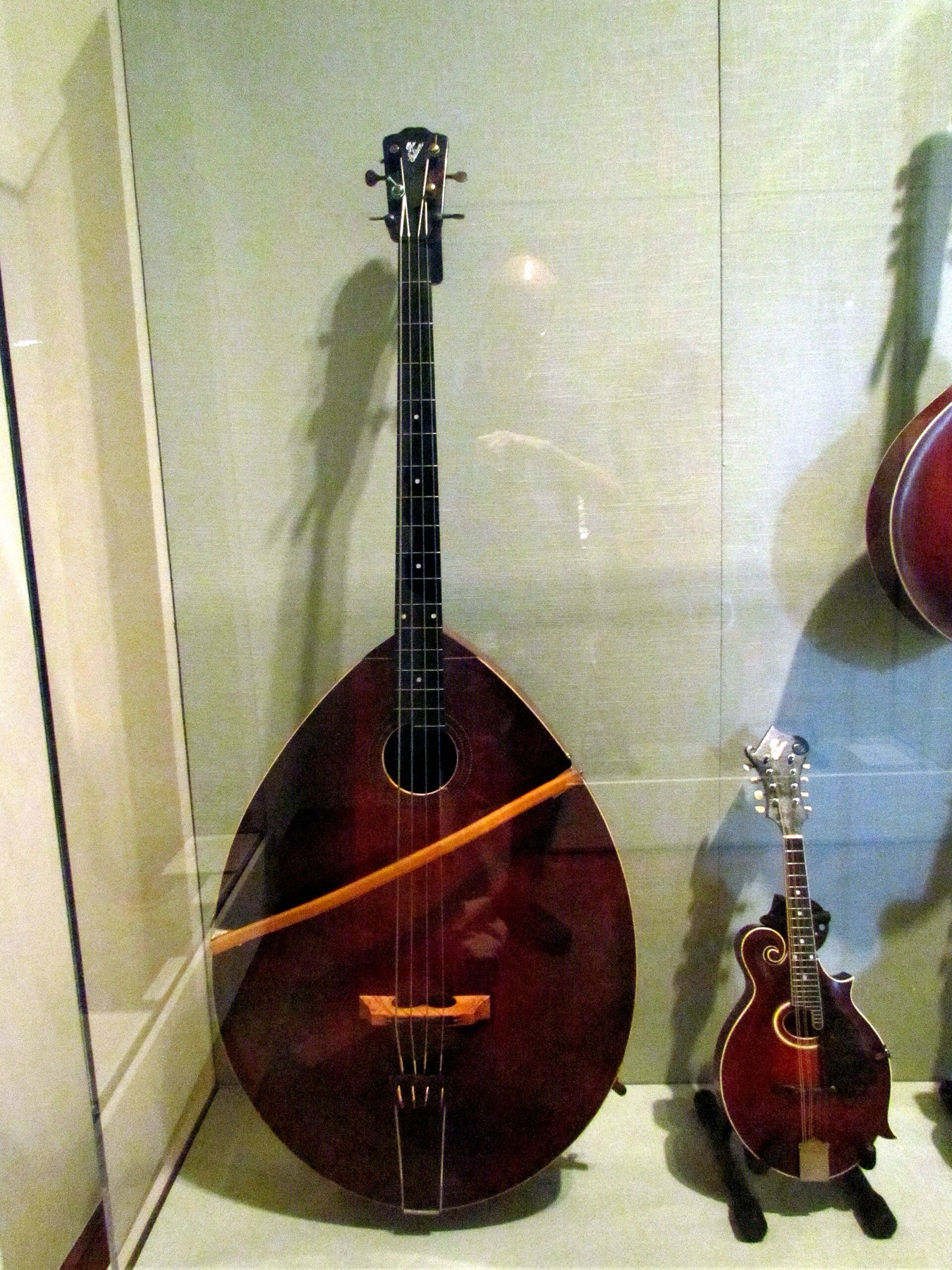
- A‑style – a teardrop or pear‑shaped body without a scroll.
- F‑style – more elaborate, with a carved scroll on the upper bass bout and sharp points on the lower bout.
Both styles share the same basic tuning (G–D–A–E) and similar scale length, so you’re not choosing between completely different instruments in a technical sense. You’re choosing a design that subtly affects tone and more noticeably affects price and genre fit.
In player comparisons, including A vs F demonstration videos such as the Ozark A‑style vs The Loar F‑style shootout on YouTube, you’ll often hear A‑style mandolins described as a bit simpler and more direct in tone: clear, straightforward, and visually understated. F‑style instruments, especially those aimed at bluegrass, are often built with a focus on projection and chop—they’re meant to punch through a mix when you’re playing rhythm on stage.
The builder’s choices (bracing, f‑holes vs oval holes, woods) matter as much as body shape, but the scroll and points are a strong visual cue for the bluegrass “look.”
Common guidance for new buyers is that an A‑style is the easier starting point. Entry‑level A‑styles are widely recommended because it’s usually simpler to get a playable, decent‑sounding instrument at a lower price when you’re not paying for extra carving and ornamentation. That doesn’t mean F‑styles are only for pros, but if you’re counting dollars and just learning, style‑neutral advice tends to favor A‑style first.
Here’s a compact way to think about the tradeoffs:
| Aspect | A‑style mandolin | F‑style mandolin |
|---|---|---|
| Body design | Plain teardrop, no scroll or points | Decorative scroll and sharp points on the body |
| Typical tone feel | Clear, straightforward, often warm | Often voiced to cut through in rhythm or ensemble playing |
| Visual vibe | Understated; fits folk and classical looks | Flashy; strongly associated with bluegrass stages |
| Common buying advice | Often suggested for beginners on a budget | Popular with advancing players and for stage presence |
| Price tendency | Easier to find solid budget options | Similar quality usually costs more due to extra carving |
Where Different Mandolin Styles Show Up Online
Once you know whether you’re leaning A or F, the next question is where those styles actually appear in online marketplaces and shops.
Amazon: Broad catalog with many F‑style options
Amazon keeps a regularly updated mandolin section in its musical instruments category. Its gift ideas and “most gifted” page for mandolins in the US shows F‑style models alongside A‑styles and accessories, which confirms that F‑style instruments are part of mainstream buying and gifting, not just niche boutique stock. You can see this mix of instruments on the mandolin gift‑ideas page at Amazon’s mandolin gift rankings.
General mandolin search results on Amazon show a mix of A‑style and F‑style acoustic mandolins at varied price points, including bundled beginner kits with tuners and stands. Some listings explicitly use “F‑Style Mandolin” in their titles, and others highlight materials like spruce tops or maple backs to attract shoppers who care about construction. A separate search view emphasizes “most purchased” or fast‑delivery items, but the key pattern is that both body styles appear together.
For US buyers who want to compare a lot of brands and styles quickly, this broad catalog makes Amazon practical. You can sort by popularity or gift rank to see which mandolins are getting attention around the research date, then narrow by body style and your budget.
Etsy: Handmade and vintage mandolin possibilities
Etsy’s positioning is different. As a marketplace for handcrafted goods and vintage items from small businesses, it tends to feature:
- One‑off handmade mandolins from individual builders.
- Vintage or restored mandolins with distinctive finishes or history.
- Customizable instruments where you can request inlays, colors, or pickguards.
Brand editorial about Etsy emphasizes that it is full of creative sellers making unique products and that buyers often go there specifically for distinctive designs and emerging styles. That doesn’t guarantee a large mandolin inventory at any moment, but if you care more about uniqueness than about choosing from dozens of mass‑produced listings, Etsy’s small‑shop focus can be a good match—especially when you want a visually distinctive F‑style or an ornate A‑style.
Niche mandolin and acoustic shops
Outside large marketplaces, specialty acoustic retailers and individual builders often cater directly to mandolin players. These channels typically:
- Carry higher‑end F‑style mandolins aimed at bluegrass and festival players.
- Offer detailed setup information and sometimes comparison videos of A vs F models.
- Allow in‑person trials if they have a physical storefront.
For advancing players, or for resellers who want a more curated instrument selection, these niche channels can matter more than the big platforms.
Matching Mandolin Style and Marketplace to Your Use Case
Different buyers should pair mandolin style and marketplace differently. Use these scenarios as a reality check rather than rigid rules.
Scenario 1: Beginner player on a tight budget
Style choice. Common advice for beginners is to start with an A‑style mandolin. Brand editorial on shopping for mandolins notes that A‑styles are typically easier to play and to obtain “reasonable quality sound” on a minimal budget, because you’re not paying for ornate carving.
Marketplace fit. Amazon is practical here. The mix of entry‑level A‑style kits, mid‑range instruments, and customer reviews gives you a quick sense of what other beginners are buying. You can glance at a few F‑style listings if you love the look, but prioritize:
- Comfortable neck and playable setup.
- Clear description of materials and basic hardware.
- Reviews that mention tuning stability and beginner use.
Scenario 2: Advancing player chasing a bluegrass look
Style choice. If you’re playing bluegrass regularly or want that classic stage aesthetic, an F‑style becomes more compelling. The scroll and points are part of the genre’s visual identity, and many performance‑oriented mandolins in bluegrass circles use F‑style designs.
Marketplace fit. A sensible sequence is:
- Browse Amazon’s mandolin section, including its mandolin gift‑rank page, to see current F‑style offerings and common materials.
- Note which brands and construction details (top wood, back and sides, hardware) show up repeatedly.
- Compare those against listings from specialty acoustic shops, where descriptions and sound samples are often more detailed.
That way you use Amazon’s broad catalog for a quick scan, then lean on niche shops for deeper evaluation and, if possible, in‑person testing.
Scenario 3: Small ecommerce seller sourcing inventory
If you run a small online shop and want to stock mandolins, your decisions shift from “What should I play?” to “What will my customers buy?”
Style mix. Carrying both A and F‑style instruments can help you cover entry‑level and aspirational buyers:
- A‑styles for first‑time or budget‑focused players.
- F‑styles positioned as visually striking upgrades, especially for bluegrass‑interested customers.
Marketplace sourcing. You might:
- Use domestic distributors or business‑focused channels on platforms like Amazon to source initial stock and test demand.
- Work with Etsy builders or vintage sellers if you want unique, story‑rich instruments that differentiate your catalog.
Cross‑border options. Cross‑border marketplaces such as DHgate list a wide range of musical instruments among many other product categories. If you explore that route for mandolins, treat it like any other wholesale‑style sourcing channel: research reviews carefully, look at seller history, and request detailed photos and specifications before committing to larger orders.
For a broader comparison of DHgate against other cross‑border marketplaces, including AliExpress, Alibaba, and Temu, you can consult DHgateWiki’s overview at DHgate vs AliExpress, Alibaba and Temu.
In all three scenarios, the key is to decide style first, then choose the marketplace that actually offers that style in your price and quality range. A‑style vs F‑style isn’t a technical wall—it’s a design and budget decision that shapes where you’ll find the best fit online.