
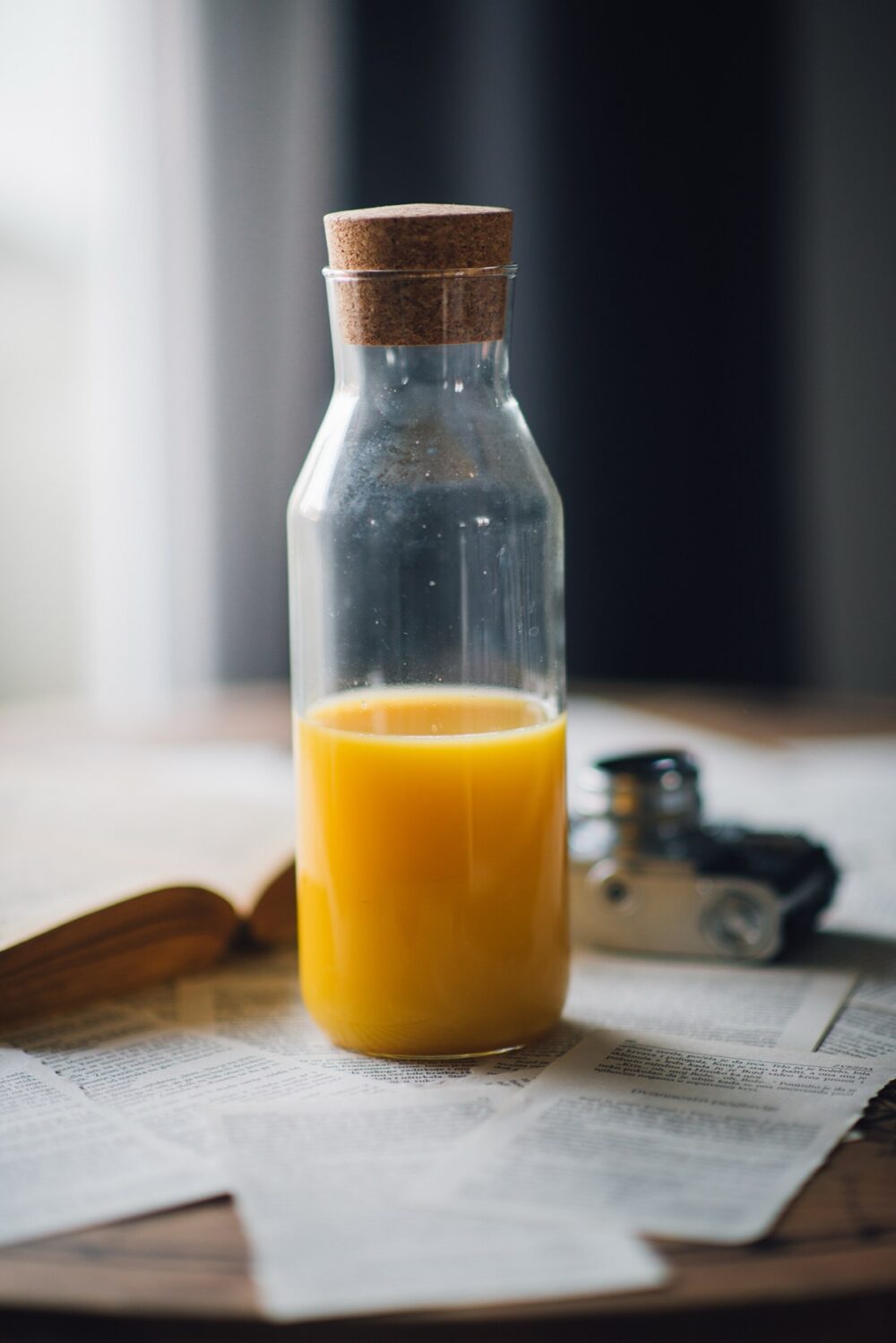
For small, fast, low‑risk orders of glass and juice bottles, US‑based Amazon listings and domestic distributors are usually better than DHgate. DHgate starts to look attractive when you’re ready to buy larger quantities, care more about per‑unit price or customization than speed, and can live with cross‑border complexity.
This guide focuses on where each channel—Amazon, DHgate, and US wholesale/importers—actually fits for glass and juice bottles similar to what you see on Amazon.
What Matters When Choosing a Channel for Glass and Juice Bottles
For US buyers and small juice brands, six factors drive the channel choice:
- Unit cost vs total order value
Amazon typically sells finished bottles in consumer packs. You might pay more per bottle but less overall because you’re only buying 4-24 units at a time. Cross‑border marketplaces like DHgate often show full‑order prices; the examples above run from about $11–$48 per order depending on design and quantity. The real question for you is: are you optimizing for the per‑bottle cost, or for keeping the cash outlay small?
- Order size and MOQs
Amazon is built for small, mixed orders. Domestic wholesalers tend to want cases or pallets. DHgate and similar B2B platforms often cater to buyers willing to buy in bulk, even if individual listings don’t show formal MOQs. Think through your next 3-6 months of bottle needs: is this 20 bottles for home or gifting, 200 for a farmers’ market launch, or thousands for a regional rollout?
- Speed and predictability
US‑fulfilled Amazon orders are usually about speed and predictability for consumers. Domestic wholesalers move by truck or parcel within the country. Cross‑border orders, including DHgate, often involve longer transit and more variability. If you’re launching a brand tied to a specific event date, that timing pressure matters as much as price.
- Customization and control
If you just need plain clear glass bottles to serve juice at home, finished Amazon products are fine. If you want printed logos, special cap colors or distinctive shapes (like boot‑shaped juice cups or cat‑bottle PET designs), you need more factory‑level control. That’s where platforms listing customizable products, such as DHgate’s custom 500 ml transparent juice cups, become relevant.
- Quality signals and reviews
Amazon often has hundreds or thousands of reviews on popular drinkware, which gives a lot of user feedback even if it’s imperfect. Domestic distributors rely more on sales reps and trade reputation. Cross‑border marketplaces can show reviews and ratings, but many bottle and drinkware listings—like several glass cup and juice mug listings visible on DHgate—have zero or very few reviews. You need to be comfortable making decisions with less feedback.
- Risk tolerance for food‑contact products
Juice bottles touch food and may be reused or washed frequently. You should be thinking about material descriptions, heat tolerance and any stated compliance claims, then verifying them with the seller or manufacturer where needed. That verification work is heavier for cross‑border sourcing than for grabbing a well‑known retail brand off Amazon.
How Amazon, DHgate, and Other Channels Stack Up
Here’s how the main options usually line up for Amazon‑style glass and juice bottles.
Snapshot of DHgate Glass and Juice Bottle Listings (2026-10-05)
Observed on 2026-10-05, DHgate shows a range of juice‑bottle and drinkware listings that give a sense of price bands and formats (prices and availability can change):
- 2L Glass Water/Juice Bottle – “2L Glass Water Bottles Large Capacity Transparent Milk Juice Cup Portable Leakproof Kettle” is listed in the Water Bottles category with an approximate range of $22.17–$38.41 per order from seller `jin10`.
2L glass water/juice bottle listing
- Milk‑Carton PET Juice Bottle – “Plastic Transparent Portable Milk Carton Water Square Juice Bottle Drinker” in Bar Tools shows about $16.61–$20.87 per order from seller `ddmycrazy`.
Milk‑carton plastic juice bottle listing
- Custom 500 ml Juice Bottle – “Custom 500 ml Colorful Transparent Juice Cups Portable Large Capacity Plastic Bottle Simple Advertising Cup Wholesale” in Water Bottles runs around $30.66–$31.45 per order from seller `dh910894064`, signaling small‑run customization options.
Custom 500 ml juice bottle listing
- 2 oz Bulk Plastic Liquid Bottles – “Water Bottles 2oz Plastic For Liquids Juice S With Caps Scale And Labels” in Water Bottles sits near $38.57–$39.56 per order from seller `bobogirlss`, showing small‑format bulk bottles.
2 oz plastic juice/liquid bottle listing
- Low‑Cost Glass Juice Cups – A “Bestseller Transparent Vertical Cold Cup Cups Juice Milk Drinkware” listing in Other Drinkware is roughly $11.47–$14.33 per order from `ddmytues`, illustrating low‑order pricing for glass drinkware.
Bestseller glass cold cup listing
These examples give you a rough sense: on DHgate, you’re usually looking at entire orders in the low‑double‑ to mid‑double‑digit price range, often covering multiple units.
Channel Comparison for Typical Juice Bottle Needs
| Channel type | Best for | Typical order size (editorial view) | Price feel from examples | Customization access |
|---|---|---|---|---|
| Amazon retail (US) | 4-24 finished bottles, fast for home or micro use | Small packs, 1-2 cases at most | Higher per bottle; total spend stays modest | Limited to what brands already offer |
| DHgate cross‑border B2B | Multi‑unit orders, distinctive shapes, some print | Dozens+ of units per order (varies by listing) | Whole orders often $11–$48 in examples | Direct listing of custom bottles/cups |
| US wholesale/importers | Ongoing supply, food‑service, repeat purchases | Cases/pallets; better for 100s–1000s | Negotiated; per unit often low in volume | Via supplier relationship, not self‑serve |
This table simplifies real variation but shows the pattern: Amazon is a small‑order, finished‑product channel; DHgate and similar platforms expose factory‑style products and custom options; domestic wholesale/import is about longer‑term, higher‑volume supply.
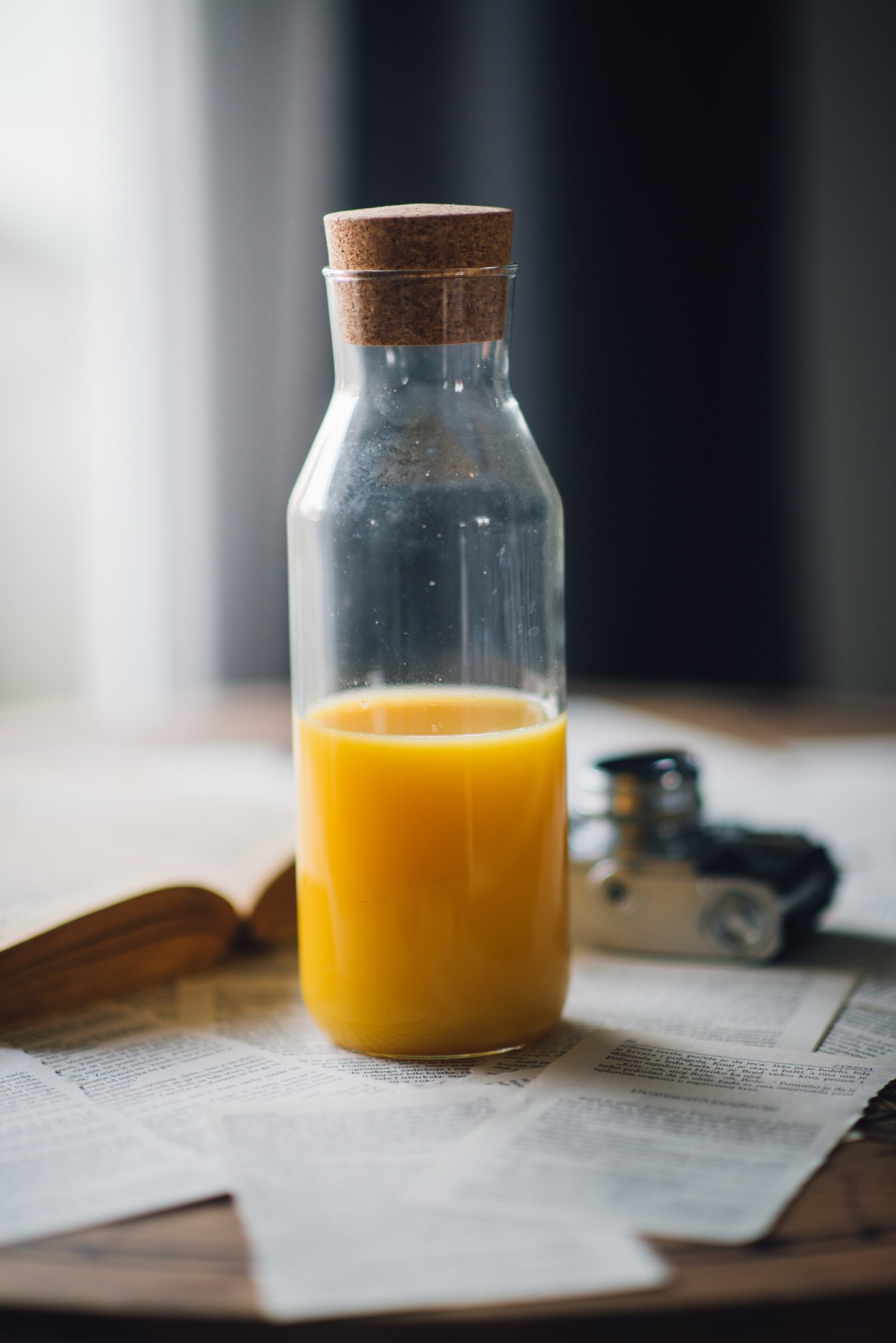
Query-time DHgate listing example
Observed on 2026-10-05, Glasses Cup Beer Coffee Milk Juice Cups Water Bottle Whiskey Glass Drinkware Cocktail Glasses Kitchen Drinkware Supplies J260616 appeared in Wine Glasses. This is a time-bound, illustrative listing example; availability and listing details may change. Compare the stated specifications and order a sample before considering a larger purchase.
Matching Channel to Order Size and Brand Plans (Where DHgate Fits)
For most US buyers, the right channel depends less on platform loyalty and more on what stage your juice idea is in.
Scenario 1: Personal Use or Tiny Side Project
You want a few attractive glass bottles for homemade juice, or 10-20 bottles for a one‑off event.
- Amazon wins: You can buy finished bottles with lots of reviews, get them quickly, and spend a small total amount.
- Domestic wholesale isn’t relevant unless you’re planning repeated events.
Scenario 2: Testing a Small Juice Brand (Farmers’ Markets, Local Cafés)
You’re thinking in the range of 50-300 bottles, want them to look branded or at least distinctive, and care about cost enough to notice the per‑unit price.
- Amazon is good for the first micro‑test: You can buy a couple of different styles, see what customers like, and avoid complex logistics.
- DHgate becomes interesting once you see traction:
- You might use a custom listing like the 500 ml transparent advertising juice bottle to get your logo on a mid‑size batch without commissioning full packaging from scratch.
- For smaller shots or sampler packs, the 2 oz plastic bottles with caps and labels show that bulk formats exist at roughly high‑$30s per order.
- Domestic wholesale/import may be viable if you prefer working with a local packaging supplier and are ready to commit to cases.
Scenario 3: Growing Brand Focused on Cost and Consistency
Once you’re planning ongoing production runs—say, 500+ bottles per quarter—the decision shifts again.
- Domestic wholesale/importers often become the main channel: You get consistent supply, buyer‑service teams, and potentially better control over regulatory documentation.
- DHgate can still play a role:
- For specialty formats (boot‑shaped glass cups, carton‑style PET bottles) or limited‑edition packaging, DHgate’s variety and pricing bands in the teens to $40s per order are attractive for design‑driven promotions.
- You might use DHgate to trial new shapes or suppliers before locking into a long‑term import relationship.
- Amazon is mostly a backup when you need emergency stock or consumer‑grade bottles in a pinch, not your core supply.
How to Evaluate DHgate Sellers Specifically for Bottles
Unlike Amazon’s heavy review ecosystem, many DHgate drinkware listings show few or no reviews. You’ll need to do more direct evaluation:
- Compare multiple listings in similar categories (Water Bottles, Other Drinkware, Wine Glasses) to see how pricing bands and descriptions differ.
- Look for sellers with multiple related products—like `ddmytues`, which appears on different glass cup listings—as a weak signal that they focus on drinkware.
- If you’re new to cross‑border sourcing, it can help to first understand how DHgate works as a marketplace and how it compares with alternatives like AliExpress and Alibaba via guides such as What DHgate is and how the marketplace works and Compare DHgate with AliExpress, Alibaba and Temu.
For buyers who later move beyond DHgate and Amazon and want deeper supplier relationships, resources like Find wholesale suppliers on DHgate can help translate what you’ve learned from listing‑level experiments into more structured sourcing.
In short: Amazon is your tool for fast, low‑volume glass and juice bottles; domestic wholesale is your long‑term backbone; DHgate sits in the middle, useful when you’re ready to chase lower per‑unit pricing, distinctive formats or small‑batch customization, and you’re prepared to handle the extra complexity that comes with cross‑border orders.