
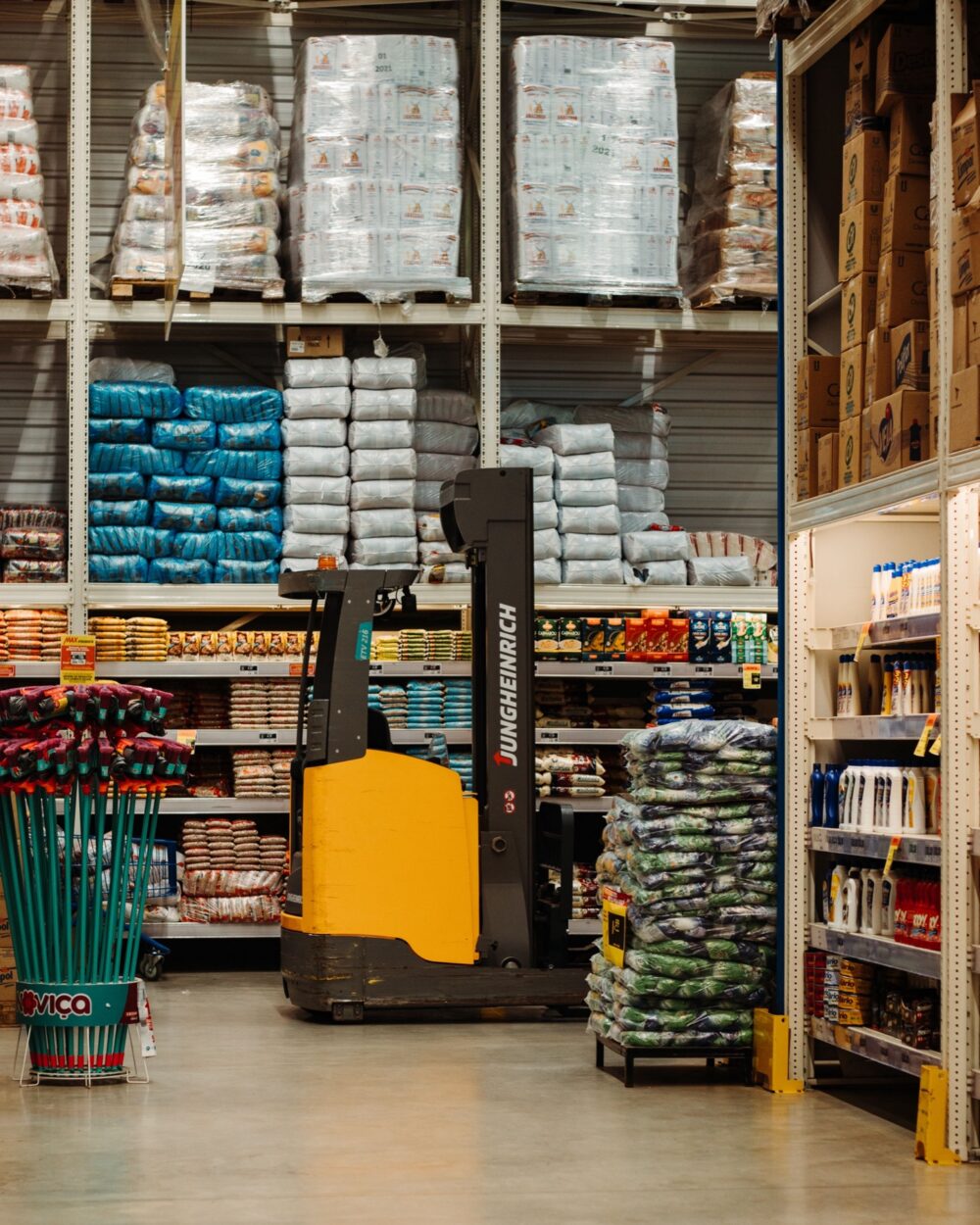
For most small US ecommerce buyers, DHgate works best as a low-MOQ testing and opportunistic-buying channel, not as your forever home for B2B sourcing. Its China-focused, product-centric marketplace model makes it relatively easy to place small wholesale or even single-piece trial orders; independent analysis has highlighted that niche as the natural fit for DHgate and similar open platforms. Once you move into larger, recurring orders or need tightly verified factories and regional coverage beyond China, higher-structure B2B marketplaces and non-marketplace channels like trade shows, directories, and sourcing agents usually give you more control.
This article walks through that choice. Instead of asking “Is DHgate better than Alibaba?” in the abstract, we’ll look at concrete buyer situations and show which channel type tends to fit — and where DHgate realistically sits in that mix.
How to Compare DHgate with Other B2B Sourcing Channels
Before you compare logos, you need a short list of dimensions that actually change your outcome as a US buyer.
Here are the ones that matter most for B2B wholesale and trade marketplaces:
- MOQ and typical order size
Are suppliers geared toward single-piece and micro-orders, or do they expect you to order hundreds or thousands of units? Open marketplaces like DHgate are often used for low-MOQ, small-batch orders, while higher-structure platforms and traditional channels skew toward bigger, recurring volumes.
- Product and region focus
Some marketplaces are essentially China import platforms. Others, like many US/EU wholesale marketplaces covered in industry lists from providers such as Shopify, curate brands within a region. If you’re sourcing generic electronics from China, you’ll face a different channel choice than if you want US-made home goods for fast wholesale replenishment.
Open, product-first marketplaces list many self-onboarded suppliers with varying checks. More structured B2B platforms and vetted directories place heavier emphasis on verified manufacturers and business documentation. That matters once you care about certifications, audits, or long-term contracts.
- Relationship depth and negotiation channel
Are you happy staying transactional — placing periodic orders from whichever listing looks good — or are you trying to lock in a multi-year manufacturing partner? Open B2B marketplaces are optimized for transactions; channels like trade shows, industry directories, and matchmaking services are built around relationships.
Keep this list in view as we talk about each channel. The goal isn’t to crown a winner; it’s to decide which mix makes sense at your current stage and product type.
What Different B2B Channels Offer: Marketplaces vs Trade-Focused Options
You can group most wholesale sourcing options into three buckets that behave very differently across those dimensions.
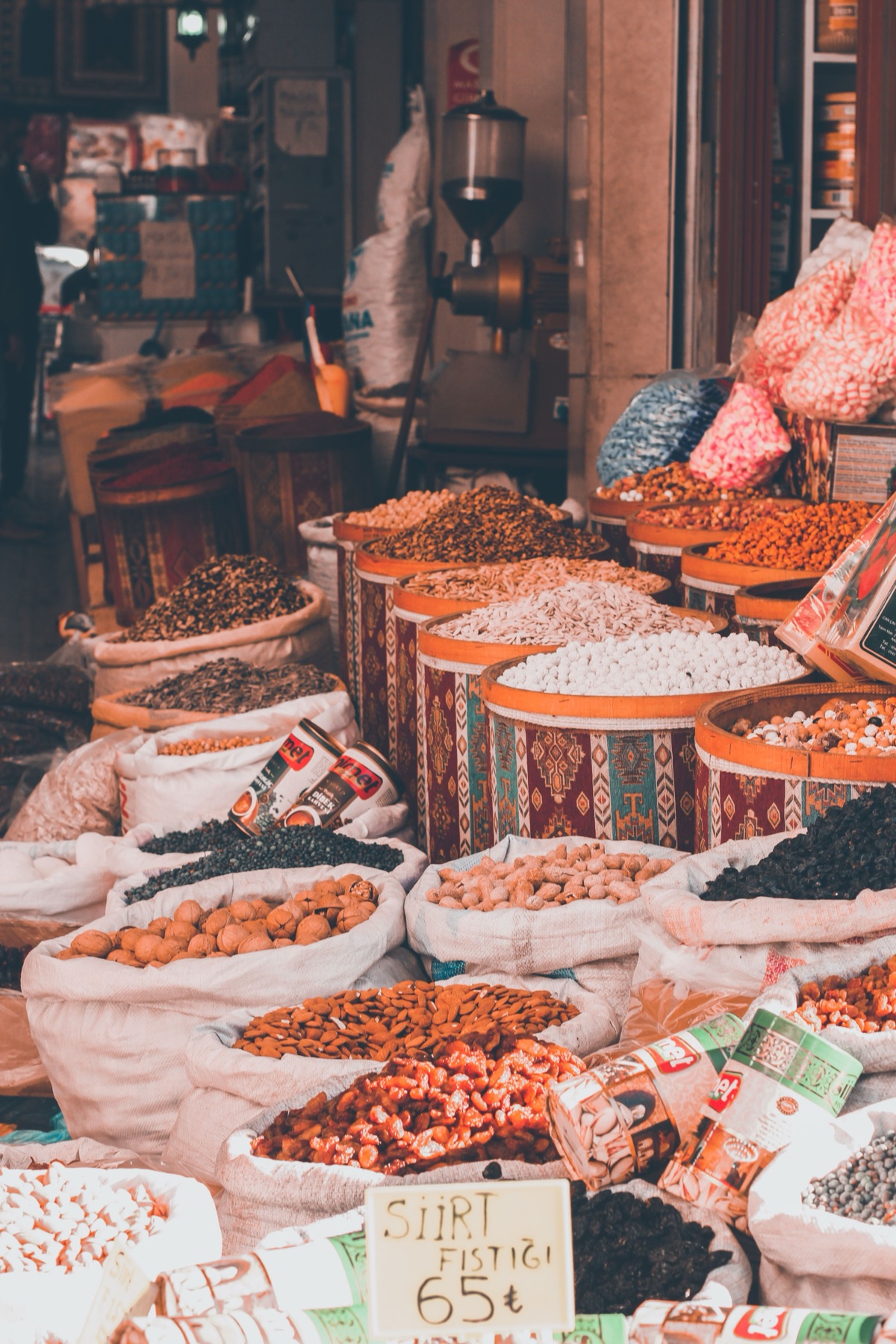
1. China-focused open B2B marketplaces (DHgate-style)
These are product-centric platforms where many Chinese suppliers list items at wholesale or near-wholesale prices. DHgate describes itself as a Beijing-based B2B online marketplace connecting small and medium Chinese suppliers with overseas buyers, with a strong emphasis on a product-style interface and competitively priced merchandise rather than a classic manufacturer directory.
Typical patterns:
- MOQ & order size: Often used for low-MOQ and even single-piece orders; third-party comparisons and user discussions consistently note that buyers lean on DHgate-like platforms for smaller quantities and test runs rather than truckload-level imports.
- Product focus: Wide spread across categories — clothing, accessories, electronics and more — often skewing toward unbranded or lightly branded goods.
- Use cases: Testing a new SKU, filling a small gap in inventory, or dropshipping small runs while you validate demand.
For a US Amazon or Shopify seller testing five variations of a gadget with a total budget under $1,000, this style of marketplace is often the fastest way to get samples and small initial batches without intensive vetting.
2. Global and regional B2B marketplaces
These platforms behave more like digital trade shows. Industry roundups from companies like Shopify and WizCommerce highlight a mix of global giants such as Alibaba alongside regional wholesale marketplaces like Faire, Amazon Business, and niche sector platforms.
Patterns you tend to see:
- MOQ & order size: Alibaba, for example, is consistently described in independent comparisons as more oriented toward larger-volume procurement. Suppliers often expect you to negotiate full production runs rather than micro-orders. Regional marketplaces like Faire and Amazon Business may allow smaller case packs, but they still assume you’re buying wholesale quantities.
- Region & product focus:
- Global platforms: heavy presence of Chinese and other Asian manufacturers across many industrial and consumer categories.
- Regional platforms: focus on stocking retailers with brands located in the same region (e.g., US brands selling to US stores), often with more emphasis on branded, finished goods than custom manufacturing.
- Verification and structure: Many regional platforms vet brands before listing and impose specific wholesale terms. Global platforms may offer tiers of verification (e.g., “verified supplier” concepts), though this varies.
- Use cases: Scaling a proven SKU into larger recurring orders; finding regional brands for retail; sourcing categories like fashion, beauty, and home where you need reliable, repeatable wholesale relationships.
These marketplaces suit you once your monthly reorder quantities and compliance obligations start to justify more structured supplier relationships.
3. Directories, trade shows, and sourcing agents
These aren’t marketplaces in the strict sense, but they compete for the same budget and time.
- Directories list manufacturers and exporters, often with verification levels and filters by certification or capability. You leave the directory to negotiate directly with factories.
- Trade shows (in China, the US, and elsewhere) bring suppliers and buyers together physically or virtually. You can see multiple suppliers’ products, negotiate, and sometimes tour factories.
- Sourcing agents/matchmaking tools help you define requirements and then match you with vetted factories; some independent tools pitch themselves explicitly as alternatives for manufacturers who have outgrown low-MOQ marketplaces.
Patterns:
- MOQ & order size: Typically higher. These channels assume you are at least exploring ongoing manufacturing relationships or bulk purchases.
- Verification: Greater emphasis on company-level verification, factory tours, documentation review, and compliance. You do more of the work upfront.
- Use cases: Launching a private-label product line, switching factories, or entering a new category where safety and regulatory compliance are critical.
For small ecommerce businesses, these channels often become relevant after you’ve already validated demand through more flexible marketplaces.
Quick channel-type snapshot
| Channel type | Typical MOQ / order size | Best for | Trade-off |
|---|---|---|---|
| China-focused open marketplace (e.g., Cross-border multi-seller-style) | Very low to small-batch | Testing SKUs, micro-orders | Less standardized verification |
| Global B2B marketplace (e.g., Alibaba) | Medium to high | Larger recurring procurement | More negotiation, higher MOQs |
| Regional B2B marketplace (US/EU) | Small to medium wholesale | Stocking with regional brands | Higher landed cost vs China |
| Directories / trade shows / agents | Medium to very high | Long-term factory relationships | More upfront time and travel cost |
This is simplified, but it frames how DHgate and similar platforms sit relative to your other options.
DHgate vs Other B2B Marketplaces on Key Buyer Dimensions
Within online marketplaces alone, the main comparison most US buyers consider is DHgate vs Alibaba-style platforms vs regional B2B marketplaces.
MOQ and order size: small-batch vs bulk
Alibaba sellers, by contrast, often expect negotiations around larger production runs and recurring orders, even if they will technically accept smaller test batches. Regional US/EU wholesale platforms sit in the middle: they usually sell in case packs, but you’re buying finished branded goods rather than custom production.
Implication for you:
- If you’re testing three new SKUs with 10-30 units each, a DHgate-style marketplace often fits your budget and risk tolerance better than Alibaba.
- If you already know you’ll reorder hundreds or thousands of units monthly, negotiating via Alibaba or a regional marketplace gives you more leverage and more consistent terms than repeatedly placing small DHgate orders.
Product and region focus
- DHgate and similar platforms: Strongly oriented toward Chinese-made products across many categories, including apparel and electronics. DHgate’s own blog highlights this breadth and emphasizes affordability and low capital entry for categories like clothing and accessories.
- Alibaba: Also heavily China-centric for manufacturing, but with a broader industrial and raw-materials footprint and more emphasis on connecting directly with manufacturers rather than just wholesalers and traders.
- US/EU regional marketplaces (e.g., Faire, Amazon Business, others highlighted by Shopify and WizCommerce): Focused on branded goods and wholesale relationships within those regions. Better for retailers who want fast replenishment and marketing-friendly brands rather than custom manufacturing.
Verification, structure, and relationship-building
Open marketplaces like DHgate and many AliExpress-style platforms are designed around product listings and price transparency more than around long-term contracts. DHgate describes its own interface as product-centric and beginner-friendly, which is attractive when you’re just getting started.
Higher-structure marketplaces and traditional channels, however, give you more tools for deep verification and relationship-building:
- On Alibaba and similar platforms, there is a stronger concept of verified factories, third-party inspections, and formal contracts, even if you still need to do your own diligence.
- Regional marketplaces vet brands before listing and often standardize wholesale terms and invoicing.
- Directories, trade shows, and sourcing tools push you toward direct factory relationships, which is what independent editorial like GTsetu flags as the “next step” once you outgrow purely transactional marketplace orders.
For US buyers, that means DHgate can be your training ground for working with overseas suppliers, but it shouldn’t be your sole channel once your brand relies on consistent production and compliance.
Matching Channels to Buyer Scenarios: From Test Orders to Long-Term Supply
Translating those patterns into your actual decisions is where this comparison becomes useful. Here are realistic scenarios for small ecommerce businesses and which channels usually fit best.
Scenario 1: You’re testing 3-5 new SKUs under $1,000 total
Example: You run a small Amazon FBA or Shopify store and want to test three styles of fashion accessories and two small electronics gadgets. You’re not sure which will sell.
- Good fit: DHgate-style open marketplaces and similar low-MOQ platforms.
- You can order small quantities or even single pieces.
- You can diversify across several suppliers without long negotiations.
- Channel you probably don’t need yet: Directories, trade shows, or long flights to visit factories.
In this scenario, DHgate is often not just viable but efficient: you reduce upfront commitment and see real-world demand before investing in bigger runs.
Scenario 2: One SKU is a winner and you need reliable recurring orders
Example: One of your test gadgets sells through every month. You’re now ordering 200+ units per cycle and thinking about custom packaging or minor tweaks.
- Best mix:
- Keep using DHgate (or similar) in the short term for continuity if the supplier is working for you.
- In parallel, explore Alibaba or another global B2B marketplace for factory-level relationships that can offer better pricing and more control at higher volumes.
- Why shift: Independent editorial comparisons emphasize that higher-volume deals expose the limits of open marketplaces — from verification to dispute handling — because they’re structurally optimized for transactional orders, not manufacturing partnerships.
Here, DHgate becomes your “bridge” channel while you qualify longer-term options elsewhere.
Scenario 3: You’re building a private-label line in a regulated category
Example: You want your own brand of small electronics or children’s products, selling in the US and possibly the EU, which brings safety and certification requirements.
- Good fit:
- Alibaba-style global B2B marketplaces to identify factories with the right certifications.
- Directories and trade shows where you can review documentation and relationships.
- Sourcing agents or matching tools if you lack in-house sourcing expertise.
- Limited fit: DHgate and similar open marketplaces can still be useful for early prototypes or accessory items, but relying on product-centric listings alone is risky once compliance becomes central to your business.
In this scenario, DHgate is a secondary tool, not your primary sourcing backbone.
Scenario 4: You’re a US retailer stocking regional brands
Example: You operate a small brick-and-mortar shop or online boutique and want US or EU brands that ship quickly and come with marketing assets.
- Good fit: US/EU marketplaces like those highlighted in Shopify’s B2B lists and WizCommerce’s overviews.
These platforms specialize in connecting retailers with regional brands on wholesale terms.
- Low fit: DHgate, Alibaba, or other China-focused platforms, unless you’re deliberately positioning around imported generic goods.
Here, DHgate is outside your core strategy; it may only play a role if you add a small import section to your assortment.
Where DHgate Fits in a B2B Sourcing Stack—and Its Limits
Putting all this together, DHgate is best thought of as one tool in a staged sourcing stack, not the default for every wholesale decision.
Where DHgate adds the most value for US small ecommerce buyers:
- Low-MOQ experimentation: Independent coverage and anecdotal buyer discussions consistently place DHgate in the “small-batch and single-piece wholesale” niche. That’s ideal when you’re learning which SKUs and suppliers work for your audience.
- Product discovery within China: DHgate’s own editorial positions the platform as a China-focused B2B marketplace with a product-centric interface and broad category coverage, especially in apparel and electronics. If you want to explore what Chinese suppliers are offering without diving straight into factory talks, it’s a practical entry point.
- Mixed B2B/B2C behavior: DHgate’s content emphasizes that it serves both business and consumer buyers, which lines up with how many small ecommerce operators actually use it: sometimes for small wholesale orders, sometimes almost like a consumer marketplace when testing a single unit.
Where DHgate is usually the wrong primary channel:
- High-volume, long-term manufacturing deals: Editorial analyses such as GTsetu’s discussion of DHgate alternatives point out that open marketplaces, including DHgate, have structural limits when you move into verified long-term supply relationships. At that stage, you benefit more from Alibaba-style platforms, directories, trade shows, or agents.
- Region-first sourcing strategies: If your brand promise revolves around US or EU-made goods, regional B2B marketplaces and domestic distributors matter more than a China-focused platform like DHgate.
A realistic path for many US small ecommerce businesses looks like this:
- Start with DHgate or similar low-MOQ marketplaces to test products and learn the basics of cross-border buying with minimal capital.
- Layer in Alibaba or regional B2B marketplaces when your order sizes and repetition justify deeper negotiation and verification.
- Graduate to directories, trade shows, or sourcing/matchmaking tools once your business depends on stable factory relationships and compliance.
Used this way, DHgate is neither a silver bullet nor a mistake; it’s a practical early-stage channel in a broader B2B sourcing strategy that grows with your business rather than locking you into a single platform.