
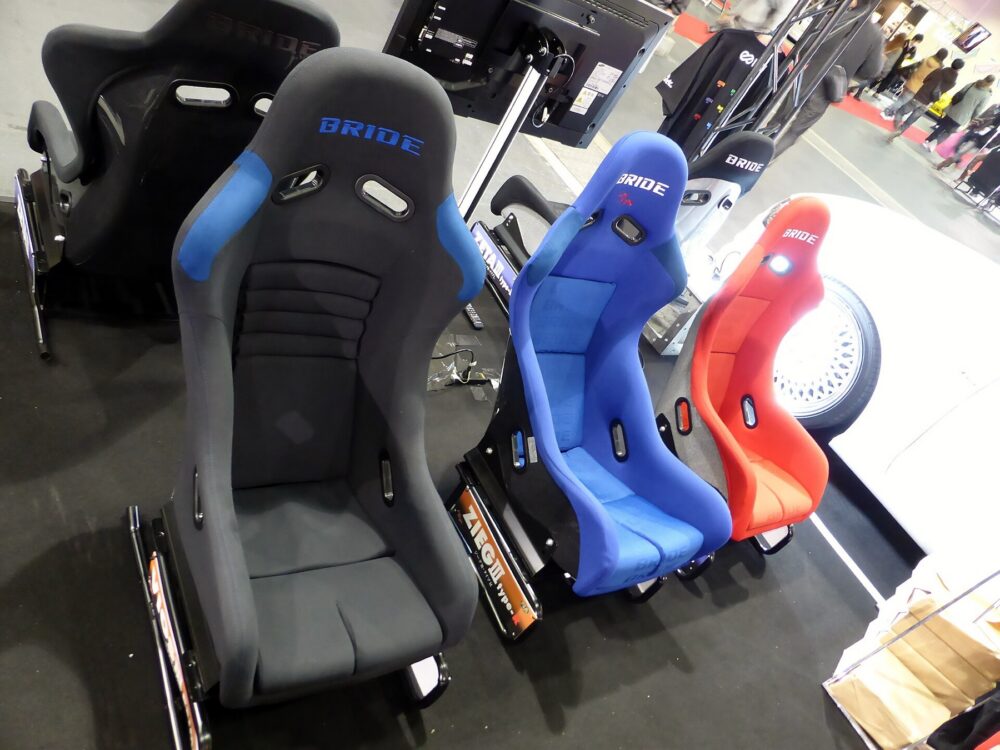
For racing and bucket seats, most US buyers are better off with Amazon and specialist racing-seat vendors. Those channels carry known brands, clearly listed certifications, and vehicle-specific fitment hardware. DHgate and similar cross‑border marketplaces skew toward racing-themed accessories and generic seat-like products; they rarely provide the kind of certification and liability backing you want for a real car build. DHgate can still be useful for bulk accessories or non-safety setups (sim rigs, decor), but it is not usually the best source for the primary seats in a track car or street vehicle.
If you’re deciding where to buy, start with what kind of “seat” you actually need: something you’ll strap into at 100 mph, or something that just needs to look racey.
What actually matters when choosing racing and bucket seats
Racing and bucket seats cover a wide spectrum: FIA-homologated shells for pro motorsport, fixed-back street seats, budget bolt-ins, and purely cosmetic gaming or office chairs. Before choosing a marketplace, you need to be clear on a few seat-specific factors:
- Safety and certification
For any seat that goes into a real vehicle, safety is non‑negotiable. Motorsports organizations often require seats with certifications like FIA or SFI, and serious street builds lean on brands that test for crash loads and belt compatibility. On a generic cross‑border listing, you may see phrases like “racing style” or “sport seat” without any verifiable standard—fine for a sim rig, risky for a car.
- Fitment and hardware
Real racing seats need to fit both the driver and the chassis. That means compatible side mounts or sliders, adapters for specific makes/models, and belt pass‑throughs that match your harness. Amazon and specialist racing retailers usually bundle or clearly link mounts by vehicle. Cross‑border sites often sell the seat shell alone, with no guarantee it will bolt up to a Miata, Mustang, or Civic without custom fabrication.
- Use‑case: serious build vs cosmetic or gaming setup
A track‑day or cage-equipped car carries very different risk from a gaming chair or themed office seat. For sim racing, you can treat “racing bucket” as furniture. For a track car, you’re trusting that seat with your spine. Treat these as completely different shopping problems.
- Price versus liability
Cheap seats are tempting, especially when you see two “racing buckets” for less than a single name‑brand shell. But if a non‑certified seat fails in a crash, you’re dealing with injury risk and potential insurance or legal questions. That trade‑off is less relevant for a sim rig, which is why cross‑border channels make more sense in that lane.
- One‑off purchase vs inventory sourcing
There’s also a difference between buying one seat for your personal car and sourcing a pallet of racing-themed items for resale. Retail-focused platforms tend to be better for one-off, safety‑critical hardware. Cross‑border marketplaces lean toward bulk orders and themed accessories.
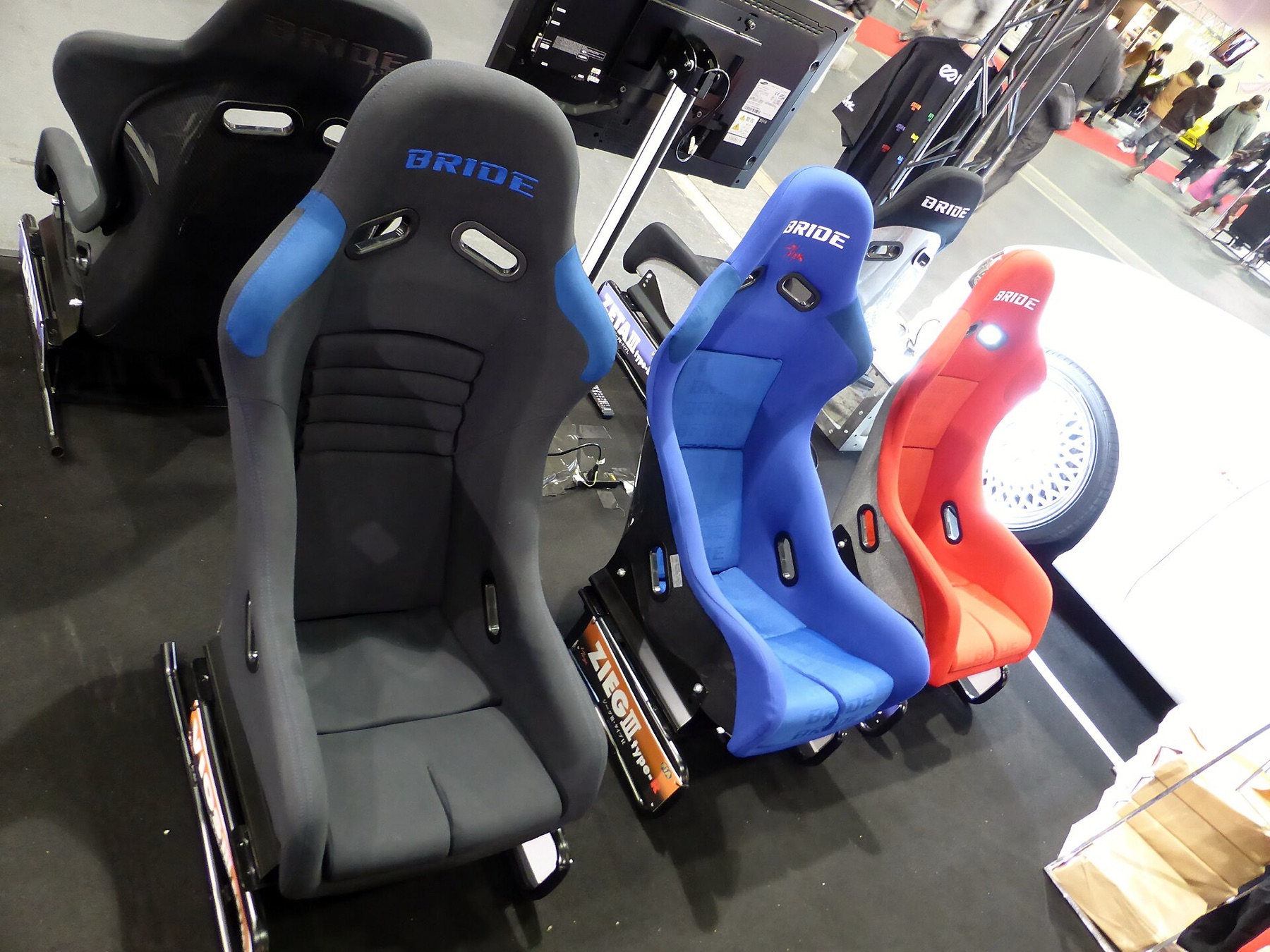
How Amazon, DHgate, and other channels differ for racing seats
Different marketplaces play different roles for racing and bucket seats. Here’s a high‑level comparison based on how they actually tend to be used.
| Channel type | Typical role for racing/bucket seats or related items | Price feel (editorial) | Certification/fitment clarity | Best suited buyer |
|---|---|---|---|---|
| Amazon | Retail source for brand‑name street/track seats and some budget “racing style” seats | Often higher than cross‑border for known brands; broad range | Relatively clear: brand, model, and user reviews help, but still varies by seller | Individual car owners upgrading one vehicle; some small resellers reselling retail boxes |
| DHgate | Cross‑border marketplace with racing‑themed accessories, gaming/office seats, and occasional seat‑like products | Marketed as competitive versus retail, especially for bulk direct‑from‑supplier buys | Often limited: listings may emphasize style and price more than standards or vehicle‑specific fitment | Small ecommerce sellers sourcing bulk themed accessories or non‑vehicle seats; budget sim builders |
| Specialist racing vendors (motorsport-focused retailers) | Focused catalog of tested racing seats, harnesses, and mounts | Typically premium pricing; occasional discounts via sales or programs | Strong: detailed spec sheets, clear FIA/SFI notes, vehicle mount guides | Track‑day drivers, club racers, safety-conscious enthusiasts |
| Local parts chains (big‑box auto stores) | Limited selection of sport seats, often mid‑tier brands | Mid‑range pricing, sometimes higher than online | Moderate: store staff and in‑person inspection help, but product range is narrower | Casual modifiers who want to see the seat before buying |
DHgate’s own race‑car accessories editorial leans heavily on non‑seat items—radar detectors, phone mounts, vacuums, wash kits—which reinforces the reality that it focuses on accessories around the car, not the core safety hardware inside it. Similarly, DHgate’s portable car seat marketing talks about wide selection and competitive pricing, but does not promise anything about US safety certification or crash testing.
Amazon, by contrast, is structured around finished retail products. For racing and bucket seats you’ll typically see:
- recognizable brands and model names,
- a mix of budget and mid‑range “racing style” seats and genuine motorsport shells,
- extensive user reviews that at least hint at real‑world fitment and comfort.
Specialist vendors add another layer: tech diagrams for shell dimensions, clear homologation notes, and vehicle‑specific mounting kits. Those are hard to replicate via generic cross‑border listings.
DHgate’s broader marketplace positioning against Amazon and eBay highlights competitive pricing and direct supplier relationships, especially around big events like Black Friday, as described in DHgate’s own comparison of platforms in its Black Friday editorial. That can matter for bulk accessory sourcing, but it doesn’t turn generic “racing-style” seats into tested safety equipment.
Query-time DHgate listing example
Observed on 2026-09-29, Universal Motorcycle Waterproof Racing Race Helmet Travel Bags Suitcase Saddlebags Back Seat Bag For BMW KAWASAKI YAMAHA Honda appeared in Shoulder Bags. This is a time-bound, illustrative listing example; availability and listing details may change. Compare the stated specifications and order a sample before considering a larger purchase.
When DHgate makes sense—and when to stick with Amazon or specialists
The right platform depends heavily on your scenario. Here’s how the decision usually shakes out for US buyers and small ecommerce businesses.
Hobbyist track‑day or street‑performance builds
If the seat is going into a car you drive at speed, Amazon and specialist racing vendors are the realistic options. You’re looking for:
- documented certification (FIA, SFI) where required by your series,
- clear compatibility with your chassis and harness setup,
- some trail of brand accountability if a product is recalled or updated.
DHgate’s mix of generic racing‑style products and limited spec detail makes it a poor fit for this scenario. The potential liability and safety risk outweigh any price savings.
If you want a deeper look at how Amazon’s seat options compare on price and quality specifically, that comparison is covered in more detail on a separate page about Amazon racing and bucket seats.
Sim rigs, gaming setups, and themed office chairs
For a sim rig or office build, your risk profile changes. Comfort, aesthetics, and price matter more than crash performance. In this lane:
- Amazon offers a huge range of gaming chairs and “racing-style” office buckets, often with fast delivery and straightforward retail buying.
- DHgate and other cross‑border marketplaces can undercut retail pricing for bulk or less branded options, especially if you’re willing to wait longer and don’t need a well‑known logo.
If your priority is one or two chairs for personal use, Amazon’s retail focus usually feels simpler. If you’re a small business furnishing a gaming café or selling themed office chairs, DHgate’s direct‑from‑supplier, bulk‑friendly model can make sense—just treat these as furniture, not as automotive safety gear.
Small ecommerce sellers and resellers
For resellers, the question is less “Which seat for my car?” and more “Which platform helps me build margin and reliable supply?” Here’s a practical split:
- Re-selling branded racing seats and hardware: Amazon or specialist distributors are safer. You get established brands and predictable specifications, which matters when customers bolt these into real vehicles.
- Selling racing‑themed accessories and decor: DHgate shines here. Its catalog and blog content emphasize items like car organizers, phone mounts, dash‑cam brackets, and race‑car gift toys—products where style and price matter more than certification. Buying in bulk from suppliers can give you room for margin in your own storefront.
If your store markets anything as suitable for real automotive use (e.g., “track‑ready bucket seat”), avoid sourcing generic or unverified seats through cross‑border marketplaces; you’re taking on both customer safety risk and potential legal exposure.
If you want to understand DHgate’s broader fit for auto accessories versus other retail apps, there’s a separate comparison of DHgate and Temu for auto and car accessories that goes into that channel-level detail.
Budget accessorizer who just wants the look
If you want your daily driver to “feel more like a track car” but aren’t actually tracking it, you’re in a gray zone. Swapping to a non‑certified bucket seat can still affect how your factory belts work and how you fare in a crash.
From a risk‑aware perspective:
- cheap steering wheels, pedal covers, and trim pieces are viable cross‑border purchases,
- core restraint components—seats, belts, airbags—are better sourced through channels where specs and liability are clearer.
DHgate is reasonable for the cosmetic layer (from race‑car gifts to phone mounts, as its own editorial highlights). For the seat itself, Amazon’s brand filters and specialist vendors’ spec sheets are the safer choice.
For supporting DHgate context in this channel comparison, use Compare DHgate with AliExpress, Alibaba and Temu, What DHgate is and how the marketplace works, and Find wholesale suppliers on DHgate.
If you’re still weighing DHgate against other sourcing options more broadly, the multi‑platform overview in Global buyer happiness: DHgate vs competitors in 2025 shows that buyer satisfaction can vary across Amazon, eBay, AliExpress, and DHgate. For learning how DHgate works as a marketplace and how to find wholesale suppliers, there are separate explainers on DHgate’s platform basics and wholesale supplier sourcing that can help you judge whether its strengths—direct suppliers, bulk ordering, and customization—fit your racing‑adjacent product plans.