
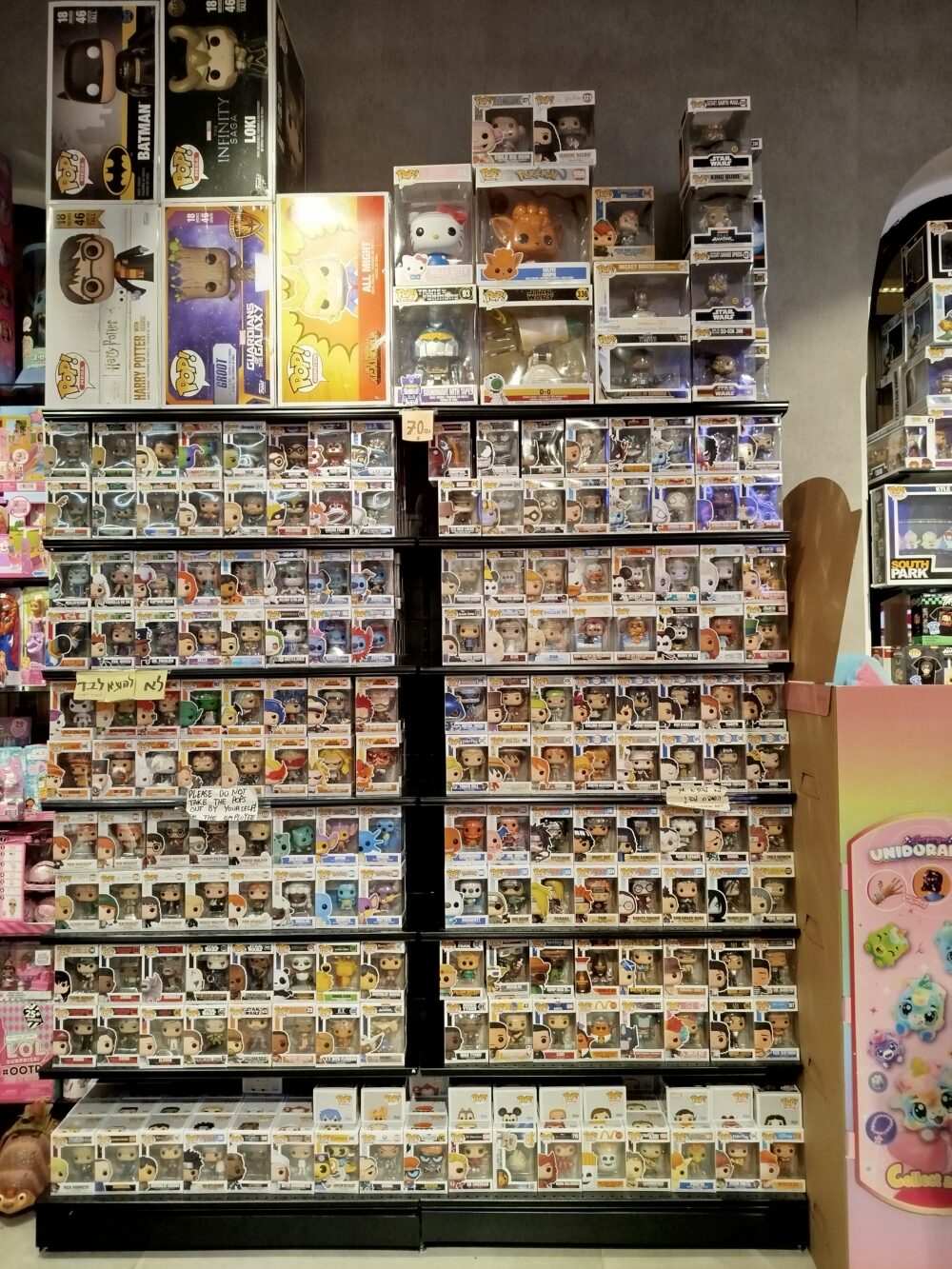
You can compare prices for Culture Shock-style collectibles by fixing a specific item first, standardising the condition and shipping you’re willing to accept, then checking Culture Shock Collectibles, eBay, Etsy and other shops side by side. For a given licensed figure or statue, you’d note whether it’s new or preowned, confirm it’s the same edition or variant, and calculate delivered cost (item price plus shipping, currency conversion and any taxes). That lets you see whether Culture Shock as a specialist retailer, a random eBay seller, or a niche Etsy shop actually offers better value for that figure, rather than assuming one channel is always cheaper.
What Culture Shock Collectibles Is and Why It’s Different from eBay or Etsy
Culture Shock Collectibles is an Australian specialist retailer focused on action figures and collectible figurines from major pop‑culture franchises. Its catalog spans lines like Marvel, DC and gaming/anime properties, showcased on its own ecommerce site’s action‑figure section at Culture Shock Collectables | Australia.
Crucially for comparison, Culture Shock isn’t a marketplace where anyone can list items. It operates as a single retail business selling through:
- its branded website; and
- an official Culture Shock Collectables store on eBay Australia.
That matters because:
- Inventory is curated. Stock tends to be mainstream licensed items and selected higher‑end pieces, rather than random bootlegs or garage-kit customs.
- Listings are standardised. Product pages on the site usually present clear images and specs for a single manufacturer’s SKU. You’re comparing Culture Shock’s price to other retailers’ prices for that same SKU.
- On eBay, it’s one seller among many. The Culture Shock eBay store gives you a direct price comparison against other eBay sellers listing the same figure, often with different postage costs or conditions.
So for figures and statues, Culture Shock is best used as a benchmark retailer: a reference point for what a specialty shop says a new, licensed figure should cost.
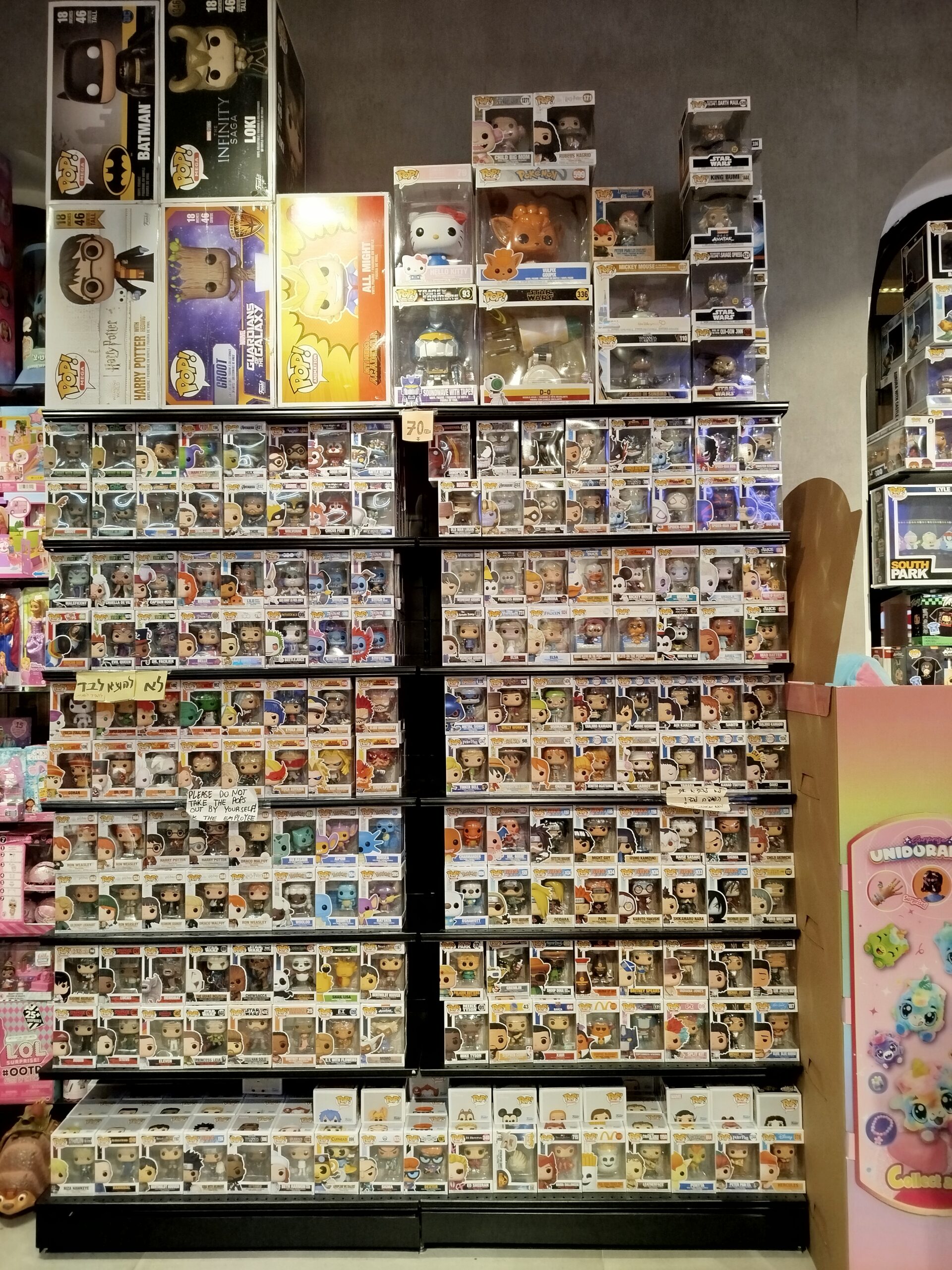
Comparing Culture Shock, eBay, Etsy and Other Shops: Price, Availability and Risk
For pop‑culture collectibles, you don’t just compare sticker prices. You compare how each channel tends to behave for a specific type of item.
Here’s a condensed view:
| Channel type | Typical strengths for figures/statues | Typical weaknesses |
|---|---|---|
| Culture Shock Collectibles (site) | Curated licensed stock, clear product pages, consistent new-condition items | Limited to what they choose to carry; fewer chances for rare discontinued pieces |
| Culture Shock Collectables on eBay | Lets you compare Culture Shock’s price against other eBay sellers for an identical SKU; eBay surface for auctions | Still only one seller; listing quality depends on eBay templates rather than the main site |
| eBay (other sellers) | Huge marketplace, with both auction-style and fixed-price listings and many offers per product; broad mix of new and used collectibles | Mixed seller quality; prices can be bid up by auctions; more effort to filter out questionable or misdescribed items |
| Etsy | Focus on handmade, vintage and unique goods attracts niche audiences; good for fan-made or artisan adjacent items | Less coverage for mass‑market licensed figures; more variation in what “collectible” means |
| Other specialty shops | Sometimes better for very specific lines (e.g., only anime, only high‑end statues) | Fragmented: you must manually check each retailer; stock visibility can be low |
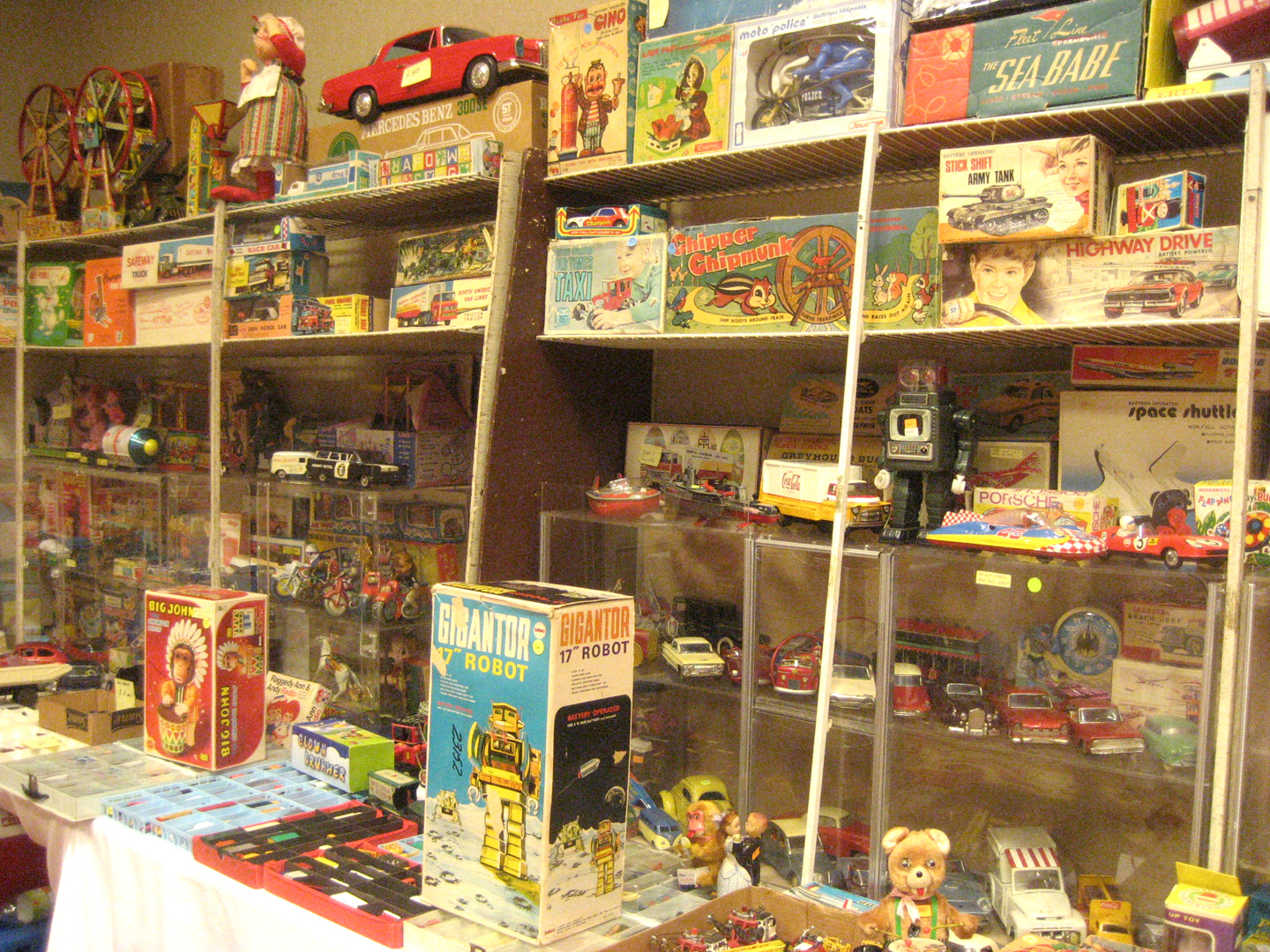
A few practical angles when you’re comparing them:
1. Standardising the item
Pick a single manufacturer SKU – for example, a specific NECA horror figure or a Street Fighter statue – and lock in:
- same line and edition (regular vs exclusive colorway);
- same condition (new, sealed; or loose, complete); and
- same region release (to avoid packaging variants or region‑exclusive bonuses).
Culture Shock’s site gives you a clean reference listing for that SKU. You then search eBay and Etsy using the exact product name and manufacturer to find matches.
2. Using marketplaces for price discovery
Large marketplaces like eBay allow you to see multiple offers for that same SKU on one results page. Some listings are fixed‑price, others auction. Compare current asking prices with recently completed sales where available, keeping condition and edition constant rather than relying on a generic price range.
You compare that band to Culture Shock’s site price. If Culture Shock is comfortably within that range and offers cheaper domestic shipping to you in Australia, it’s competitive; if every marketplace seller is significantly lower even after shipping, Culture Shock starts looking expensive for that particular piece.
On Etsy, you’ll often find fewer direct matches for licensed figures and more custom or handmade interpretations. There, the comparison is more about: do you want the official statue at Culture Shock’s price, or a unique handmade piece at a different price point, knowing they’re not the same product?
3. Total delivered cost, not just sticker price
For each channel, note:
- item price in the listing currency;
- shipping to your postcode;
- currency conversion if you’re buying cross‑border; and
- any obvious local taxes or fees the seller charges at checkout.
Build a quick line‑by‑line comparison using live checkout figures instead of invented sample prices:
| Offer | Record from the live listing | Adjustment before comparing | Delivered-cost calculation |
|---|---|---|---|
| Culture Shock site | Exact SKU, new condition, listed price | Domestic shipping and checkout tax | Listing price + shipping + tax |
| Culture Shock on eBay | Same SKU and condition | Shipping, seller location and platform charges shown at checkout | Listing price + shipping + checkout charges |
| Other eBay seller | Same SKU; record new, used or incomplete | Condition discount plus shipping | Listing price + shipping + any restoration or missing-part cost |
| Overseas specialist | Same edition and packaging | Currency conversion, international shipping and applicable import charges | Converted listing price + all delivery and import costs |
This structure shows why a lower overseas listing price can still produce a higher delivered cost, while a local used figure may be better value only when its condition and completeness are acceptable.
Choosing the Right Channel for Your Collecting or Reselling Strategy
Once you’ve done a few item‑level comparisons, patterns emerge. The best channel depends heavily on what you’re trying to do.
If you’re a collector in Australia
- New mainstream releases: Culture Shock’s site is a strong starting point. Use it to see what an official retailer is charging. Then glance at their eBay store and other eBay sellers to check if anyone is notably cheaper on the same SKU once shipping is included.
- Chasing older or discontinued figures: eBay tends to win on sheer variety. Culture Shock may no longer stock them, while auctions and fixed‑price listings from collectors do. Here, your main decision is whether you accept used condition or seller‑graded “like new” to hit a lower price.
- Artist‑made or custom adjacent pieces: Etsy and small independent shops shine here. Culture Shock’s focus is licensed figures rather than handmade art, so you’re making a deliberate choice between official merchandise and unique creations.
If you’re a collector in the US
Culture Shock can still be relevant if an Australian retailer gets certain lines or exclusives first, but you’ll have to weigh:
- higher international shipping; and
- possible customs or import duties.
In many cases, checking US‑based specialty shops and US eBay sellers will be more cost‑efficient, with Culture Shock acting as a sanity check on what a fair retail price looks like.
If you’re a small ecommerce seller or reseller
Your angle changes from “one figure for my shelf” to “repeatable sourcing.”
- Culture Shock as a reference, not a wholesaler. It’s useful for gauging retail pricing and demand signals (which lines they stock, how quickly things seem to disappear), but it’s not positioned as a wholesale marketplace.
- Marketplaces for stock hunting. eBay and other platforms let you spot under‑priced lots (bundles of figures, job lots, clearance listings) that you can break down and resell at individual‑item prices closer to the Culture Shock benchmark.
- Cross‑border marketplaces. If you want adjacent stock like accessories, display stands, or generic merch to complement licensed figures, cross‑border platforms such as DHgate can be one option. For that kind of sourcing, treat each listing as its own micro‑business: check seller history, compare price ranges across multiple suppliers, and be cautious about anything that looks like unlicensed use of major IP.
If you’re exploring DHgate or similar platforms for broader sourcing decisions beyond Culture Shock‑style items, articles such as Compare DHgate with AliExpress, Alibaba and Temu and What DHgate is and how the marketplace works are useful context before you commit.
The practical rule of thumb is simple: use Culture Shock Collectibles to understand fair retail pricing for new, licensed figures; use eBay to map real‑world market prices across conditions and regions; use Etsy and niche shops when you want uniqueness over strict comparability. For both collectors and small resellers, the winning channel is the one that offers the best delivered value for the exact version of the figure you actually want.