
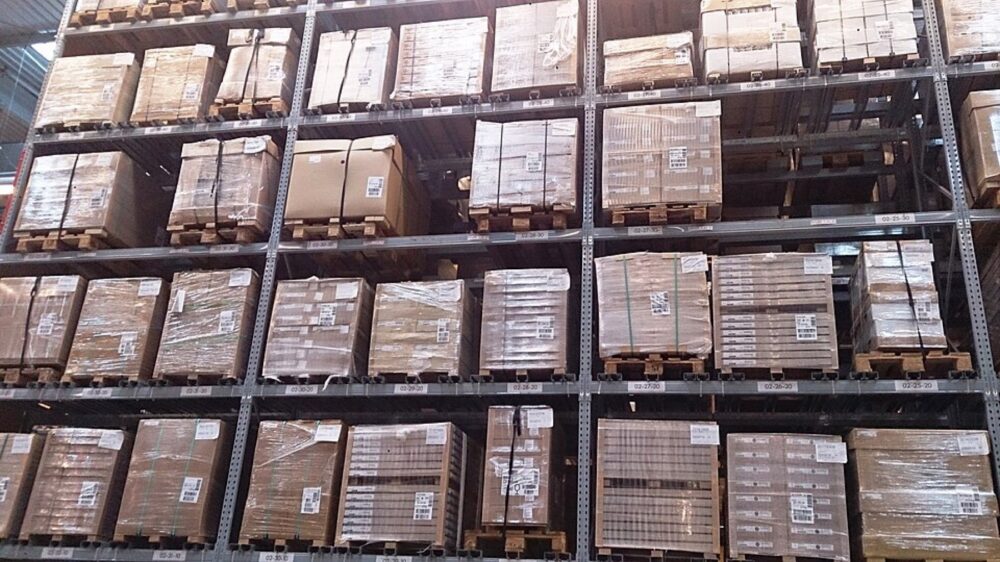
Quick answer: Compare cheap stuff online in Canada across DHgate, AliExpress, Amazon and eBay using exact variants, delivered cost, delivery date, seller evidence and return risk.
The rest of this comparison helps you decide where you sit on that spectrum, and whether DHgate is actually the right channel for the cheap stuff you have in mind.
What You’re Really Choosing Between for Cheap Stuff Online
For low-priced products—think under CAD $30—the tradeoffs are sharper because small differences in fees and delays matter more. From Canada, the key dimensions are:
- Quantity needs. Do you need one phone mount, or 50 similar gadgets for a small store or online shop? DHgate’s own editorial describes it as a Chinese marketplace connecting buyers directly with manufacturers and distributors and emphasizing volume sales, which shapes how sellers price items.
- Buyer support and dispute risk. Large retail platforms typically have stronger, more standardized customer service for refunds and returns. International wholesale marketplaces rely more on individual seller cooperation and internal policies that are harder for casual buyers to navigate.
Once you know whether you’re optimizing for unit price, small quantities, speed, or lower hassle, the comparison between DHgate and other channels gets clearer.
How Major Channels Handle Cheap, Low-Value Orders
Think of cheap stuff sourcing as three broad channel types: bulk/near‑wholesale marketplaces, cross‑border consumer marketplaces, and local retail marketplaces.
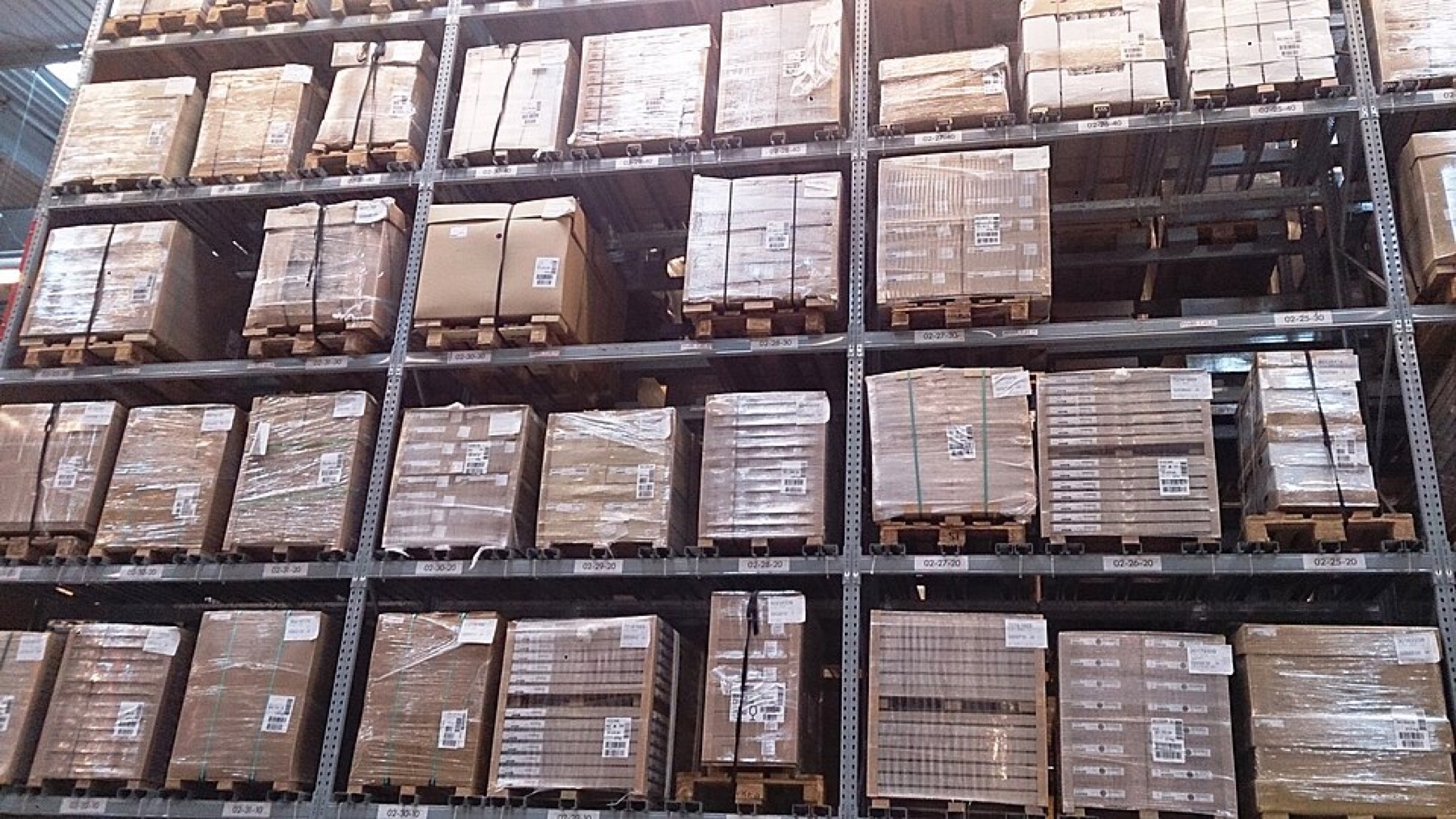
Bulk / Near‑Wholesale Marketplaces (DHgate and Similar)
DHgate’s own blog and app descriptions present it as an international B2B marketplace connecting buyers directly with Chinese manufacturers and wholesalers, with many listed products and an emphasis on affordable wholesale pricing and bulk discounts. The same editorial framing emphasizes:
- Direct manufacturer access and fewer intermediaries.
- Variety across categories like clothing, fashion accessories, electronics, health and beauty, toys and gifts.
- Wholesale focus with discounts when you buy in bulk, and the ability—even if not universal—to place low minimum orders for cheap items.
For Canadian buyers, that generally translates into:
- Best fit: multi‑unit orders (e.g., 20 phone grips, batches of costume jewelry, inexpensive accessories to resell) where shaving cents off each unit really matters.
Cross‑Border Consumer Marketplaces (AliExpress, Wish, Some eBay Sellers)
AliExpress, Wish, and many eBay sellers also ship cheap items to Canada from China or other overseas locations, but they lean more into consumer‑style single‑item orders:
- Pricing pattern: still very low, but often optimized for you to buy one or a few items at a time rather than full cartons.
- Interface and expectations: built for consumers who browse, buy a single cable or toy, and track an order, rather than small buyers negotiating with suppliers.
- Quantity flexibility: you can buy larger quantities, but the per‑unit price doesn’t always drop as much as on strongly wholesale‑oriented platforms.
Local Retail Marketplaces (Amazon, eBay Canada, Big-Box Online)
Amazon, eBay with Canadian sellers, and big‑box chains’ online stores are what most Canadians use for cheap, everyday items:
- Pricing: higher per unit than many direct‑from‑China offers, but often still low for mass‑market accessories and small household goods.
- Order size: completely fine for one‑off purchases; you’re not expected to buy in volume to get a usable price.
- Speed and consistency: faster and more predictable delivery for items fulfilled from Canadian or nearby warehouses.
- Support: more standardized returns and customer service, though you still need to read listing details.
For low‑value items, those extra few dollars often buy faster shipping and simpler returns, which can outweigh the small savings from importing via cross‑border marketplaces.
Side-by-Side: Price, Quantity, Speed, and Risk
Here’s a high-level comparison for cheap stuff, focusing on how the platforms behave rather than precise numbers.
| Channel type / examples | Price orientation for cheap items | Best quantity fit | Delivery expectation to Canada (general) | Risk/experience profile (general) |
|---|---|---|---|---|
| Cross-border multi-seller and similar bulk marketplaces | Aims for low per‑unit prices, especially in bulk; Cross-border multi-seller’s own blog frames the platform as cheaper than typical retail sites because of direct‑from‑China sourcing and lower cost structures. | Multi‑unit / small bulk orders; some sellers allow low minimum order quantities for cheap goods. | Cross‑border; the lowest‑cost shipping options are often slower and less predictable. | Mixed user anecdotes: some describe Cross-border multi-seller as a legit low‑price source, others report non‑delivery or wrong items; quality and reliability vary by seller. |
| AliExpress, Wish, cross‑border eBay sellers | Verify the exact listing and seller evidence for this channel | Compare a current sample and written specifications before scaling | Confirm current order terms and timing with the exact seller | Document the order-specific decision criteria and evidence |
| Amazon, local‑stock eBay, big‑box online | Verify the exact listing and seller evidence for this channel | Compare a current sample and written specifications before scaling | Confirm current order terms and timing with the exact seller | Document the order-specific decision criteria and evidence |
This table is deliberately general. Within each platform you’ll find both great sellers and poor ones, but the patterns help you decide which bucket your current purchase belongs to.
Which Channel Fits Different Canadian Buyer Profiles
The same item can be a good DHgate buy for one person and a bad idea for another. Here are typical scenarios.
Casual Buyer: One-Off Cheap Gadget or Accessory
You’re in Canada, you want one HDMI adapter, a single sink gadget, or one novelty phone case.
- Best fit: Amazon.ca, eBay from Canadian sellers, local big‑box or dollar stores.
- Sometimes fit: AliExpress or similar if you’re willing to wait and accept more risk for a small saving.
- DHgate: usually not worth it for just one piece; its own positioning and Canadian editorial suggest its strengths show up more clearly with quantities.
Tester: Trying a Product Before You Commit
You’re thinking of reselling, but you want to test one or two units first.
- Best fit: AliExpress or other consumer‑style cross‑border platforms, or even Amazon if you care about fast delivery to inspect the product.
- DHgate: can work if the seller offers low minimum orders, but the per‑unit savings over AliExpress for tiny quantities may be modest and offset by extra hassle.
You could start with AliExpress to validate product quality, then shift to DHgate later if you scale up and see meaningful per‑unit savings.
Small Reseller: First Batch of Cheap Stock
You run a small online shop or sell through social channels and want 20-100 units of low‑cost accessories, party items, or fashion basics.
- Best fit: Platforms that support bulk pricing—DHgate is one candidate here because it presents itself as a B2B marketplace with wholesale discounts and extensive variety. AliExpress can also work but may price bulk a bit less aggressively.
- Things to weigh: your tolerance for longer, cross‑border shipping and unpredictable customs costs vs the margin gains from lower per‑unit prices.
If you’re new to importing, you may want to understand high‑level customs and fee implications first; a resource like Understand customs, tariffs and import fees can help frame that part of the cost picture.
Ongoing Sourcing: Repeat Orders of Cheap Staples
You already sell low‑cost items regularly and reorder often.
- Best fit: A bulk‑friendly marketplace or supplier where you’ve vetted a seller and built a relationship—DHgate is one option in that category, as are other B2B platforms.
- Alternate path: If speed and consistency matter more than maximum margin, negotiating with domestic distributors or using Amazon Business‑style programs may justify higher unit prices.
In this stage, the choice is less about the absolute lowest price and more about a stable balance of cost, lead time, and reliability.
Where DHgate Makes Sense—and Where It Doesn’t
DHgate’s own editorial content consistently describes the platform as:
- Connecting buyers directly with manufacturers and distributors in China.
- Serving global buyers as an international B2B marketplace with many different products.
- Offering wide product variety, especially in categories like clothing, accessories, and other budget‑friendly fashion.
- Emphasizing wholesale discounts and frequent promotions for bulk or repeat buyers.
Taken on its own terms, that makes DHgate a realistic option for Canadian buyers who:
- Care most about per‑unit cost. If you’re buying multiple units of cheap items and every extra margin point matters, DHgate’s bulk‑oriented price structure can be attractive.
DHgate is less suitable when:
- You only need one item fast. For a single cheap product, retail marketplaces or local stores usually offer a better overall experience even if the price is higher.
- Your product category is saturated locally at low prices. For items already cheap in Canada (basic cables, common household gadgets), the incremental savings of importing via DHgate may be small once you include fees and the value of your time.
Prices, listing quality, and seller reliability vary on DHgate just as they do on AliExpress, Amazon, or eBay. It’s still worth comparing a few listings across platforms for the specific item you want, checking seller feedback carefully, and weighing whether a consumer‑focused marketplace might better match your tolerance for delay and hassle.
If you do lean toward DHgate for cheap‑stuff sourcing, treat it as one tool in a broader kit. For bulk comparisons with AliExpress or Alibaba, a focused marketplace breakdown like Compare DHgate with AliExpress, Alibaba and Temu can help you refine where each platform fits. And if you move from casual buying to true wholesale sourcing, you may eventually want to look at deeper guides such as Find wholesale suppliers on DHgate to understand how to work with individual sellers more effectively.
For cheap stuff online from Canada, DHgate’s sweet spot is clear: multi‑unit, low‑value orders where you’re willing to trade speed and predictability for potential savings. Outside that niche, you often get a smoother experience by choosing retail‑style channels or more consumer‑focused cross‑border marketplaces.
Cheap stuff online Canada FAQ
Which marketplace is cheapest in Canada?
No marketplace is cheapest for every item. Compare the exact listing after shipping, tax, pack size and delivery date are visible.
Is a low listing price a reliable bargain?
No. A low headline price can lose once you include shipping, a smaller quantity, delayed delivery or an impractical return route.