
DHgate is one cross-border multi-seller marketplace in this channel comparison; evaluate it against alternatives using the same product, cost, and operational criteria.
If you’re stocking a small ecommerce shop or buying for events, the practical move is to understand your real landed cost per bar and then compare that number across channels.
What Really Drives the Total Cost of Imported Oh Henry Bars to Australia
For Oh Henry bars coming into Australia, your true cost per bar is driven by four things:
- Product price in the source country
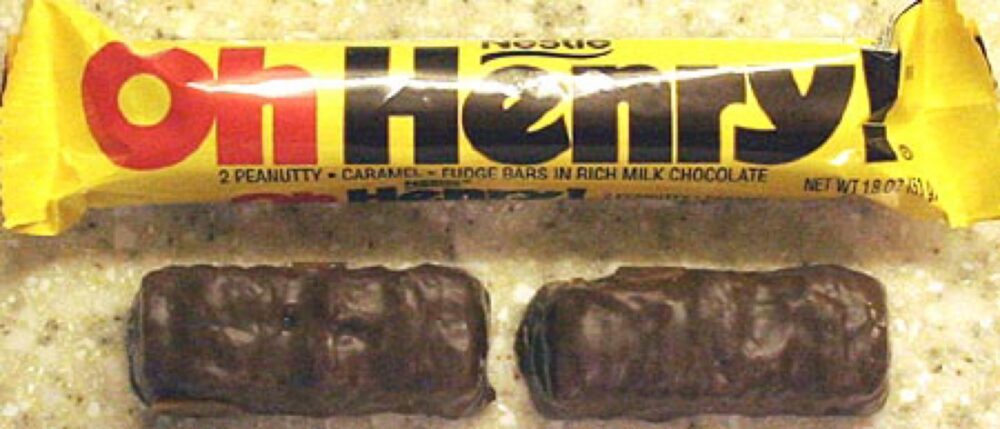
Canadian retail gives a useful benchmark. A 58 g Oh Henry bar on Canadian specialty site CandyFunhouse is listed around CAD$3.29. That’s a single‑bar, consumer price — fine for a treat, expensive as a resale input.
Wholesale and club channels are cheaper per bar. Business-focused retailers like Costco Business Centre typically sell full cases of single bars at a meaningfully lower unit cost than CAD$3‑plus. You’re trading bulk commitment for a lower base price.
- International shipping and handling
Shipping is where most budgets blow up. Specialty importers such as Desertcart list small Oh Henry packs with international shipping fees that can rival or exceed the product cost itself; user comments on Desertcart’s Oh Henry listings mention paying a high total for just a couple of multipacks. Platforms like Ubuy show similar patterns — the bars are available, but cross‑border shipping varies widely and can dominate the total.
For Australia, you’re generally looking at: Small parcels (a few multipacks): high per‑bar freight, sometimes higher than the chocolate itself. Larger cartons: better freight per kilo, but the absolute bill is high and may trigger customs review.
- Customs duties, GST and brokerage
Any imported food product has a chance of attracting duties, GST, and clearance fees once the shipment value crosses local thresholds. For modest consumer orders this may never show up; for ecommerce inventory, the risk rises as your cartons get bigger.
Because rates depend on classification and shipment value, you should treat taxes and brokerage as a variable surcharge on top of price + shipping rather than trying to forecast exact figures.
- Platform and payment fees
Card FX spreads, PayPal currency conversion, and marketplace service fees all nibble at your margin. Individually they’re small, but together they can add a few percent to your landed cost.
A simple per‑bar illustration
Imagine two broad scenarios for delivery into Australia:
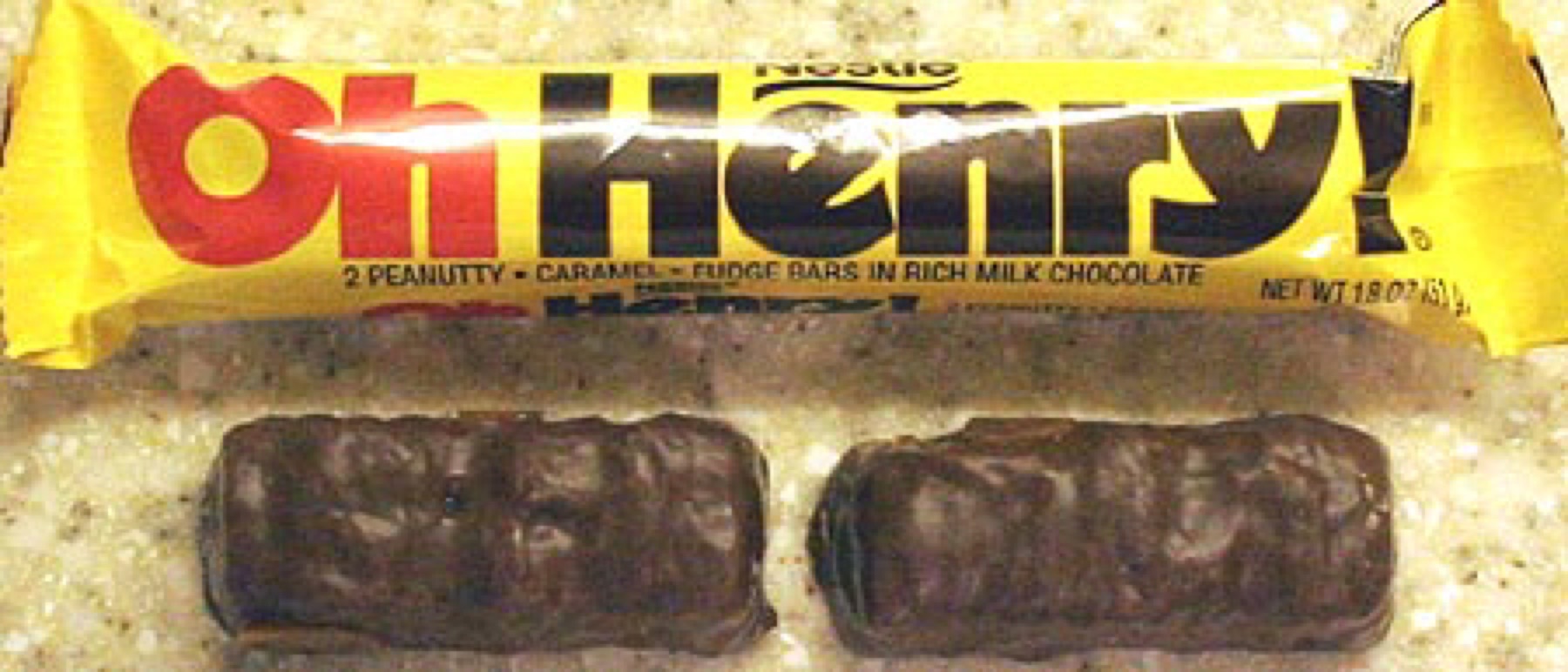
- Small treat order (personal use): You buy 8-12 bars via a specialty importer. The source price might be similar to Canadian retail, but international shipping and handling dominate. It’s very plausible for the final cost per bar to land several times higher than the CAD$3.29 baseline once currency conversion and freight are included.
- Business stock order (one case or more): You source a full case via a wholesale‑style channel or importer. The per‑bar product price drops compared with single‑bar retail, but you now face a large freight bill and potential duties. Your per‑bar landed cost may still beat tiny consumer parcels, yet it often remains far above domestic chocolate and only makes sense if your customers will pay a premium for imported Canadian brands.
The takeaway: unless your per‑bar landed cost after freight and tax is clearly below what local resellers charge for Oh Henry, you’re not gaining budget advantage.
How Order Size, Timing and Channel Choice Change Your Price Per Bar
Three levers shape the economics of importing Oh Henry bars: how much you buy, how quickly you need it, and which channel you choose.
Order size and MOQ
Small orders (say, a couple of multipacks) look psychologically cheap, but the overhead is brutal. Desertcart and Ubuy examples show you can pay a premium shipping fee even for 4-10 bars. Spread across so few units, that fee makes each bar very expensive.
Bulk orders flip the math: you commit to dozens of bars or full cases, the per‑bar shipping cost improves, and wholesale or business pricing kicks in. This is the dynamic behind case listings at business outlets like Costco Business Centre — lower unit prices are unlocked by buying a case, not a single bar.
For an Australian micro‑retailer, that means you need enough demand to safely move a case before expiry. Buying bulk just to lower unit cost is risky if you’re not sure you can sell through.
Shipping method and seasonality
Faster air services cost more but limit melt risk in hotter months. Slower, cheaper options can be tempting, yet for a chocolate product, transit time and climate control matter. If you ship during the Australian summer, you may need better packaging or upgraded freight, which pushes up cost per bar without raising your resale price.
Seasonal demand also matters. If your customers mainly want imported candy around Halloween or Christmas, missing the window because you chose the cheapest, slowest freight is a bigger problem than paying slightly more per kilo.
Channel choice: retail import vs wholesale club vs marketplace
Here’s how the economics usually differ:
| Channel type | Typical product price pattern | Shipping pattern to AU | Best suited for |
|---|---|---|---|
| Specialty importer (Desertcart/Ubuy) | Retail or small multipack pricing, limited volume discounts | Shipping fees often high vs product value | Personal use, test orders |
| Wholesale club / business retailer | Lower per‑bar in full cases, business focus | May require freight forwarder; better per‑kilo | Small ecommerce, offices |
| Global marketplace (e.g., Cross-border multi-seller-type) | Often low base prices for unbranded or OEM goods | Shipping varies by seller and method | Bulk non‑branded products |
For trademarked bars like Oh Henry, the sweet spot for Australians is usually regional specialist importers or wholesale clubs that already have supply relationships. Global marketplaces shine more for packaging, candy boxes, or alternative treats where manufacturers in China are the primary source.
Query-time DHgate listing example
Observed on 2026-10-08, Halloween pumpkin lantern decoration products KTV bars nightclubs kindergartens childrens candy buckets pumpkin buckets B240925 appeared in Lanterns. This is a time-bound, illustrative listing example, not an endorsement; availability and listing details may change. Verify the specifications, seller evidence, applicable compliance, and any intellectual-property or commercial-use rights required for the intended use. A sample can test the physical product, but it cannot establish legal permission or licensing.
DHgate vs Other Channels: When Its Wholesale Model Makes Budget Sense for Oh Henry
DHgate’s own blog describes its marketplace model as connecting buyers directly with manufacturers and leveraging bulk discounts, so buyers can often access lower base prices than traditional Western retail. Their editorial comparisons suggest DHgate can deliver 30-60% savings on some goods versus Western retailers, especially when you buy in larger quantities and stack coupons and flash sales.
That cost logic works well for items manufactured in China where branding is generic or flexible — for example, candy boxes, party supplies, or decorative packaging. It does not automatically translate to trademarked confectionery like Oh Henry, which is produced under brand control in North America.
For Australian buyers, DHgate makes budget sense for Oh Henry bars only in fairly narrow scenarios:
- You are running a broader import operation (party goods, candy packaging, Halloween decor) where DHgate provides strong savings on the non‑chocolate parts of your assortment, and you treat Oh Henry as a small, experimental add‑on rather than your main margin driver.
Our product data check around 2026-10-08 did not surface relevant DHgate listings for branded Oh Henry bars; instead, we saw candy‑related decor, packaging and Halloween items, which can be cost‑effective imports but don’t solve the Oh Henry sourcing problem. That strongly suggests most Australian buyers will get better, more predictable economics for Oh Henry through regional specialty importers, wholesale clubs, or local distributors.
If you’re still considering DHgate for related products — such as candy boxes or party decor to bundle with imported chocolate — it’s worth reading DHgateWiki’s broader marketplace comparison at Compare DHgate with AliExpress, Alibaba and Temu and the high‑level import cost guide at Understand customs, tariffs and import fees.
Quick checklist for running your own numbers
Before committing to any Oh Henry import route into Australia:
- Note the per‑bar product price at source (case or multipack) from each channel.
- Get a firm shipping quote to your Australian address and divide by the number of bars.
- Add a margin for possible duties/GST and clearance fees, especially for larger orders.
- Convert everything to AUD and compare your landed per‑bar cost with what local resellers charge for Oh Henry or similar imported bars.
For additional DHgate platform context, use Find wholesale suppliers on DHgate.
If DHgate or any marketplace can’t beat that comparison after all surcharges, it’s not your budget channel for Oh Henry — even if the headline product price looks low.