
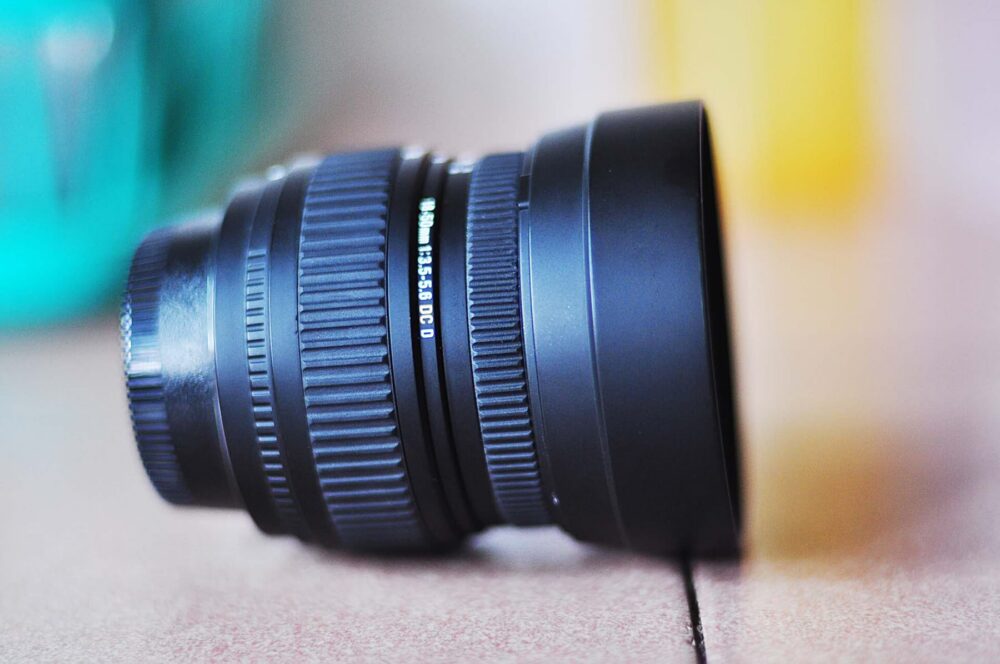
The Sigma 17-50mm f/2.8 EX DC OS HSM is now a budget workhorse for APS‑C DSLR users who want one sharp, stabilized zoom instead of a bag of primes. It covers roughly a 27-75mm full‑frame equivalent range, keeps a constant f/2.8 aperture throughout the zoom, and includes optical stabilization for hand‑held shooting.
In the U.S., this lens is generally more affordable than brand‑name APS‑C f/2.8 zooms. New or new‑old‑stock units tend to sit in a midrange price band, while used copies can be significantly cheaper. Cross‑border listings sometimes advertise even lower headline prices, but you have to add shipping, import charges, and verification effort before calling them a “deal.” For most APS‑C DSLR shooters, it’s a strong value choice if you accept its age and stick to realistic price expectations.
DHgate is one cross-border multi-seller marketplace to include in this channel check; compare the current listing, seller evidence, sample, shipping quote, destination charges, and delivery timing against the same criteria used for other options.
What the Sigma 17-50mm f/2.8 Offers and Typical Price Ranges
The 17-50mm f/2.8 EX DC OS HSM is designed specifically for DSLRs with APS‑C sensors. On those cameras, 17-50mm behaves like roughly 27-75mm in full‑frame terms, covering wide‑angle to short telephoto. That makes it a general‑purpose lens for travel, events, portraits, and everyday shooting.
Key traits, based on spec listings and independent reviews:
- Constant f/2.8 aperture: You get the same brightness at 17mm and 50mm, helpful for low light and background blur.
- Optical stabilization (OS): Reviewers at sites like Frame & Focal describe the stabilization as effective, letting you hand‑hold at slower shutter speeds than you could without OS.
- APS‑C focus: It’s not meant for full‑frame, which is part of why it’s priced as a value option compared with full‑frame f/2.8 zooms.
- Value positioning: Editorial reviews, including Digital Camera World, often frame this lens as a cheaper alternative to OEM standard zooms with similar specs.
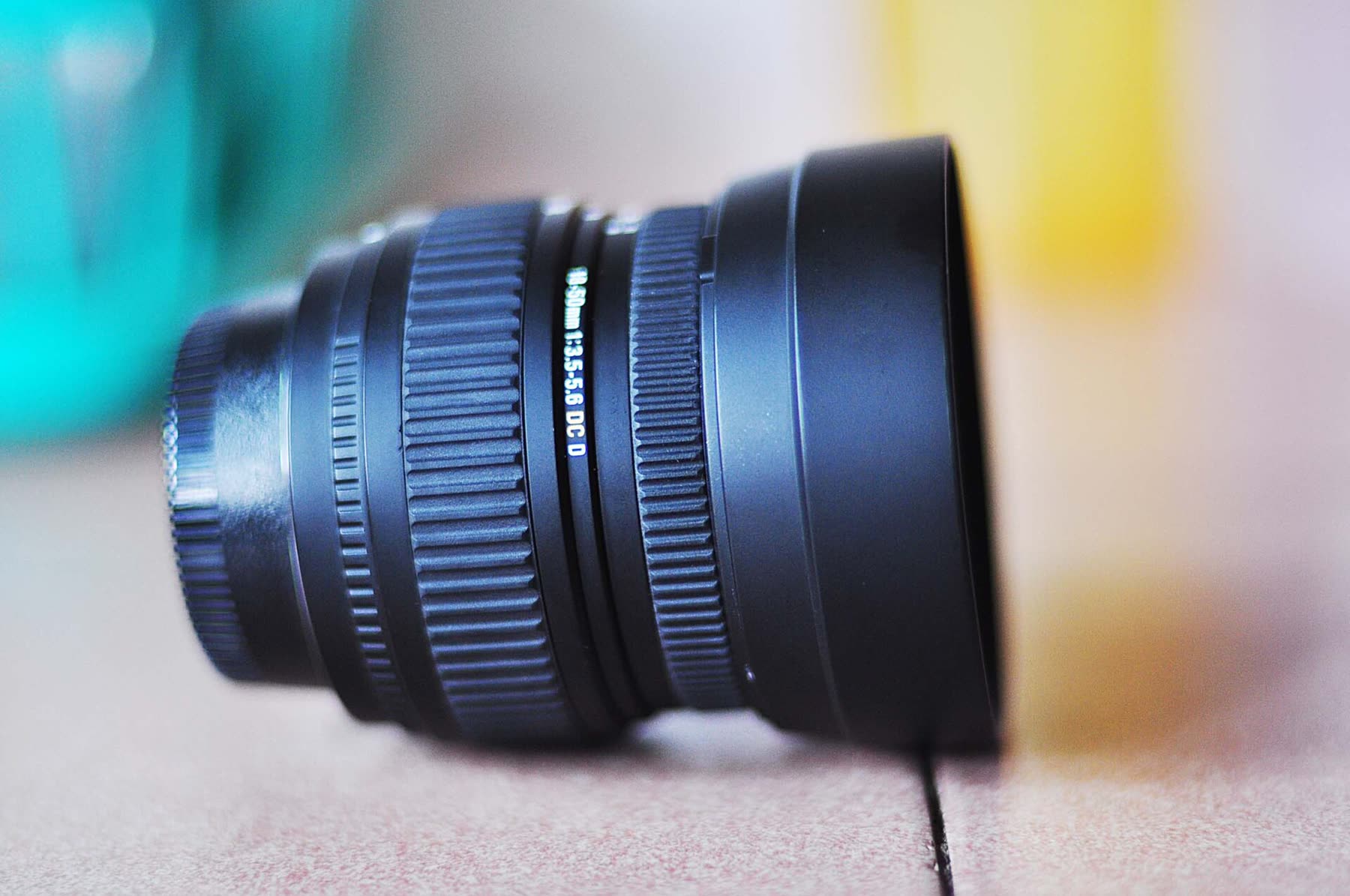
Because this lens is older and aimed at APS‑C, it sits in a budget tier compared with newer OEM zooms or full‑frame glass. Looking across major retailers and used‑gear listings, the pattern is fairly consistent:
| Buying scenario | Typical pricing band (editorial judgment) | How it feels vs OEM APS‑C f/2.8 zooms |
|---|---|---|
| New from major retailer | Midrange for APS‑C f/2.8 zooms | Usually lower than OEM equivalents |
| Used from camera specialist | Low–mid, often meaningfully cheaper | Common budget upgrade over kit lens |
| Peer‑to‑peer resale (e.g., user forums) | Often at the lower end for third‑party f/2.8 zooms | Can be a bargain, but condition varies |
Exact prices move with stock, sales, and mount demand, but editorial and listing data consistently show it selling below brand‑name APS‑C lenses with similar specs.
Who this lens suits — and who should skip it
Good fit:
- APS‑C DSLR owners who want one versatile lens sharper than the kit zoom.
- Budget‑conscious shooters who need f/2.8 and stabilization for events, indoor family photos, or casual paid gigs.
- Small resellers who want a known, review‑backed lens that still has demand among DSLR users.
Poor fit:
- Full‑frame shooters (it’s an APS‑C design).
- Buyers shifting to mirrorless platforms who don’t want to rely on adapters.
- Anyone who needs weather‑sealed, pro‑grade build and ultra‑reliable AF more than they need a low price.
Why Prices Vary: Mount, Condition, Accessories and Timing
If you search “Sigma 17-50mm f/2.8” across retailers and marketplaces, you’ll see a wide spread in prices. For this particular lens, most of that spread comes from a few concrete factors.
Mount demand. Canon and Nikon DSLR mounts still have large used‑camera communities, so APS‑C zooms in those mounts often attract more buyers. When demand is higher, prices are less likely to be rock‑bottom. Less common mounts (like older Sony or Pentax DSLR fits) may swing either way: cheaper because the audience is smaller, or pricier because supply is limited.
Cosmetic vs optical condition. A lens with worn paint but clean glass and accurate autofocus may be priced low yet perform well. Units with haze, fungus, scratched elements, or mechanical issues can be heavily discounted — but also risky. Resellers aiming for repeat business generally favor optically clean copies, even if the margin is smaller.
Included accessories. Listings that include the hood, caps, pouch, and original box often command a premium over “bare lens only.” If you’re buying for yourself and already have generic caps, paying extra for full packaging may not be worth it.
Shipping choices and geography. Domestic listings that ship from within the U.S. cut transit time and simplify returns but might sit at higher asking prices. Cross‑border options can show lower sticker prices but add variable shipping costs and, in some cases, import‑related charges.
Seasonality and platform trends. When DSLR gear buyers trade up to newer systems, more lenses like the 17-50mm hit the market, which can push prices down. During holiday sales or site‑wide promotions, new‑old‑stock units can briefly dip into the used price band.
Understanding these levers helps you explain why one listing is 30-40% cheaper than another without assuming it’s automatically a “steal” or a “scam.”
Choosing a Buying Channel and Keeping Your Total Cost Down
You can buy a Sigma 17-50mm f/2.8 in several ways: domestic retail, used specialists, peer marketplaces, or cross‑border sites. Each channel changes your total cost — not just the sticker price.
Channel tradeoffs in plain terms
- U.S. retailers (new or refurbished) – You pay a midrange price but get clear specs, return options, and known condition on arrival. This suits buyers who need the lens for paid work soon and can’t risk downtime.
- Used‑gear stores and pro resellers – Often the sweet spot for value. These sellers typically inspect optics and mechanics, then price below new OEM zooms. Small ecommerce businesses can build stock here with relatively predictable quality.
- Peer marketplaces and forums – Lowest headline prices are common, especially when owners offload gear quickly. You have to read descriptions closely and accept more variance in condition and communication.
If you do explore cross‑border listings, it’s worth also reviewing how customs and tariffs work before you tally margins; this guide to import fees is a good starting point.
Practical ways to keep your spend under control
Here are targeted tactics that apply specifically well to the Sigma 17-50mm f/2.8:
- Use the lens’s age to your advantage. Because it’s not the latest design, you can reasonably push for a lower price whenever a listing looks “mint” but sits close to OEM zoom territory.
- Prioritize mount and condition over cosmetics. For APS‑C Canon and Nikon bodies, paying a bit more for a clean, tested copy beats chasing the absolute cheapest lens with unknown AF accuracy.
- Bundle for reselling. If you’re a small ecommerce seller, buying several units of the 17-50mm along with related APS‑C bodies or kit lenses can improve your overall negotiation position with used‑gear dealers or cross‑border suppliers.
- Time purchases around system shifts. Watch local forums and marketplaces when camera makers release new bodies or systems — DSLR owners often unload lenses like the 17-50mm in batches, which can temporarily depress prices.
- Compare against alternatives honestly. Community discussions and reviews, such as those summarized on Electronics Ranker, often treat this lens as a budget answer to buying both a wide‑angle and a normal prime. If your shooting style rarely needs f/2.8 at every focal length, a cheaper variable‑aperture zoom or select primes might be a better use of your budget.
By treating the Sigma 17-50mm f/2.8 as what it is — a capable, older APS‑C constant‑aperture zoom in a value tier — you can avoid overpaying for nostalgia while still picking up a lens that delivers sharp, stabilized images for a fraction of what newer OEM glass usually costs.