If you’re buying seashells wholesale for crafts, the cheapest option depends on what you actually need: lots of uniform shells, assorted decorative mixes, or statement pieces. In practice, US specialty shell wholesalers are usually best for large volumes of raw shells sold by weight, big marketplaces like Amazon and Etsy work for multi-pound mixed craft packs or niche styles, and cross-border sites can help with decorative assortments if you’re willing to manage longer shipping and import costs. You cut your per-shell price by ordering in bigger batches, choosing more common shell types, and timing purchases away from peak wedding and summer-decor season.
Below, we’ll break down how bulk seashell pricing really works, what you can control, and how to match your craft business to the right channel without blowing your budget.
What Really Makes Bulk Seashells Expensive or Cheap?
Sticker price per pound is only one part of what you’ll pay for wholesale seashells. For a US craft or ecommerce buyer, the total cost for a bulk order usually has four main components:
- Product price (by weight or by bag)
US specialty sites such as California Seashell / caseashells.com sell craft shells in 1 lb or 1 kg bags. You’ll see many styles—tiny clam shells, mixed mini shells, larger cockle shells—priced by bag rather than per piece. Product price here is driven by:
- Shell rarity (common beach shells vs more exotic varieties)
- Size and sort level (unsorted mix vs carefully graded sizes)
- Any pre-processing (drilled, polished, dyed, or crushed shells cost more)
- Shipping and handling
Seashells are surprisingly heavy once you start buying in bulk. A few 1 lb or 1 kg bags can tip you into higher parcel tiers. Domestic shipping from a US wholesaler is often simpler and more predictable than cross-border shipping. For heavy orders, you should expect shipping to be a meaningful line item, not an afterthought.
- Import-related cost (for cross-border orders)
- Marketplace and payment fees
On large marketplaces, some fees are baked into item price; others appear as tax collection or payment processing charges. If you resell shells (for example, on Etsy or a Shopify site), factor in your own platform and payment fees when you back-calculate the margin.
Quick mental model:
- For domestic, by-weight shells from a specialist site, product price + domestic shipping are your main drivers.
- For mixed decorative sets from a cross-border marketplace, product price might look low, but shipping + import risk add a second layer.
How Order Size, Shell Type, and Season Change Your Price Per Shell
Unit economics on shells behave a lot like beads: buying more at once typically lowers your per-piece cost, especially if the seller offers quantity discounts.
Order size and MOQ
Most bulk craft components get cheaper as you buy more. With beads, buyers often see the per-piece price drop when they move from a single strand to multiple strands or factory packs. You’ll see the same pattern with shells:
- One 1 lb bag of shells has a certain price per pound.
- If a wholesaler offers tiered pricing (e.g., price breaks at 5 or 10 bags), your per-shell cost declines because the seller’s handling and packing overhead is spread over more units.
For a small US craft business, a practical strategy is to commit to a base volume you know you’ll use across several product lines (jewelry, decor, resin art) instead of ordering tiny, project-specific bags.
Shell type and assortment
Shell choice is one of your biggest cost levers:
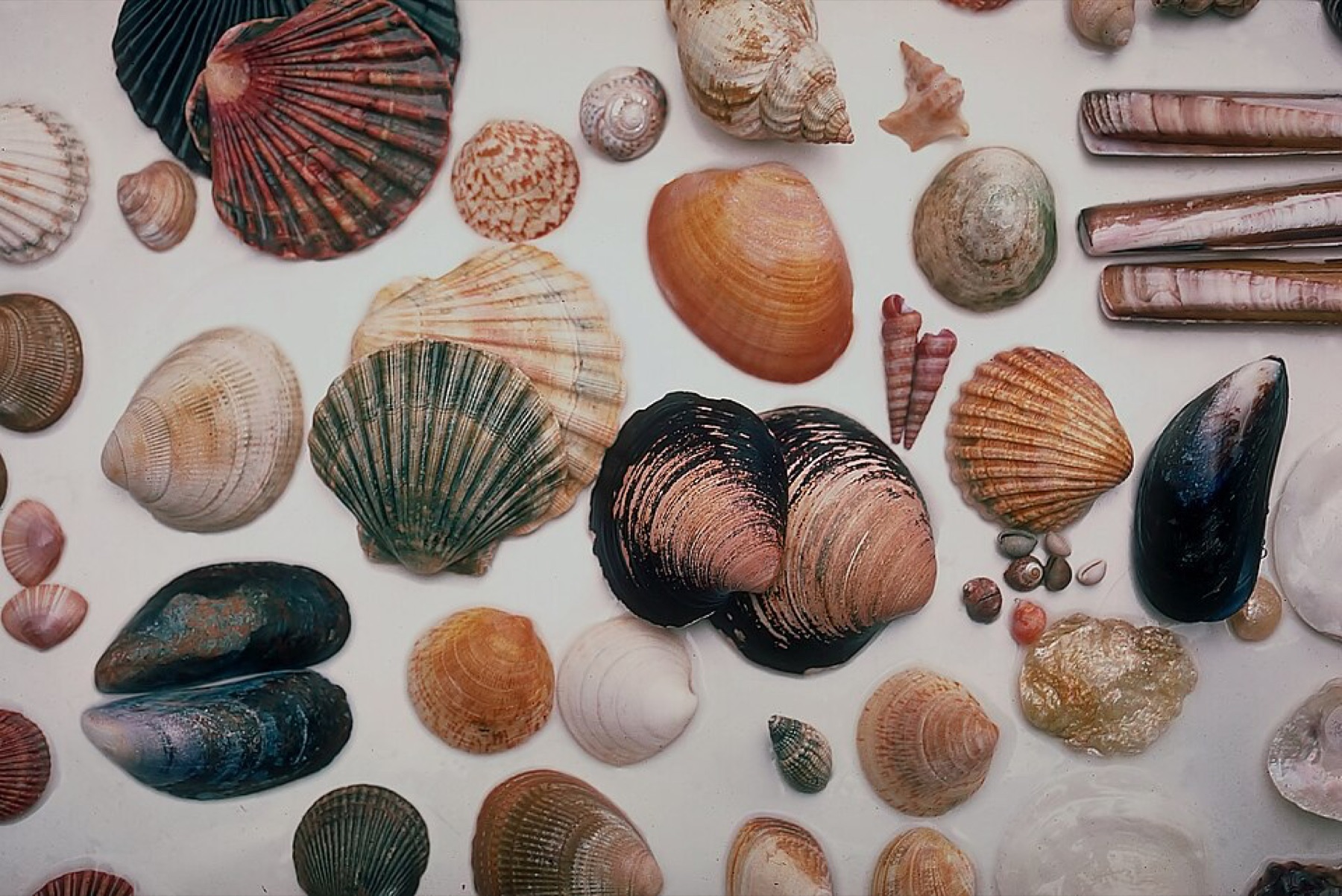
- Common small shells (clam, cockle, mixed mini shells) are usually sold in bulk bags and priced to encourage large, repeat purchases.
- Uniform, drilled shells for jewelry (e.g., cowries all in a narrow size range) cost more because someone sorted and processed them.
- Large feature shells (big conchs, statement scallops) are often sold individually or in small lots, sometimes on marketplaces like eBay sellers focused on craft shells. These command higher prices per piece but aren’t what drives your everyday cost-per-bracelet.
Mixed craft packs like the multi-pound crushed and assorted shells listed on Amazon are optimized for decor: vase fillers, beach-themed centerpieces, or mosaic projects. They tend to be cheaper per ounce than a box of carefully matched jewelry shells, because the seller doesn’t have to guarantee uniformity.
Budget takeaway: If you can design your products around common, mixed shells rather than rare or tightly graded types, your average cost per piece drops quickly.
Seasonal demand and timing
Shell pricing responds to demand spikes:
- Spring and early summer: wedding decor, graduation parties, and tourist-season crafts push up demand for bulk shells.
- Late fall and winter: demand for beach-themed decor dips in many US regions.
As a small brand, aim to place bulk orders off-peak and build inventory for the coming season. You’re less likely to hit stock shortages, and some sellers run promotions when traffic slows.
Choosing the Cheapest Viable Channel and Long-Term Cost Strategies
You have three realistic sourcing paths for craft seashells: US specialty wholesalers, big marketplaces, and cross-border marketplaces. Each has its own cost profile.
Quick channel comparison
Here’s a compact view of how the main channels stack up on cost drivers for US buyers:
| Channel type | Typical products | Cost strengths | Cost tradeoffs |
|---|---|---|---|
| US specialty shell wholesalers (e.g., caseashells.com) | 1 lb / 1 kg bags of specific shell types | Clear per-bag pricing; good for large volumes of one style | Needs larger orders to beat retail; limited “cute” mixed sets |
| Craft/handmade marketplaces (Etsy, eBay) | Bulk lots, niche styles, individual large shells | Flexible quantities; can hunt deals or multi-buy discounts | Per-unit price often higher; varied shipping terms |
| General online retailers (Amazon, Walmart) | Multi-pound mixed or crushed shell packs | Easy to buy multi-pound decor packs; fast for events | Less control over exact shell mix; not true wholesale |
| Cross-border marketplaces | Assorted decorative shell sets, mixed bags | Potentially lower per-bag price for decorative assortments | Longer shipping, possible import charges; must check total landed cost |
Where DHgate and cross-border sourcing fit (and where they don’t)
On 2026-09-29, DHgate listed several seashell-related craft products, including assorted natural seashell sets aimed at DIY decor, sold as bags or boxes rather than by individual piece. One example is a mixed bag listing: “1 Bag Natural Seashells Decorative Mixed Ocean Shells” on DHgate, which illustrates how cross-border sellers often package shells as ready-made assortments.
If you’re primarily making beach-themed centerpieces, aquarium decor, or photo props, these kinds of mixed sets can be cost-effective as long as you:
- Compare the displayed price range with domestic options for similar bag sizes.
- Check the seller’s history and ratings on that specific listing.
For a small US jewelry or Etsy-style brand that needs very specific shell sizes or pre-drilled pieces, a US specialist or a focused Etsy seller is usually more predictable. DHgate and similar sites make more sense for decorative assortments than for precision components.
If you’re weighing DHgate against other marketplaces across your whole sourcing strategy, the broader breakdown at Compare DHgate with AliExpress, Alibaba and Temu can help you benchmark it in context.
Long-term strategies to keep shell costs low
Short-term savings are nice; long-term unit-cost discipline is better. Here are specific tactics that work for US craft and ecommerce buyers:
1. Standardize your “base shell” across product lines Pick one or two common shell types (or mixed mini-shell blends) that you can use in bracelets, earrings, resin trays, and decor. Buy these from a by-weight specialist like caseashells.com’s bulk section in larger, scheduled batches. This lets you negotiate or benefit from quantity discounts and simplifies reordering.
2. Use marketplaces for gaps, not your core volume Marketplaces such as Etsy’s bulk seashells for crafting section or eBay are great for:
- Trying out a new shell type in small quantities.
- Finding unusual or vintage shells that don’t show up in standard wholesale catalogs.
But if you rely on marketplace prices for your main components, your per-piece cost will swing with each seller and listing. Treat these platforms as supplemental sourcing, not your base.
3. Bundle your shell buys with other heavy craft supplies If you’re ordering resin, sand, or glass beads, see whether the same supplier can add shell bags. Combining heavy items in one shipment can reduce total freight relative to multiple small parcels.
4. Schedule orders around your calendar, not just demand spikes Build a simple calendar: order base shells in late winter and late summer, review inventory monthly, and avoid panicked last-minute buys right before big craft fairs or wedding season. Predictable orders help you negotiate with suppliers and avoid surge pricing.
5. Keep ethics and sustainability in the mix Very cheap shells can raise questions: were they collected from protected areas, taken in unsustainable quantities, or processed under poor working conditions? Look for sellers who disclose sourcing regions or use farmed shell material, especially for large volumes. Some buyers are willing to pay a bit more for responsibly sourced shells, and that premium can become part of your brand story.