
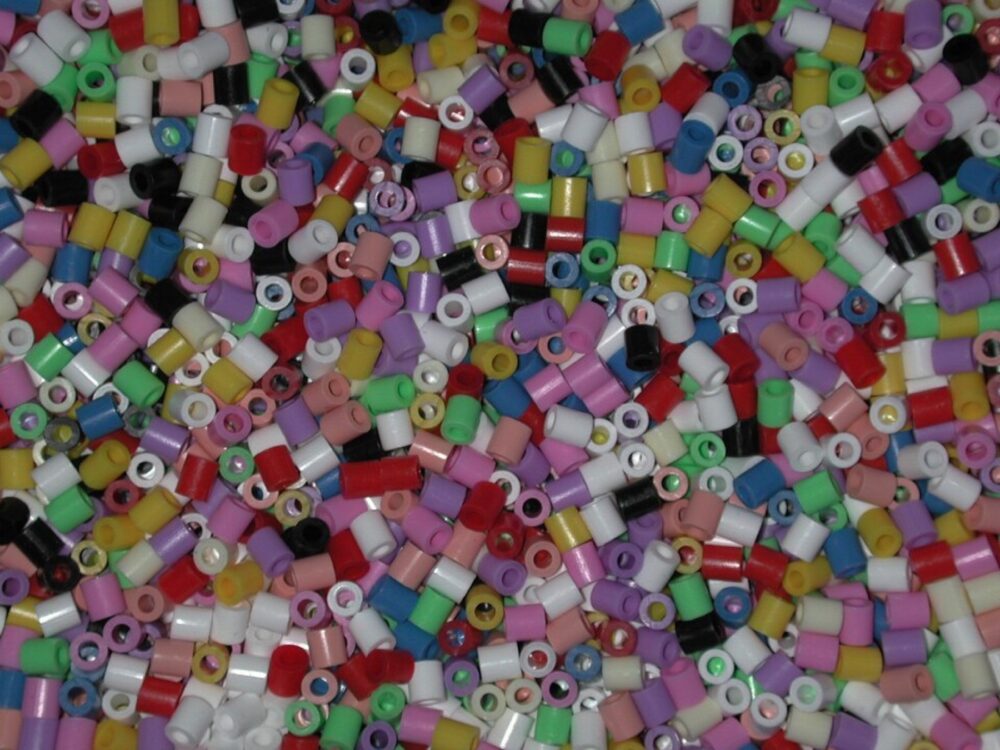
For large Perler-style bead projects and small resale packs, you get the best value by matching bead size and quality to how you’ll use them, then comparing total cost across channels—brand craft sites, big marketplaces, and cross-border sellers. Bulk buckets with thousands of beads often look cheaper at first, but the real number you care about is cost per bead once you factor in shipping, color coverage, and whether you still have to buy patterns and pegboards separately.
If you’re a US hobbyist doing big wall pieces or running a small Etsy shop, brand-name Perler bulk bags and buckets are often the simplest starting point. Perler’s own bulk category shows multi-packs and themed assortments, and its clearance section regularly pushes older kits and large bead packs at a discount, so you can stock up when colors you use heavily go on sale.
For pure volume, general marketplaces like Amazon and Walmart list thousands-of-beads kits and 1,000-count single-color bags from Perler and third-party suppliers. These can be cost-effective if you’re flexible on brand, but for repeatable patterns you’ll want consistent bead size so designs melt correctly.
What Large Perler Beads and Patterns Cost in Bulk
Your total budget for large fuse bead projects usually breaks into five buckets: beads, patterns, pegboards, tools, and shipping/fees.
Beads. Brand sites such as Perler offer:
- Bulk multi-packs in its dedicated bulk bead section, often grouping several 1,000-count color bags in one listing.
- Clearance bundles of themed kits and large bead packs in a separate sale area.
Buying these packs during a sale is a common way to bring the per-bead cost down without switching to off-brand beads. Assorted buckets sold on sites like Amazon’s Perler bucket page illustrate the other route: thousands of mixed beads in one container, with dozens of colors included. You’ll pay for convenience and variety in one purchase, but you might get fewer beads of each specific color than with separate single-color bags.
On general retailers like Walmart’s Perler 1,000-count pack listing, you can see traditional 1,000-bead color bags plus third-party bulk options. That range—from single bags up through multi-bag packs—shows why your cost structure changes: the more you buy at once, the more you tend to save per bead, but you also tie up more money in inventory.
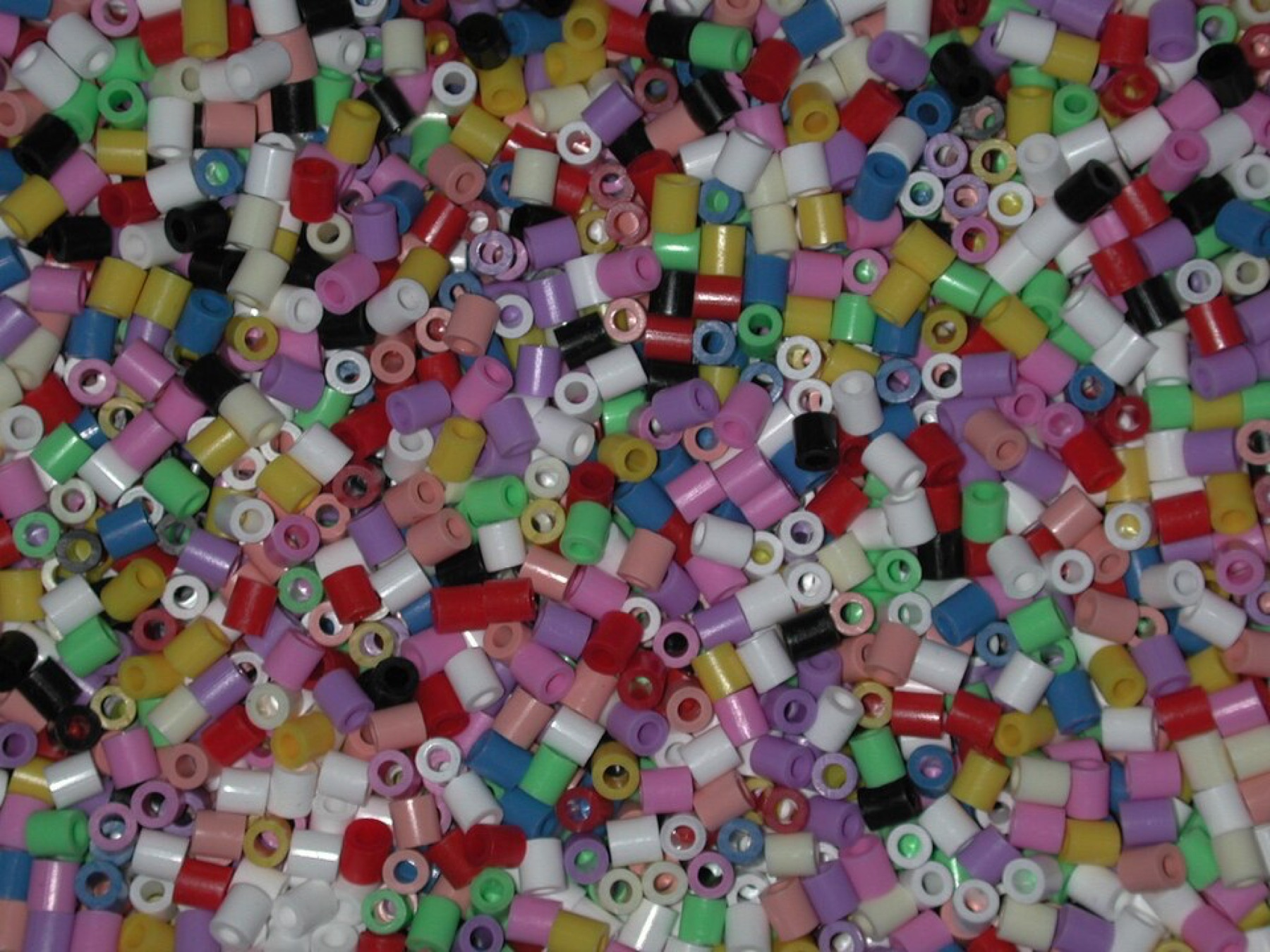
Patterns. Fuse bead patterns are often free or low-cost digital downloads, but buying curated books or licensed sets adds to the project budget. Kits that combine beads, pegboards, and patterns cost more upfront but can be cheaper than assembling each piece separately if you like the included designs.
Pegboards and accessories. Large projects require big or interlocking boards. Those are a one-time cost, but if you’re selling finished pieces, you may need multiples to batch work. Tweezers, storage cases, and ironing paper are small add-ons that matter more for business buyers than one-off crafters.
Shipping and fees. For US buyers ordering domestically, shipping is usually rolled into the pack price above a threshold or shown as a flat fee. Cross-border orders add more variability: longer transit, possible import charges on higher-value shipments, and less predictable delivery windows. None of that shows up in the bead price, but it directly affects your real cost per finished item.
Why Prices Vary: Size, MOQ, Color Mix, and Shipping Choices
Prices for large Perler-style beads swing because every pack is balancing four things: bead format, order quantity, color control, and how the box gets to you.
1. Bead size and brand vs generic. Perler’s standard fuse beads are a specific size designed to work with its boards and ironing instructions. Off-brand beads can be cheaper, especially in bulk on general marketplaces, but they may not line up perfectly with official patterns or melt the same way. If you sell finished pieces, the extra reliability of brand beads can justify a slightly higher per-bead cost.
2. MOQ and pack style. Buying many small 1,000-count bags gives you tight color control, which is ideal for detailed sprites or commercial work with repeat designs. Bulk multi-packs and buckets reduce your per-bead cost by raising your minimum order quantity (MOQ)—you’re committing to thousands of beads at once. For a busy crafter, that’s fine; for a new small seller still testing demand, it can be overkill and tie up cash.
3. Assorted colors vs single colors. Mixed-color buckets like the Pet Pals-style assortments seen on Amazon give wide variety but thinner coverage per hue. You might need extra single-color bags for backgrounds or skin tones, which raises your actual cost for those colors. Single-color 1,000-count packs such as the Honey color on Walmart make budgeting easier for pattern-heavy work, because you can estimate “X bags per project” and price accordingly.
4. Shipping method and source region. Domestic orders from US brand sites or retailers usually have predictable shipping pricing. Cross-border orders—whether for generic fuse beads or mixed craft sets—tend to rely on slower, cheaper options for very large volumes, or faster, more expensive shipping when you need stock quickly. For a small ecommerce operation, a cheaper slow shipment might be fine if you plan inventory ahead; for event-based sales, delays can make a “cheap” supplier expensive.
Channels, Cross-Border Options, and Practical Cost Cutting
You can treat each buying channel as a different cost/effort tradeoff. The table below summarizes typical budget decisions for US buyers; it’s based on observed product formats, not on any guarantee that one site is always cheapest.
| Channel type | Typical bead formats | Strengths for budget | Tradeoffs and extra costs |
|---|---|---|---|
| Craft brand sites (e.g., Perler) | Bulk multi-packs, 1,000-count color bags, clearance kits | Reliable size/quality, official boards and patterns, periodic sales | Higher base pricing than generics; limited to brand ecosystem |
| Big marketplaces (Amazon, Walmart, Etsy) | Thousands-of-beads buckets, single-color bags, third-party bulk sets | Wide variety, fast domestic shipping on many items, easy price comparison | Mix of brand and generic beads; more work to check compatibility and quality |
| Specialist bead retailers (Fire Mountain Gems, Beadaholique, etc.) | Broad bead assortment for crafts; some fuse bead options | Strong variety for mixed crafts, quantity discounts, customer support | Better for mixed jewelry/craft inventory than pure Perler-style sourcing |
| Cross-border marketplaces (including Cross-border multi-seller, AliExpress, PandaHall) | Very high-count mixed bead sets, generic craft beads | Low per-piece prices at large volumes, huge variety | Longer shipping, changing listings/prices, more verification work per supplier |
For many US hobbyists, brand bulk plus opportunistic clearance buys will be the least stressful way to keep bead costs in check. Watching Perler’s bulk bead page and its clearance section when you know you’ll need lots of a few colors can shave a surprising amount off the total project cost.
If you’re comfortable with generics and cross-border sourcing, marketplaces can open up larger mixed bead sets. For example, a DHgate listing titled “6000 pieces/set of bead bracelets jewelry necklaces pendants bead making” shows a mixed bead set with around 6,000 pieces offered in one order as of 2026-10-05 (product page). That kind of quantity can drive your per-bead cost very low. But you should verify, per listing, that bead size and material work for fuse-style projects, and remember that prices, availability, and terms can change quickly.
For small ecommerce businesses, cross-border sourcing only makes sense once you’re consistently selling enough items to absorb large MOQs and slower, more complex shipping. Before you commit, compare your realistic per-bead cost—including estimated freight and any import charges—with domestic options, and decide whether the extra friction is worth the savings.
Pattern and kit budgeting: quick callout
Patterns themselves don’t usually drive your budget unless they’re licensed. What does matter is how they’re bundled:
- Pattern books and digital sets spread their cost over many projects.
- Single-project kits charge a premium for convenience—beads, pegboard, and pattern—but can still be cheaper than hunting for each line item if your time is limited.
If you’re selling finished pieces, free or low-cost digital patterns plus bulk beads are usually more profitable than buying all-in-one kits.
Bulk order checklist for better costs
To keep your total spend sustainable, especially if you’re testing a small resale operation, run through this short checklist for each order:
- Lock bead size and brand: Decide if you’re standardizing on Perler-size beads only. That keeps patterns and melting consistent and avoids expensive rework.
- Calculate per-bead cost, not just pack price: Divide the pack price by the bead count on listings like the 1,000-count bags at Walmart or the thousands-of-beads buckets on Amazon; include shipping in that math.
- Plan colors against patterns: Count how many beads of key colors your main designs use. Bulk assortments may still need top-ups in background or skin tones.
- Match channel to volume: Use brand bulk and domestic marketplaces for small to medium volumes; reserve cross-border high-count sets for proven demand.
If you later decide to explore more structured cross-border sourcing for beads and other craft inventory across different marketplaces, you can dig into broader comparisons like DHgate vs. AliExpress, Alibaba and Temu and basics on customs, tariffs and import fees before scaling up.