
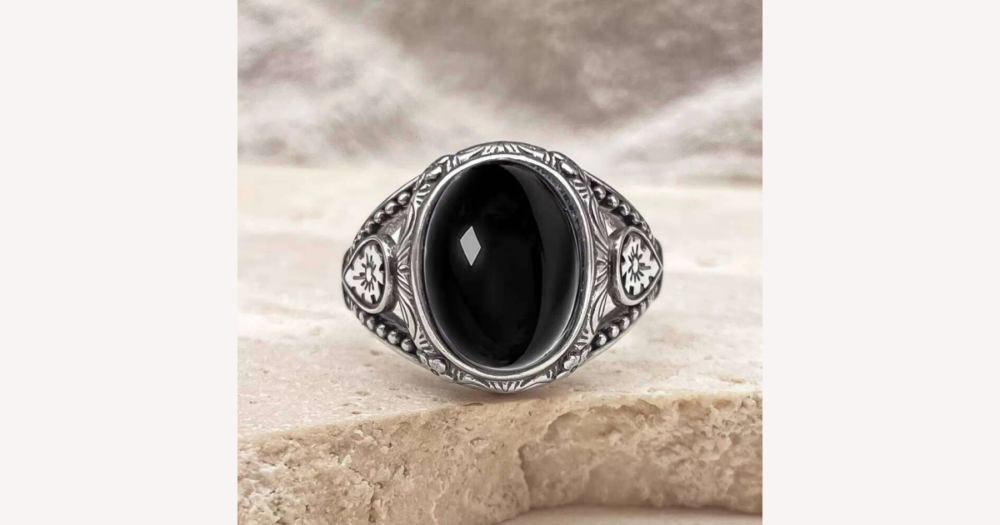
On DHgate, a good onyx stone price isn’t the lowest number you see on the screen, but the lowest reliable landed cost for the stones you actually need. That means looking beyond the headline unit price to include shipping, potential import charges, DHgate and payment-related fees, plus any discounts or coupons, and weighing all of that against the seller’s clarity, ratings and dispute or refund conditions. This guide explains how onyx product details and DHgate’s fees, shipping and protections interact so you can decide whether a given offer truly supports your budget or profit goals in 2026.
Why there’s no single “best onyx stone price” and what a good deal means on DHgate
You can’t look up a single “best onyx stone price in 2026” on DHgate or anywhere else, because prices change constantly and depend on quality, format, seller terms, shipping and fees. DHgateWiki also doesn’t access live DHgate listings or rank retailers, so it can’t tell you which store is cheapest on any given day.
For a DHgate buyer, a genuinely good price is the lowest predictable landed cost per usable stone that still fits your quantity, quality and shipping needs and comes from a seller you trust. Landed cost simply means everything you pay to get the stones to your address in Canada (or wherever you are) in the condition and timeframe you need: unit price, shipping, possible import charges, any platform or payment-related fees, minus discounts or coupons.
Reliability is part of that value. Clear specs and photos, honest grading, realistic delivery estimates and workable refund or dispute conditions reduce the chance that a cheap-looking offer turns into wasted time, returns or unrecoverable loss. I would personally rather pay a slightly higher sticker price on DHgate when the listing is transparent and the seller’s terms are clear, and reserve rock-bottom prices for small test orders where I consciously accept more uncertainty and can afford the risk.
Prices you see on Amazon, wholesale platforms or craft marketplaces are just snapshots within their own fee structures and policies; they’re useful as rough context, not hard targets that DHgate offers must beat. The rest of this guide focuses on how specific onyx product factors and DHgate mechanics shape your landed cost so you can judge whether a DHgate price is truly a good deal for your situation.
How onyx quality, format, and lot size change what looks like a good price
Onyx listings on DHgate can look wildly different in price because “onyx” covers a range of qualities. Stones with consistent color banding, minimal visible flaws or inclusions, and that are clearly described as natural rather than heavily dyed or treated usually command a higher price per carat or per piece. Mixed-quality lots, obvious surface defects or vague descriptions about treatment tend to be cheaper, but may be less usable for precise jewelry or premium resale.
Format and processing level also change what a price really means. Rough stones, mixed chunks or basic slabs involve less labor, so their per-unit price is usually lower. Tumbled stones, neatly cut cabochons, beads and other fully polished or calibrated pieces require more work and precision, so their per-unit cost is higher. Comparing a bulk bag of rough offcuts to a small batch of matched calibrated cabochons as if they were equivalent will mislead you about which offer is actually “cheap.”
Lot size and minimum order quantities (MOQs) further shape apparent value. Larger lots can bring the per-piece price down, but they tie up more cash and increase your risk if the grade isn’t what you expected. Smaller lots or sample sets often have higher per-piece prices but limit your exposure and help you test a seller before committing. Packaging can add another layer: individual gift boxes, branded pouches or display-ready sets all cost extra, which might be worthwhile for retail sales but unnecessary for a crafter buying stones to set or wire-wrap.
Imagine one listing offering a low headline price for a kilo of mixed rough onyx, and another offering a small set of matched calibrated cabochons at a higher price per piece. Once you factor in quality, processing and how many of those stones are truly usable for your project, the effective cost may be closer than it first appears. When you compare DHgate onyx prices, treat them as meaningful only when the grade, format, processing level, lot size and packaging are genuinely comparable to what you plan to do with the stones—whether that’s reselling, making jewelry, selling healing stones or using them in crafts.
How DHgate fees, shipping, and promotions affect your onyx stone cost
- Shipping charges and method. On DHgate you’ll see options such as economy, standard, express, or “free” shipping (usually rolled into the item price). For dense items like onyx stones, weight-based shipping can be a major part of your cost. Economy services tend to be cheaper but slower and may offer limited tracking; faster courier options raise the total but are better when you need stones by a specific date.
- Import duties, taxes and brokerage fees. When stones are shipped into Canada or another country, customs may charge duty, GST/VAT and sometimes a brokerage fee based on the parcel’s value, category and how it’s shipped. DHgateWiki can’t give individual tax advice, but you should treat any likely border charges as part of your landed cost, not a surprise extra, when comparing offers.
- Currency conversion and payment-related costs. If you pay a DHgate seller in a foreign currency, your bank or payment provider may add a conversion spread or small fee. These charges never appear in the seller’s listed price, but they still come out of your budget, so include them in your total when judging what each stone really costs you.
- DHgate promotions and coupons. Seller-specific discounts, platform-wide coupons or time-limited promotions can lower either the item price or your order total. Instead of treating these savings as “extra money” to spend, translate them into a lower effective per-piece cost by subtracting the discount from the order total and recalculating your cost per stone before you decide whether the deal is truly attractive.
A simple method to estimate your landed cost and profit on DHgate
- Gather the numbers from the DHgate listing and checkout screen: item price, quantity or total weight, chosen shipping method and cost, estimated delivery time, and any visible coupons or discounts that apply to your order size.
- Estimate your total order cost in your home currency. Add the item price and shipping, then include a rough allowance for any duties or taxes you expect to pay at the border plus known payment fees such as currency conversion charges. Subtract any coupons or promotions you plan to use so you’re working with the discounted total, not the headline price.
- Convert that total into a comparable landed cost per unit (per stone, per lot, or per gram/carat) by dividing by the relevant quantity, and use the same unit when you compare different offers. Then weigh that landed cost against your planned resale prices or project budget, taking seller reliability, delivery time and dispute protections into account. If a slightly higher per-unit cost comes with clearer terms and predictable shipping, it may be the smarter choice for important or time-sensitive orders.
How DHgate pricing compares to other online onyx sellers in broad terms
- DHgate is a multi-seller marketplace, often with overseas suppliers offering both small and bulk lots of onyx. Unit prices can look attractive, but the real cost includes cross-border shipping routes, longer delivery times, possible import taxes, and currency conversion. For buyers who are comfortable planning around these logistics and timelines, DHgate’s mix of lot sizes and buyer protections can make landed cost competitive, especially when spread over a medium or larger order.
- Retail-style marketplaces and regional e-commerce sites usually sell onyx more like finished goods: smaller quantities, local or faster shipping, and clearer, often easier returns. Per-piece prices may look higher than DHgate, but some of the cost is paying for speed, simplicity, and familiar consumer protections. Wholesale or B2B platforms sit at the other extreme: they focus on large bulk lots and expect buyers to handle most logistics and import processes themselves. Per-unit prices there can be very low, but minimum order quantities, stricter terms, and responsibility for freight and customs are typically higher. Craft and handmade-focused sites add another layer, where onyx stones are curated or branded as artisan components; prices reflect the seller’s selection work, small-scale overhead, and brand positioning as much as raw material cost.
- None of these platform types is universally “best” for onyx stones. Each serves different buying patterns and risk tolerances. DHgateWiki can’t maintain live price tables or rank retailers, so the useful comparison is at the level of landed cost and risk: item price plus shipping, fees, taxes, and how much protection you have if something goes wrong. DHgate’s structure—moderate minimums, mixed lot sizes and platform protections—can fit buyers who sit between pure retail and pure wholesale, but the smartest choice is always the offer that gives the lowest predictable landed cost at an acceptable risk level, not just the lowest sticker price per carat you see in a search result.
Reading seller reliability signals on DHgate for onyx stones
On DHgate, a low onyx stone price only becomes a good deal if the seller actually delivers the stones as described, in usable condition and roughly on time. Start by looking at basic reliability signals: overall star rating, how many transactions the seller has completed, and whether there are repeat buyers. Then read through written reviews instead of stopping at the average score. Comments about stone quality, grading accuracy, whether colors and banding match the photos, and how closely the delivered quantity or weight matched the listing are especially important for onyx.
Detailed, consistent product descriptions are another reliability sign. For onyx stones, look for clear specs on dimensions or carat weight, shapes, color descriptions, and whether the stones are natural, dyed, or treated. A good listing also spells out how many pieces or grams you get per lot, and may note expected variations between individual stones. Vague or contradictory specs, missing quantity details, or generic photos reused across different listings all increase the chance that a “cheap” order won’t match your expectations and will be harder to dispute.
Pay attention to how the seller communicates before you buy. Reliable DHgate sellers tend to answer questions promptly and clearly, provide extra photos or measurements when you ask, and are upfront about natural variations in onyx. Slow, evasive or inconsistent replies are a warning that future conversations about quality problems or shortages could be difficult. All of these signals feed back into cost: an unreliable seller raises the risk of mis-graded stones, short shipments, and disputes that consume time and shipping money, turning a low headline price into a loss.
Because of that, I would often rather pay slightly more to a DHgate seller with strong reliability indicators than chase the absolute cheapest listing from someone with thin or worrying feedback. Onyx stones are heavy and not always cheap to ship; a failed order can wipe out the small savings from a rock-bottom price. Use ratings, reviews, spec clarity and responsiveness as risk indicators alongside your landed-cost calculations so you’re judging each DHgate offer on both its price and its likelihood of delivering usable stones without expensive problems.
Pre-order checklist for onyx stone listings on DHgate
- Confirm the exact format of the stones and that it matches your intended use: rough chunks, tumbled stones, calibrated cabochons, drilled beads or undrilled pieces, and whether they’re sold loose or in strands or sets.
- Check key specs in the listing: dimensions or carat weight per piece and per lot, any stated size or weight tolerance, and how many usable stones the seller expects you to receive, especially for assorted-size lots.
- Review how the seller describes color and pattern: expected color range, banding and natural variation, and whether the stones are natural, dyed, or otherwise treated, making sure this aligns with your project or resale needs.
- Clarify lot composition: total number of pieces or grams, the mix of sizes if the lot is assorted, and whether the seller excludes obviously chipped or badly damaged stones or considers them part of the lot.
- For higher-value or specification-sensitive orders, ask for current photos or a short video of the actual stock where possible, and note when a listing relies mainly on stock images that may not show your exact lot.
- Confirm packaging details: whether stones are individually wrapped or bagged, grouped by size or type, labeled clearly, and what level of protective padding or boxes will be used for shipping.
- Discuss how defects or mismatches will be handled before you pay: whether the seller offers partial refunds, replacements or returns, what evidence they expect, and how quickly you need to report any problems after delivery.
Placing and paying for your DHgate order without risking extra costs
- Place your order and make payment only through DHgate’s official checkout and payment systems, and decline any request to pay off-platform, as this can bypass buyer protections and increase the risk of unrecoverable losses.
- Before you confirm the order, carefully review the checkout summary: quantities, chosen variants, shipping method and cost, destination address, applied coupons, and total charges including any estimated taxes or fees shown by DHgate.
- Select a payment option you understand and can monitor easily, keeping in mind that banks or card issuers may add foreign currency or international transaction fees that should be included in your overall cost thinking.
- Keep clear records of the transaction by saving screenshots or downloading invoices that show item details, prices, discounts, shipping charges, and expected delivery time for the order.
- Store these records alongside your landed-cost notes so that if you ever need to use DHgate’s dispute or refund process, you can quickly show what you agreed to pay and what the seller was supposed to deliver.
Using DHgate’s dispute and refund protections in your cost calculations
On DHgate, most orders are covered by a buyer protection period: a window of time in which you can confirm that your onyx stones arrived and match the listing, and open a dispute if they do not. When you raise a dispute, DHgate usually expects some form of evidence—photos or videos of the stones, screenshots of the listing and checkout details, and a record of your messages with the seller—so it can see what was promised versus what was delivered.
Depending on what you and the seller agree to, and how DHgate handles the case, dispute outcomes can range from partial refunds or discounts to full refunds or a reshipment of the order. If you act within the protection period and keep good records, a problem order can turn into a recoverable cost rather than a total loss. If you ignore platform messages or miss the deadline to open a dispute, even a very cheap onyx price can end up being money you simply write off.
DHgateWiki cannot give legal advice or guarantee any particular outcome, and DHgate’s policies and timelines can change or differ by region and order type. Before relying on protections, buyers should read the latest instructions and policy pages on DHgate itself and make sure their own record-keeping and pre-order communication support a clear dispute if something goes wrong.
For larger or more critical onyx purchases, it makes budget sense to treat clear protections and responsive communication as part of the price. An offer from a seller who explains their terms, answers questions promptly and whose listing aligns closely with DHgate’s dispute and refund framework may justify a slightly higher upfront cost, because the downside risk of an unrecoverable problem is smaller than with a cheaper but poorly documented deal.
FAQ: Should you match other platforms’ onyx prices or set your own targets?
If I’m buying onyx stones on DHgate, should I try to match or beat the per‑carat prices I see on other sites, or base my prices on my own costs and goals?
Treat prices on other platforms as loose context, not targets you’re required to match. The most sustainable approach is to start from your own numbers: your landed cost per unit on DHgate (item price, shipping, likely duties and taxes, payment fees, plus a realistic allowance for defects or returns), then add the profit or value margin that fits your business or hobby goals.
If that structure can’t support matching a very low external price, you have options: adjust order volumes, negotiate with suppliers, reposition what you offer (for example by emphasizing quality, selection, or bundled value), or decide that competing in that exact segment isn’t viable for you. Forcing your prices down just to undercut a snapshot you see on a big marketplace or wholesale site can quickly erode margins and push you toward riskier sellers or weaker protections.
Align your pricing with predictable, defensible margins based on what you actually pay and the risk you carry on DHgate. External prices can help you sense the broader market, but your final pricing decisions should follow your own cost calculations, customer expectations and any legal or tax obligations in your region.