
If you’re buying bibs in bulk, you’ll usually get the best price by matching the bib type to your actual use, keeping customization as simple as you can live with, and comparing all‑in costs (product + printing + shipping + fees) across at least one domestic and one cross‑border source. For plain baby bibs, US wholesalers and big marketplaces often end up similar once freight is added. For custom baby bibs or race/event bib numbers, specialized printers can cost more per piece but save you in setup headaches, missed deadlines, and safety compliance.
Below, we’ll break down how bulk bibs are really priced, why quotes vary so much, and when each sourcing channel — from US wholesalers to marketplaces like DHgate — makes financial sense.
What Really Makes Bulk Bibs and Custom Bibs Cost What They Do
“Bulk bibs and custom bibs” actually covers two very different categories:
- Baby bibs for feeding or drool control
- Race/event bibs used as numbered identifiers (5Ks, marathons, charity runs)
Each has its own cost structure.
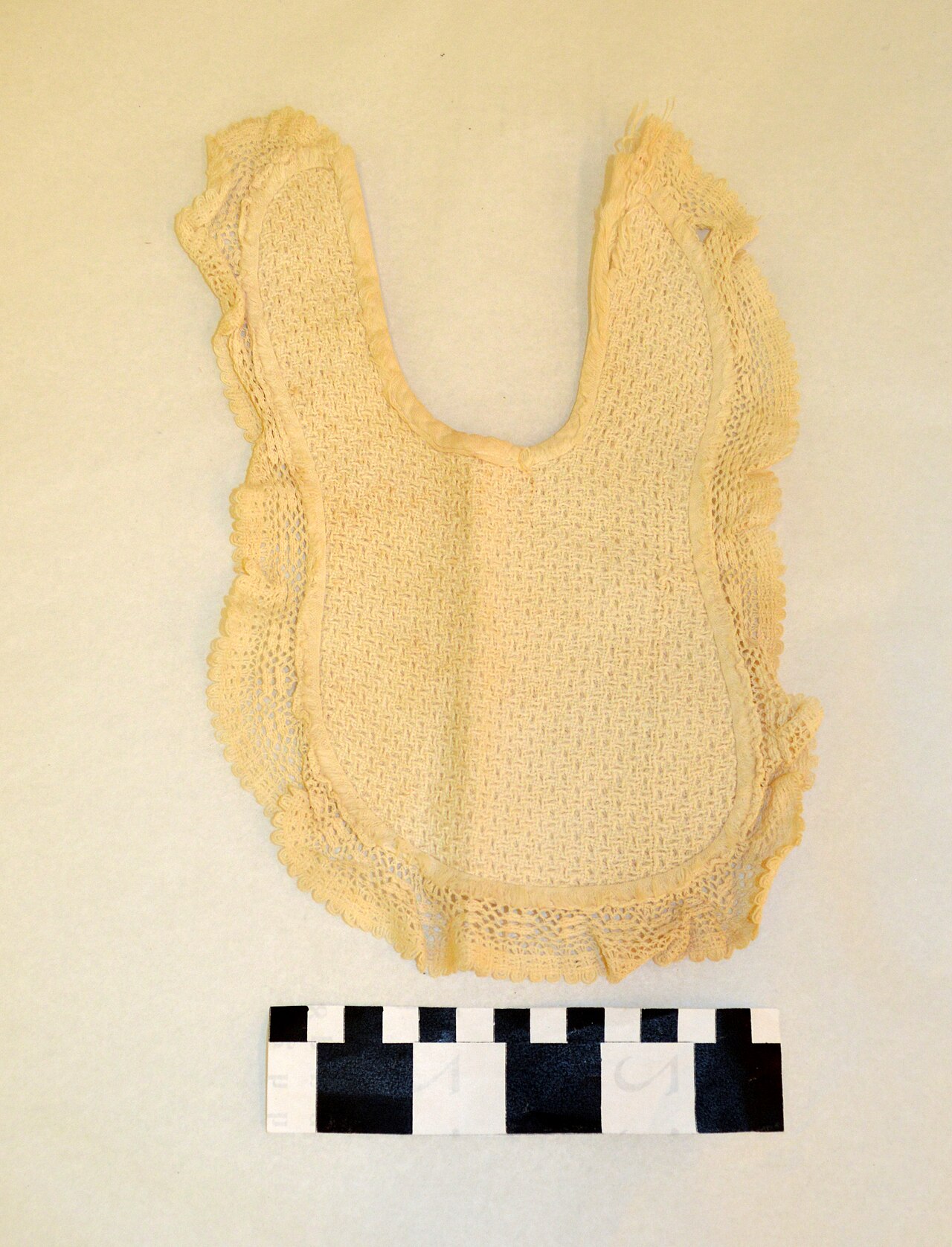
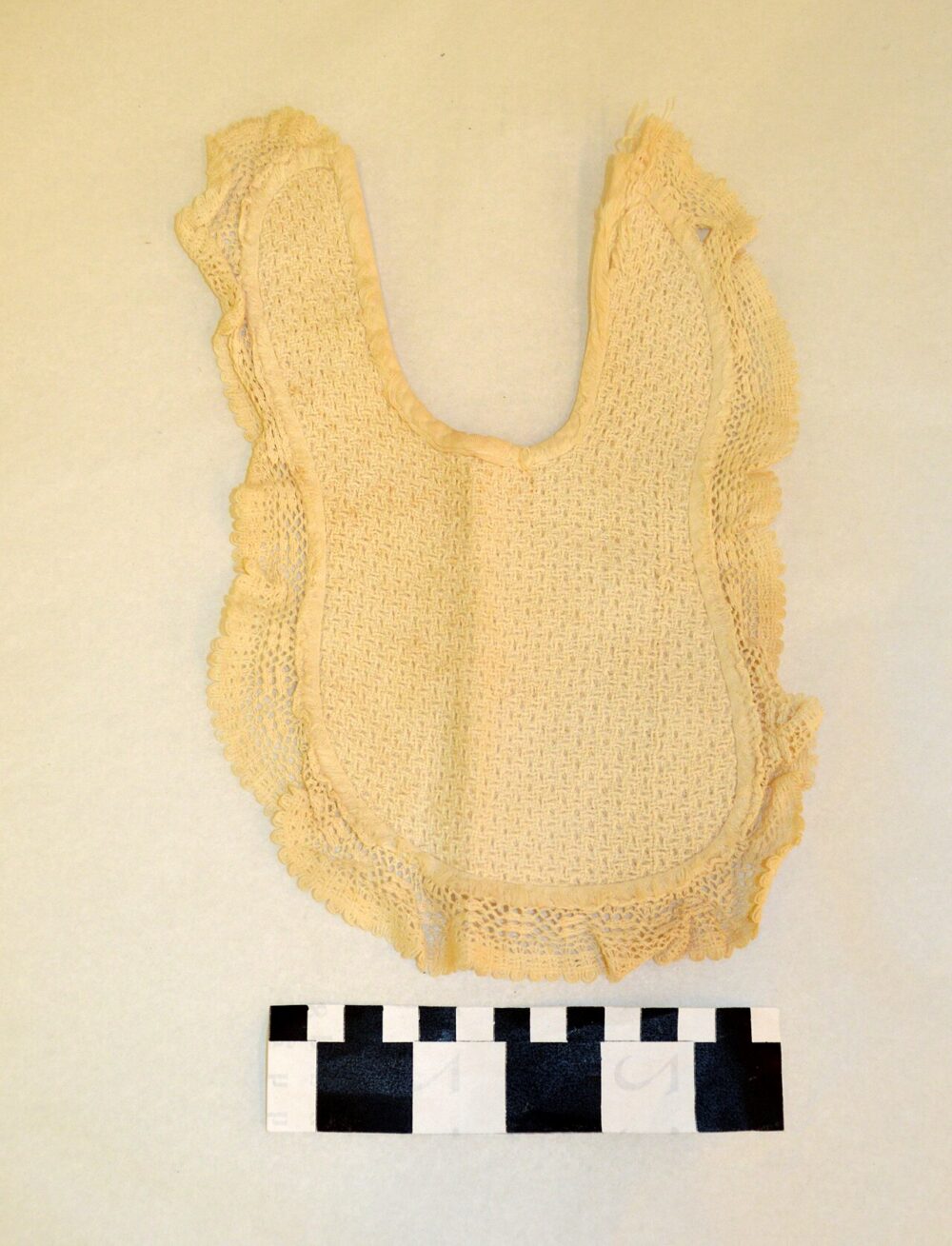
Baby bib used by William Anderson Berryman. Smithsonian National Museum of African American History and Culture, public domain.
Baby bib cost components
For baby bibs, your total landed cost typically looks like:
- Base bib price – cotton, terry, or silicone; blank vs printed
- Customization – screen print, embroidery, sublimation, or digital print
- Shipping & handling – domestic parcel vs freight, or international air/sea
- Duties/import fees – if you’re importing finished bibs into the US
US wholesale sites such as BulkApparel, KidsBlanks, BlankStyle, and The Laughing Giraffe focus on blank baby bibs for decorators. They advertise bulk discounts aimed at small brands, hospitals, and embroidery/printing shops, typically with tiered pricing as your order size goes up.
Marketplace listings show the other side of the range. A snapshot of DHgate silicone bib listings checked on 2026-10-08 shows multiple food‑grade, waterproof baby bib products:
- Upgrade Wholesale Household Sundries Food-Grade Silicone Bibs listed in the household sundries category with a price range around USD 5.22-8.92 per lot.
- Baby Silicone Bibs Waterproof Bib Solid Color in “Bibs & Burp Cloths” with ranges roughly USD 12.92-13.53 per lot.
- Soft Silicone Baby Feeding Bibs Waterproof around USD 23.15-24.25 per lot.
These ranges illustrate that generic silicone bibs from cross‑border sellers can sit in the low double‑digit USD per lot, but unit cost depends on how many bibs are actually in the lot, the MOQ, and shipping.
Custom-name silicone bibs are a step up. A listing like Custom Silicone Baby Bib with Name Cartoon Print showed a higher lot price band (about USD 19.40-20.85) than comparable generic bibs at the same snapshot date, reflecting personalization work.
Event and race bib cost components
Race and event bibs are closer to printed signage than clothing. Vendors such as CustomizedRaceBibs, BibBoards marathon numbers, BibNumbers, BoulderBibs, and timing providers like RaceResult specialize in Tyvek or similar materials with bold numbers and sometimes chips.
Your total cost here typically includes:
- Bib stock (Tyvek/paper/non‑woven/cloth)
- Numbering and custom graphics (logo, sponsor blocks, participant names)
- Optional add‑ons (tear‑off tags, RFID timing chips)
- Shipping, rush fees, and any design/setup charge
Because race bibs are almost always custom-printed, the per‑unit headline price is only meaningful at a given quantity and design complexity.
Quick price-structure snapshot
Here’s how those cost components compare in practice:
| Bib type | Typical base product source | Main cost drivers | Price pattern (editorial judgment) |
|---|---|---|---|
| Blank baby bibs | US wholesalers (BulkApparel, KidsBlanks) | Material, quantity tiers, domestic freight | Moderate unit price, predictable tiers |
| Custom baby bibs | US printers, cross‑border marketplaces | Custom print/embroidery, setup, shipping | Higher per unit; setup fee often significant |
| Race/event bibs | Specialized race bib vendors | Material, numbering, graphics, add‑ons | Strong MOQ effect; big drops at scale |
How MOQ, Customization and Timing Push Bib Prices Up or Down
If your quotes for bulk bibs feel random, it’s usually three levers moving at once: minimum order quantity (MOQ), customization, and timing.
Minimums and lot sizing
For race bibs, Specialized vendors often have hard minimums (for example, 50, 100, or more pieces) because setup and pagination don’t make sense below that.
Customization complexity
Customizing bibs does two things to cost:
- Raises the base price: Custom-name silicone bibs like the DHgate example above sit above generic equivalents because they include name and artwork printing.
- Adds non‑repeatable fees: You may pay a separate setup or design charge for screens, digitizing embroidery, or laying out race numbers and sponsor logos.
You can trim these costs by:
- Using one print color or simple line art instead of full‑color photos on baby bibs
- Limiting custom elements on race bibs to essential branding and clear numbers
Timing and seasonality
Bib demand is seasonal. US baby bib wholesalers supply year‑round, but race bib vendors see spikes around popular race seasons. Urgent timelines often incur:
- Rush production charges
- Premium shipping services
If you’re organizing a spring half marathon or building inventory for Q4 baby‑gift sales, booking bib production earlier can unlock cheaper tiers and slower (lower‑cost) shipping methods.
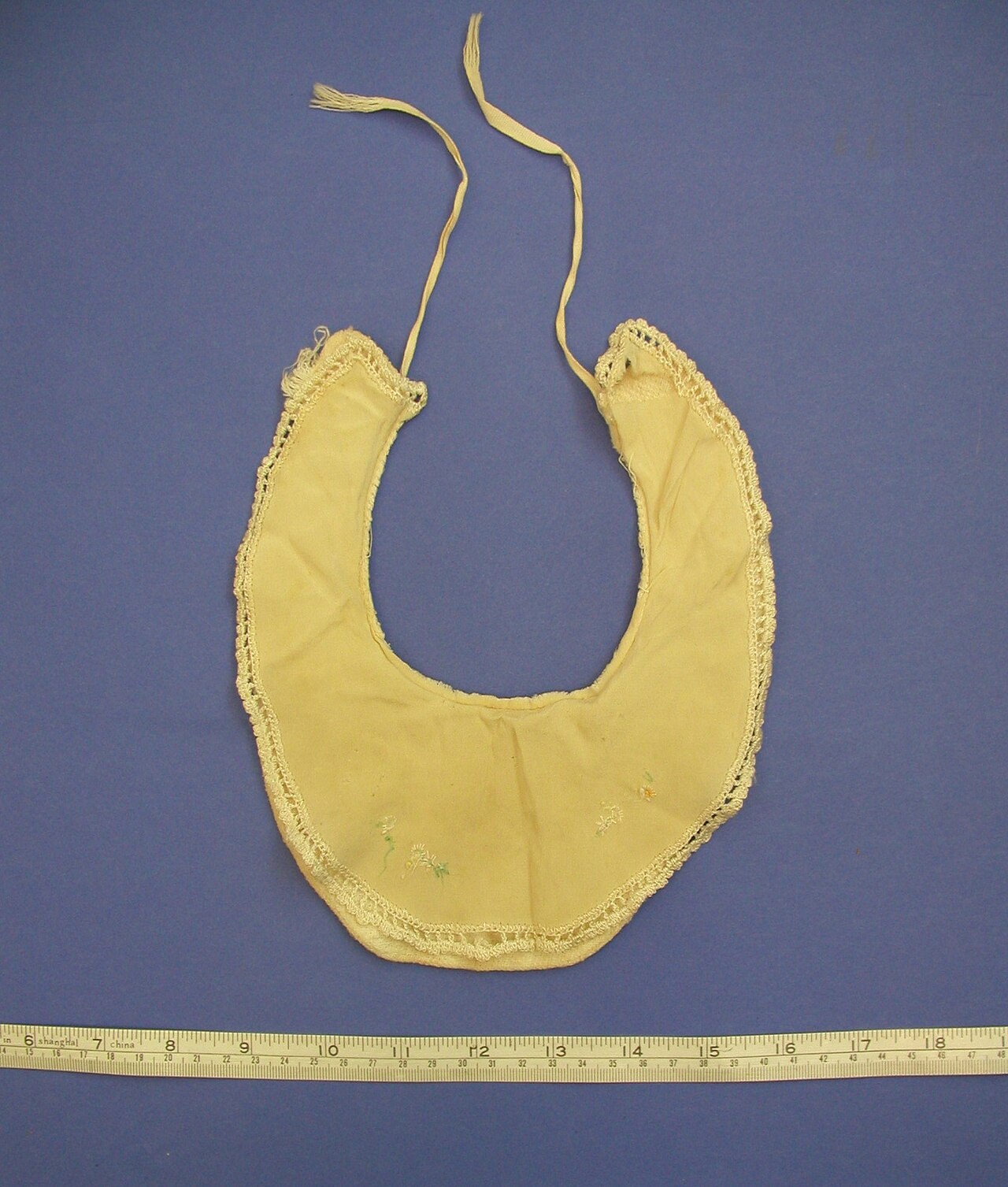
Example of a cloth baby bib from the Auckland Museum collection. Photo: Ina Sodersten/Auckland Museum, CC BY 4.0.
Choosing the Best Channel: Domestic Wholesalers vs Marketplaces and Cross-Border Imports
To get the best value, you’ll want to pick a channel that matches what you’re buying.
For baby brands and small ecommerce sellers
If you decorate or resell baby bibs in the US, a common pattern is:
- Blank bibs from US wholesalers, customization done locally. Sites like BulkApparel, KidsBlanks, BlankStyle, and The Laughing Giraffe focus on CPSIA-conscious blanks, with domestic shipping and predictable MOQs.
- Finished customized bibs from US printers if you don’t want to manage decoration.
- Cross‑border marketplaces for low‑cost finished silicone bibs when margins are tight and you can absorb longer transit times and more hands‑on quality vetting.
On a marketplace like DHgate, the silicone bib snapshots above show how generic bibs can land in relatively low double‑digit USD price bands per lot, while custom-name bibs cost more. That can make sense if you:
- Need a distinctive silicone style that domestic wholesalers don’t carry
- Are ordering enough volume for international freight to remain efficient
- Are prepared to vet listings and sellers for food‑grade materials and safe construction
You’ll also want to ignore irrelevant results: DHgate, for example, lists food‑grade sterile BIB bags for liquid packaging. These have nothing to do with clothing bibs, but they appear when you search “bib,” so category and description checks matter.
If you decide to explore DHgate more deeply as a sourcing option rather than just a price reference point, you can compare its marketplace style with alternatives like AliExpress, Alibaba, and Temu using this marketplace comparison, and review how customs and import fees affect landed cost in this import-fees explainer.
For race directors and event organizers
Race bibs are specialized enough that domestic custom vendors usually make the most sense:
- You get dedicated support for numbering, corral codes, and sponsor layouts.
- Materials like Tyvek are chosen for sweat and weather resistance.
- Turnaround is aligned with typical race planning cycles.
Vendors such as CustomizedRaceBibs, BibBoards, BibNumbers, BoulderBibs, and RaceResult are designed around race workflows in a way general marketplaces aren’t. Cross‑border sourcing can look cheaper on paper, but the risk of delayed or misprinted bib numbers often outweighs modest savings for time‑sensitive events.
Practical cost-optimization moves
Once you know which channel fits your project, you can usually trim costs without sacrificing safety or branding by:
- Standardizing designs: Use one core bib design with small variable elements (e.g., color or a small logo change) so you’re not paying new setup fees every time.
- Batching orders: Combine multiple small events or product drops into one larger bib order to unlock better price tiers.
- Balancing material vs margin: For baby bibs, upgrading to durable silicone or higher‑quality cotton can reduce returns and negative reviews, preserving margin long‑term even if the unit price is higher.
- Planning around shipping: Allow enough lead time to use slower, cheaper shipping options, especially for cross‑border orders.
If your strategy includes cross‑border sourcing, you can also look at how to systematically find and vet wholesale suppliers on DHgate using this sourcing overview, then plug that into your bib cost calculations.
The core idea: bulk bibs and custom bibs are a low-ticket item with real complexity hiding in customization, MOQs, and logistics. Match the bib type to the right channel, keep your artwork and materials purposeful, and you’ll get smarter pricing without exposing your customers — or your race participants — to unnecessary risk.