
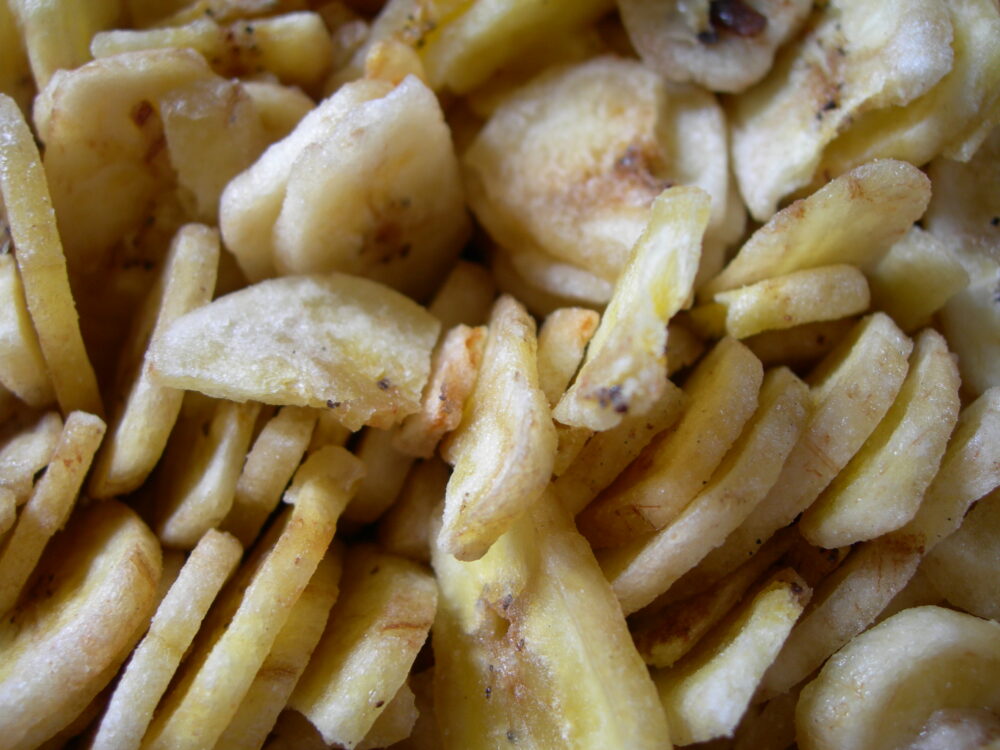
You’ll get the lowest reliable cost per pound on bulk banana chips by treating them as a wholesale food purchase, not a snack aisle impulse buy. For most US buyers and small ecommerce brands, that means comparing US bulk food wholesalers, warehouse clubs, and online retailers, then choosing case sizes and specs (sweetened, unsweetened, organic) that fit both your margin and your storage limits. Cross‑border marketplaces are usually only practical for accessories like storage bags and clips, or for much larger mixed food orders where freight is professionally managed.
What Bulk Banana Chips Really Cost: Price, Shipping, and Fees
Bulk banana chips are just banana slices that have been fried or dehydrated, often with sugar and oil, but the “bulk” part changes the math. Instead of 8-16 oz retail bags, bulk suppliers package chips in multi‑pound bags and cases aimed at bakeries, snack brands, and foodservice.
US bulk sites like BulkFoods and Bulkmart sell banana chips in large units. Bulkmart, for example, lists a 14 lb banana chips case, which is typical of true wholesale dried fruit packaging.
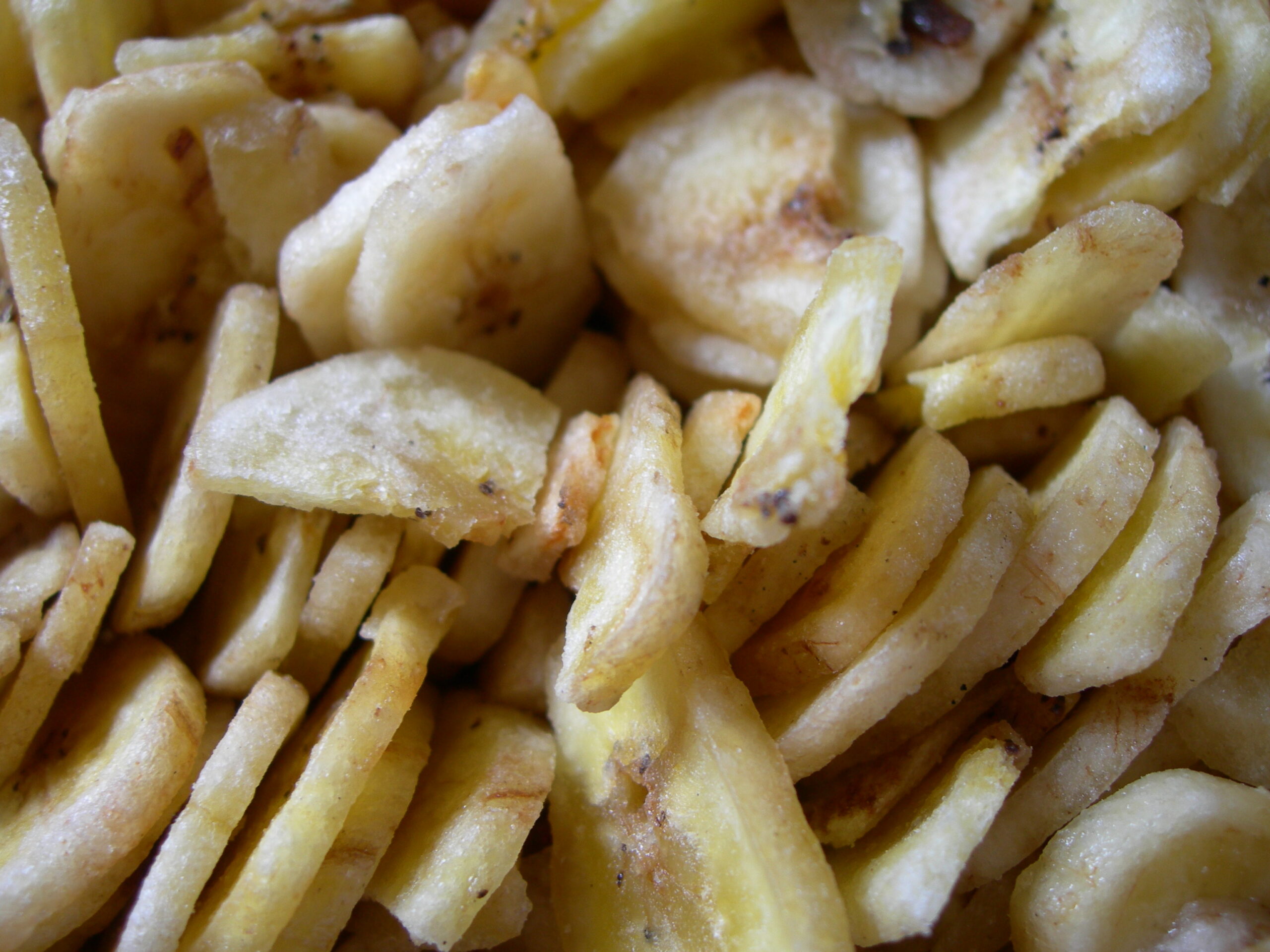
Specialty dried fruit shops also sell unsweetened chips in a wide range of sizes, from 8 oz bags up to 25 lb bulk packs for business buyers, as shown on GNADF’s unsweetened banana chips listing.
Online retailers such as Amazon’s dried banana chips category skew smaller: resealable pouches and “bulk” 3-4 lb bags clearly priced for consumers. These formats often carry a higher cost per ounce than a 10-25 lb case because you’re paying for more packaging, branding, and distribution.
To understand your real budget, break cost into:
- Product cost – the per‑pound price on the case or bag.
- Shipping – ground shipping for a 10-25 lb case inside the US, or freight if you ever import.
- Fees – payment processing and, if importing, customs/tariff charges.
Here’s a simplified comparison of typical formats and their cost behavior:
| Channel / format | Typical pack size range | Cost-per-pound behavior* |
|---|---|---|
| US bulk wholesaler (case) | 10-25 lb | Lowest per lb, higher single invoice |
| Specialty dried fruit site | 8 oz–25 lb | Moderate; improves at 10-25 lb |
| Amazon/online retail (bags) | 8 oz–4 lb | Highest per lb; pays for branding & UX |
| Warehouse club (store brand) | 2-5 lb tubs/bags | Often close to wholesale for small buys |
\*Behavior is editorial judgment based on pack sizes and formats, not exact current prices.
If you’re a small snack business, expect your true cost per pound to fall sharply once you step up from 2-3 lb retail bags into 10+ lb wholesale cases, even after adding domestic shipping.
Why Bulk Banana Chip Prices Vary: Specs, MOQ, and Timing
Banana chips look simple, but their pricing is driven by a lot of levers. Editorial sources on banana chip pricing note that banana type, processing techniques, seasonality, quality, branding, packaging, and broader economic conditions all influence cost.
For a budget‑focused buyer, the big practical drivers are:
- Sweetened vs. unsweetened: Sweetened chips (often fried in oil and coated in sugar) tend to have more processing steps and ingredients, which usually nudges prices higher than very basic unsweetened, dehydrated slices sold in bulk.
- Organic and certifications: Organic or specialty claims (non‑GMO, fair‑trade, etc.) require certified supply chains. You’ll usually see these on branded bulk lines or specialty sites, with a clear premium on the bulk case.
- Brand vs. generic bulk: A plain “banana chips” case from a wholesaler often undercuts a branded retail banana chip product per pound, because packaging and marketing are minimal.
- MOQ (minimum order quantity): Some wholesale suppliers expect you to buy at least one full case (say 14 lb) or a certain dollar amount. That can lower per‑pound cost but raise your cash commitment and storage needs.
- Seasonality and logistics: Dried bananas depend on fresh banana supply, processing capacity, and shipping conditions. Harvests, fuel costs, and currency shifts can all move prices over a year.
For your budget planning, assume:
- Pushing specs “up” (organic, branded, elaborate packaging) increases per‑lb cost more than it improves resale price in commodity snack channels.
- Pushing volume “up” (from 1-2 lb bags to 10-25 lb packs) usually cuts per‑lb cost, but only if you can move the product before it stales and store it safely.
Choosing the Cheapest Sensible Channel and Optimizing Your Order
For US buyers, the main channels for bulk banana chips are domestic wholesale, warehouse clubs, and general online retail. Cross‑border platforms can play a niche role.
1. Domestic wholesale and specialty bulk sites
Suppliers like BulkFoods, Bulkmart, and specialty dried fruit shops (including the GNADF unsweetened example above) are designed for buyers who think in cases and cartons.
These sites are usually your best shot at a low, predictable cost per pound because:
- You can buy in 10-25 lb increments.
- Product descriptions call out sweetened vs unsweetened and bulk pack sizes.
- Ground shipping inside the US is simpler than import freight.
For a small ecommerce snack brand shipping 50-100 small bags a month, a single 14 lb case can cover several weeks of sales while keeping shipping and storage manageable.
2. Warehouse clubs and large retailers
Warehouse clubs (Costco, Sam’s Club, BJ’s) and big‑box grocers sometimes stock banana chips in 2-5 lb tubs or bags under store brands. They sit between retail and true wholesale: you don’t get 25 lb sacks, but you often get near‑wholesale pricing without dealing with freight accounts or pallets.
Online channels like Amazon’s banana chips bestseller list make it easy to test different brands in smaller bags, but the per‑ounce price is typically higher than a business‑grade case. That can still make sense if you:
- Only need a few pounds for recipe development.
- Want branded packaging you can resell as‑is.
3. Where cross‑border marketplaces (including DHgate) actually fit
Cross‑border marketplaces are built to ship goods from overseas sellers, but for food like banana chips they’re not always the most straightforward choice for a US buyer.
A search of DHgate products during research on 2026-10-08 surfaced banana‑related accessories rather than ready‑to‑sell bulk banana chips, such as:
- Banana Bundle Pocket Preservation Bag Vegetable and Fruit Storage Bag – a reusable storage bag for produce.
- Large Chip Bag Clips Plastic Assorted Sizes – plastic clips for sealing food bags.
- 1/2pcs Banana Bundle Pocket Reusable Food Preservation Bag – another variant of reusable produce storage.
Listings and prices on DHgate change over time, but this snapshot suggests it’s better seen as a source for ancillary items (storage bags, clips, containers) that support your snack business, not as a primary supplier of bulk banana chips.
If you ever do look at food or packaging on cross‑border platforms:
- Treat each listing individually and confirm product type, materials, and intended use.
- Compare marketplaces objectively with resources such as this comparison of DHgate, AliExpress, Alibaba, and Temu.
Cross‑border sourcing becomes cost‑sensible only when you’re consolidating significant volume or working with a specialist importer; for most US snack startups, domestic bulk food channels are simpler and often cheaper all‑in.
Practical Ways to Cut Your Banana Chip Cost Without Cutting Corners
To keep your banana chip budget tight while staying safe and credible with customers, focus on how you structure each order rather than chasing the lowest price tag online.
1. Choose the simplest spec that meets your brand story. If your pitch doesn’t hinge on organic certification, a high‑quality generic bulk banana chip can drop your cost per pound substantially compared with a heavily branded organic line.
2. Step up to true bulk once your volume justifies it. As soon as you’re consistently using more than a few pounds a week, start pricing 10-14 lb and 20-25 lb packs from wholesalers and specialty dried fruit sites. Use the case sizes seen at Bulkmart and GNADF as reference points.
3. Balance case size with shelf life and storage. Banana chips are relatively shelf‑stable, but quality can suffer if you don’t store them in cool, dry conditions. If you can’t protect a 25 lb sack, a 10-14 lb case is often the budget sweet spot.
4. Bundle purchases intelligently. If you’re importing or ordering from a distant supplier, rolled‑up orders (chips plus other dried fruits) can spread shipping cost over more units. Domestically, combining cases on one order often reduces your per‑case freight charge.
5. Use domestic retail channels for testing, not supply. Buy a few brands from Amazon or a warehouse club to test taste and customer response, then migrate successful products to bulk wholesale formats for long‑term sourcing.