
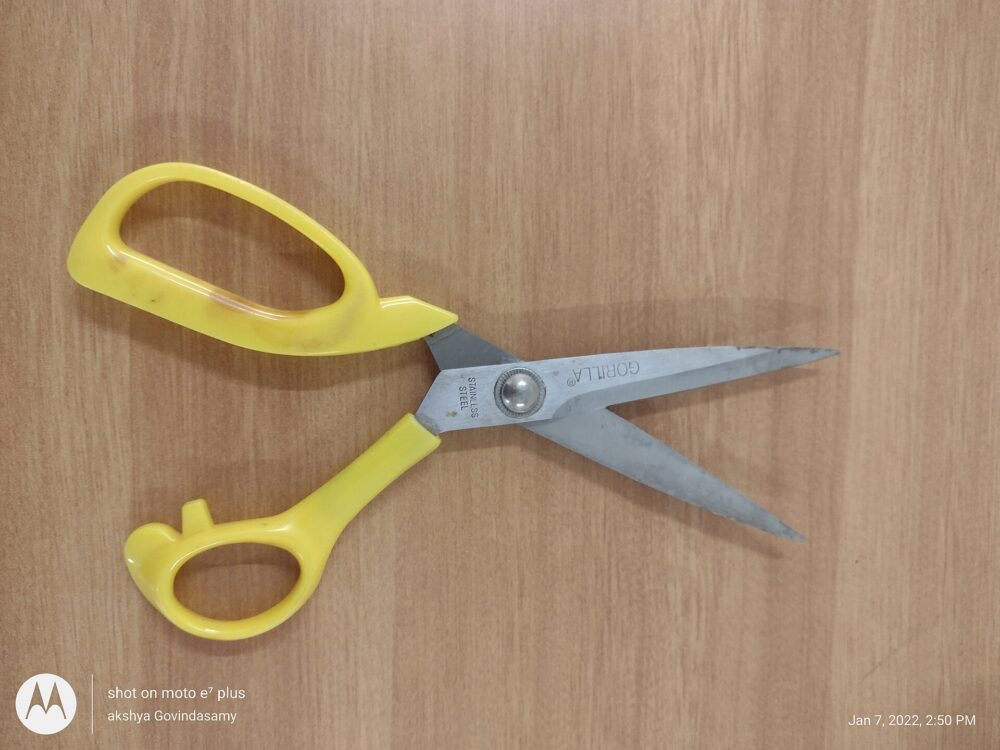
If you’re buying scissors in bulk for a classroom, salon, kitchen, or online store, the best deals come from three moves: match the scissor grade to the job, calculate your true landed cost per unit (including shipping and any import fees), and then compare that number across several channels before you commit. Cheap classroom packs on Amazon-type marketplaces can be the right answer for a school, while higher-end hairdressing shears might justify factory-direct or cross-border sourcing even with extra paperwork.
The goal isn’t the lowest sticker price; it’s the lowest per-use cost that still feels safe and usable for your buyers.
What Really Drives the Cost of Bulk Scissors
For bulk scissors, you pay for four things:
- The scissors themselves (materials, design, brand)
- Shipping and handling
- Customs/import exposure (for cross-border orders)
- Fees and overhead (payment processing, storage, labeling)
Those pieces look different depending on what you’re buying.
Budget expectations by use case
- Classroom and school scissors. These are usually blunt-tip, small-size, and built for paper. Bulk classroom packs are marketed directly to teachers on marketplaces like Amazon’s classroom scissors listings, often in 20-30+ packs. You’re paying for safety and quantity, not precision, so the acceptable price band per piece is low.
- Household/office scissors. Think general-purpose 8″ scissors for paper, light craft, and packaging. Here you can trade down on brand if you trust the steel and the pivot, but going too cheap shows up as rough cuts and short lifespan.
- Kitchen scissors. These need better steel, corrosion resistance, and sometimes special shapes (poultry or bone shears). Listings on cross-border platforms show heavy-duty stainless designs and multi-functional shears; price spreads widen quickly as you add features like all-steel construction or multi-tool handles.
- Industrial and trade scissors. Aviation shears, tin snips, and other heavy-duty cutters use thicker, higher-grade steel and reinforced handles. Wholesale platforms such as Made-in-China’s “Wholesale Scissors” section list these with factory-style pricing and minimum order quantities (MOQs) often in the 100-200-piece range.
- Hairdressing/barber scissors. Here sharpness, balance, and ergonomics matter. DHgate’s own editorial content on barber scissors notes that high-end tools can go into premium pricing territory, while budget shears exist for occasional use.
You’ll usually save by stepping down one quality tier from “brand-name retail” to “generic but competent.” The trick is not to step down so far that returns, complaints, or short lifespans erase the savings.
How Order Size, Specs, and Timing Change Your Price
Quotes for wholesale scissors are rarely one-size-fits-all. They shift based on how much you buy, what you customize, and when you place the order.
Quantity and MOQ
Factory-oriented B2B sites like Made-in-China and similar directories commonly show MOQs around 100-200 pieces for many scissor types. As quantity rises, per-unit pricing typically falls, but:
- If you only need 50 classroom scissors, a domestic marketplace multipack may be cheaper than meeting a 200-piece factory MOQ.
- If you’re buying 2,000 kitchen or industrial scissors, crossing the MOQ threshold and asking for a price break can dramatically change your per-unit math.
Specs that move the needle
A few line items matter far more than others:
- Steel type and blade thickness. Stronger steels and thicker blades (for kitchen or industrial use) raise material cost but increase lifespan.
- Safety features. Rounded tips for kids, locking mechanisms on industrial scissors, or protective sheaths all add small costs that can stack up in bulk.
- Handle and ergonomics. Rubberized or offset handles cost more to manufacture but reduce fatigue for office workers or stylists.
- Brand and packaging. White-box bulk is cheaper than retail-ready, hang-card packaging. If you’re a reseller on Amazon or your own site, packaged units may be worth the added cost.
If you’re customizing logo or packaging, expect setup fees that only make sense across higher volumes. For a small business, that usually means branding hairdressing or specialty scissors, not disposable classroom sets.
Timing and seasonal demand
For US buyers, timing is especially noticeable in two segments:
- Back-to-school season. Domestic suppliers and marketplaces often promote bulk classroom scissors around late summer. You might catch discounts but also stock-outs if you wait too long.
- Holiday and peak retail periods. For gift sets or premium kitchen scissors, factories may be busier, which can raise quotes or extend lead times.
If you have storage space, buying off-season and holding stock is a straightforward way to reduce your effective cost.
Choosing the Right Channel and Cutting Your Overall Spend
You have three broad ways to source bulk scissors: domestic retail/marketplaces, domestic wholesalers, and cross-border B2B marketplaces or factories.
How the main channels compare
Here’s a practical view of where each channel tends to shine, based on typical offers visible across marketplaces and wholesale directories:
| Channel type | Best suited for | Typical MOQ feel | Key budget advantage |
|---|---|---|---|
| US marketplaces (Amazon, etc.) | Classroom, household, small office | Often 10-50 via multipacks | Fast delivery, no customs, simple purchasing |
| Domestic wholesalers/importers | Schools, corporate buyers, regional resellers | Usually cartons but flexible | Predictable quality, easier returns and reorders |
| Cross-border B2B marketplaces | Kitchen, industrial, hairdressing, private-label | Commonly 100-200+ pieces | Direct-from-factory pricing, customization |
Domestic classroom suppliers and Amazon-style marketplaces are often the simplest route for schools or offices that just need reliable, safe scissors in moderate quantities. Bulk packs are already pre-sized for a class or department, and you sidestep customs and import paperwork.
Factory-oriented platforms such as Made-in-China’s scissors directory list many categories—from student scissors to gardening and industrial cutters—with MOQs and contact points for direct negotiation. You’re trading ordering complexity for more aggressive pricing and spec control.
Where a marketplace like DHgate might fit
DHgate is one cross-border marketplace that hosts a wide range of scissor listings: multifunctional kitchen shears, household scissors, industrial cutters, and hairdressing tools. Around 2026-09-29, a snapshot of DHgate listings showed price ranges that vary significantly by type:
- Heavy-duty kitchen shears with stainless construction (Kitchen shears listing) in the mid–double-digit USD range per item.
- Multifunctional kitchen scissors for fish, meat, and barbecue (multi-purpose kitchen scissors) with slightly lower price ranges.
- Industrial metal-sheet scissors and aviation snips (industrial scissors example) at higher price points, reflecting heavier construction.
- Professional hairdressing scissors sets (hairdresser scissors set) spanning a broad range depending on whether they’re marketed as pro-grade.
These listings and prices can change at any time, but they illustrate a useful point: on cross-border marketplaces you’ll see very different price tiers for the same general tool category based on material, intended use, and seller.
For broader marketplace comparisons—DHgate versus AliExpress, Alibaba, and Temu—you can look at this marketplace comparison overview to understand which platforms tend to favor small MOQs versus large factory orders.
Practical Ways to Lower Your Scissor Spend Safely
Instead of chasing the single “cheapest” source, build a simple playbook tailored to scissors:
- Align quality to use. Spend more where sharpness and performance matter (hairdressing, kitchen, industrial). Take advantage of lighter-duty, safe designs for classrooms and general office use.
- Use volume breaks strategically. If you can standardize on one scissor spec for several customer segments, stretching to a higher quantity tier with a wholesaler or factory can drop your per-unit cost.
- Mix channels. A school district might buy classroom scissors from a domestic educational supplier while sourcing kitchen scissors for cafeterias via a cross-border B2B marketplace. A small ecommerce brand might use domestic multipacks for starter inventory, then move to factory-direct once sales prove out.
- Negotiate on larger orders. DHgate blog content on bulk shopping and calculators bulk emphasizes the same levers that apply here: compare prices across sellers, ask about quantity discounts, and watch for promotions that temporarily move a listing into your budget band.
- Protect yourself on imports. Before you place a large cross-border order, confirm how duties and fees will be calculated for scissors entering the US. That affects your real per-unit cost and whether the deal is still attractive. The import-fees explainer linked above is a good starting point.
If you treat each scissor category—school, household, kitchen, industrial, hair—as its own mini project, match the channel to that category, and run the math on landed cost per usable unit, you’ll usually find a mix of domestic and cross-border sources that gives you strong value without unpleasant surprises.