
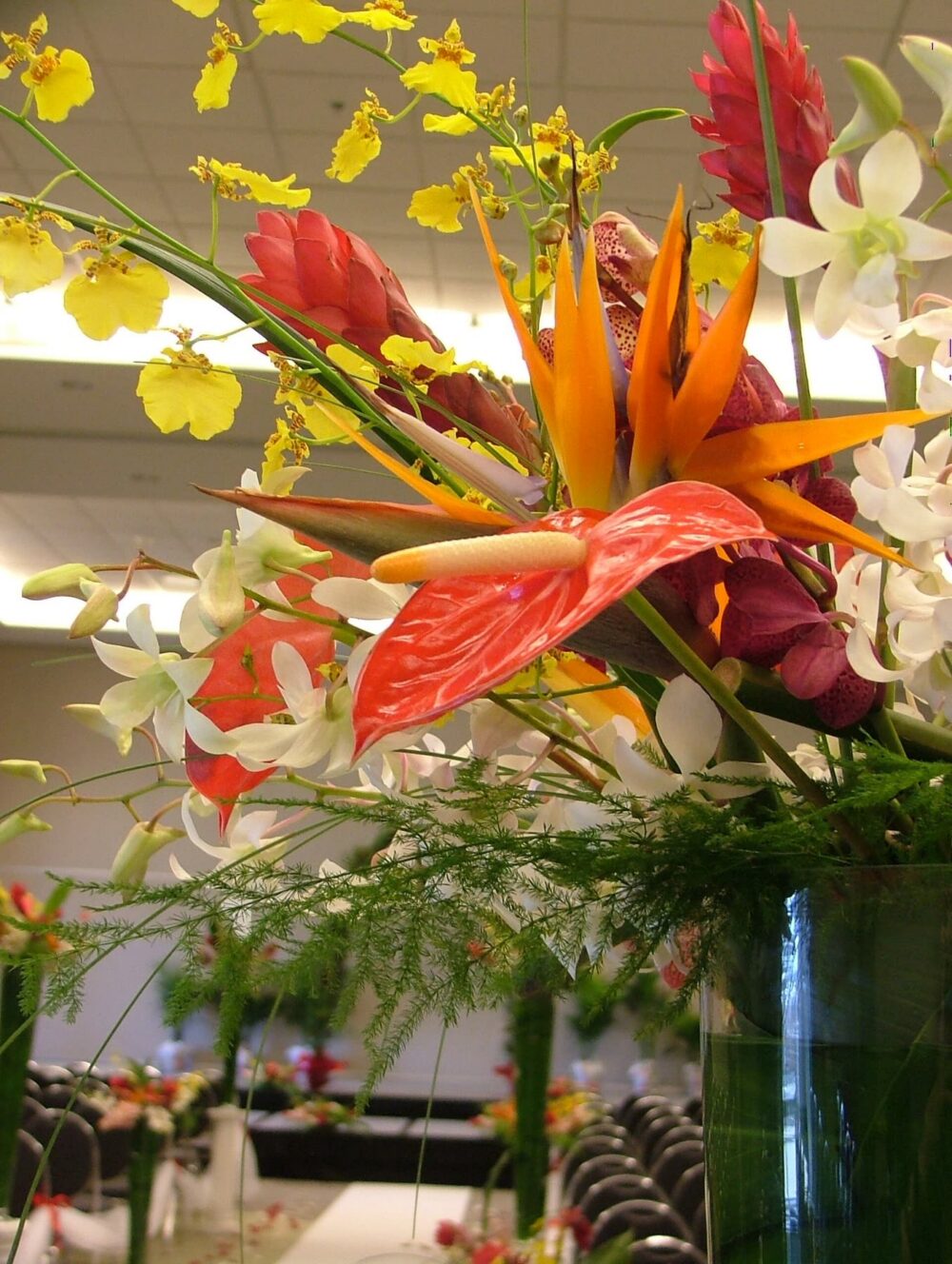
Wedding flowers get expensive fast because you’re paying for three things at once: the flowers themselves, a lot of skilled labor, and last‑minute logistics. To keep your wedding flowers and arrangements affordable, treat them like a budget system. Choose in‑season, common blooms (like carnations, daisies, basic roses and baby’s breath) for volume, reserve premium flowers for a few focal pieces, consider pre‑made sets or DIY for simpler items, and match your sourcing channel—local florist, Zola‑style curated kits, Amazon, wholesale, or marketplaces—to how much control and effort you’re willing to invest.
What Really Drives the Cost of Wedding Flowers and Arrangements
Florals aren’t just “a bouquet price.” Here’s what actually drives the bill:
1. Flower type and seasonality Premium, fragile blooms (garden roses, peonies, orchids) tend to cost more, especially out of season. In contrast, in‑season workhorses like daisies, sunflowers, carnations and standard roses are commonly more affordable because they’re widely grown and easier to source. Fillers such as baby’s breath, carnations and daisies are often used specifically to add texture and volume without dramatically increasing cost.
2. Volume and complexity Every extra bouquet, boutonniere, arch swag or centerpiece adds stems and labor. A simple greenery‑heavy table arrangement is cheaper than a compote packed with mixed premium blooms, even if they look equally styled.
3. Labor and design time You’re paying for design, conditioning, arranging, delivery, and setup. Intricate installations—floral arches, hanging clouds, staircase garlands—require hours of on‑site work and often an assistant team.
4. Rush, storage, and logistics Fresh flowers are perishable, so timing matters. Florists build in costs for cold storage, last‑minute replacement stems, delivery windows, and sometimes teardown.
5. Extras that quietly add up Vases, rental stands, candles, ribbons, preservation, and taxes/fees all stack on the total. Even budget blooms can feel expensive once you multiply these across 15-20 tables.
Once you see each cost driver, it’s easier to decide where you want to spend (bridal bouquet, ceremony backdrop) and where you’re fine with simpler, cheaper solutions (cocktail tables, buffet, bar).
How Your Choices Change the Price: Flower Types, Formats, and Customization
Your individual choices—species, fresh vs faux, DIY vs florist—change the budget more than you might think.
Choosing flower types and fillers
If you want abundant flowers for less:
- Use baby’s breath, carnations, daisies and other common fillers for volume. They’re widely cited as budget‑friendly and work in bouquets, centerpieces, garlands and crowns.
- Keep premium blooms to a few focal pieces: the bridal bouquet, ceremony arrangement, or sweetheart table.
- Align with your season: sunflowers and dahlias feel generous and are often reasonably priced in late summer/fall; tulips and ranunculus shine in spring.
A realistic mix: one premium flower you love, backed by lots of affordable fillers and greenery (eucalyptus, ferns) to increase size without matching the premium price per stem.
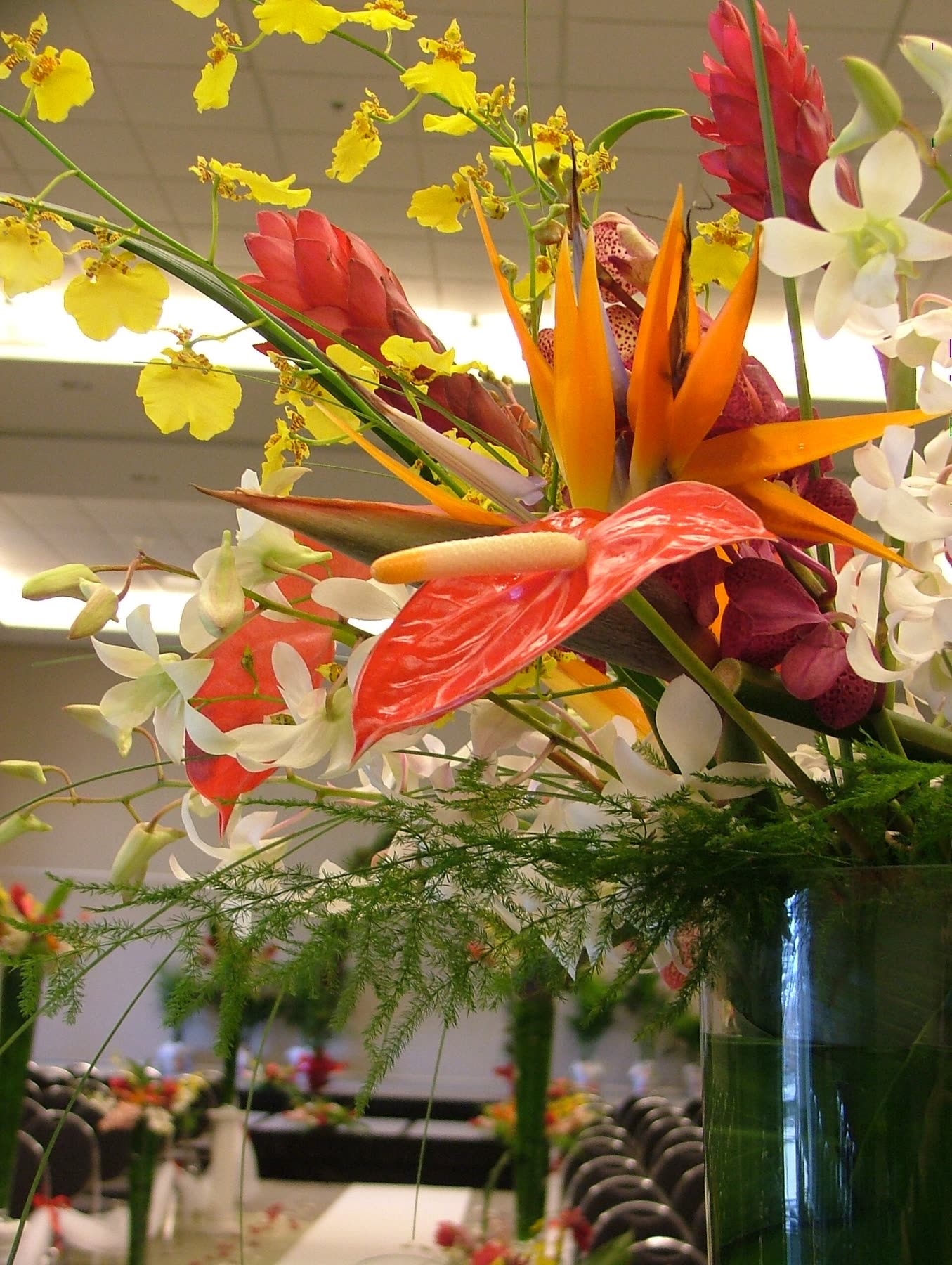
Fresh vs faux or dried
You don’t have to go all‑fresh.
- Fresh + faux mix: Use fresh flowers for the bridal bouquet and key ceremony pieces, then fill out décor (aisle markers, bar arrangements, photo backdrops) with faux stems or premade faux garlands. Mixing fresh and faux is a practical way to reduce costs while keeping plenty of visual impact.
- Dried elements: Pampas, dried grasses, and preserved blooms are popular for boho or rustic weddings. They hold up to heat, travel well, and can be reused or resold.
For budget‑conscious couples, fresh‑only works best if you limit it to high‑visibility spots and support the rest of the look with faux or dried.
DIY vs pre‑made vs full florist service
DIY with bulk flowers Buying loose stems from wholesale markets or online bulk retailers can significantly reduce per‑stem cost. This fits if:
- You want simple hand‑tied bouquets or mason‑jar centerpieces.
- You have time and helpers the day before to condition and arrange stems.
- You’re comfortable with some variance in how things look.
Pre‑made sets Platforms that sell ready‑to‑use wedding collections—bridal bouquet, bridesmaid bouquets, boutonnieres and centerpieces in fixed color palettes—sit between DIY and full service. They cut labor costs and uncertainty while still being more affordable than custom design. Many online flower companies and registry‑adjacent brands offer these kinds of sets.
Full custom florist Hiring a local florist gives you detailed design guidance, on‑site setup, and day‑of troubleshooting. This adds cost but reduces stress—especially for complicated installations or high‑temperature summer weddings.
For small ecommerce/event businesses re‑selling arrangements, pre‑made or bulk DIY approaches often make more sense financially, while a florist can be reserved for showcase events or photo shoots.
Picking the Right Sourcing Channel and Stretching Your Wedding Flower Budget
You have more options than “just call a florist.” The right channel depends on whether you’re a couple planning one wedding or a small business looking for repeat supply.
Quick comparison of common channels
Here’s a compact comparison based on typical use cases in the US:
| Channel type | Best for | Pros (budget + effort) | Tradeoffs |
|---|---|---|---|
| Local florist (independent or boutique) | Couples wanting custom design and setup | Professional design, on‑site installation, one point of contact | Higher labor cost; less control over per‑stem pricing; limited to their suppliers |
| Local farms / farmer’s markets | Seasonal, rustic or garden‑style weddings; small resellers | Often competitive pricing on seasonal blooms; very fresh; supports local growers | Limited varieties; you or a florist still need to arrange; availability tied to growing season |
| Grocery / warehouse clubs (e.g., Costco wedding flowers) | Simple bouquets/centerpieces; tight budgets | Ready‑made collections that can be cheaper than specialized florists; convenient ordering and pickup/delivery | Less customization; color palettes and styles are fixed; quality varies by store and shipment |
| Curated online sets (Zola‑style wedding florals, specialty sites) | Couples wanting coordinated design without full custom | Pre‑designed palettes, ready‑to‑use arrangements, easier planning | You pay for curation; fewer options than full marketplaces; must plan shipping ahead |
| Amazon and other large marketplaces | Faux/dried flowers, decor, simple bulk stems | Huge selection, fast shipping on many items, transparent user reviews | Quality can vary; listings change often; you manage design and setup |
| Wholesale/bulk online flower retailers | DIY weddings, event/floral businesses | Lower per‑stem cost for bulk orders; broad flower range | You must handle conditioning, design, and logistics; shipping windows matter |
Local flower farms are often worth a look if you’re open to seasonal designs. For example, Mac’s Flower Farm in Missouri describes offering seasonal wedding flowers directly from the farm, which can be a cost‑effective alternative to traditional florists when your design matches what’s in season (Mac’s Flower Farm weddings). Warehouse clubs like Costco, which lists wedding‑appropriate flower packages online, can also sell arrangements at lower price points than boutique florists for certain styles (Costco wedding flowers).
Where Zola- and Amazon-style options fit
If you’re comparing Zola‑style curated solutions with Amazon marketplace‑style sourcing:
- Think of Zola‑like curated sets as a semi‑DIY route: fewer decisions, coordinated palettes, and often bundles designed specifically for weddings. You give up some flexibility but gain simplicity.
- On Amazon, you can piece together faux stems, dried bouquets, vases, ribbons, and sometimes fresh bulk boxes from different sellers. This is powerful for budget control and very specific aesthetics but demands more vetting (reviews, photos, seller history) and hands‑on prep.
For a couple that wants minimal effort: curated sets or grocery/warehouse wedding collections are attractive. For a small ecommerce business that plans to resell arrangements or rent décor: Amazon and wholesale sites can support consistent, repeatable sourcing with tighter margin control.
How a marketplace like DHgate might fit
Some couples and small businesses also look at cross‑border marketplaces for faux flowers, dried stems, ribbons, vases, and décor rather than fresh flowers. DHgate, for example, is a general marketplace where overseas sellers offer bulk faux florals and wedding decor. If you explore that route, treat it as a cost‑control option for non‑perishable items, and make sure you:
- Read listing photos and descriptions carefully for material quality and color accuracy.
If your priority is fresh, time‑sensitive flowers, US‑based farms, wholesalers, and grocery/warehouse options usually make more logistical sense. Marketplaces can be more relevant for the reusable parts of your wedding floral story.
Practical tactics to stretch your flower budget
Regardless of channel, a few concrete moves help keep the look strong and the bill controlled:
- Limit custom work to high‑impact moments. Put your money into the bridal bouquet, ceremony arch, and sweetheart table. Use simpler arrangements or greenery for guest tables and side areas.
- Go greenery‑heavy. Eucalyptus, ruscus and ferns add texture and size at a lower cost than many blooms—especially in centerpieces.
- Standardize your designs. Repeating one simple centerpiece recipe across all tables keeps labor down, especially for florists or staff assembling from bulk flowers.
- Reuse arrangements. Move ceremony florals to the reception (arch pieces deconstructed into bar or dessert‑table arrangements, aisle markers to cocktail tables). Coordinate logistics with your planner or venue.
- Time your ordering. Many florists and bulk suppliers prefer final counts a few months out, especially for seasonal blooms. Confirm windows and avoid last‑minute changes, which often cost more.
For small ecommerce or event businesses, standardizing a small set of “signature” arrangements built from common, in‑season flowers and fillers (carnations, chrysanthemums, baby’s breath, greenery) makes pricing more predictable and sourcing simpler across local farms, grocery wholesale, and marketplaces.
If you’re weighing marketplaces like DHgate against other options on a broader level, the comparison of big platforms at DHgate vs AliExpress, Alibaba and Temu can help you decide which environment fits your sourcing style before you commit.