
You can get very usable portable Bluetooth speakers under $50, but the “real” price — especially in Canada — isn’t just the sticker. For everyday listening you’re usually paying for three things: decent sound, enough battery to last a day out, and a small, rugged design. The base unit might run $25–$50, then shipping, sales tax, and any import fees push up the total. If you’re buying a single speaker, local or domestic marketplaces typically make more sense; if you’re sourcing 5-10 units for resale, cross‑border channels can work once you’ve done the landed‑cost math.
Review lists and marketplace roundups show plenty of solid options in this bracket, including compact models from Anker’s Soundcore line, JBL’s Go and Clip series, the OontZ Angle 3, Tribit XSound Go, and Sony’s SRS‑XB12. These aren’t premium hi‑fi, but they often deliver clear sound at moderate volumes, 10-24 hours of battery life, and IPX5–IPX7 water resistance — enough for kitchens, patios, and park use.
What really drives the cost of budget portable Bluetooth speakers
For a sub‑$50 speaker, your total cost usually breaks down into:
- Product price – The core price is driven by wattage, battery capacity, waterproof rating, and brand. Editors at sites like What Hi‑Fi note that budget models are judged mainly on sound quality, battery life, portability, and ruggedness, not fancy smart features.
- Shipping and handling – Inside Canada, many retailers bake basic shipping into the price or show it clearly at checkout. Cross‑border shipping from the US, Europe, or Asia adds per‑parcel courier fees and longer transit times, which matter more for small orders.
- Taxes and import charges – For domestic online purchases, you’ll usually just see GST/HST at checkout. For cross‑border shipments, you may face duties and brokerage depending on value and origin; you can’t assume a $30 speaker will land at $30.
On the product side, budget speakers usually keep costs down by:
- Using single or dual small drivers instead of larger multi‑driver arrays.
- Offering Bluetooth only instead of multi‑room Wi‑Fi, voice assistants, or app‑based EQ controls.
- Sticking to plastic and rubber housings instead of aluminum or fabric‑wrapped designs.
Guides like Five Star Review Lab’s portable speaker roundup and GadgetWise Reviews point out that these tradeoffs are typical: under $50 you’re buying reasonable everyday performance, not luxury materials or room‑filling volume.
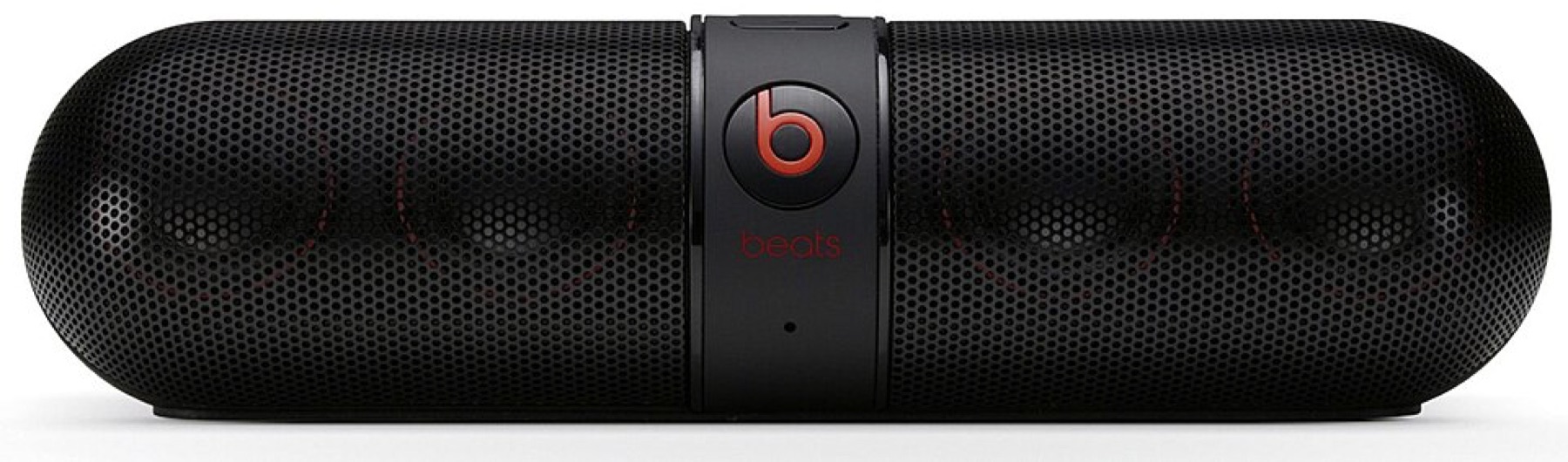
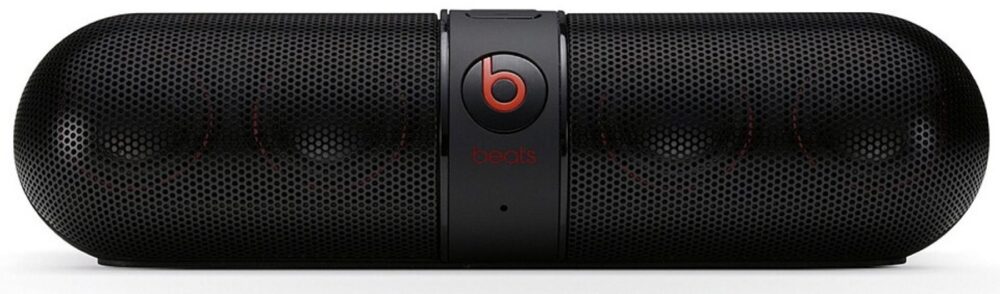
Photo: Beats, “Beats By Dr. Dre Pill Portable Bluetooth Speaker Black N2,” CC0 via Wikimedia Commons. This is an illustrative compact-speaker form factor, not a price recommendation.
Under-$50 feature sets: what’s worth paying for and what to skip
Within a $50 ceiling, certain specs move the price more than others. The question is how you’ll actually use the speaker — personally or for resale.
Here’s a compact way to think about three budget tiers:
| Rough price band | Typical use case | Sound & power pattern (editorial judgment) | Battery & durability pattern |
|---|---|---|---|
| $20–$30 | Casual indoor listening, small gifts | Often single driver; clear enough at moderate volume, limited bass | 8-12 hours common; basic splash resistance or no IP rating |
| $30–$40 | Everyday home + outdoor (balcony, park) | Dual drivers or better tuning; noticeably fuller sound for music | 12-20 hours often; IPX5–IPX7 water resistance appears more often |
| $40–$50 | Outdoor‑heavy use, entry‑level resale | Similar loudness but more balanced sound, sometimes “extra bass” tuning | Up to a full day of play; more rugged housings and rubberized designs |
Reviewer lists frequently highlight these tradeoffs:
- Sound quality vs. ruggedness – Rugged, waterproof speakers targeted at outdoor use can still be found under $50, but guides note they may have more modest sound or battery specs compared with non‑rugged peers in the same price band. You’re paying for IPX7 rubberized cases instead of bigger drivers.
- Battery life vs. size – Tiny models like ultra‑compact JBL Go‑style speakers are extremely portable but often top out around 5-10 hours. Slightly larger models (such as Tribit XSound Go) are often noted for “marathon” batteries in the 20+ hour range.
- Brand premium – Recognizable brands (Sony, JBL, Bose) often charge closer to the top of the $50 bracket for similar raw specs. Less‑known brands and house labels can hit similar performance at lower prices but may vary more in quality.
For everyday personal use, a sensible compromise is a $30–$40 compact speaker: IPX5–IPX7 rated, 10-20 hours of battery, and balanced sound at normal listening levels. If you’re sourcing for resale, units around $25–$30 wholesale equivalent (before shipping and import) give you room for margin while still feeling “better than phone speakers” to your customers.
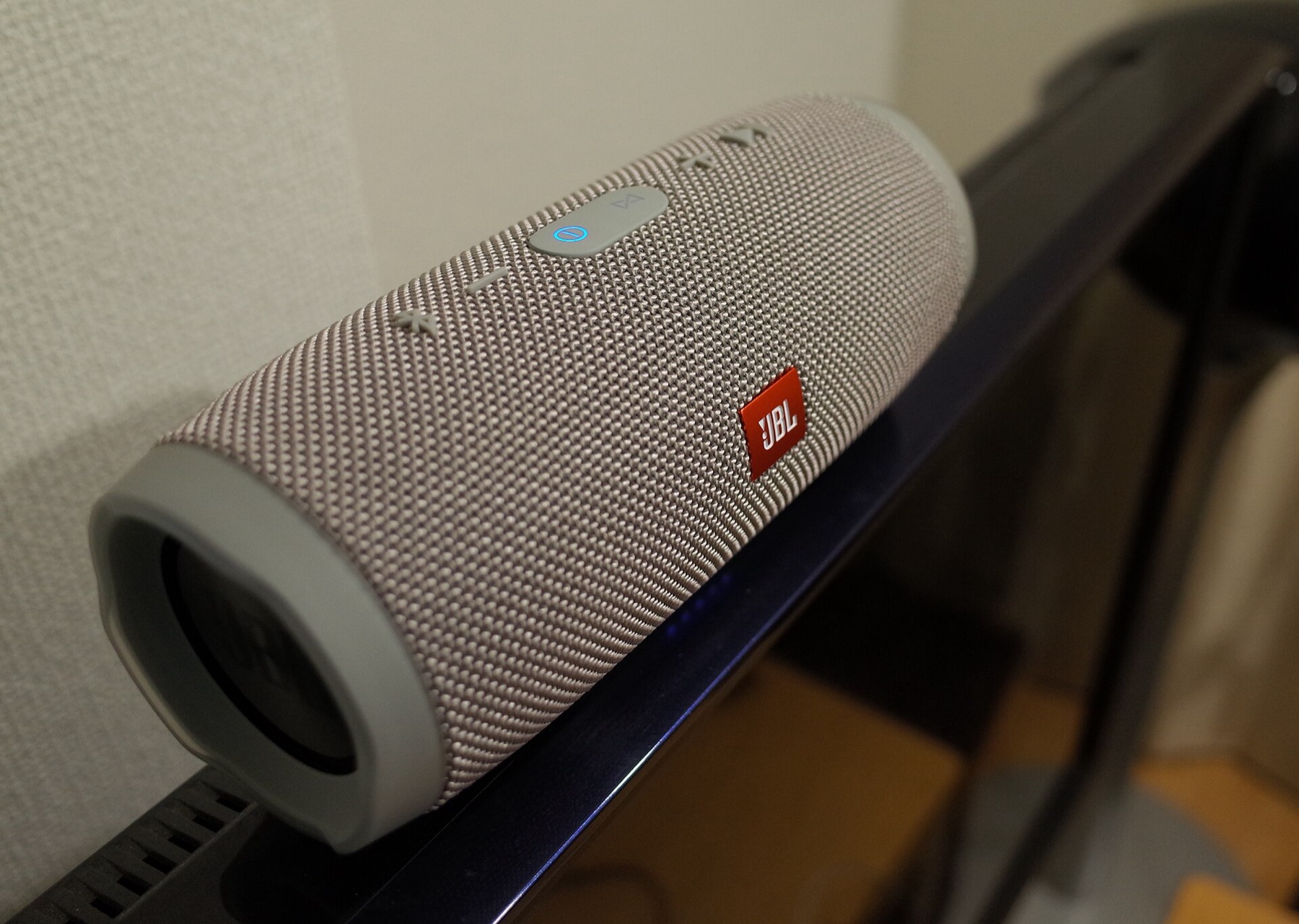
Photo: Masahiko OHKUBO, “JBL Charge 3 portable Bluetooth speaker,” licensed CC BY 2.0 via Wikimedia Commons.jpg).
Cost‑saving tip (personal use): Skip extra features like RGB lights, built‑in FM radio, or voice assistant buttons unless you’ll truly use them. They add cost without improving playback.
Cost‑saving tip (small‑batch resale): Favor one or two well‑reviewed models with clean packaging and clear IP rating over stocking many variants. You’ll minimize slow‑moving inventory and reduce per‑SKU marketing work.
Channel choices in Canada: local, big marketplaces, and cross-border sourcing
For Canadian buyers, you can broadly choose between:
- Local and domestic retailers – Chains and specialty audio shops list a wide range of portable Bluetooth speakers. Sites like Crutchfield Canada and Bay Bloor Radio show that you can browse curated selections, then either ship within Canada or pick up in person. This route is clean for single‑unit buys: transparent pricing, GST/HST shown at checkout, and no surprise import fees.
- Large general marketplaces – Major marketplaces serving Canada usually have hundreds of budget speaker listings, often at competitive prices. They’re good for buyers who want lots of choice and fast shipping but don’t need bulk discounts.
A practical way to compare channels:
- Buy 1 unit for personal use? In most cases, domestic channels (retailers or Canada‑friendly marketplaces) win on simplicity: you avoid brokerage surprises and get faster delivery.
- Buying 10 units for a micro‑store or local booth? Cross‑border sourcing can become attractive if the per‑unit price is significantly lower, but only after you factor in parcel weight, shipping method, and any duties.
Keeping total cost down without trashing quality
You can keep everyday speakers under $50 — and micro‑sourcing viable — by making a few concrete moves:
- Right‑size your spec sheet. If your main use is podcasts in the kitchen or quiet background music in a shop, prioritize clear mids and voice clarity in reviews over maximum loudness. Paying extra for 20+ watts doesn’t help if you never use it.
- Use timing and bundling. For personal buys, watch seasonal sale periods on Canadian retailers and marketplaces. For small‑batch sourcing, bundling 5-10 units in one shipment often beats multiple tiny parcels once you account for per‑shipment courier and brokerage fees.
- Limit SKUs. Small ecommerce sellers do better with a narrow lineup: for example, one “compact everyday” model and one “rugged outdoor” model, both comfortably under $50 landed. That makes inventory, returns, and marketing simpler.
- Test before you commit. For cross‑border options, start with a very small test order to experience sound, build, and actual delivery costs. Only then decide if the margins work.
If you later want to compare marketplaces more systematically, including DHgate against competitors like AliExpress or Alibaba for broader sourcing, you can look at this marketplace overview: Compare DHgate with AliExpress, Alibaba and Temu.
For most Canadian buyers, though, the sweet spot is simple: a reputable budget portable Bluetooth speaker around $30–$40 before tax, bought through a channel with predictable shipping. Trim the extras, keep your expectations realistic, and you’ll get far more value than your phone’s built‑in speaker without overspending.