
For Canadian buyers, the best deals on bulk Halloween treat bags come from matching your bag type and quantity to the right channel, then calculating the landed cost per bag (product + shipping + taxes/duties + fees). Light, low-value items like paper favor bags can look cheap almost everywhere, but shipping and import charges can quickly double your real cost if you guess instead of doing the math.
Below is a practical way to price out Halloween treat bags for a household, school, or small ecommerce business in Canada. Prices, availability, and terms on retailers and marketplaces can change from season to season, so treat any examples as snapshots, not guarantees.
What Halloween treat bags really cost in Canada
Most buyers only see the headline price per bag, but your budget is shaped by four components:
- Product price – what the bag itself costs.
- Shipping – parcel shipping, or factored into a domestic retailer’s free-shipping threshold.
- Sales tax and possible duties – GST/HST plus any import charges on cross-border orders.
- Fees – currency conversion, platform fees, or payment surcharges.
On the product side, Canadian-facing retailers give you a baseline:
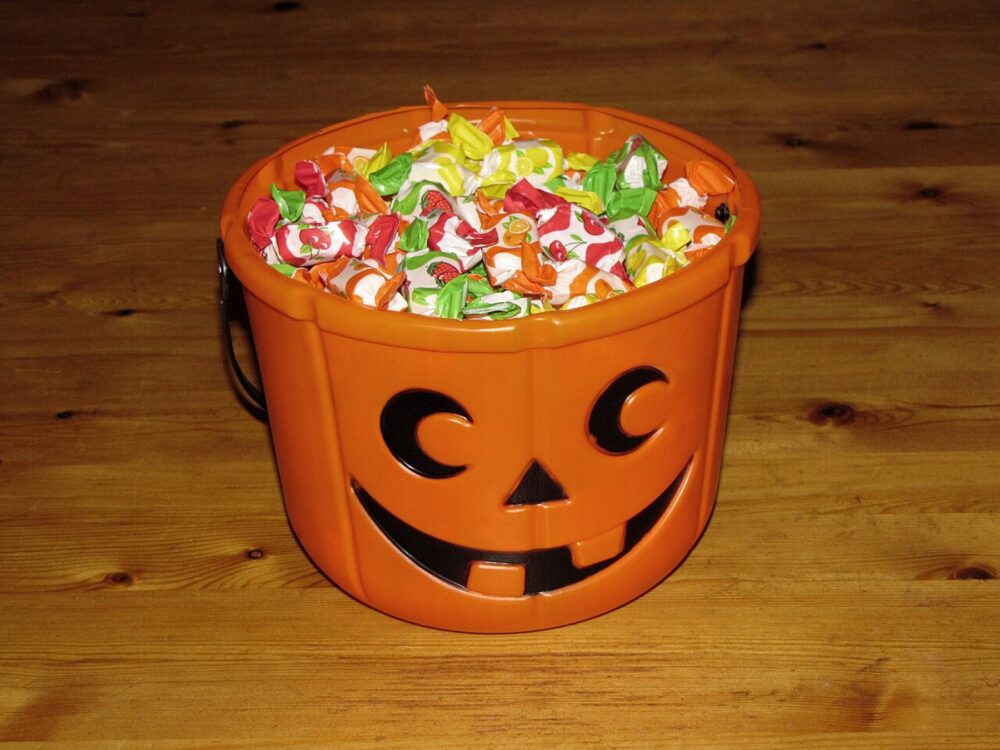
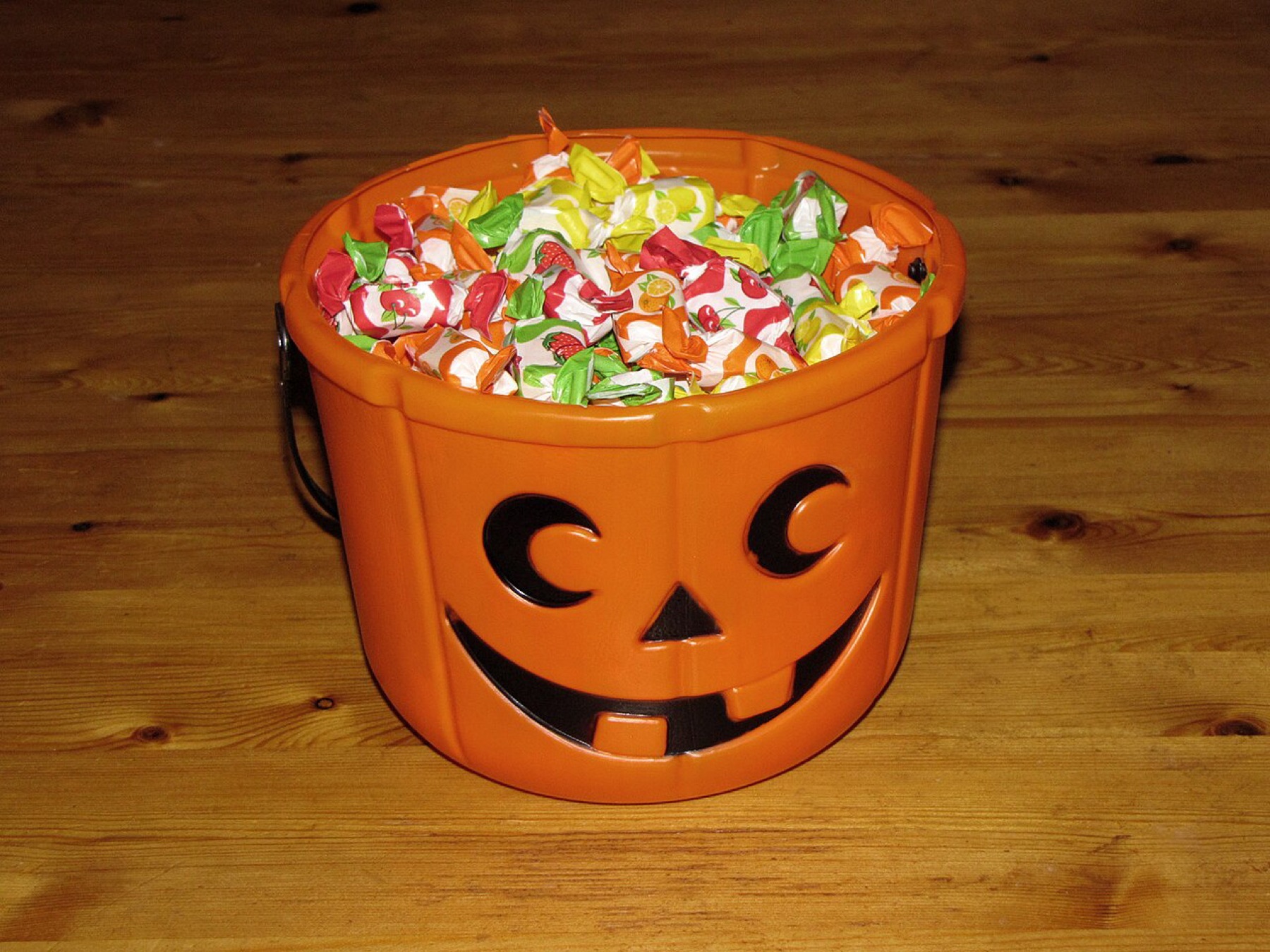
- The Halloween treat bags section on Walmart.ca shows a range of plastic, fabric, paper, and felt bags, from small favor pouches to pumpkin-shaped buckets. That’s a useful benchmark for home and classroom quantities.
- Canadian Tire’s assorted Halloween treat bags provide another domestic reference point for simple seasonal bags.
- Amazon.ca’s Halloween goodie bags include many multipacks of Halloween bags, often aimed at parties or classroom use.
Because shipping and tax share of the bill is so high at small order values, it helps to think in per-bag landed cost:
| Scenario (Canada) | Product source example | Who it suits | Budget feel per bag* |
|---|---|---|---|
| 30 paper favor bags for a classroom | Domestic retailer like Walmart.ca | Teacher / daycare | Moderate; tax + cheap shipping |
| 100 plastic goodie bags for a school fair | Marketplace like Amazon.ca multipacks | School PAC / community event | Moderate; shipping diluted |
| 300-500 paper bags with ribbons | Cross-border seller (e.g., DHgate example) | Small ecommerce / large event | Low product price, higher extras |
*Not a price quote; intended to show how costs stack.
As order size increases, product price becomes the dominant factor, and shipping/taxes become a smaller percentage. For very small orders, shipping and tax can be most of the cost.
Why “the same” Halloween bag shows up at wildly different prices
If two listings look identical but one costs twice as much, it’s rarely random. For Halloween treat bags, several levers quietly move the price:
- Material and durability.
- Paper favor bags are usually the cheapest and are often positioned as single-use party bags.
- Plastic jack-o’-lantern buckets and glow-in-the-dark buckets (described in editorial coverage of Halloween candy bags) cost more per unit but are reusable and sturdier.
- Canvas totes, non-woven totes, and plush buckets sit higher again; you’re paying for reusability and thicker materials.
- Print complexity and finishing. A simple one-color pumpkin print on paper costs less than full-color, all-over prints, metallic ink, or bags supplied with matching ribbons and tags.
- Customization and small runs. Adding a school name, logo, or brand—especially for small ecommerce shops—often triggers higher unit prices because the supplier has to set up a specific print run.
- Minimum order quantity (MOQ). Cross-border suppliers might require 100-300 units or more to hit their lowest advertised price. If a domestic retailer sells a 20-pack that looks similar, their per-bag price may be higher but you’re not stuck with surplus stock.
- Seasonality. Pricing can move in October for last-minute buyers. Domestic retailers may sell through their cheapest options first, leaving only premium bags. General guidance on Halloween flash sales recommends starting early and watching for coupons and cashback so you’re not buying at peak demand.
- Shipping method and packaging. Lightweight but bulky items like buckets cost more to ship than flat-packed paper bags. That’s why a flimsy plastic bucket can sometimes cost more than a stack of paper bags once shipping is included.
Once you know which of these you care about—durability, customization, eco-friendliness—you can decide whether the price difference you see is justified.
Choosing the right channel for your Halloween treat bag budget
Most Canadian buyers will compare three broad channels: local/digital retail, domestic wholesale or party-focused shops, and cross-border marketplaces.
1. Local and Canadian online retail
This covers big-box stores and general marketplaces that sell into Canada.
- Strengths: Low or no complexity. GST/HST is calculated at checkout, and you typically avoid separate import paperwork. You also get realistic shipping windows and familiar returns.
- Best for: Households needing 1-4 bags or one 20-50 bag multipack; teachers buying for one classroom; last-minute shoppers.
- Budget angle: You may pay a bit more per bag than cross-border bulk prices, but you save time and avoid surprises on duties and long transit times.
Walmart.ca’s mix of plastic, fabric, paper, and felt bags and Canadian Tire’s For Living-branded treat bags show what a normal seasonal range looks like; browsing those can anchor your expectations before you chase a very low price elsewhere.
When you buy this way, do a quick cost sense-check:
- Confirm how many bags are in the pack and whether you’re paying for heavy materials (like buckets) that increase shipping.
- Note the pre-tax price, then see GST/HST added at checkout.
- Look at shipping: is it free over a certain basket total, or are you paying a flat fee that should be spread over several Halloween items?
2. Domestic wholesale, party, and craft suppliers
Party-specific retailers and some craft stores (including online shops such as Party Expert) sell multi-bag packs and reusable buckets.
- Strengths: Better selection of bulk packs and higher-end materials; sometimes volume discounts; easier communication and familiar consumer protections.
- Best for: Schools, community events, and small ecommerce sellers who need dozens to a few hundred bags and want predictable timelines.
- Budget angle: Good balance between cost and risk. Per-bag prices can be competitive when you hit their volume tiers, and shipping within Canada is simpler than cross-border.
For a school ordering 200-300 bags, this channel often wins on total cost once you factor in duties, delays, and potential misprints on imported custom work.
When you’re comparing domestic wholesale options, run through the same cost steps but with volume in mind:
- Check the pack size and any price breaks at higher quantities.
- Add Canadian shipping and GST/HST.
- Divide the total by your bag count so you can compare against other wholesale offers or cross-border quotes.
3. Cross-border marketplaces (including DHgate) for bulk orders
Cross-border marketplaces host many overseas sellers of seasonal packaging. For example, a DHgate paper treat bag listing observed on 2026-09-30 showed a US$0.32-0.36 per-bag range for a 36-pack, highlighting how low unit pricing can go in bulk.
That doesn’t automatically make cross-border the cheapest option for you. Before committing, especially from Canada, you should:
- Confirm the minimum order and how price changes with quantity.
- Convert the price to CAD and consider any card or payment service fees.
- Plan for GST/HST and possible import duties on top of the price you see, since cross-border parcels can be assessed extra charges on arrival.
Cross-border bulk can work well for:
- Small ecommerce brands who need hundreds of matching bags or totes, especially if they want unusual designs not common in Canada.
If you rely on cross-border marketplaces heavily for seasonal packaging, it may also be useful to read a broader comparison like the DHgate Wiki article on DHgate vs AliExpress, Alibaba and Temu to understand general platform tradeoffs.
Two quick budget scenarios for Canadian buyers
Household or classroom: 25-40 kids
- Goal: Cute bags, minimal hassle, no surprise fees.
- Channel fit: Domestic retail or Amazon.ca-style multipacks.
- How to keep per-bag costs in check:
- Buy one or two multipacks of paper or plastic bags from a Canadian-facing retailer, ideally when you can combine it with other household shopping to reach free shipping.
- Check how many bags are in each pack and divide your total cost (including GST/HST and shipping) by that number.
- If a cross-border listing looks cheaper, repeat the same math after adding estimated duties and a realistic shipping cost; for a single classroom, the savings usually disappear.
Small ecommerce shop: 200+ orders
- Goal: Branded feel, controlled cost per order.
- Channel fit: Domestic wholesale or cross-border in true bulk.
- How to compare options step by step:
- List at least one domestic wholesale option and one cross-border option that meet your design needs.
- For each, note pack size, unit price in the seller’s currency, and any minimum order.
- Convert cross-border prices to CAD and add estimated shipping, GST/HST, and a reasonable buffer for potential import duties.
- Divide each channel’s total by your required bag count. If the per-bag difference is only a few cents, weigh that against the risk of longer transit or customs delays that could force a last-minute domestic backup.
For many small shops, the winning strategy is a mix: secure a reliable domestic option for core volume and experiment with one cross-border design where the cost advantage is clear even after all extras.
Building per-bag cost checks into every purchase
Rather than using a separate checklist, it helps to bake a few simple checks into whatever channel you choose:
- Clarify quantity and format up front. Make sure you know whether you’re buying 20, 36, 50, or 100 bags, and whether they’re flat bags, buckets, or totes that might change shipping costs.
- Think in the seller’s currency and your own. Always note the product price where it’s listed, then convert to CAD using a realistic rate or your bank’s estimator so you’re not surprised later.
- Treat shipping, GST/HST, and duties as part of the price. Add them before you mentally compare against domestic options like Walmart.ca, Canadian Tire, or marketplace multipacks on Amazon.ca.
- Compare on a per-bag basis. Divide your total landed cost by the number of bags so all channels can be compared fairly.
If your landed cost per bag is only a few cents lower overseas and you’re on a tight timeline in Canada, domestic sources often provide better value once risk and time are priced in.