
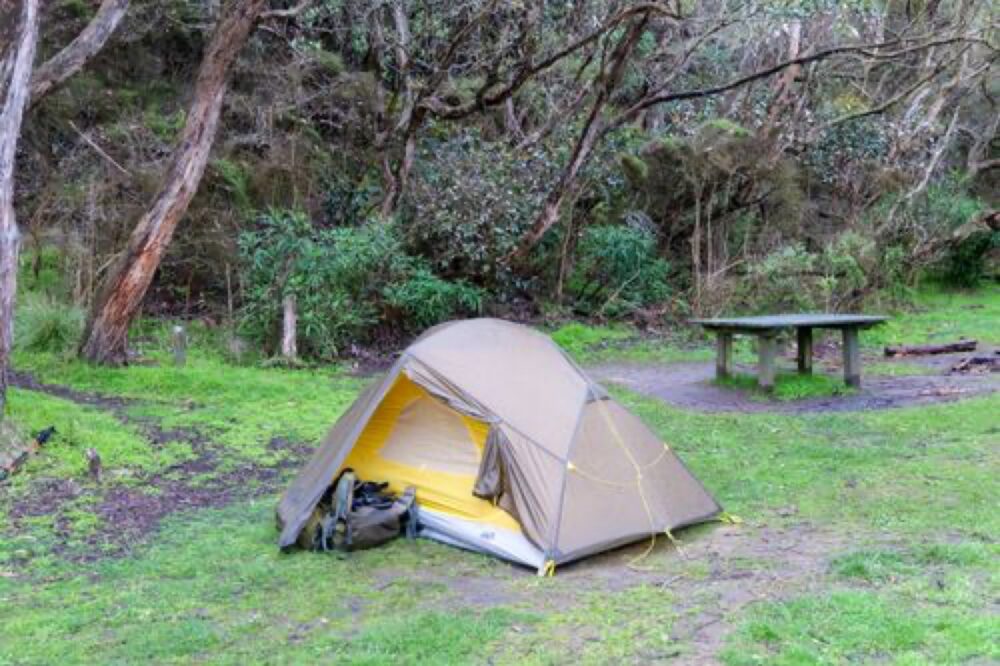
For a typical family camping trip in Australia, the best value usually sits in a mid‑range dome or cabin tent bought from a local or Australian online retailer. Expect to pay roughly the equivalent of US$100–$500 for a solid 4-6 person family tent, prioritising UV resistance, decent waterproofing and good ventilation rather than chasing the absolute lowest price. Cross‑border sourcing through import marketplaces tends to make more sense only if you’re ordering multiple tents for resale or group use, because shipping and customs quickly wipe out small savings on single tents.
Below, we’ll break down what really drives the cost of Australian camping tents and how to pick the right buying channel for both one‑off family trips and small ecommerce orders.
What Drives the Cost of Australian Camping Tents for Families and Small Sellers
Australian camping tents aren’t just generic shelters with a different label. Local guides stress how much harsh sun, wind and sudden rain shape tent choices, so durability, weather resistance and ventilation are key cost drivers rather than nice‑to‑haves.
From global pricing data, backpacking tents generally sit around US$80–$500, while larger family tents run roughly US$100–$1,000 depending on brand, size and features. Those ranges line up with what Australian retailers charge for car‑camping family tents, once you convert currencies.
Key components of your tent budget:
- Base tent price – Driven by capacity, materials (lightweight nylon vs heavier polycotton), pole design and extras like room dividers.
- Australian conditions features – Higher hydrostatic head fabrics, robust flooring, better ventilation and sun‑resistant materials raise upfront cost but usually make the tent last longer under Aussie UV and storms.
- Shipping – For local online purchases, this may be a modest courier fee; for imports, shipping can rival the tent price, especially for bulky 6-10 person models.
- Customs, duties and taxes – Cross‑border buyers need to factor in GST and any duty that applies to the shipment value, not just the product price.
- Payment and platform fees – Currency conversion, card or marketplace fees can shave off some of the apparent saving from buying overseas.
Australian‑focused retailers such as those listed on Camping Australia’s products page highlight tents marketed specifically for local conditions, which is a useful sanity check on what features you should expect at each price band.
How Tent Type, Season and Order Size Change Your Final Price
Two families can spend very different amounts on tents for similar trips depending on tent type, season and quantity. Here’s a compact comparison for common Australian use cases:
| Tent type | Typical use in Australia | Relative price band* | Pros for budget buyers | Limits in Aussie conditions |
|---|---|---|---|---|
| Dome family tent | Weekend car camps, coastal sites | Low–mid | Good wind resistance, widely available, value sweet spot | Less vertical walls, can feel cramped for long stays |
| Cabin tent | Longer stays, big families at holiday parks | Mid–high | Roomy, near‑vertical walls, multiple rooms | More fabric and poles; heavier and pricier |
| Rooftop tent | 4WD touring, remote outback trips | High | Off‑ground sleeping, compact footprint | Niche, expensive, requires suitable vehicle |
*Relative to other family‑oriented tents; not precise pricing.
Several Australian tent roundups, including Better Homes & Gardens’ family tent picks, show mid‑range dome and cabin tents as the value sweet spot. Ultralight hiking models and high‑end rooftop or quick‑setup systems cost more because they solve very specific problems (weight, speed, off‑road durability) that most weekend family campers don’t need.
Season and order size change the equation:
- Capacity choice – Expert family‑tent advice often suggests choosing a tent rated for at least one person more than your group. So a family of four should look at 5-6 person tents to allow for gear and breathing room. This typically adds modest cost versus buying to exact headcount but can prevent buying a second tent later.
- Peak vs off‑peak buying – In Australia, prices and discounts tend to be better outside major holiday periods. Buying before or after school holidays can secure a sturdier tent for the same budget.
- Single vs multi‑tent orders – A single 4-6 person tent has a predictable cost. Ordering five or ten tents for resale or club use may unlock wholesale pricing, but shipping and import duties are calculated on the combined value and volume, so the budget math changes.
A quick family‑trip budget example
Imagine a 4‑person family planning a weekend car camp in coastal NSW.
- You target a 5-6 person dome tent to avoid overcrowding.
- From typical ranges, you expect a mid‑range price roughly equivalent to US$150–$350 for decent weather resistance and ventilation.
- Buying from an Australian online retailer adds local courier shipping but no cross‑border duties.
Compared with a cheaper small dome designed for mild overnight use, the mid‑range option costs more upfront but is more likely to survive strong coastal winds and surprise rain without an emergency replacement.
Choosing the Right Buying Channel and Keeping Your Tent Budget in Check
Once you understand the tent type you need, channel choice decides whether your budget holds up.
How the main channels stack up for Australian‑suitable tents
- Local bricks‑and‑mortar retail (camping chains, big‑box stores)
- Pricing: Often higher than bare‑bones online imports, but frequent sales on mainstream dome and cabin tents.
- Value: You can see fabric thickness, pole quality and room layout in person, which matters for family comfort.
- Australian online stores
- Pricing: Broad range from budget-friendly to premium; many sites emphasise “built for Australian conditions”, echoing guidance from local experts such as Bushtracks.
- Value: Good balance of spec transparency, local warranties, and delivery costs that are reasonable for bulky tents.
- Import marketplaces and cross‑border wholesalers
- Pricing: Wide spectrum, including very low sticker prices on family and backpacking tents that roughly align with the US$100–$1,000 global range.
- Value: Best suited to buyers who either want niche designs not stocked in Australia or who are ordering multiple units.
Small ecommerce operators comparing DHgate with other marketplaces or direct wholesalers should also look beyond price: check each listing’s materials, stated season rating, and ventilation design to see whether the tent is likely to cope with heat, UV, wind and sudden rain in your target region. For cross‑border orders, it’s wise to read customer reviews critically, focusing on reports of fabric wear, leaks and pole failures.
You can deepen that channel comparison using resources such as this overview of DHgate vs AliExpress, Alibaba and Temu and, if you plan to import, guidance on customs, tariffs and import fees.
Practical cost‑control tactics that don’t cut safety
For most family buyers and small resellers, you can keep your tent budget sensible without compromising weather protection:
- Size up once, not twice – Buy a tent rated one person larger than your group now, instead of a cramped tent you’ll replace.
- Prioritise fabric and structure over extras – Floor durability, rainfly coverage and pole quality matter more than built‑in lights or fancy pockets, especially given Australian sun and storm exposure.
- Time purchases outside holiday crunches – Watch for mid‑season or end‑of‑season sales on Australian‑marketed family tents; mid‑range models often drop into budget territory then.
- Bundle wisely for resale – For small ecommerce operations, standardise on a couple of proven dome or cabin designs sized for typical 4-6 person families. That reduces your risk of sitting on niche inventory and simplifies your import‑fee maths.
If you keep those levers in mind, the decision usually becomes clear: most single families get better value and fewer headaches with a mid‑range locally sourced dome or cabin tent, while cross‑border marketplaces and wholesale channels come into their own once you’re buying in volume and can spread the extra import costs across multiple tents.