
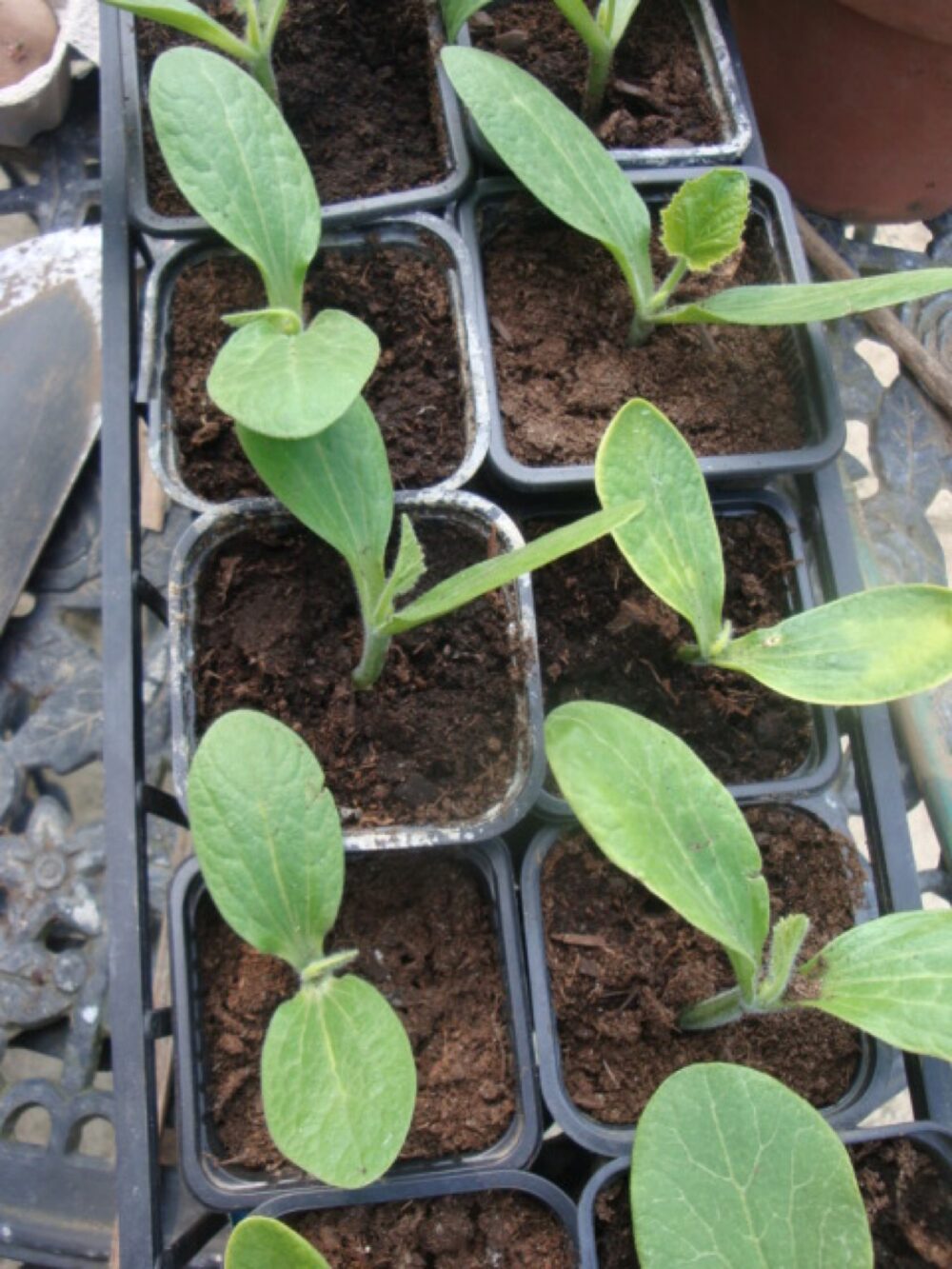
DHgate can be useful because it connects you with Chinese manufacturers and trading suppliers and offers bulk discounts, but the decision should always be grounded in your demand forecast (how many pots you’ll actually move), warehouse space, and ability to test quality with samples before you commit.
How Seedling Starter Pots Wholesale Buying Works for Small US Sellers
Wholesale seedling starter pots are bought in bulk by nurseries, growers, and garden retailers that need a constant supply for seasonal planting. For a small ecommerce shop or garden center, this usually means planning for a spring-heavy spike and then slower refill orders.
The big economic levers are:
- Format:
- Biodegradable fiber pots (often made from paper pulp or other fiber blends) appeal to eco-focused buyers and let gardeners plant the entire pot. Suppliers like EcoYardSupply’s fiber seedling pots show how these are sold factory-direct in wholesale packs aimed at B2B buyers.
- Reusable plastic inserts and trays are common for professional growers. For example, Bootstrap Farmer’s extra-strength starter pots and inserts are designed for repeated use in seed-starting trays.Source
- Complete starter kits bundle pots, trays, domes, and sometimes media. These raise the ticket price, but are bulkier and more complex to ship.
- Material vs. shipping weight: Fiber pots are lighter but more fragile in transit and storage. Heavy-duty plastic inserts weigh more per unit but stack efficiently and can feel more “premium” to your customers.
- Storage and damage: A case of thin fiber pots is cheap per unit, but if 10-15% arrive crushed or get damaged in a damp warehouse, your real cost climbs quickly.
- Customer expectations: Commercial growers often care about durability and exact sizing; home gardeners may care more about sustainability and branding. That dictates whether you prioritize reusable inserts or biodegradable pots in your wholesale mix.
For a small US seller planning a modest spring season, a realistic starting point is 500-1,000 pots. That’s enough volume for wholesale pricing but still manageable in a small back room or offsite storage. The key is choosing a format you can actually ship and resell profitably at that volume.
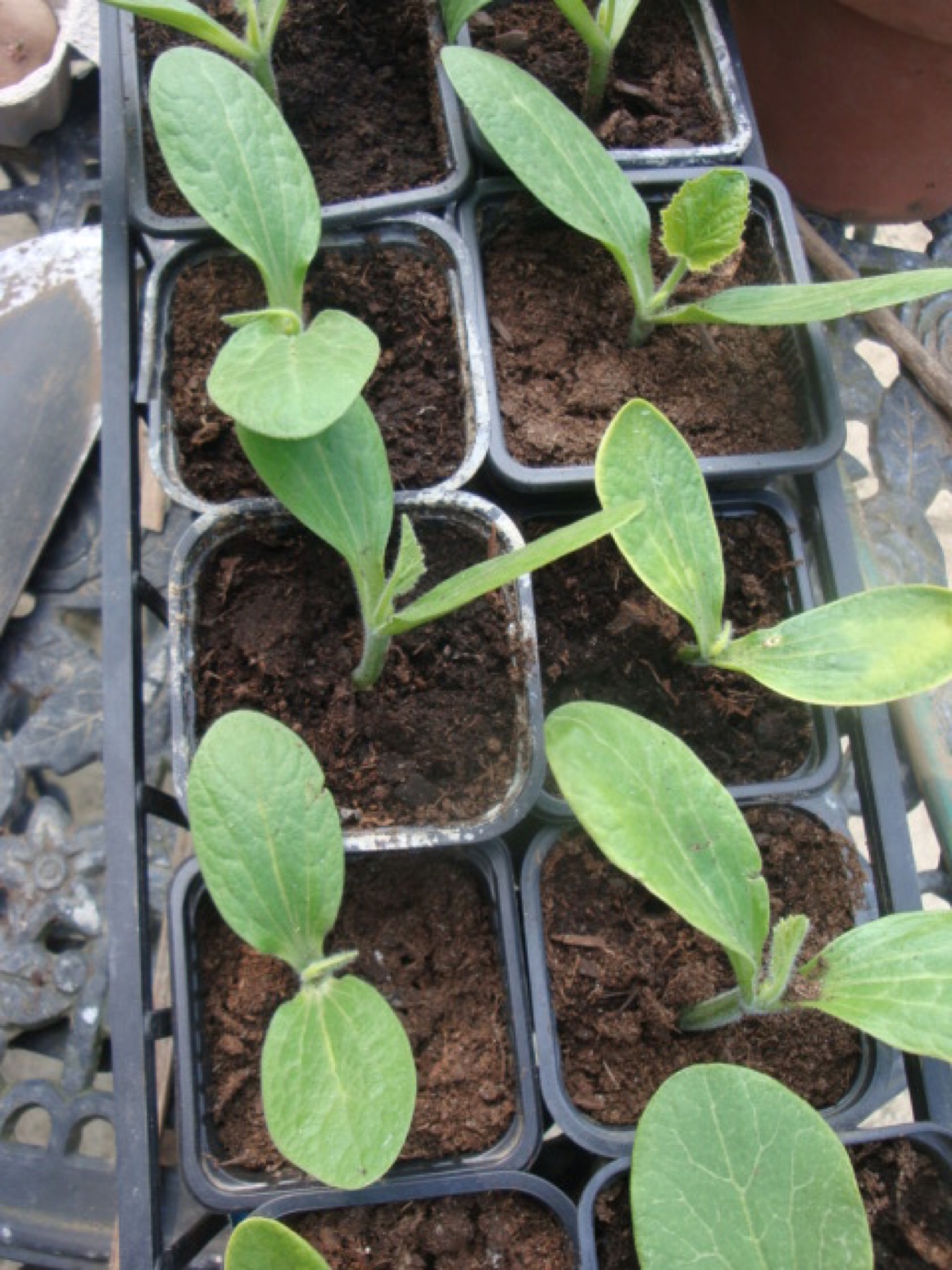
Evaluating Individual Seedling Pot Suppliers and Listings (Including DHgate)
On DHgate and other channels, you’re not buying “seedling starter pots” in the abstract; you’re buying one specific supplier’s interpretation of that product. A simple workflow keeps you out of trouble.
1. Shortlist sellers and formats
Start by defining exactly what you want to test:
- Fiber pots vs reusable plastic inserts
- Size range (e.g., 2-3″ for typical vegetable and flower starts)
- Target use-case (home gardener kits vs professional tray systems)
On DHgate, use search filters to match those criteria, then create a shortlist of 3-5 suppliers whose listings clearly show material, dimensions, and pack configuration. Domestic sites like Bootstrap Farmer’s starter pots or EcoYardSupply’s fiber pots can act as quality benchmarks.
2. Check marketplace signals: ratings, reviews, and history
DHgate’s own editorial guidance stresses evaluating suppliers through ratings, reviews, and transaction history, then starting with smaller orders before you go all-in.SourceSource Those are your first filters:
- Favor suppliers with high positive feedback and visible repeat buyers.
- Read reviews for comments about material feel (thin vs sturdy), actual sizing, and packaging quality.
- Avoid listings with vague photos or no clear pot measurements.
These signals don’t guarantee quality, but they help you discard obvious high-risk sellers before you spend time negotiating.
3. Use direct questions and MOQ negotiation
Once you’re down to a few candidates, switch to direct messaging:
- Confirm MOQ and price tiers for the exact pot size and material.
- Ask if they can handle your desired quantity (e.g., 500-1,000 units) in one shipment.
- Clarify whether they offer tiered pricing (unit price dropping at 500, 1,000, 2,000 pieces) — DHgate’s blog highlights this kind of bulk discount structure as common on the platform.Source
Do the same with non-DHgate suppliers. Many domestic garden wholesalers also offer price breaks at case or pallet levels; they may publish some tiers but will quote sharper rates if you ask.
4. Request realistic samples and compare physically
Across channels, your safest move is to pay for samples before committing to a large order.
DHgate’s ecommerce guides explicitly recommend ordering samples to test quality before placing larger wholesale orders.SourceSource Treat that as a standard step, not an optional extra.
For seedling pots, a good sample batch might look like:
- 20-50 fiber pots from each shortlisted supplier
- A few trays of reusable inserts if that’s your core product
Once samples arrive, evaluate them side by side:
- Wall strength: Do fiber pots hold shape when wet? Do plastic inserts flex without cracking?
- Fit in common trays: If you sell kits, check how well pots sit in standard propagation trays.
- Branding potential: Does the surface accept stickers, printed sleeves, or stamps if you want to brand them?
Record your impressions and any defects. This is where domestic suppliers sometimes justify higher prices: plastic inserts marketed as “extra strength” or “reusable” often feel much sturdier in hand than ultra-thin imports.
5. Calculate landed cost and repeatability
For each supplier (DHgate and others), build a simple spreadsheet:
- Unit price at your target quantity
- Estimated international or domestic freight
- Any import duties or brokerage fees you expect
- Expected damage rate based on how samples arrived
Then compute your landed cost per usable pot.
If a DHgate supplier is cheaper on paper but has a higher damage rate or inconsistent sizing, your real cost per usable unit can easily overtake a domestic source. Your final choice should be the supplier that delivers repeatable quality at a sustainable landed cost, even if that’s not the rock-bottom price.
If you decide DHgate is a fit, you can go deeper on marketplace-specific supplier selection using guides like Find wholesale suppliers on DHgate, Find DHgate suppliers, and Choose a DHgate wholesale supplier.
Comparing DHgate With Other Seedling Pot Wholesale Channels
You have three main sourcing routes for seedling starter pots: a cross-border marketplace such as DHgate, US-based garden wholesalers, and other online wholesale platforms. Each fits different scenarios.
Channel fit for a 500-1,000-pot test season
Here’s a practical comparison framed around a small US seller planning a 500-1,000-pot spring run:
| Channel type | Typical strengths for small orders | Common trade-offs for seedling pots |
|---|---|---|
| DHgate (China marketplace) | Often lower MOQs and tiered bulk pricing, with many suppliers willing to discuss 500-1,000 units.SourceSource Wide variety of unbranded fiber and plastic pots. | Longer supply chain; you must manually check material quality via samples and be ready for variation between suppliers. Freight and import steps add complexity for bulky but low-value items. |
| US garden wholesalers | Products designed for growers and retailers; reusable inserts and fiber pots tailored to local use-cases, as seen at Bootstrap Farmer and EcoYardSupply. Often more predictable quality and sizing. | Per-unit pricing may be higher, and some wholesalers expect case or pallet orders. Selection can be narrower if you’re chasing the absolute lowest cost biodegradable pots. |
| Other B2B platforms (e.g., global wholesale sites) | Large supplier pools, sometimes better for very high volumes or highly customized product runs. | Frequently higher MOQs than DHgate for comparable items and more geared toward large importers.Source Not always ideal for a 500-1,000-unit test season. |
When DHgate makes sense — and when it doesn’t
DHgate is worth exploring if:
- You need experiment-friendly MOQs to test a new pot material or format.
- You’re comfortable doing extra vetting work with ratings, reviews, and direct supplier communication.
- You plan to scale gradually and want access to OEM-style factories for potential custom branding later.SourceSource
You may be better off with US wholesalers or other channels if:
- Freight costs and import admin on low-ticket, bulky pots erase the pricing advantage you see on paper.
- You want products already tuned for US growers, with familiar tray systems and possibly domestic marketing support.
For most small US businesses, the practical move is to test both paths: order small, comparable sample batches from a vetted DHgate supplier and a reputable domestic garden wholesaler, then compare real-world quality and landed cost. The winner of that comparison — not the marketplace name — should drive your first real 500-1,000-pot order.