
Mirror centerpieces can look upscale without blowing your budget. The cheapest practical route is usually thin mirror plates or DIY reflective bases, kept simple and bought or sourced through the channel that matches your scale: a few multipacks from US retailers for one event, rentals for very large one-offs, and wholesale or cross-border marketplaces only when you truly need bulk inventory. Your real cost isn’t just the mirror price—it’s product + shipping or pickup + any import fees + breakage.
Below is a budget-first way to choose the right mix for either a single party or a small decor business.
What Mirror Centerpieces Are and How Their Costs Break Down
For tables, “mirror centerpieces” usually means:
- Flat mirror plates (round, square, or geometric) used as a reflective base.
- Mirror vases or boxes that hold flowers or candles.
- Mirror table numbers or decorative mirror objects that sit in the middle of the table.
US event-supply sites like eFavormart’s mirror collection and Quick Candles’ mirrors show the common budget formats: thin round or square plates sold in multipacks as bases for candles, florals, and small decor. These are usually marketed as economical options for weddings and banquets.
From a budget perspective, your total cost breaks into four buckets:
- Product cost
- Mirror format: flat plate vs vase vs table number. Plates are usually lowest-cost per piece; complex shapes or vases cost more.
- Material and build: glass mirrors are heavier and more breakable; acrylic can be lighter but may scratch more easily.
- Shipping or transport
- Retail online: you pay shipping or hit any free-shipping thresholds; the weight of glass matters.
- Local retail or thrift: you pay in time and gas instead of shipping.
- Cross-border wholesale: product plus international freight, and possibly duties.
- Fees and taxes
- Sales tax on local or domestic purchases.
- Potential import duties and customs fees for bulk shipments coming into the US.
- Extras and waste
- Packaging for storage and transport to your venue.
- Breakage (especially with thinner glass), which effectively raises your cost per usable piece.
If you’re decorating one event with 10-20 tables, product cost and breakage usually matter more than formal import fees. Once you’re a small ecommerce seller ordering cartons of mirror plates, shipping method and customs start to be part of your real “landed” cost.
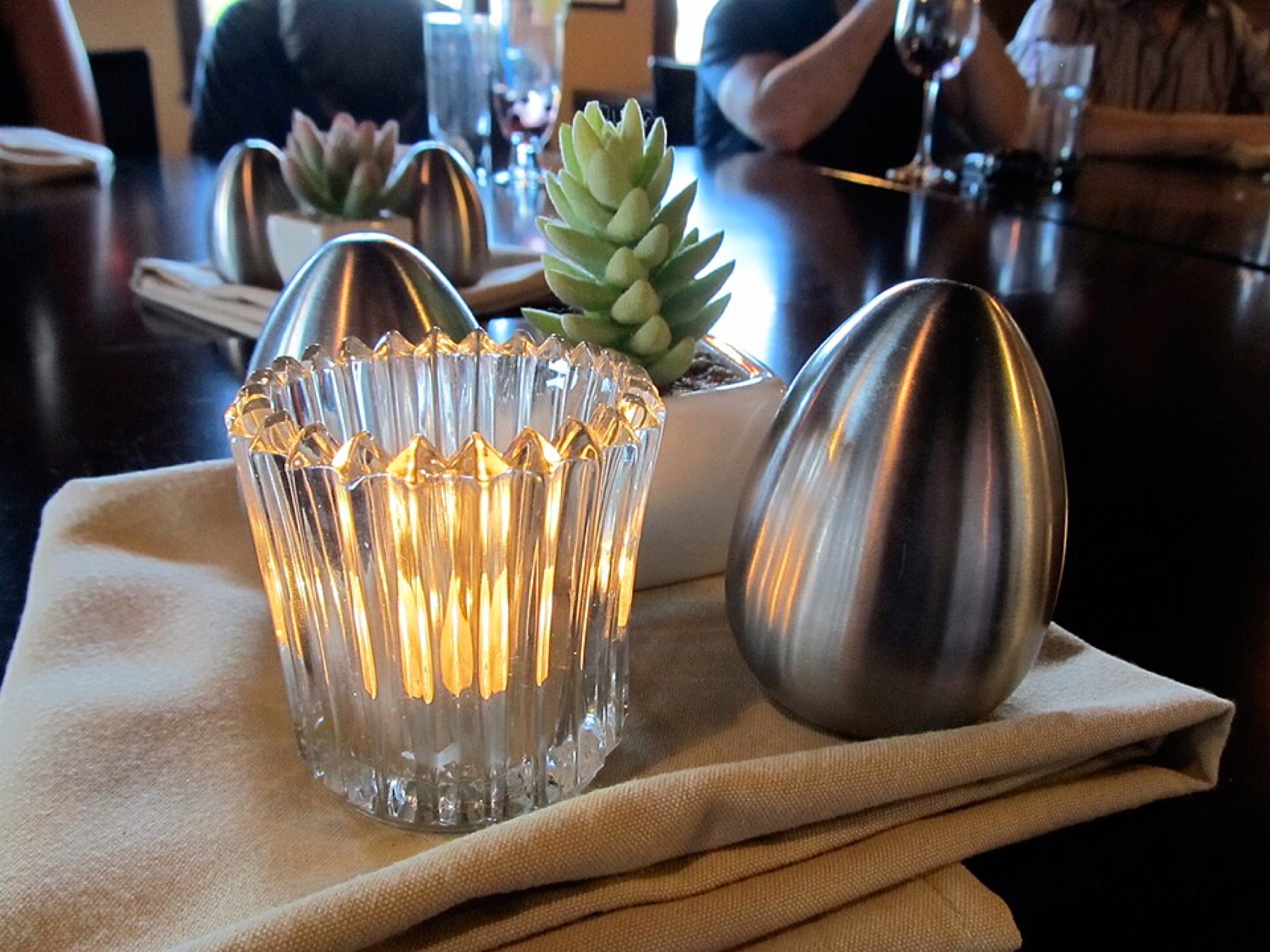
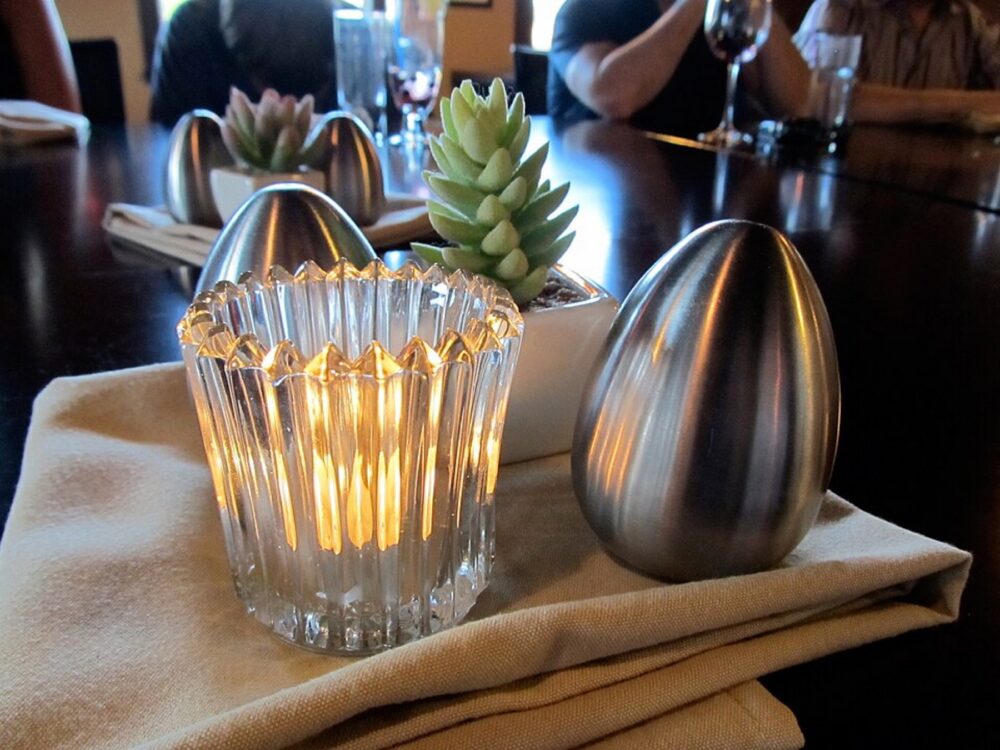
Photo: Daryl Mitchell, “Table Decor,” licensed under CC BY-SA 2.0 via Wikimedia Commons. The image shows reflective table accents, not a specific product listing.
Why Similar-Looking Mirror Decor Can Cost Very Different Amounts
Two mirror plates can look almost identical in photos and still sit in very different price brackets. Key drivers:
Thickness and durability
Thinner glass plates are commonly offered in budget multipacks by event retailers and marketplaces because they keep costs down and stack well for shipping. They’re fine for gentle use on clothed tables, but more prone to chipping or shattering in transport. Thicker plates cost more upfront but may survive many more events for a rental business.
Shape and size
- Simple rounds and squares in standard diameters tend to be cheapest.
- Large formats or unusual shapes (hexagons, octagons, mirror runners) require more material and can push you into midrange pricing.
Customization and finishing
A plain mirror plate with clean edges is budget territory. Add beveled edges, etched patterns, or printed table numbers, and you’ve added labor. That can make sense for a wedding planner who reuses the pieces, but it’s overkill for a one-off birthday.
Quantity and minimum order quantity (MOQ)
Wholesale insights from sites like Alibaba’s table mirrors overview suggest typical bulk behavior: per-piece pricing tends to drop when you order more units, but suppliers often have MOQs—so small buyers pay closer to retail per piece or are forced to overbuy. If your event only needs 15 mirrors, a high MOQ makes no budget sense.
Logistics choices
Shipping method and distance have real impact for heavy, breakable items:
- Domestic ground shipping: slower but generally cheaper for small orders.
- Air freight on cross-border orders: faster but often far more expensive relative to product cost.
- Sea freight for large pallets: economical per piece in big volumes but introduces longer lead times and more complexity.
Seasonal demand matters too. Wedding-heavy months can make standard sizes harder to find on short notice, pushing you into pricier formats or rush shipping.
Three Budget-Level Examples
Think of your options in tiers:
- Ultra-budget: thin round mirror plates plus simple glass votives and greenery. No customization; bought in a multipack.
- Mid-budget: slightly thicker mirrors plus a few mirror vases or boxes as accents, possibly with a beveled edge.
- Statement on a budget: fewer tables fully mirrored (runners, multiple pieces per table), combined with non-mirror decor on the remaining tables to keep spend manageable.
Choosing the Cheapest Practical Channel and Trimming Total Landed Cost
Your cheapest path depends heavily on scale and how often you’ll reuse the decor. Here’s how the main channels stack up for US buyers.
Channel snapshot: event scale vs budget fit
| Channel | Best event scale or use case | Main budget strengths | Main budget tradeoffs |
|---|---|---|---|
| DIY / repurposed | Small one-off events (about 1-10 tables) | Very low cash outlay, uses materials on hand | Time-heavy, inconsistent look, not ideal for resale |
| Local/online retail | Medium events (about 10-30 tables) | Easy ordering, predictable quality, budget multipacks | Higher per-piece cost than true bulk orders |
| Event rentals | Large single events (roughly 30+ tables) | Avoids storage, can be cost-effective at scale | Rental and damage fees; must follow handling rules |
| Cross-border wholesale | Small ecommerce or frequent events | Lower per-piece cost at high volumes | More complex shipping, possible duties, MOQs |
DIY and repurposed: good enough for most private events
Budget decor tutorials like a DIY mirror vase using Dollar Tree supplies show how low-cost boards and basic hardware can become mirror vases or stands. For many one-off parties, you can:
- Use inexpensive cutting boards or foam core plus adhesive mirror tiles.
- Repurpose books, bottles, jars, and other household items as non-mirror centerpieces, a strategy often highlighted in general banquet decor advice.
DIY saves money and can reduce waste for a single event but is rarely ideal if you’re building a consistent product catalog or rental inventory; slight variations between DIY pieces stand out in ecommerce photos.
Local retail and online event suppliers: the simple route
Buying ready-made mirror plates from US event retailers is usually the least stressful option for roughly 10-30 tables. Collections from sites like Quick Candles or eFavormart illustrate what this looks like: standardized sizes, clear descriptions (“centerpiece mirrors”), and budget-friendly multipacks.
To minimize cost here:
- Stick to standard sizes and shapes.
- Consolidate your order to hit any free-shipping thresholds if available.
- Order a few extras to cover inevitable breakage without a second shipment.
Renting mirrors: smart for very large one-time events
Local event-rental companies often stock mirror centerpieces and table mirrors alongside linens and glassware. A typical rental catalog, such as American Event Rentals’ mirrors, shows mirrors offered as part of broader event packages.
Renting can be cost-effective if:
- You need dozens of mirrors once (for example, a large wedding or gala).
- You don’t want to store or resell bulky glass afterward.
- You’re willing to follow their handling rules to avoid damage-related charges.
Cross-border wholesale and marketplaces: only if bulk truly makes sense
Wholesale marketplaces and B2B suppliers offer bulk mirror centerpieces, often targeted at wedding planners, rental companies, and decor sellers. With cross-border marketplaces like DHgate in the mix, you’ll see attractive per-piece prices—but your real cost is still a combination of:
- Unit price × quantity.
- International shipping (method, weight, distance).
- Any import duties or customs fees when goods enter the US.
If you go this route, treat every listing and supplier as a separate case and verify total landed cost yourself. For many small buyers who only need a few dozen mirrors, domestic retail or rentals often beat cross-border sourcing on simplicity and overall budget control.
Practical Ways to Keep Costs Down and Avoid Waste
Whether you’re buying 12 mirrors or 200, a few habits protect both your budget and your inventory:
Bundle decor thoughtfully
Pair cheaper mirror plates with non-mirror elements—greenery, thrifted vases, or repurposed jars—so you don’t need large or customized mirrors to create impact.
Plan for transport and storage
Glass mirrors need padding and stable boxes. Use dividers (cardboard or foam) and keep boxes labeled by size. The aim is to reduce breakage, which silently inflates your cost per usable piece.
Standardize as your volume grows
For a small rental or ecommerce operation, lock in two or three mirror sizes and shapes. Standardization makes replacement simpler and photos more consistent, and it lets you buy in modest bulk from whichever channel (domestic wholesale, cross-border marketplace, or local supplier) matches your scale.
Check timing against demand
If your event is during peak wedding season, order or reserve early. Waiting until the last minute can force you into more expensive sizes, rush shipping, or limited rental stock.
If you’re also weighing broader marketplace choices for decor beyond mirrors—such as comparing DHgate-style platforms with alternatives—you can use higher-level marketplace comparisons on DHgateWiki to decide where cross-border sourcing fits into your budget strategy overall. For mirror centerpieces alone, though, many US buyers will find that thin domestic mirror plates, smart DIY, or rentals already deliver a polished look on a tight budget.