
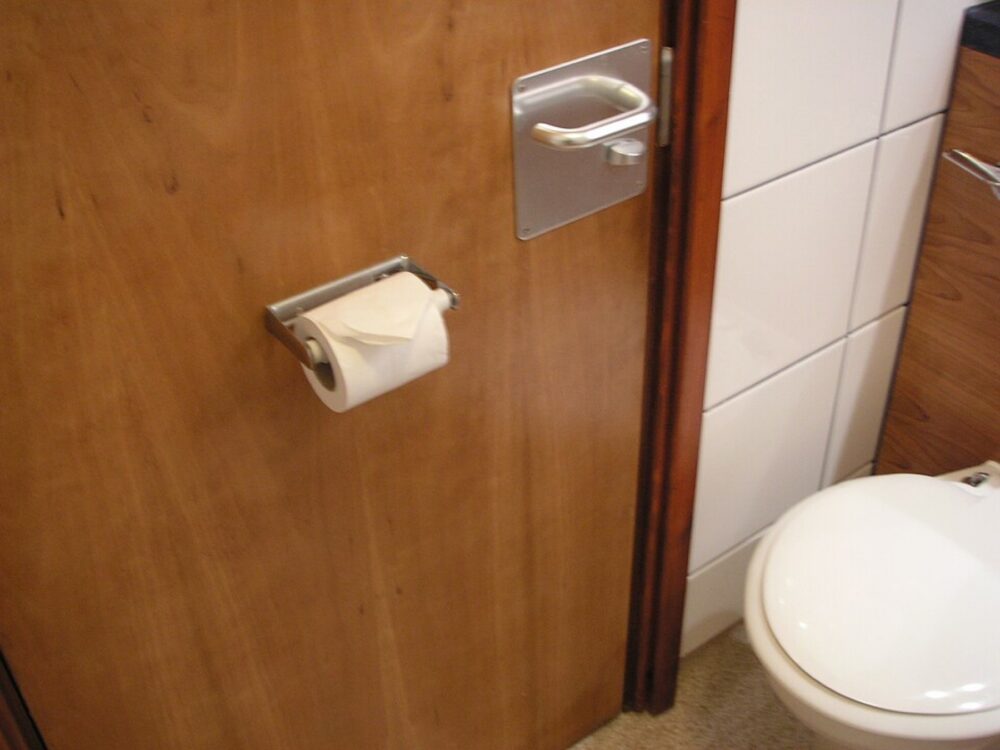
The right RV toilet paper holder is mostly about how it installs in your specific bathroom: wet vs dry layout, how much wall strength you actually have, and how much bouncing around your rig does. From there you’re choosing between open wall‑mounted arms, no‑drill adhesive mounts, enclosed waterproof boxes, or compact freestanding stands, in materials that resist rust. Marketplaces like DHgate, Canadian retail sites, and RV specialty stores all carry these designs; DHgate mainly matters if you want more variety or lower per‑unit costs for small ecommerce orders.
What Makes an RV Toilet Paper Holder Different from a Home Bathroom Holder
You can bolt a basic residential holder into an RV, but RV‑focused guides point out that holders designed for campers handle vibration, compact spaces, and moisture better than typical home hardware.Best RV holder roundups highlight things a house bathroom rarely worries about:
- Constant motion and vibration. On the road, screws back out and weak adhesives let go. A holder needs either solid anchoring to a stud or backing plate, or a robust adhesive specifically sold for no‑drill installs.
- Thin walls and limited backing. Many RV bathroom walls are thin paneling. Drilling anywhere you like can mean stripped screws or damage on the other side. That’s why camper‑oriented advice often steers you to no‑drill adhesive or suction options in tricky spots.
- Wet baths and combo shower rooms. In a wet bath, the entire compartment gets soaked. Guides and product listings call out enclosed waterproof holders that keep paper dry even when the shower sprays everything.RecPro’s enclosed RV holder is a typical example of this design.
- Tight corners. Many rigs tuck the toilet against a side wall or in a narrow compartment. A holder that sticks out far, or lets the roll swing freely, can snag clothing or make it hard to sit.
So when you’re shopping, treat “RV & camper toilet paper holders” as a distinct category: they solve for motion, moisture, and space in ways a generic home holder usually does not.
Key Types and Specs to Compare for Camper-Friendly Holders
Editorial RV sources group holders by installation method and form factor. That’s a useful way to narrow choices for typical RV layouts.
Main holder styles
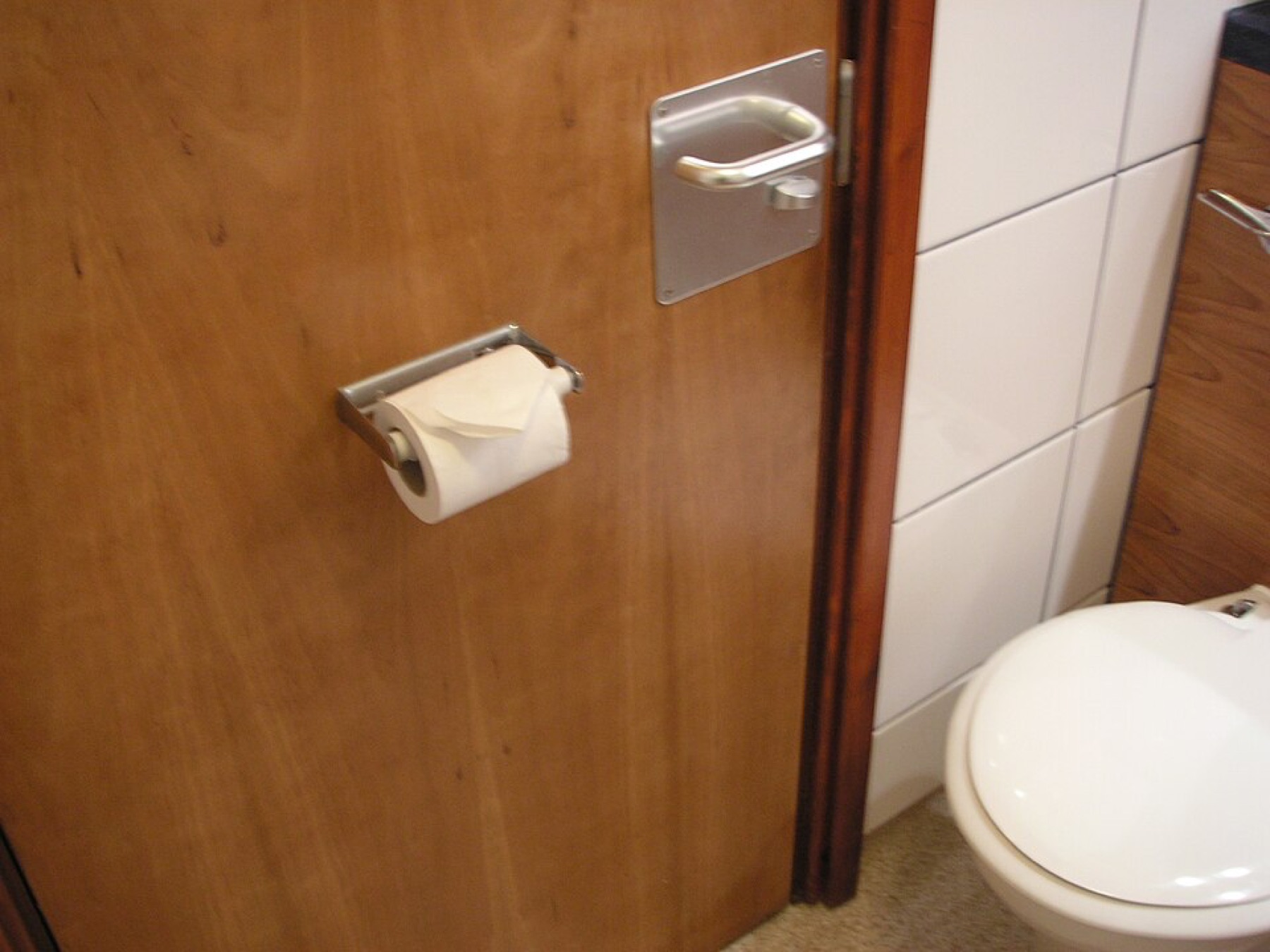
- Open wall‑mounted arm or bar. A single arm or bar attached to the wall. Good for dry baths where the roll won’t get wet and you have a solid mounting point. It’s the closest to a home bathroom holder and often the easiest to use.
- Enclosed waterproof box. A plastic or composite housing with a lid and feed slot, designed for wet baths and combo shower rooms. The RecPro ABS plastic holder mentioned above is specifically described as waterproof and suitable for surface or recessed mounting in wet spaces, keeping paper dry.
- Freestanding stand. A weighted stand that sits on the floor. It can dodge thin wall issues completely, but may be less ideal in small rigs where every square inch of floor matters or where the stand could tip during travel.
- Reserve/combination units. Some holders include extra roll storage or a small shelf. These can work in mid‑size bathrooms if you have a flat wall and want to reduce clutter.
Mounting methods and RV use cases
No‑drill guides for camper bathrooms stress that how you mount the holder often matters more than the exact style, especially in thin‑wall trailers.Habitatista’s overview highlights adhesive and suction as camper‑friendly options.
Here’s a compact comparison of mounting vs typical RV scenarios:
| Mounting method | Best RV use case | Pros in a camper | Tradeoffs |
|---|---|---|---|
| Screw‑mounted surface | Dry bath with solid backing or wood panel | Very secure under vibration; feels permanent | Requires drilling; risk on thin panels |
| Self‑adhesive/no‑drill | Thin walls, rentals, or fiberglass shower walls | Avoids holes; easier to reposition; quick install | Adhesion depends on prep and wall finish |
| Recessed (in‑wall) | Factory installs, thicker walls or cabinetry | Space‑saving; clean look | Needs cut‑out; not feasible everywhere |
| Freestanding | Larger dry bath or powder room in Class A RV | No wall work; movable; good for temporary setups | Can tip or slide while driving |
For small Canadian travel trailers, self‑adhesive holders are often a practical compromise: you avoid drilling into questionable paneling and, if the bond fails, you’re usually only out a modest accessory.
Materials and rust resistance
For rust concerns, focus on the part of your RV bath that actually gets wet:
- Stainless steel or aluminum arms make sense in dry baths where splashes are minimal but humidity is high. Look for “stainless” or “aluminum” rather than plain steel if corrosion worries you.
- ABS or other plastics dominate enclosed wet‑bath holders like RecPro’s example. Plastic won’t rust and is lighter, which matters for doors and thin walls.
- Coated or painted metals can be fine in low‑moisture areas, but chips or scratches may expose metal underneath over time.
If your holder will be inside the shower spray zone, a plastic enclosed style is usually safer than any open metal arm, regardless of coating.
Buying Factors and Where DHgate Fits Alongside Other Marketplaces
Once you know your layout and preferred style, your decision is mostly about durability, installation effort, and channel choice.
Practical buying criteria
- Match holder type to bathroom moisture.
- Wet bath or combo shower: Enclosed waterproof ABS/plastic holder, surface‑mounted or recessed as your wall allows (RecPro’s listing is a good example of the type).
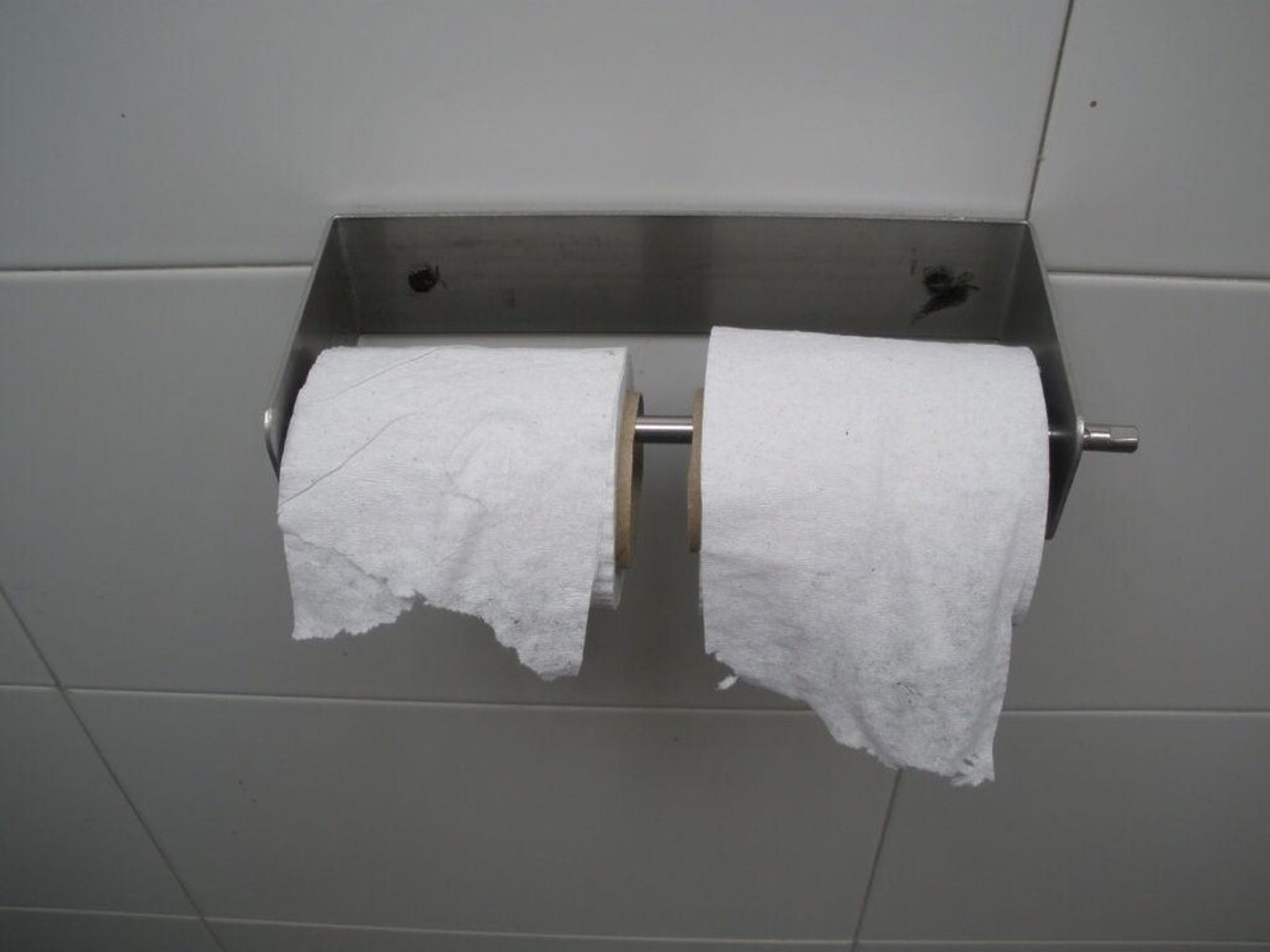
- Dry bath: Open arm/bar or compact stand; enclosed designs are optional.
- Respect your wall construction.
- If you’re not sure what’s behind the panel, start with no‑drill adhesive or suction designs explicitly marketed for campers.Camper‑focused adhesive holders are meant for this.
- For solid backing (e.g., a wood vanity side), a screw‑mounted holder will handle vibration better long term.
- Plan for travel movement.
- Look for designs that tuck the roll close to the wall or inside a housing so it doesn’t swing freely on rough roads.
- If you choose a freestanding stand, consider where you’ll stow it while driving.
- Material and finish choices.
- Prioritize stainless, aluminum, or quality plastic over bare steel for humid environments.
- In small ecommerce inventories, it can be smart to standardize finishes (e.g., matte black) across other hardware so your bathroom sets feel cohesive.
Where DHgate is useful vs other channels
DHgate’s own bathroom accessory editorial notes that toilet roll holders come in wall‑mounted, freestanding, and recessed designs, and presents DHgate as an outlet for these holders alongside other accessories.Their bathroom accessories overview and related soap‑holder article suggest importing holders from China via DHgate mainly to access varied designs and potentially save money per unit, especially when you’re stocking multiple bathrooms or reselling.
For a Canadian RV owner or small ecommerce buyer, a practical way to position DHgate against other marketplaces is:
- Local and mainstream retail (Canadian big‑box, RV stores, general marketplaces):
- Fit: Great for buying one or two holders for your own rig or validating a design before you commit.
- DHgate and similar cross‑border marketplaces:
- Pros: Wide variety of bathroom accessories and holder styles; access to manufacturers; potential per‑unit cost advantages, particularly for bulk or small ecommerce orders.DHgate’s editorial on soap holders explicitly frames importing holders from China as a way to save money and broaden design choices.
If you’re mainly outfitting your own RV, it’s often simplest to start with Canadian retail or RV‑specialty channels for clear wet‑bath vs dry‑bath labeling, then browse DHgate once you understand your preferred type and finish. For small ecommerce businesses building a bathroom accessory line, DHgate can make sense earlier in the process, as long as you pair marketplace browsing with structured seller evaluation and order‑readiness checks through neutral resources like What DHgate is and how the marketplace works and Find trusted sellers on DHgate.
For additional DHgate platform context, use Review the DHgate order-readiness checklist.
The core decision is always RV‑specific: your bathroom’s moisture level, wall strength, and space constraints determine the holder type; then you decide if local Canadian channels provide enough choice, or if DHgate’s broader catalog and cross‑border value justify the extra homework.