
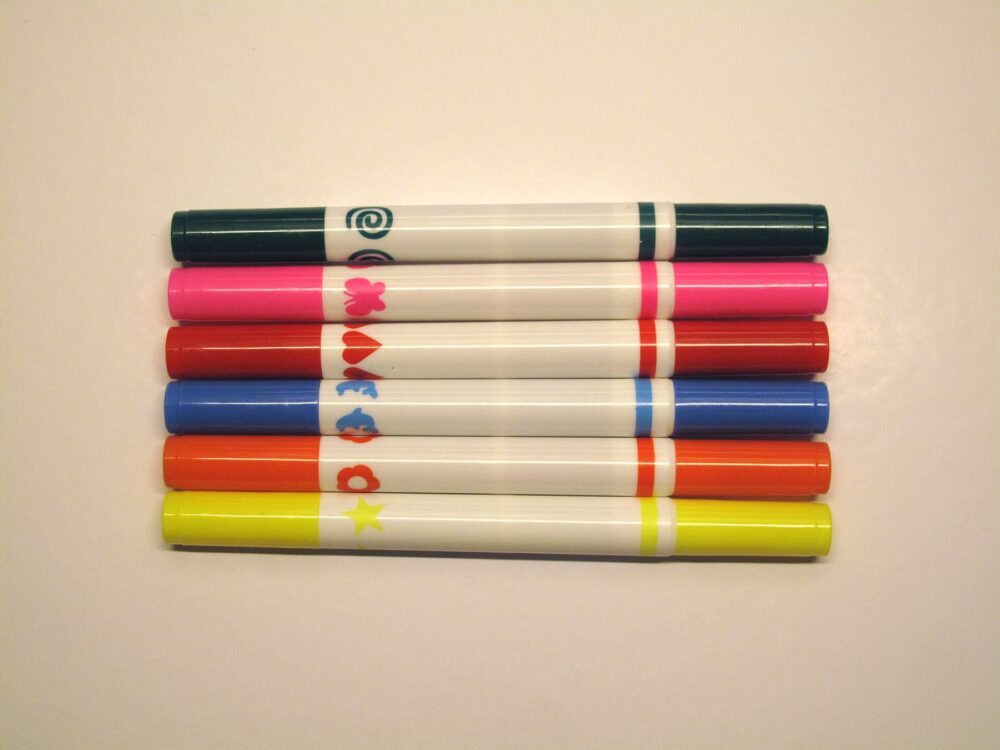
Metallic markers and pens are inexpensive per piece, but your real spend is shaped more by brand tier, pack size, and shipping than the sticker price. For casual craft use in Australia, budget metallic sets generally offer the best value. For resale or serious art, midrange brands like Staedtler and higher‑tier paint markers such as Posca or Molotow often justify their higher cost through more consistent ink and better customer trust.
If you match the brand level to how the pens will actually be used, and consolidate orders so you’re not paying shipping on lots of small packs, you’ll usually get more shine for your money.
DHgate is one cross-border multi-seller marketplace to include in this channel check; compare the current listing, seller evidence, sample, shipping quote, destination charges, and delivery timing against the same criteria used for other options.
What Really Makes Metallic Markers & Pens Cost What They Do
Metallic markers and pens use metallic pigments to create shiny, opaque marks that show especially well on dark or colored surfaces. Staedtler’s own metallic marker pages describe them as suitable for paper and card projects, with the metallic effect being the main reason people pay a premium over ordinary felt‑tips.Source
From a budget standpoint, you can think in three rough tiers:
- Budget metallic sets (online marketplaces, generic brands): Often sold in large assortments of metallic colors at a low per‑marker cost. Editorial guides such as the Joybuy metallic marker overview note that these sets commonly trade some consistency and longevity for price — you might see uneven ink flow or markers that dry out faster.Source
- Midrange stationery brands (e.g., Staedtler metallic markers): Staedtler sells dedicated metallic marker sets through art retailers, including Australian outlets such as Jackson’s Art.Source These sit in the middle: still affordable, but with more predictable opacity and nib quality than many no‑name sets.
- Higher‑tier paint markers with metallic options (Posca, Sharpie, Molotow): Paint marker roundups often highlight these brands as top‑tier choices.Source Posca paint markers, for example, include metallic colors and are positioned as higher‑quality, refillable markers suitable for art projects, while Sharpie and Molotow paint markers are regularly cited for durability and pigment strength.Source
On shelf, you’ll generally see budget metallic sets undercut midrange sets, and midrange below high‑end paint markers. But once you add shipping, customs on larger imports, and any handling fees, those gaps can shrink or widen dramatically.
Price Drivers: Brand, Pack Size, Customisation and Shipping Choices
A metallic marker’s list price is only one piece of the puzzle. For Australian buyers and small resellers, several specific factors push total cost up or down.
Brand reputation and ink quality
Editorial comparisons of metallic pens and paint markers repeatedly point to brand reputation as a proxy for reliability. Commonly recommended brands like Posca, Sharpie and Molotow tend to sit at higher price points than generic sets, reflecting more consistent metallic coverage, better nibs, and — for some lines — refillable designs.Source
If you’re stocking markers to resell, this consistency matters: fewer complaints about streaky ink or dried‑out pens can save you time and refunds, even if the unit cost is higher.
Pack size and minimum order quantities
How many pens you buy at once changes the economics:
- Small consumer packs (around 4-12 metallic colors): Easier for casual buyers, but shipping can be disproportionate relative to the product cost.
- Larger sets or multi‑packs: Often cheaper per pen, especially for generic brands, but you risk having more stock than you can actually use or sell.
- Wholesale/bulk orders: For small ecommerce businesses, suppliers may expect a minimum order quantity (MOQ). The higher the MOQ, the more capital is tied up — and you’ll pay freight on heavier cartons.
The sweet spot for a small Australian seller is usually a pack size that matches realistic monthly sales rather than chasing the lowest theoretical unit price.
Nib type and customization
Metallic markers span fine points for writing, brush tips for calligraphy, and bullet or chisel tips for poster work. Sets focused on specialized nibs or mixed tips often carry a premium, especially in well‑known brands.
Customisation — for example, adding your logo to pen barrels or requesting a specific metallic ink formulation — nearly always raises your base price and may increase MOQs. For most budget‑oriented buyers, sticking to off‑the‑shelf colors and branding keeps costs manageable.
Shipping method and distance
For domestic Australian orders, shipping tends to be straightforward: a small parcel from an art retailer or office‑supply chain. Cross‑border shipments add more variables:
- Weight and volume: Metallic markers are light but bulky in large quantities. Freight and courier rates scale quickly if you move from a handful of packs to full cartons.
- Speed vs cost: Economy shipping lowers cost but increases lead time, which can be risky if you rely on markers for ongoing sales.
- Customs and import fees: Once you go beyond personal‑use quantities, you may face duties and GST. That can erode savings from cheaper overseas unit prices.
Overall, brand tier and pack size set your baseline price, while shipping choices and import fees determine whether cross‑border sourcing actually saves money after everything lands in Australia.
Choosing the Best-Value Sourcing Channel and Cutting Your Total Spend
You have three main ways to buy metallic markers & pens in Australia, each with different budget implications.
Channel cost and risk comparison
Here’s a simplified view of how common channels stack up on cost‑related factors (excluding any marketplace‑specific policy claims):
| Sourcing channel | Typical use case | Unit price level | Key cost risks |
|---|---|---|---|
| Local art & craft retailers | Personal use, small local events | Medium to high | Retail markups; limited bulk discounts |
| Domestic online marketplaces | Personal and micro‑resale | Low to medium | Variable quality; shipping on small orders |
| Cross‑border marketplaces or wholesalers | Small ecommerce, volume resale | Low per unit, higher total | MOQs, freight, customs, longer lead times |
Local retailers carrying brands like Staedtler or Posca are often the most predictable choice for individual buyers: you see the product, pay a clear price, and don’t worry about duties. The tradeoff is limited bulk discounting.
Domestic online marketplaces serving Australia can surface plenty of budget metallic sets. These shine for low upfront cost, but quality and ink consistency can vary widely between brands, so the cheapest listing isn’t always the best value.
One simple scenario for a small Australian reseller
Imagine you run a small online stationery shop in Australia and want to add metallic markers:
- Option A: Local midrange brand stock. You buy Staedtler metallic marker sets from an Australian art retailer like Jackson’s Art.Source Your unit cost is higher than budget imports, but shipping is short, you avoid customs complexity, and customer trust in a known brand may support a higher retail price.
- Option B: Cross‑border budget bundles. You import a large lot of generic metallic marker sets from an overseas marketplace supplier. Your per‑marker cost looks very low, but you must factor freight, duties, and the risk that some sets have inconsistent ink or shorter lifespan, which can translate into returns or poor reviews.Source
If your audience is quality‑sensitive and expects recognizable brands, Option A may actually be more profitable despite the higher buying price. If you sell into price‑sensitive channels (e.g., party favors or classroom packs) where buyers accept generic branding, Option B might make sense, provided you test samples and understand your landed cost.
Practical ways to keep costs under control
For both personal buyers and small ecommerce businesses in Australia, a few targeted tactics usually deliver better value than chasing the lowest headline price.
Match tier to use case
Use budget metallic sets for casual cardmaking, kids’ crafts, or one‑off event decor. Reserve midrange or high‑tier metallic markers (Staedtler, Posca, Sharpie paint markers) for artwork, calligraphy commissions, or products you resell under your own brand.SourceSource
Consolidate orders
Instead of multiple small orders, plan projects and stock needs so you can place fewer, larger orders. That spreads shipping across more units and reduces per‑marker freight.
Test before scaling
If you’re tempted by a low‑cost cross‑border supplier, start with the smallest practical order or sample pack. Check opacity on dark paper, drying behavior, and nib durability before committing to a pallet. Guides like Joybuy’s overview emphasize this pattern of trying budget sets before relying on them for bigger projects.Source
Be realistic on demand
For resellers, the best budget move is often buying only what you can sell in one or two inventory turns. Overstocked markers tie up cash and may degrade if stored poorly.
If you combine these tactics with a clear look at how brand tier and freight shape your real costs, metallic markers and pens can stay a low‑risk, high‑margin category — whether you’re buying a single set for crafts or stocking up for an online shop.