
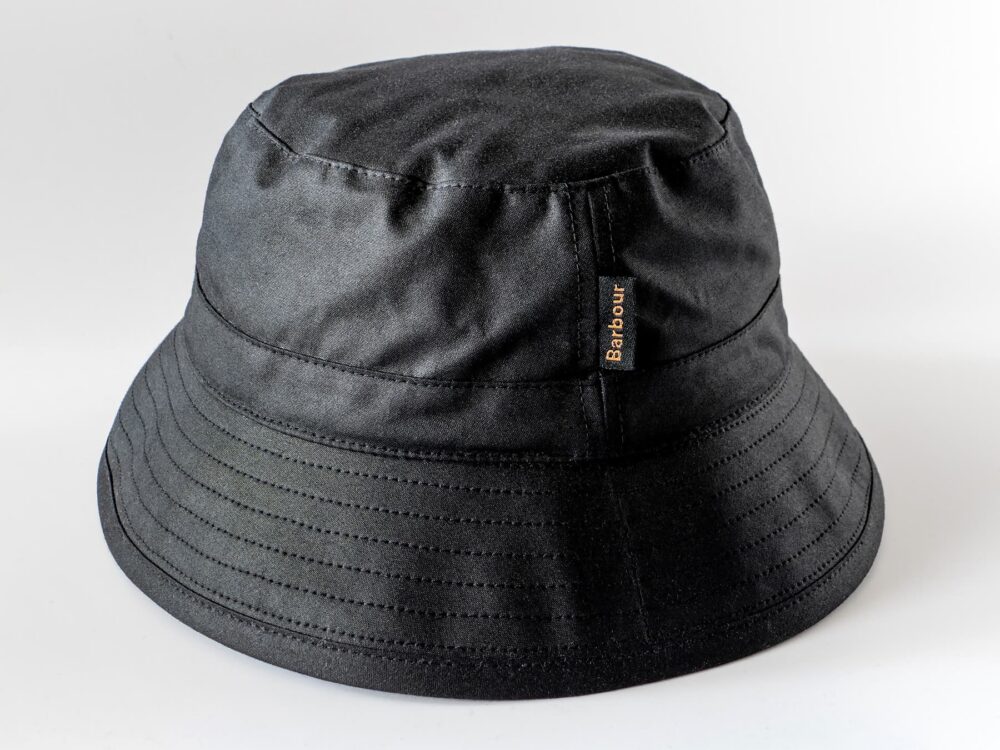
For Australian buyers, most black bucket hats fall into three broad price bands: affordable sports/workwear labels, mid-range fashion brands, and premium designer names. Australian-focused hat retailers and local labels usually sit in the first two bands and often end up better value than importing small quantities yourself, once you factor in international shipping and possible duties. Big sports brands like Adidas and Nike charge more than unbranded imports but give you consistent materials and branding that can justify a higher resale price or heavier personal use.
If you’re stocking a small online store or just want a couple of hats for everyday wear, start by deciding which band you actually need. A sun-smart cotton bucket hat from an Australian retailer will usually be cheaper and easier to source than a logo-heavy designer bucket, and often more practical for beach and everyday use. Cross-border marketplaces and bulk imports can work for very low unit costs, but they only make sense once you add up the full landed cost and the time you’ll spend managing the import.
What Drives the Real Cost of Black Bucket Hats in Australia?
For a single black bucket hat, the price you see on the product page is only part of the story. For both individual buyers and small ecommerce businesses, the real cost is a mix of product pricing, shipping, taxes, and fees.
Local Australian hat retailers like Canopy Bay and Kooringal market bucket hats as sun-smart everyday wear for men, women, and kids, often with UPF-rated fabrics or packable designs. These sites let you pay domestic shipping — usually simpler and more predictable than cross-border freight — and you avoid currency conversion headaches. Local multi-brand distributors such as Hat World Australia also stock bucket styles from global labels like Kangol and other headwear brands, giving you a spectrum from basic to more premium without leaving the Australian market.
Global sportswear brands push a different angle. Adidas Australia sells black bucket hats for men and women as athletic or streetwear accessories, often with strong logo placement and performance fabrics. a0You’ll see similar positioning on Nike’s black bucket hats, which lean into sports and street style rather than pure sun-safe beachwear.Adidas’ black bucket hats and Nike’s black bucket hats illustrate how branding and styling quickly push you out of true budget territory.
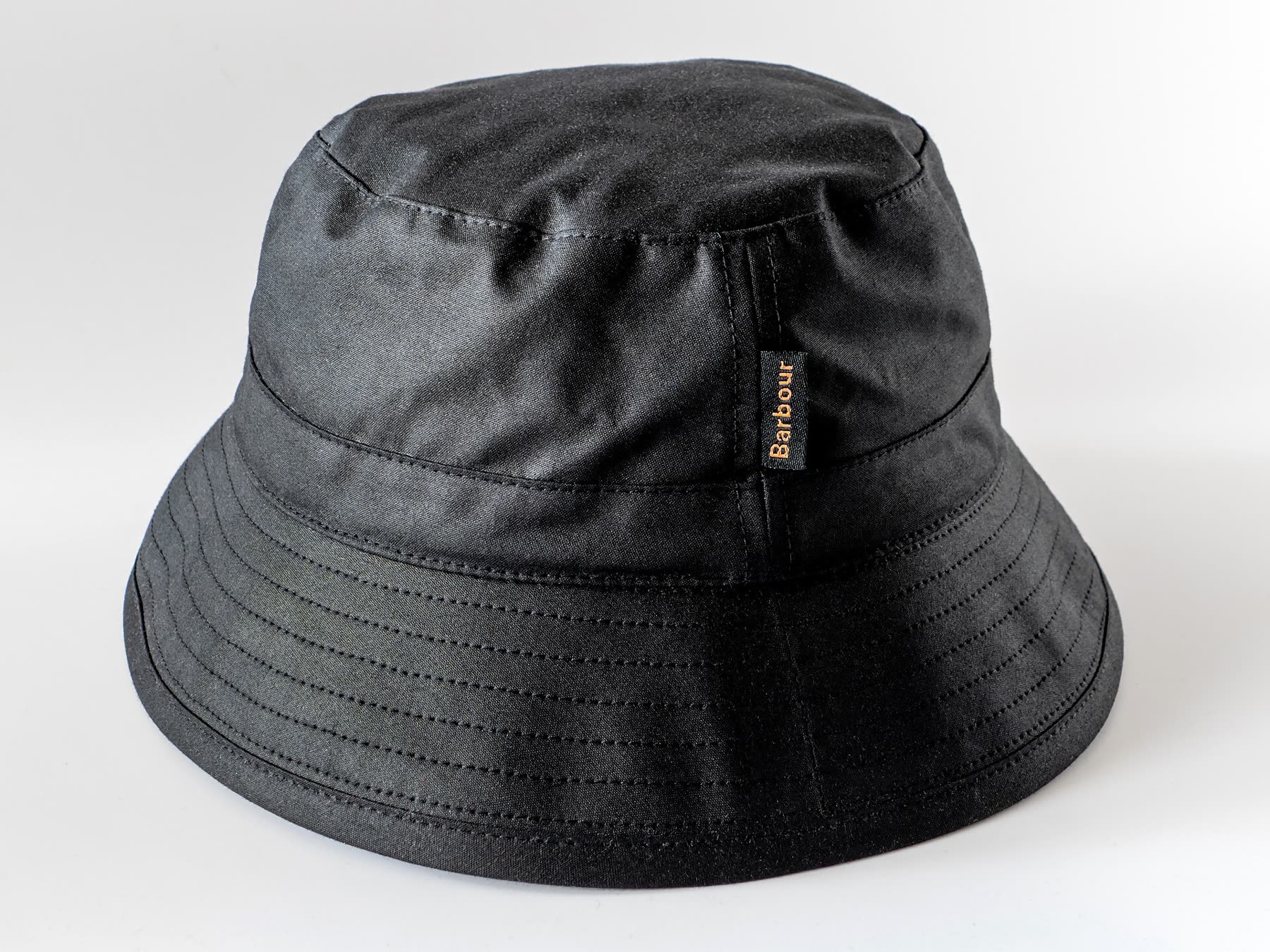
Once you step into designer territory, the pricing jumps. Editorial roundups often highlight Gucci, Burberry, Supreme and similar labels as offering premium bucket hats with luxury materials and branding. These sit in a much higher band than mass sports brands; you’re paying for brand cachet, craftsmanship, and limited collections, not just fabric and stitching.
Marketplaces like StockX show how wide the spread can get. Their black bucket hat listings span streetwear, sports, and designer brands, and the displayed prices vary significantly between basic cotton styles and sought-after collaboration pieces.StockX’s black bucket hat category is a good snapshot of that dispersion.
For small ecommerce buyers, the total cost per hat combines:
- Base product price (driven heavily by brand level).
- Domestic vs international shipping.
- Any import duties or GST on cross-border orders.
- Payment and currency conversion fees.
- Your own time handling sourcing and customer service if quality isn’t consistent.
How Brand, MOQ, and Customisation Change Your Price
The logo and label on a black bucket hat tell you as much about cost as the fabric tag.
Workwear and sportswear brands such as Dickies, Champion, Carhartt, Kangol, and Adidas are often recommended by editors as affordable but durable options. Their bucket hats typically use sturdy cotton or cotton blends, come in simple black colorways, and are built to survive regular wear. For a budget-conscious buyer, these brands tend to sit in a sweet spot: higher than no-name imports, lower than designer labels, with reliable quality.
Brand tier affects not just what you pay, but what you can charge. A resale of a black Adidas or Nike bucket hat carries more pricing power than an unbranded hat sourced in bulk, while a Gucci or Burberry bucket can support a luxury markup but demands a very different customer.
Minimum order quantities (MOQs) and customization matter most once you stop buying ones and twos. Generic manufacturers and importers will often require you to buy multiple units per style or size. That can drive your per-hat cost down but ties up cash in inventory. If you’re adding embroidery, screen printing, or woven patches for your own brand, expect that each customization step raises the base price while potentially improving your margins.
A simple way to think about it:
| Hat type / brand tier | Typical use case in Australia | Relative unit cost | Customisation impact on value |
|---|---|---|---|
| Generic bulk black bucket hat | Event merch, low-priced store fillers | Very low | High dd (logos make it sellable) |
| Dickies / Champion / Carhartt / Kangol | Everyday wear, streetwear, workwear | Low–mid | Moderate (brand + your logo) |
| Adidas / Nike sports hats | Sports, streetwear, fashion-led outfits | Mid | Moderate–high |
| Gucci / Burberry / Supreme | Luxury fashion, hype drops | High | Low (brand logo already key) |
For a small ecommerce business, that table is a margin calculation as much as a style guide. Generic hats give you the most room to build your own brand identity but carry quality risk. Branded sports and workwear hats cost more, yet they arrive with an audience and reputation attached.
Choosing a Sourcing Channel: Local Retail, Wholesale, Fashion Sites, and Cross‑Border Marketplaces
Once you know your target tier, you still have to pick a buying channel. Each one changes your real cost and your workload.
Local retail and brand sites in Australia
If you just need a few black bucket hats, buying from Australian hat retailers or brand sites is usually the simplest option. Canopy Bay and Kooringal offer bucket styles tailored to local sun-protection needs, and a multi-brand distributor like Hat World Australia can supply Kangol and other labels with domestic shipping. You pay close to the ticket price, but you gain predictable delivery, clear consumer protections under local law, and no customs paperwork.
Local wholesale and B2B-friendly retailers
Some Australian headwear distributors will offer wholesale pricing tiers if you meet their order thresholds. For small ecommerce operators, this can be a good compromise: you get known brands and consistent quality, with per-hat prices below retail but without dealing directly with overseas factories.
Global fashion sites and resale marketplaces
If you’re chasing specific styles — say a black Gucci bucket or a limited Supreme drop — global fashion sites and resale marketplaces become relevant. Platforms like StockX, which list black bucket hats from many brands, expose wide price dispersion and can surface hard-to-find items.StockX’s category page shows a mix of sports, streetwear, and designer listings. These channels are rarely budget-friendly for bulk stock, but they help validate demand and resale pricing if you’re considering carrying similar styles.
Online marketplaces (including cross‑border options)
General marketplaces like Amazon, ASOS, and sports retailers outlined in editorial sources are popular for buying bucket hats across many price tiers. For cross-border importing, marketplaces such as DHgate appear as additional options alongside factory-direct platforms and other global sites. DHgate can be relevant if you’re hunting very low-cost, generic black bucket hats or small bulk runs with basic logo work.
If you explore a marketplace such as DHgate for sourcing:
- Treat each listing as its own business case: check material descriptions, photos, and any buyer feedback carefully.
- Ask suppliers about fabric weight, color fastness, and stitching quality, not just price.
For buyers weighing multiple marketplace types, an honest comparison like this multi-platform overview is useful context, even though it focuses on broader platform differences rather than bucket hats specifically.
A Quick Scenario: Local Wholesale vs Cross‑Border Bulk
Imagine you want 50 plain black bucket hats to sell under your own label in Australia.
Path 1: Local wholesale distributor
You approach an Australian headwear distributor that stocks unbranded or lightly branded cotton bucket hats. They offer a wholesale price tier if you buy 50+ units. Your costs are straightforward: unit price times quantity, plus domestic shipping and GST included in the invoice. Lead times are short, and returns or quality issues are handled locally.
Path 2: Cross‑border marketplace bulk order
You source 50 generic black bucket hats from an overseas supplier on a marketplace such as DHgate. The unit price might be significantly lower, especially if you accept a higher MOQ or basic customization. However, you now need to estimate international freight, customs clearance, and any duties and GST payable when the goods enter Australia. You also carry more risk if the hats arrive with inconsistent sizing or stitching.
For a small store, the second path only beats the first if the landed unit cost (including your time and risk) is meaningfully lower and the quality still meets your customers’ expectations. That trade-off is the core of budget sourcing.
Checklist: Controlling Costs Without Killing Quality
For both personal buyers and small ecommerce operators, these focused checks help keep a black bucket hat purchase in the budget zone:
- Decide your tier first. Are you buying a sun-safe everyday hat, an affordable streetwear piece, or a premium fashion statement? This narrows brands and channels immediately.
- Use local options when the gap is small. If Australian retailers or distributors offer suitable hats at only a modest premium over imports, the simplicity and consumer protections often justify the difference.
- Leverage mid-tier brands for resale. Workwear and sportswear names like Dickies, Champion, Carhartt, Kangol, and Adidas balance cost and durable construction; they can anchor a value-focused catalog.
- Model landed cost for imports. Include shipping, tariffs, GST, and your handling time before concluding a cross-border marketplace order is “cheaper.”
- Match MOQ to your realistic demand. A low per-hat price on 200 units is still a bad deal if you only sell 50.
If you later decide to go deeper into cross-border sourcing for hats or other products, resources that explain wholesale supplier selection — such as this guide to finding wholesale suppliers — can help you structure your supplier checks. But for many Australian buyers, starting with black bucket hats from local or regional brands is the calmest and often the best-value path.