
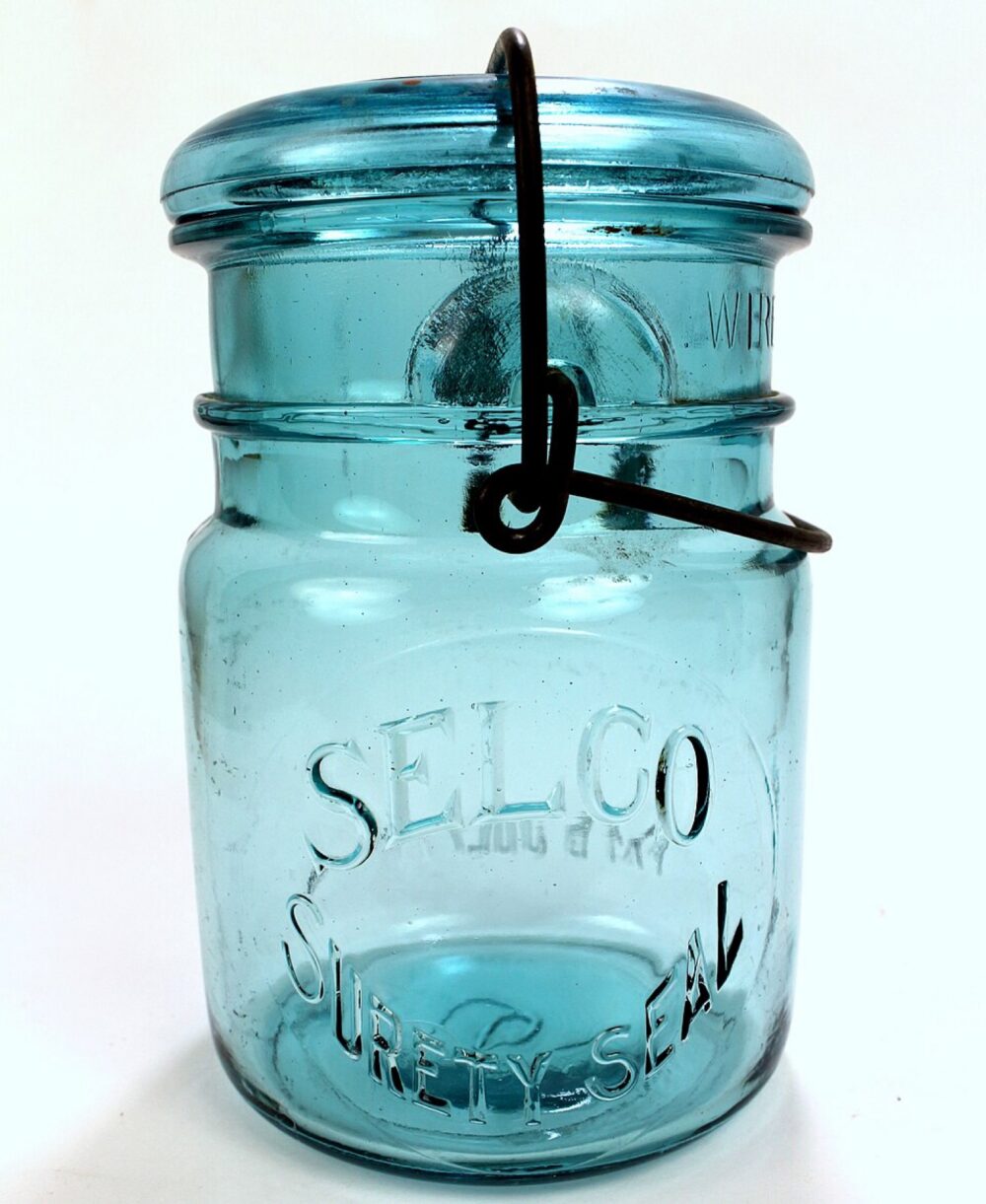
Buying mini mason jars and small jam jars in bulk is not just a unit-price decision. Canadian retail can suit a small, immediate order; local packaging suppliers can suit case quantities; and cross-border marketplaces become worth comparing only after you obtain written quotes for the same jar, lid, quantity and destination. The lowest defensible choice is the lowest landed cost for a specification that passes your own food-contact, seal, breakage or candle-container checks.
Below, we’ll break down what actually drives your jar costs, how specs and timing change your price, and when each sourcing channel—local retail, Canadian wholesale, and cross-border marketplaces—usually wins on value.
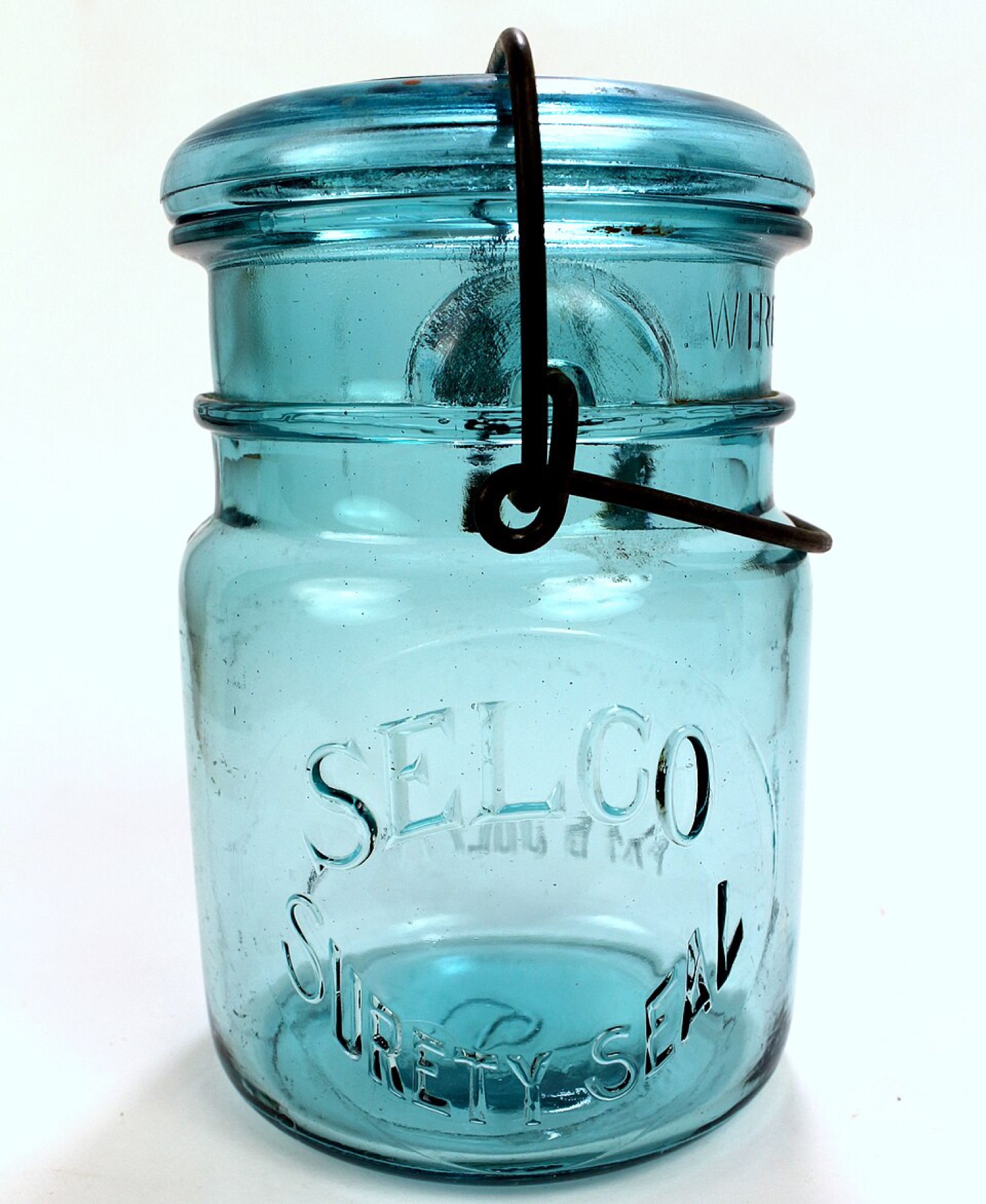
Image: “Mason jar” by Cindy Shebley.jpg), CC BY 2.0.
What really makes mini mason and jam jars expensive or cheap?
For a Canadian business, the “cheap jar” headline price is just the first line in a longer bill. Your real landed cost per jar includes several components.
1. Unit price of the jar and lid
Ask every channel to quote the same jar-and-lid specification. Capacity, glass type, closure, color, decoration, units per carton, and intended use can all change a quote. Do not assume a plain jar is cheapest until domestic retail packs, local case quantities, and cross-border quotes are normalized to the same usable unit.
2. Packaging and breakage risk
Mini glass jars are fragile and shipping can be a large part of landed cost. Ask for carton count, gross carton weight, divider or protective-packaging details, replacement terms for breakage, and sample-shipment results. A claim such as “thick glass” or “heat resistant” needs product-specific evidence; it should not be inferred from a photo or jar style.
3. Shipping into and across Canada
Within Canada, you’re mostly dealing with domestic parcel rates from retailers or LTL/pallet shipments from packaging distributors. Cross-border orders from the U.S., Europe, or Asia introduce:
- Longer transit times and higher freight on heavy glass.
- Extra impact from dimensional weight when cartons are bulky compared with jar value.
You don’t need to calculate exact courier fees in advance, but you should:
- Treat shipping as a separate line item.
- Expect it to matter more for glass than for light packaging like labels.
4. Customs, duties, and import fees
If you buy jars from outside Canada, the amount payable can depend on classification, origin, value and the way the shipment enters Canada. The Canada Border Services Agency explains that imported goods are reviewed and that applicable duty and taxes vary, so use its official duty-and-tax guidance rather than assuming a flat percentage.
5. Payment and platform fees
Marketplace or payment-processing fees, foreign-exchange conversion, and bank charges may affect the final amount. Record each quoted or card-disclosed charge rather than adding an invented contingency percentage. Compare the documented total with a domestic quote for the same usable jar, lid, and quantity.
How order size, jar specs, and timing change your price
Your per-jar cost doesn’t just depend on where you buy; it shifts with how many jars you take, what they’re for, and when you place the order.
Order size and MOQ
Wholesale suppliers can set minimum order quantities (MOQs), case quantities and customization thresholds. As one supplier example rather than a market-wide benchmark, Feemio’s mason-jar page describes its own size and MOQ options. Treat that page as a vendor offer to verify, not proof of what every supplier requires.
For a Canadian buyer, compare channels with the same request-for-quote sheet instead of assuming a universal volume breakpoint. Record the jar capacity, glass and lid specification, units per carton, total quantity, destination postal code, quote validity date and every charge included or excluded. A home canner may value easy local replacement, while a business with repeat demand may value a supplier that can quote consistent case quantities; neither outcome should be assumed before quotes are compared.
Jar specs: food-safe vs candle-ready
The word “glass” does not establish suitability for food preservation or candle use:
- Food and home canning: Health Canada’s home-canning guidance says to use proper canning jars, new self-sealing lids, and current tested recipes without substituting jar size. Obtain food-contact and closure documentation appropriate to the intended process; a decorative mini jar is not automatically a canning jar.
- Candles: Health Canada’s candle-safety guidance warns that glass candle holders can break when overheated. Use a container designed and validated for the candle system, and complete appropriate burn and stability testing before sale. Do not infer candle safety from wall thickness or a marketplace title.
If your business sells both jam and candles, you may actually need two jar types, which affects how you hit MOQs and optimize cost.
Customization and accessories
Customization introduces additional quote variables. Ask suppliers to separate decoration setup, per-unit printing or finishing, specialty lids, samples, and outer packaging from the base jar price. Also record the quantity at which each charge applies; do not assume the same minimum or cost pattern across suppliers.
Seasonality and timing
Timing matters only when a supplier documents current availability, production lead time, or quote validity. Request quotes early enough to compare samples and delivery windows, and record how long each price and stock commitment remains valid. Do not build the budget around an assumed seasonal discount or shortage.
Choosing between Canadian retail, local wholesale, and cross-border marketplaces
Here’s a compact, budget-focused comparison for a Canadian-based buyer. This table reflects typical patterns rather than fixed rules or guarantees.
| Decision situation | Canadian retail (big-box, craft) | Local Canadian packaging supplier | Cross-border marketplace |
|---|---|---|---|
| Small one-time order | Compare available multi-packs and replacement convenience. | Ask whether sample cartons or low case counts are available. | Request a complete quote before comparing with domestic options. |
| Repeat case orders | Record the current price and whether the same specification can be reordered. | Ask for case quantity, specification sheet and quote validity. | Compare the same jar and lid specification, not only similar listing photos. |
| Customized jar or lid | Check whether a stock jar plus local label meets the need. | Ask separately about decoration setup, samples and production quantity. | Require a pre-production sample and written decoration specifications. |
| Business-scale replenishment | Compare storage cost and the risk of discontinued retail packs. | Ask for repeat-order terms and the exact carton configuration. | Compare landed cost only after all quoted charges and import requirements are documented. |
Where DHgate and similar marketplaces can fit
Cross-border marketplaces can expand the formats available for comparison. For example, on 5 October 2026 a DHgate seller listed 10/20Pack Small Glass Jars 1/2 oz Mini Honey Jars Candle Jar for Candle Making for Gifts Crafts Spices Wedding Party Favors. This is a dated seller-listing snapshot, not proof that the jars meet Canadian food-contact, canning, candle, packaging, or labeling requirements.
That type of listing shows two things:
- You can find very specific formats (tiny honey jars, candle jars, wedding favors) in bundles suitable for design testing or niche products.
- Price, pack size, availability, and practical order quantity are seller-specific and can change, so request a current written quote for the exact specification and destination.
For cross-border marketplace sourcing (including DHgate alongside other platforms), sensible product-level checks for mini mason/jam jars include:
- Reading reviews as unverified buyer reports and looking for product-specific comments on breakage, closure fit, and whether the delivered specification matched the listing.
- Checking the seller’s current catalog only as context; catalog breadth does not prove expertise or compliance.
- Requesting product documentation, packaging details, carton counts, samples, and a complete quote before comparing it with Canadian alternatives.
If you want to compare DHgate with other marketplaces side by side before deciding whether to include it in your sourcing mix, you can use broad marketplace context such as a comparison of DHgate with AliExpress, Alibaba, and Temu and apply those differences to your jar sourcing plan.
Practical ways to keep your jar budget under control
You don’t need a full procurement department to get decent pricing. A few targeted tactics help.
Match channel to volume, not just sticker price
Start with the smallest channel that can meet the specification and quantity you actually need, then obtain comparable quotes from local packaging suppliers and cross-border sellers. Move to a larger commitment only when the documented landed-cost difference, storage burden and sample results support it.
Bundle sizes and uses to hit better break points
If you run both jam and candle products, check whether you can standardize around one or two jar sizes (say 4 oz and 8 oz) that work across lines. Ordering more of fewer SKUs makes it easier to negotiate with wholesalers and to meet their MOQs without dead stock.
Time large buys around your calendar
Request quotes early enough to compare samples and confirm availability before your busiest period. Do not assume a seasonal price movement unless a supplier documents it in the quote.
Verify before you scale cross-border
For Canadian businesses testing a marketplace like DHgate for jars, consider a small trial order: enough units to judge glass quality, lid performance, and breakage, but not so many that a bad batch sinks your budget. Use that data to decide whether the apparent per-unit savings hold up once freight and any import fees are added.
If cross-border sourcing seems like it could work for your broader catalog, and not just jars, you can also look at neutral guidance on finding wholesale suppliers on DHgate and adapt the supplier-contact tactics there to mini mason and jam jars.
For most Canadian buyers, the budget-friendly path is incremental: start with domestic retail and small wholesale steps, then scale into cross-border channels only when your volume and appetite for complexity justify chasing those last few cents off each jar.