
You get the best deals on bulk drink coasters and bar accessories by matching the material to how you’ll use them, keeping customization simple, and choosing a wholesale channel that fits your volume. For a 1‑night event with hundreds of drinks, cheap pulpboard or paper coasters from a promo printer usually beat decorative cotton or stone. For retail sets or gifts, you spend more per piece on ceramic, leather, or woven cotton, but you can justify a higher resale price.
Below is a cost-first way to think about coasters and bar accessories, with real wholesale examples so you can see how prices move.
How Bulk Drink Coasters and Bar Accessories Are Priced
When you’re buying coasters or bar accessories in bulk, you’re paying more than just the line item price. Your total cost usually includes:
- Base unit price (per coaster or per accessory)
- Minimum order quantity (MOQ)
- Printing or engraving setup (for logos or designs)
- Shipping and freight
- Cross-border extras (duties, import fees, payment fees)
Promo suppliers make the scale effects pretty visible. For example, US supplier Totally Promotional advertises blank pulpboard coasters for under around fifty cents each when you order in bulk, with minimums in the low thousands. That’s a budget‑friendly route if you just need functional drink coasters with simple printing.
Another manufacturer, Coaster Factory, promotes a package of 2,500 blank 4‑inch square paper coasters for roughly $75 plus shipping. That works out to only a few cents per coaster before freight, and it shows how aggressively unit cost drops as volume climbs.
For small ecommerce brands selling decorative sets, the picture changes:
- You might buy sets of 4-8 stone, ceramic, leather, bamboo, or woven cotton coasters instead of loose paper pieces.
- Unit cost per coaster is much higher, but you sell as a bundled set with a premium margin.
- Packaging and aesthetics become part of your cost, not just the raw coaster material.
For bar accessories (stirrers, drink strips, pool float drink holders, etc.), pricing behaves similarly: plastic disposables are cheap per 100‑pack but add up with shipping; larger novelty items cost more each but are sold as decor or upsell.
What Drives Price: Material, Customization, and Order Size
Material and customization are where most of your budget decisions live. Editorial guides from coaster sellers highlight cork, silicone, ceramic, leather, bamboo, and other materials as balancing protection, style, and price. Here’s how common options trade off for bulk buyers:
| Material / type | Typical use case | Durability & feel | Relative cost in bulk* |
|---|---|---|---|
| Paper / pulpboard | Bars, breweries, large events | Single‑use, very absorbent | Very low |
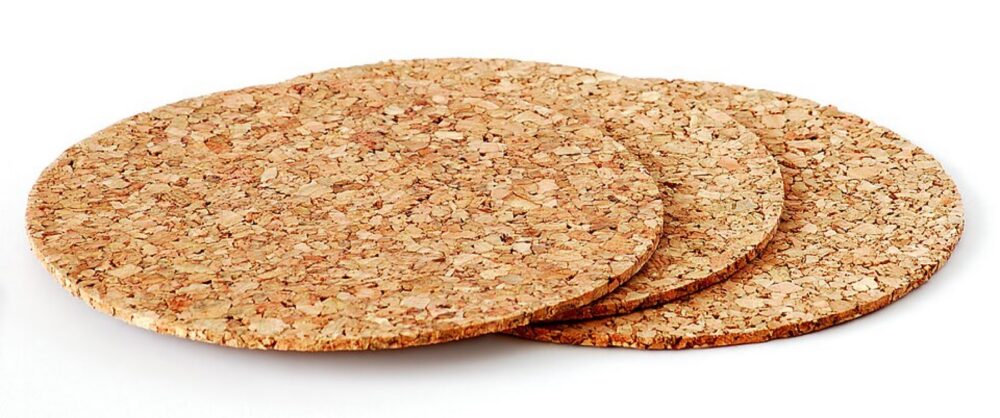
| Cork | Everyday home use, casual bars | Light, eco‑lean, non‑slip | Low |
| Silicone | Busy bars, kitchens, outdoor use | Flexible, heat‑resistant, reusable | Low–medium |
| Stone (slate, marble) | Upscale bars, gift sets | Heavy, upscale look, durable | Medium–high |
| Leather | Formal events, premium gifts | Soft, sophisticated, long‑lasting | Medium–high |
| Woven cotton/fabric | Home decor, boutique retail | Soft, decorative, absorbent | Medium |
*Relative cost is editorial judgment based on typical wholesale positioning, not a guarantee.
For a tight budget, paper, cork, and silicone are usually the cheapest ways to protect tables without sacrificing function.
Customization level also matters:
- Blank or one‑color print on pulpboard or cork is usually the lowest‑cost option for events.
- Full‑color art, embossing, or engraving on stone, leather, or bamboo raises per‑piece cost and setup fees.
- For retail sets, heavy customization may be worth it if it aligns with your brand and you can price accordingly.
Order size and MOQs are the third big lever. Those pulpboard examples show why:
- At 2,500+ pieces, paper coasters drop to pennies per unit.
- At a few hundred pieces, you may pay closer to promo pricing on nicer materials (like silicone or bamboo) for the same overall spend.
Small ecommerce businesses should run the math per use‑case scenario:
- Event scenario: 2,500 disposable pulpboard coasters at a few cents each + simple logo print + ground shipping. This minimizes cost per attendee.
- Retail gift scenario: 300 sets of 4 woven cotton or stone coasters at a much higher per‑coaster cost, but sold as $20–$40 sets with room for margin.
Choosing a Sourcing Channel and Cutting Your Total Spend
Once you know your material and volume, you pick a channel. Each option has a distinct cost profile.
1. Domestic promo printers and manufacturers Suppliers like Totally Promotional or Coaster Factory specialize in bulk paper and pulpboard coasters.
- Best fit: US bars, breweries, events needing thousands of cheap branded coasters.
- Pros: Clear pricing tables, straightforward MOQs, domestic shipping, support geared to business orders.
- Budget tip: Choose standard shapes and sizes, keep artwork simple, and stick to their standard packages where economies of scale are strongest.
2. General marketplaces for ready‑made sets On marketplaces such as Amazon bulk coasters, you’ll see:
- Cork, silicone, stone, bamboo, fabric, and novelty coasters.
- Wide price spread per set, depending on material, quantity per pack, and design complexity.
This works if you need smaller quantities or want to test styles before committing to a wholesale program. You’ll pay retail or near‑retail pricing, but you avoid large MOQs and custom setup costs.
3. Wholesale platforms for branded inventory Wholesale marketplaces like Faire position themselves for retailers buying from independent brands at negotiated wholesale terms.
- Best fit: Boutique shops and online stores curating finished coaster products with brand stories.
- Pros: Access to many brands and styles without designing your own product line.
- Budget tip: Compare minimum orders, case pack sizes, and payment terms; prioritize items with clear MSRP so you can model margin.
4. Cross‑border marketplaces (DHgate as one example) If you’re chasing very low factory‑adjacent pricing or unusual bar accessories, cross‑border platforms come into play. Around 2026-09-29, DHgate listings included:
- 6Pcs Cup Coasters Set Coasters for Drinks Silicone Coaster Bottom (Mats & Pads), with a price range roughly USD 18.51-19.26 per lot.
- 6Pcs 10cm Silicone Coaster Cup Coasters Set in a similar range (about USD 18.10-18.56).
- 8‑Piece Set Absorbent Coasters for Drinks, Minimalist Cotton Woven with listing prices around USD 18.60-23.63.
Prices and availability can change, but these snapshots show how cross‑border lots often bundle 4-8 pieces at mid‑range price points. For bar accessories, DHgate also carried 100‑packs of plastic drinking strips and inflatable drink holders in similar USD multi‑tens ranges.
If you consider this route on a budget:
- Treat the listing price as just one part of landed cost; layer in international shipping, potential import fees, and currency/payment charges.
- Compare per‑set cost to domestic alternatives after adding those extras.
- Check seller history and product reviews carefully, and request clarification on materials (e.g., food‑grade silicone) before large orders.
For deeper channel comparisons, including how DHgate stacks against other marketplaces, it can help to read broader analyses such as Compare DHgate with AliExpress, Alibaba and Temu.
Practical Ways to Save Without Killing Quality
You can usually trim your bulk coaster and accessory spend without downgrading the experience:
- Pick the right material for the job. For a crowded bar or event, disposable pulpboard or cork coasters do the protection work at a fraction of the cost of stone. Reserve leather or ceramic for VIP areas or retail sets.
- Align quantity with reality. If you won’t realistically use 2,500 coasters in a season, a smaller run of higher‑quality silicone or bamboo might yield better overall value than over‑ordering paper that sits in storage.
- Simplify customization. Stick to one‑color logos, standard shapes, and house sizes to avoid die‑cut and complex print charges. That’s where promo suppliers keep their sharpest price breaks.
- Bundle bar accessories smartly. Add low‑cost items like plastic stirrers or drink strips only if they support a real upsell (signature cocktail program, party packages). Excess accessories that don’t influence your ticket or tab size are dead cost.
- Plan cross‑border orders carefully. If you import, use a basic landed‑cost calculator and read up on customs, tariffs and import fees so duty surprises don’t erase the apparent unit‑price savings.
The budget‑friendly sweet spot usually isn’t the absolute cheapest item; it’s the coaster or accessory that does its job, matches your brand, and fits your real volume at a unit cost you can justify in your drink prices or retail margins.