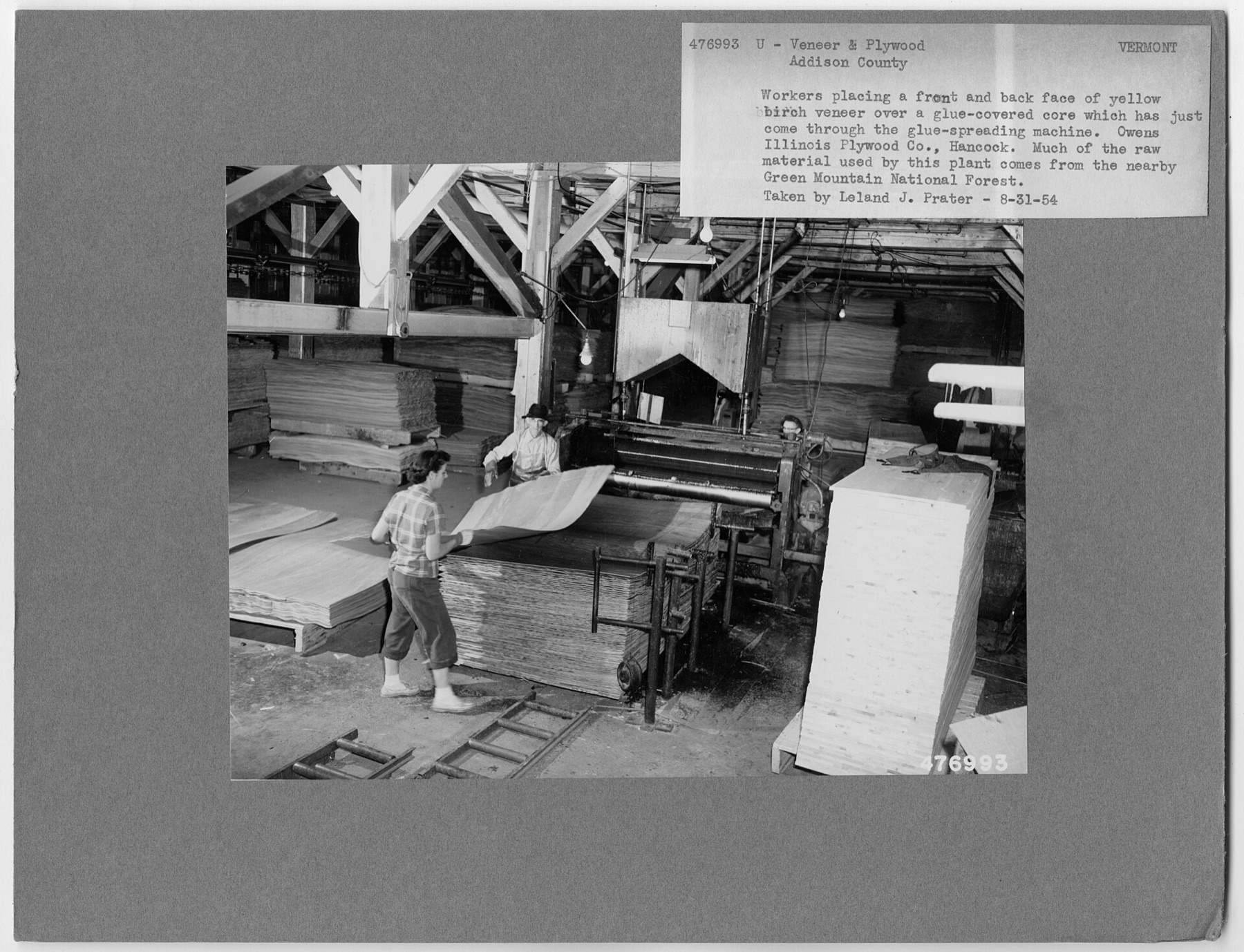
You keep ash veneer and ash plywood costs under control by matching grade and core to what your project truly needs, then comparing the landed price (material + shipping + import fees) between local lumber yards, regional wholesalers, and select cross-border marketplaces. For most Canadian and US buyers, a single table or small cabinet run is cheaper and simpler from domestic retailers; cross-border sourcing starts to make sense only once you’re buying larger volumes or very specific veneer cuts.
Ash veneer plywood is a panel with a thin ash hardwood face over a core; ash veneer sheets are the thin faces sold on their own. Retailers such as Windsor Plywood and Capitol City Lumber sell ash-faced panels for cabinetry, furniture and interior paneling, which gives a useful reference for how these products are priced at small-project scale.
What Drives the Cost of Ash Veneer and Ash Plywood in North America?
You’re paying for three main things:
- The ash face itself – Ash is a hardwood with a light, creamy color and a pronounced grain that takes stain well, which is why ash veneer plywood is marketed for cabinets, furniture and interior paneling by Canadian retailers like Windsor Plywood.
- The core – Veneer-core, MDF-core, or particle-core each have different strength, weight and price points.
- The panel size and thickness – Standard 4×8 sheets cost more than cut-down panels; thicker panels use more material.
Domestic ash cabinet plywood listings typically highlight use in cabinetry and interior millwork, signalling that the price reflects not just the ash face, but the expectation of stable cores and decent machining performance. Separate ash hardwood plywood panels at stores like Capitol City Lumber show similar positioning: decorative quality face, structural core behind it.
While exact prices vary by region and time, these listings illustrate a mature retail structure: ash-faced panels sit above commodity softwood sheathing and below exotic species. You can expect per-sheet pricing that feels high compared with big-box construction plywood, but still workable for premium cabinets, doors, or furniture parts.
For pure veneer sheets (no core), the ash face is thinner but more carefully selected. Engineered and natural veneers are sold by specialty vendors and, in some cases, marketplaces. Prices are usually per sheet or per pack and scale with thickness, cut type (flat, quarter, rift), and visual consistency of the grain.
How Project Specs and Order Details Change Your Ash Panel Price
Two buyers can pay very different rates for “ash plywood” because project specs translate directly into cost.
Grade and veneer quality
Higher-grade face veneers cost more because they have:
- Consistent grain patterns
- Minimal knots and defects
- Better color uniformity
Editorial guidance on plywood quality stresses that defects, inconsistent grain and poor veneer selection hurt strength, stability and appearance. If you’re building a painted utility shelf, you can drop to a lower grade. If you’re making kitchen cabinet doors, buying a cleaner grade pays off in less waste and better-looking fronts.
Core type and thickness
An ash veneer on a veneer-core panel (thin real-wood inner plies) is usually lighter and more traditional for cabinetry. MDF core offers a very flat surface and good machining but adds weight and can respond differently to moisture.
For example:
- 1/4″–3/8″ ash veneer plywood: drawer bottoms, back panels, light interior cladding.
- 1/2″–3/4″ ash veneer plywood: cabinet boxes, doors, table tops with edging.
Thicker panels cost more per sheet, but sometimes let you skip extra framing or reinforcement, saving labor.
Order size, cuts and shipping method
Costs swing with order details:
- Small, cut-to-size job (one custom ash table top): You’ll likely buy 1-2 full sheets from a retailer like Windsor Plywood, have them cut to size, and pay normal retail plus local delivery or pickup.
- Small cabinet run (say, a dozen ash-faced doors for resale): You may still be in retail territory, but now it’s worth asking a local yard or regional supplier about price breaks on multiple sheets and combining delivery with other materials.
Customization (CNC cutting, edge-banding, special matching of veneer leaves) adds service charges but can reduce your own machining time. Shipping method matters too: a single 4×8 sheet is awkward and can incur oversize fees if shipped by parcel; larger orders go by freight, which has a higher minimum cost but improves per-unit economics.
Choosing the Cheapest Viable Channel: Local Yards, Wholesalers, and Cross-Border Marketplaces
You have three broad sourcing routes for ash veneer and plywood if you’re in Canada or the US.
1. Local lumber yards and building-supply retailers
Canadian chains such as Windsor Plywood stock ash lumber and ash cabinet plywood. Big-box or regional stores in both Canada and the US often carry ash veneer-core panels or can special-order them.
Best fit:
- One-off tables, small cabinetry projects, or prototypes.
- Buyers who value in-person inspection and quick pickup.
Cost profile:
- Higher per-sheet prices than wholesale.
- Lower hassle: no import paperwork, predictable taxes (GST/HST or sales tax), and straightforward return policies.
2. Regional wholesalers and specialty panel distributors
Specialty plywood distributors can offer domestic ash plywood, alternative cores (for example, MDF ash panels like the Columbia Forest Products veneer panel sold via McFaddens), and volume pricing when you buy multiple units.
Best fit:
- Small e-commerce brands or cabinet shops doing recurring ash-faced work.
- Buyers willing to meet minimum order quantities or pallet loads.
Cost profile:
- Lower per-sheet pricing when you cross a certain volume threshold.
- Freight shipping and potentially fuel surcharges become part of the equation.
3. Cross-border marketplaces and overseas suppliers
Cross-border B2B marketplaces expose you to engineered wood veneer sheets and veneer-faced panels with per-unit pricing often in the tens of USD. For instance, on 2026-10-08 a listing titled “Engineered Wood Veneer Sheet, Reconstituted Burl Exotic Face Veneer for Plywood MDF Furniture Wall Panels Hotel Home Decoration” showed a price range around $34.74–$49.38 USD on DHgate. That’s a useful reference for how single engineered veneer sheets are positioned internationally, even though this example is burl-pattern rather than ash.
Editorial guidance on overseas sourcing points out that lower unit costs often come with extra expenses such as import tariffs and freight. From a budget perspective, you should build a quick landed-cost checklist:
| Cost element | Domestic yard (Canada/US) | Cross-border marketplace example |
|---|---|---|
| Product price | Higher per sheet at small volume | Often lower per veneer sheet (tens of USD, e.g., $34.74–$49.38 on 2026-10-08) |
| Shipping/delivery | Local delivery or pickup | International freight or parcel; possible oversize or handling fees |
| Duties/tariffs | Built into retail price plus local sales tax | Separate customs duty and brokerage payable on import |
| Lead time | Same day to a few days | Longer overall, with additional time for customs clearance |
For cross-border channels, keep your evaluation very specific:
- Confirm wood species (true ash vs engineered pattern), thickness and face quality.
- Check minimum order quantity and whether pricing is per sheet or per pack.
- Use a simple import-fee estimator or consult a customs broker for CAN/US duties.
If you need to go deeper into comparing DHgate with other marketplaces as part of a broader sourcing strategy, you can look at the internal overview on comparing DHgate with AliExpress, Alibaba and Temu.
A Short Landed-Cost Checklist Buyers Often Forget
You don’t need precise numbers to stay on budget, but you do need a complete list. Before you switch channels for ash veneer or plywood, jot down:
- Panel or veneer price – per sheet or pack.
- Cutting or machining fees – at the yard, distributor, or supplier.
- Domestic shipping or freight – including residential or lift-gate surcharges.
- Cross-border freight – if importing, plus any handling fees.
- Customs duties, GST/HST or sales tax – especially for Canadian buyers importing US or Asian stock.
- Waste factor – extra sheets you need to cover defects or mistakes.
A channel that looks cheaper on the product price alone often loses its advantage once you add freight and import costs.
Practical Ways to Keep Ash Veneer and Plywood Projects on Budget
You don’t need to chase the absolute lowest price; you need the cheapest viable combination of grade, core and channel.
- Match grade to visibility. Use cleaner ash faces on doors and tabletops, and accept more defects on hidden casework or backs.
- Standardize thicknesses. Designing around one or two common panel thicknesses makes it easier to buy in bulk from domestic or regional suppliers.
- Bundle orders. If you’re a small e-commerce seller, combine multiple product runs (ash cabinet fronts, ash shelves) into one larger panel order to unlock better pricing from a wholesaler.
- Stay domestic for experiments. Prototype a new ash-faced product with locally sourced panels. Once the design is locked and volume grows, revisit cross-border options with a realistic landed-cost model, along with platform-agnostic guidance on issues like customs and import fees.
For most Canadian and US projects, starting with domestic ash veneer plywood from retailers such as Windsor Plywood or specialty suppliers and then moving up to regional distributors as volume grows will give you a good balance of cost, quality and simplicity.