
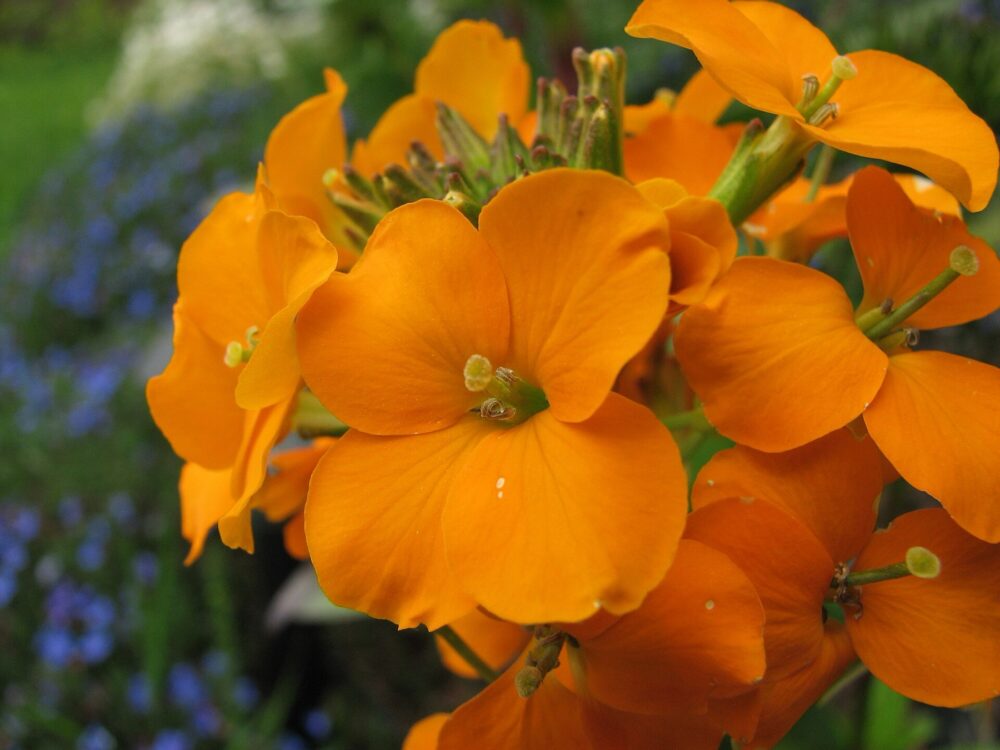
You can absolutely get convincing “gold flowers” without blowing the budget. For Australian buyers, the sweet spot is usually gold-tone artificial or dried stems: they give you metallic or champagne-gold accents, hold their shape for months or years, and avoid the high cost of specialty treatments like 24k gold‑dipped roses. Your total cost will hinge on material (plastic vs silk vs glass), finish (simple gold color vs heavy metallic coating), order size, and how far the flowers need to travel.
Artificial arrangements are generally more cost‑effective than fresh over time because they don’t wilt and can be reused for multiple events or photo shoots. That’s echoed in broader artificial-flower guidance, such as the DHgate blog’s discussion of fake bouquets as a long‑lasting alternative to fresh blooms (What are the best fake bouquet flowers for your wedding?). That’s why some wedding retailers in Australia promote metallic and gold‑tone faux florals as budget‑friendly decor for aisles, arches, and tables.
What Drives the Cost of Gold-Look Artificial and Dried Flowers?
When you budget for gold‑accent faux or dried flowers, think beyond the per‑stem price. There are five main cost components.
1. Base flower material
Common artificial materials include silk, paper, foam, plastic and blown glass. Plastic and foam flowers tend to be cheaper but often look less realistic up close than silk or high‑end fabric petals, a tradeoff that artificial flower specialists also highlight (What are the best fake bouquet flowers for your wedding?). Glass is at the luxury end: stunning, but rarely used for budget bulk decor.
2. Gold color or metallic finish
Most “gold flowers” for everyday use are simply dyed or painted in gold, champagne or rose‑gold tones. Those are relatively affordable because the finish is thin and decorative. Heavy metallic coatings, glitter‑heavy designs or multi‑tone ombré petals usually add cost because they take more labor and finishing steps.
3. Arrangement and labor
Loose stems are cheaper than pre‑made bouquets or centerpieces. Once a florist or maker designs, wires and wraps a bouquet, you’re paying for labor as much as materials. For small ecommerce businesses, buying stems and arranging locally can cut your landed cost.
4. Shipping to Australia
For cross‑border orders, shipping quickly becomes a major line item, especially for bulky but light cartons of faux flowers. Air parcels cost more but arrive faster; sea or consolidated freight can be cheaper per unit for large orders but adds lead time and complexity.
5. Customs, duties and small fees
Above certain value thresholds, imported goods can attract GST, duties and clearance fees. If you’re planning a sizable cross‑border flower order, factor these in. A good starting point is reading up on fees in Understand customs, tariffs and import fees.
For both individuals and small resellers, the most predictable way to keep costs under control is to decide early: are you paying for longevity and realism, or for a one‑night visual hit? High‑quality faux stems cost more upfront but can be used and reshot for years, reducing replacement spend. Guidance on realistic artificial flowers, like the DHgate blog’s look at high‑quality faux decor (Your Guide to Realistic Artificial Fake Flowers 2025), emphasizes this long‑term value.
Why Some Gold Flowers Cost More: Materials, MOQ, and Timing
Not all gold‑look florals sit in the same budget bracket. Prices jump for a few clear reasons.
1. Material realism vs price
Silk or high‑end fabric flowers are usually marketed as the realistic choice: better petal texture, subtle color gradients, and shapes that mimic real blooms. They cost more than plain plastic or foam, which are often the cheapest options but can look obviously fake in close‑up photos or boutique displays.
For a big event where guests mostly see arrangements at a distance, plastic or foam gold stems can work as budget accents. For bridal bouquets, product photos or store windows, it’s often worth paying for realistic silk or “real touch” petals.
2. Gold treatments on real flowers
You’ve probably seen social posts showing “real gold roses.” Those usually fall into two categories:
- Spray‑painted fresh flowers – real stems sprayed with gold paint. Australian wedding advice sites note that you can spray real flowers yourself but recommend testing durability over months (I’ve seen some gold flowers on social media recently. Are they real?). This DIY route adds labor time and paint cost, and the flowers still have a limited lifespan.
- 24k gold‑dipped real roses – genuine roses coated with gold. The same EasyWeddings discussion points out that dipping and drying can take 24-48 hours, pushing these into the premium gift category at a much higher price than plain artificial stems.
For most budget‑conscious buyers, those specialty treatments are overkill. Faux or dried gold‑tone stems give you the look without paying for precious metal or intensive labor.
3. Minimum order quantities (MOQs)
Cross‑border factories often set MOQs for custom colors or finishes. A standard catalog gold‑tone stem might be available in small packs, but if you want a specific Pantone gold or a unique glitter pattern, you may need to commit to a larger batch. That lowers unit cost but raises your total spend and inventory risk if you’re a small ecommerce seller.
4. Seasonal timing and rush orders
Demand for gold accent florals spikes around wedding season, Christmas and New Year, and Diwali‑style celebrations. If you buy at peak times, you compete for stock and freight space. Planning three to six months ahead lets you:
- Lock in standard colors and styles
- Use slower but cheaper shipping for bulk orders
- Avoid last‑minute rush fees from local florists or event stylists
Picking Your Sourcing Channel Without Making the Flowers Look Cheap
For Australian buyers, you effectively have four channels for gold‑look artificial or dried flowers: local retail/wholesale, independent makers, cross‑border marketplaces and DIY.
Here’s how they compare in budget and visual‑quality terms:
| Channel type | Typical strengths for gold accents | Budget risks / tradeoffs |
|---|---|---|
| Local Aussie shops & wholesalers | Easy to see realism in person; fast delivery; good for small event quantities | Higher per‑stem price; limited choice of specific gold tones; seasonal stockouts |
| Etsy‑style and boutique makers | Custom palettes (champagne, rose gold, mixed metals); curated, photo‑ready designs | You pay for artisan labor; shipping within Australia can still add up for bulky bouquets |
| Cross‑border marketplaces (including Cross-border multi-seller and similar platforms) | Very wide range of artificial flowers from Chinese factories; potential for low unit prices on bulk orders | Shipping, GST/duties and long lead times can erode savings; quality varies by seller, not platform |
| DIY (spray‑painting dried or faux stems) | Full control of color; can be cost‑effective for small projects using existing stems | Time‑consuming; inconsistent finish; risk of paint cracking or looking uneven in photos |
When you use cross‑border channels, keep the focus on buyer‑controlled checks:
- Look for clear photos and material descriptions (silk vs plastic vs foam).
- Scan buyer photos and reviews to see how “metallic” or realistic the gold actually looks.
- Compare shipping methods and estimated weights before checkout.
- For larger orders, cross‑check potential import charges via Understand customs, tariffs and import fees.
- Benchmark marketplace differences for bulk, low‑margin items with Compare DHgate with AliExpress, Alibaba and Temu.
Practical Ways to Cut Costs Without Cheapening the Look
If you want your gold flowers to look luxe on a budget, focus on a few high‑impact tactics rather than chasing the absolute lowest stem price.
Prioritize realism where eyes and cameras linger
Use higher‑quality faux flowers (silk or “real touch”) for bridal bouquets, product flat lays, and entrance arrangements. As general guidance from artificial flower specialists suggests, these better stems keep their color and shape over years, which spreads their higher upfront cost over multiple uses (Your Guide to Realistic Artificial Fake Flowers 2025).
Use cheaper materials for filler and distance
Plastic or foam gold stems work well as filler in large installations, ceiling decor, or back‑of‑room pieces where guests never get close. Mixing realistic focal flowers with budget filler is often more effective than buying mid‑range stems across the board.
Lean on gold accessories instead of fully gold blooms
Champagne or ivory flowers with gold vases, ribbons, candleholders or table runners often read more expensive than an arrangement that’s entirely metallic. This lets you buy more neutral stems (which are easier to reuse) and keep gold confined to accents.
Order once, reuse often
For small ecommerce brands, invest in a core set of gold‑accent stems you can rotate across product shoots, pop‑ups and seasonal displays. Because artificial flowers don’t wilt, each use lowers your effective cost per event. This matches broader advice that artificial bouquets can serve as long‑lasting keepsakes or decor beyond a single wedding (What are the best fake bouquet flowers for your wedding?).
Test DIY finishes before scaling
If you’re tempted to spray‑paint flowers, treat your first batch as a test: coat a few stems, leave them in normal light and handling conditions for a couple of months, and only then decide whether the look holds up well enough to justify a larger project.
If your plans involve ongoing importing rather than a one‑off event, you may eventually want to compare wholesale‑oriented platforms and factory sourcing in more detail. In that case, Find wholesale suppliers on DHgate is a useful next step to understand how bulk artificial flower sourcing might fit into your broader buying strategy.