
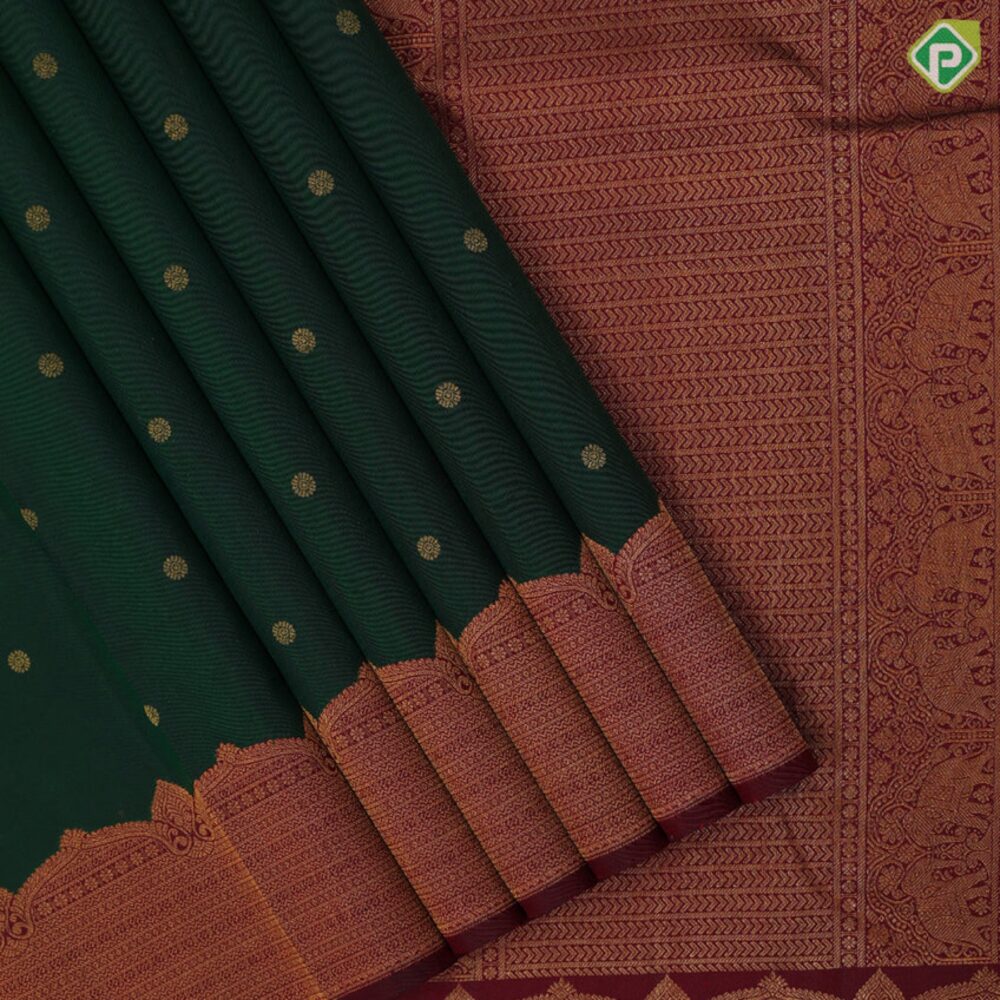
Affordable gold sarees rarely mean solid gold fabric. In most listings, the “gold” is a metallic or gold-colored thread woven into borders and motifs (often called zari), or simply a gold-tone base fabric. For US buyers on a budget, that’s good news: you can usually find attractive gold sarees made with imitation zari or gold-colored polyester, rayon, or blended silk instead of heavy precious-metal work. Your real cost is driven more by fabric, weaving style, embellishment, and where you buy than by gold content.
For a single saree as a wedding guest or festival outfit, many US shoppers end up in the broad mid-budget bracket: not the cheapest synthetic overlay, but not pure handloom silk with intricate real-metal zari either. Small ecommerce sellers sourcing multiple pieces should think in tiers and margin: carry one or two statement pieces with richer work, but build volume on durable, gold-tone options that ship reliably and don’t eat up cash flow.
What Counts as a “Gold Saree” and How Much Do Budget Options Really Cost?
Most “gold sarees” online are defined by appearance, not precious metal. In traditional categories like the Banarasi sari, the gold effect typically comes from metallic or gold-colored threads woven into elaborate floral or Mughal-inspired designs, especially on the pallu and border, rather than any solid gold fabric.descriptive source Similarly, Kasavu sarees from Kerala are known for their white or off-white body with a distinctive gold border and motifs, again using metallic or gold-colored thread.Kasavu overview
That visual definition matters for your budget. True precious-metal content in the border or pallu is usually minimal compared with the overall textile weight, and many modern “gold” offerings use copper or polyester imitation zari for affordability. Online multi-brand retailers like G3+Fashion’s gold saree collection and ClothsVilla’s gold sarees page illustrate how broad this category has become: you’ll see everything from plain gold-tone georgette sarees to heavily embellished Banarasi-inspired pieces marketed under the same “gold saree” label.
For buyers and small resellers, it’s more useful to think in rough qualitative tiers than exact prices:
- Entry-level: synthetic or blended fabrics (polyester, art silk) with simple printed or lightly woven gold designs. Good for occasional wear and budget-conscious buyers.
- Mid-tier: soft silks, cotton-silk blends, or tissue fabrics with more detailed woven borders and motifs, sometimes echoing Banarasi or Kasavu styling.
- Premium: handloom silks with dense, intricate zari work and traditional patterning. These carry higher labor and material costs and are aimed at bridal and heirloom markets.
As you move up those tiers, you’re paying for fabric quality, weaving effort, and zari type rather than large amounts of gold.
Why Some Gold Sarees Feel Cheap and Others Feel Luxe
From a cost perspective, a gold saree is a bundle of material, craftsmanship, and finishing choices. Five factors dominate the price difference between a $40-feeling saree and one that feels worth several times that, even if you don’t have exact price tags in front of you:
Fabric and weave
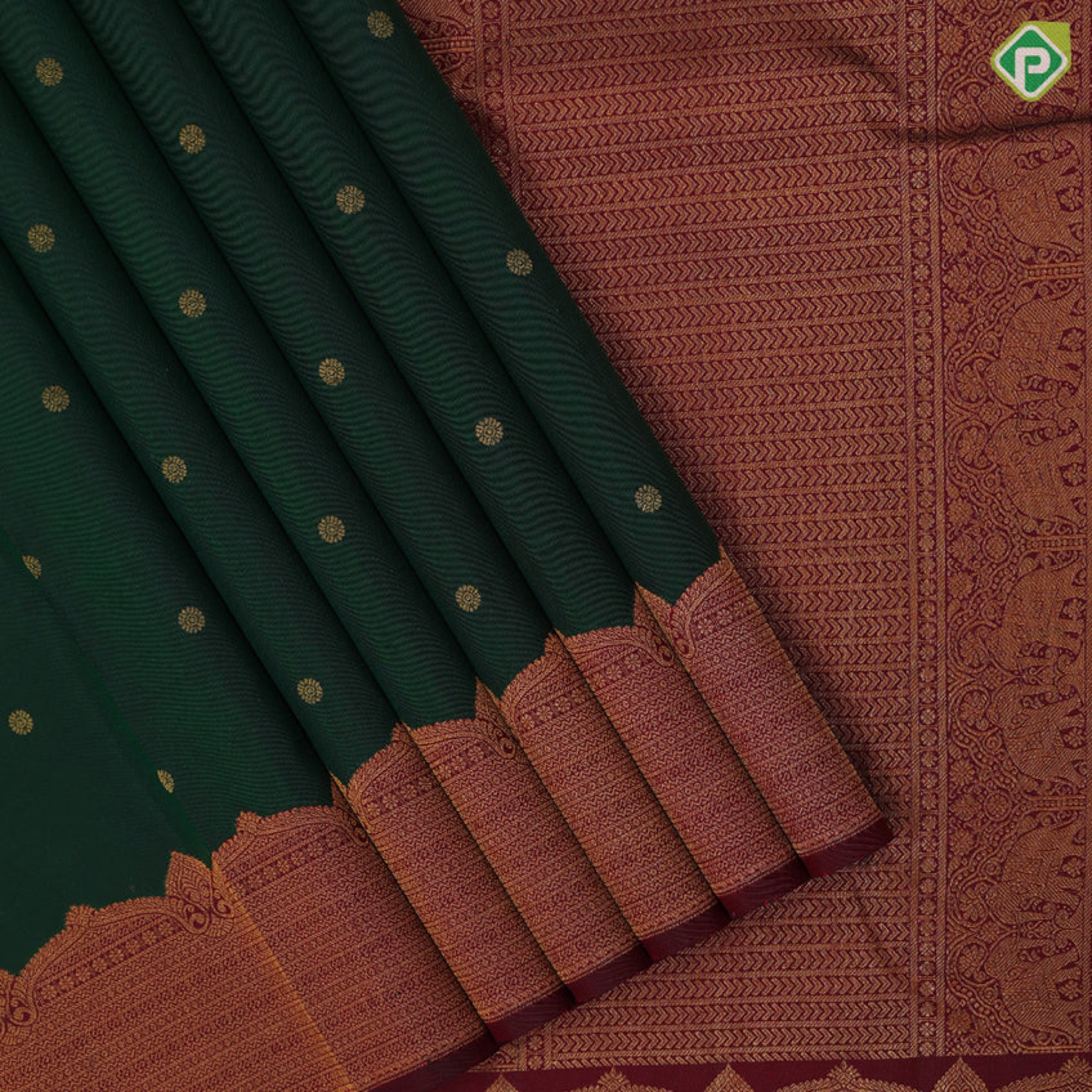
A plain gold-tone polyester saree with a printed border is inexpensive to produce. A handloom silk Banarasi-style saree with jacquard weaving and complex pattern repeats is far more labor-intensive and uses costlier yarns. That’s why sarees marketed as Banarasi or traditional silk often sit at the higher end of gold saree ranges.Banarasi sari context
For budget buyers, blended fabrics labeled as “art silk” or “tissue” can offer a similar drape and shine without the same cost or care requirements as pure silk.
Zari type: imitation vs traditional
The gold look in Kasavu and Banarasi sarees comes from zari—metallic or metallic-looking thread. Traditional zari may use real metal in some form, while many budget versions rely on copper-based or polyester imitation zari. Imitation zari helps keep prices down but has tradeoffs:
- Durability: lower-quality imitation zari can snag or break more easily.
- Color stability: budget copper or synthetic threads may tarnish or dull with sweat, moisture, or repeated washes.
If you’re reselling, this is a key risk: a saree that looks vivid on day one but loses its shine quickly will generate complaints.
Embellishment and labor
Hand embroidery, beadwork, and intricate borders significantly increase labor time. A simple gold border woven on a machine is cheaper; a heavily embellished bridal pallu with hand-placed stones and detailed motifs commands a premium.
For festival wear or party pieces, many buyers find good value in woven designs without extensive handwork—they still read as special-occasion garments but keep the unit cost manageable.
Occasion and buyer scenario
Your use-case shapes how far up the spectrum you should go:
- Wedding guest or one-off event: mid-tier tissue or art-silk gold saree with a nice border is often enough; you don’t need heirloom-grade silk.
- Small ecommerce boutique: you may carry one or two high-impact Banarasi or Kasavu-inspired gold sarees as “hero” items, but build margin on reliable, mid-tier pieces that don’t require delicate handling.
- Festival or group orders: for coordinated looks, the priority is consistency and durability, not intricate handwork.
Channels for Gold Sarees and How They Change Your Total Spend
For US buyers, the saree’s list price is only part of the story. Shipping method, origin country, and any import charges determine your true landed cost. Broadly, you’ll see three channel types.
1. Indian multi-brand sites and marketplaces
Indian-focused sites like Mirraw’s gold saree category, Myntra’s gold sarees, and ClothsVilla’s gold sarees list many gold-colored sarees and are widely used by international shoppers.
Pros:
- Huge variety of gold sarees across fabrics, styles, and price tiers.
- Access to designs close to current Indian trends.
Tradeoffs:
- International shipping costs and potential duties for US delivery can erode apparent savings.
- Longer delivery windows and a bit more complexity if you need returns or exchanges.
If you rely heavily on cross-border orders, it’s worth reviewing a separate guide on import costs such as this overview of customs, tariffs and import fees.
2. US-based Indian boutiques and resellers
Some boutiques market Indian sarees shipped from within the USA, highlighting relatively quick delivery. For example, Golden Tassels promotes “beautiful, premium-quality saree” collections shipped from the USA with an “approximately 5-7 days” delivery claim in their own Facebook materials.Golden Tassels promo
Pros:
- Domestic shipping and shorter delivery windows for US addresses.
- Reduced customs complexity for individual buyers.
Tradeoffs:
- Unit prices often higher than direct-from-India marketplaces, as the boutique has already absorbed import costs and added a margin.
- Narrower selection than Indian mega-sites.
3. General online marketplaces (including DHgate)
Large marketplaces aggregate many independent sellers. For gold sarees, you’ll find options on platforms that specialize in Indian wear as well as broader sites that focus on formal apparel. DHgate, for instance, is an online marketplace that hosts a wide range of gold-colored formal dresses and related garments from multiple sellers.DHgate blog context Some small resellers use this kind of marketplace as one of several sourcing channels when they’re testing product ideas.
Pros:
- Potential access to factory-linked or wholesale-oriented sellers for bulk buys.
- Ability to compare multiple listings and styles in one place.
Tradeoffs:
If you’re considering cross-border sourcing via marketplaces for resale, it can help to benchmark platforms side by side with resources like this comparison of DHgate, AliExpress, Alibaba and Temu, then decide where gold sarees realistically fit into your product mix.
Here’s how those channel types typically affect budget decisions:
| Channel type | Variety of gold sarees | Typical delivery to US (editorial view) | Cost impact on single-piece buys | Cost impact for small resellers |
|---|---|---|---|---|
| Indian multi-brand sites | Very broad | Longer, cross-border | Lower base price, higher add-ons | Good for style variety, requires import planning |
| US-based Indian boutiques | Moderate | Shorter, domestic | Higher base price, fewer add-ons | Easier logistics, tighter margins per piece |
| General marketplaces (incl. Cross-border multi-seller) | Mixed by seller | Varies by listing | Can be competitive or not, depends on seller | Potential for bulk deals, but verification effort is higher |
Practical Cost-Saving Tactics for Buyers and Small Resellers
Once you understand what makes a gold saree expensive, you can target savings without ending up with flimsy fabric or dull-looking zari.
For individual buyers
- Prioritize fabric over heavy embellishment. A well-woven gold-tone saree in a comfortable fabric will usually feel and photograph better than a low-grade synthetic with lots of beads and a scratchy border.
- Lean on curated collections when you’re time-poor. Retailers like G3+Fashion’s gold range and ClothsVilla’s gold sarees pre-filter styles, which can reduce the risk of accidentally buying costume-quality pieces.
- Watch care instructions. Budget imitation zari may not tolerate aggressive washing; factor in dry-cleaning or delicate hand-wash care if you want the saree to last.
For small ecommerce sellers
- Mix tiers for margin. Carry a limited number of premium Banarasi or Kasavu-inspired gold sarees to anchor your brand, but make most of your profit on mid-tier gold-tone pieces with reliable fabric and decent zari.
- Consolidate sourcing per channel. If you decide to import from Indian multi-brand sites or marketplaces, batch your orders to manage per-shipment costs and customs overhead instead of ordering one saree at a time.
- Test durability first. Before committing to a supplier for multiple gold sarees, order a small batch, wear-test or photo-test them, and watch how the zari and color hold up. Tarnishing or fraying on sample units is a red flag.
Gold sarees can be very budget-friendly once you stop equating “gold” with solid precious metal and start judging listings by fabric, weave, and channel. For US buyers and small resellers, the sweet spot is usually gold-tone sarees with decent imitation zari, sourced through a mix of channels that balance variety, shipping reality, and your tolerance for import logistics.