
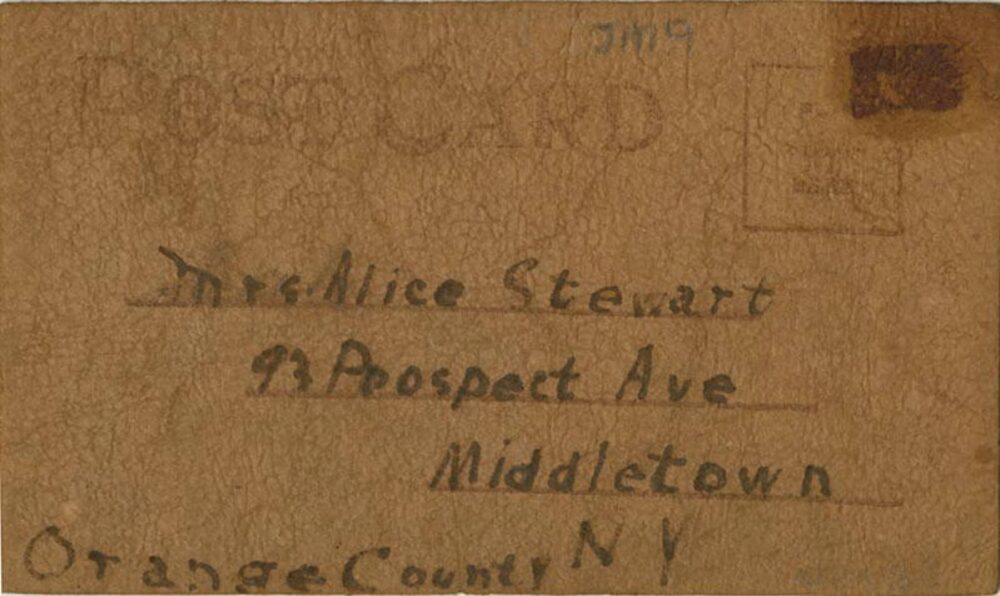
Most genuine Victorian postcards are not sold through mass wholesale platforms. They trade mainly on specialist marketplaces, auctions and dealer sites. For UK buyers, eBay, Etsy, dedicated postcard dealers and UK auction houses are the primary online sources for late‑19th‑century cards. DHgate, by contrast, is mostly relevant if you want modern Victorian‑style postcard sets or stationery to resell, not true 19th‑century collectibles.
Before you start searching, you need to be clear whether you want original Victorian cards or simply Victorian‑inspired designs. The right channel – and the level of authenticity checking you’ll need – changes completely based on that choice.
What Victorian postcard collecting means in an online-buying context
Postcard collecting – deltiology – covers cards from many eras, but Victorian postcard collectors focus on the late 19th and very early 20th century. These cards are valued for their historical imagery and social context: views of streets that no longer exist, fashions and advertising, early holiday cards, or personal messages that tie into family history.
Collectors usually specialise. You might chase cards from a specific town, a publisher like Raphael Tuck, themes such as railways or seaside resorts, or particular holidays. UK resources like Postcard.co.uk highlight exactly this kind of subject and era-based collecting.
Online buying changes the hobby in two ways:
- You see far more material than at local fairs – thousands of Victorian and Edwardian cards across eBay and dealer sites.
- You’re further from the physical object, so you rely on photos and descriptions to judge age, condition and originality, and you have to be more alert to reproductions.
For collectors and small resellers, the core decision is: are you paying for genuine period cards, or for the right look at a lower cost?
Victorian postcard types and how they appear on marketplaces
Victorian cards online break into two broad groups: originals and modern Victorian‑style prints.
Original period cards
On general marketplaces, original cards often show up as:
- Single “antique” or “Victorian” postcards (street scenes, portraits, comic cards)
- Small themed bundles – e.g., 10 Valentine or Christmas cards
- Larger mixed lots from estate clearances or dealer stock
Searches like “Victorian postcards” or “Victorian Edwardian postcards” on Etsy’s UK marketplace bring up a mix of individually listed cards and curated vintage bundles. Some are clearly described as early 1900s with postmarks; others are sold more generically as “vintage”.
On eBay, there is a dedicated Victorian postcards category – a sign that sellers and buyers use it as a major venue for this era. You’ll find everything from real‑photo views to art cards and holiday themes, often with the back and stamp shown in the images.
Modern Victorian-style sets
A second, overlapping category is modern prints using Victorian artwork or typography. These are useful if you care more about aesthetics than age.
Platforms like Zazzle specialise in newly printed postcards featuring Victorian‑style designs – floral borders, cupid imagery, damask frames and period portraits. These are not antiques; they’re on modern cardstock, printed on demand.
You’ll also see reprint sets sold as “vintage Victorian postcards” on sites such as Bigamart. These typically state “reprint” or “retro poster” in the title – a critical word to look for if you’re collecting originals.
DHgate sits squarely in this modern group: it’s a marketplace connecting buyers to manufacturers and wholesalers for new printed products, including cards and stationery. It can make sense if you want bulk Victorian‑style designs to resell, but it’s not a specialist venue for genuine Victorian postcards.
Where UK buyers actually shop for Victorian postcards – and how to manage risk
For UK‑based collectors and small ecommerce sellers, each online channel has a different profile. The table below summarises typical roles; it’s editorial judgment based on how these platforms position themselves and what their listings show.
| Channel | Typical role for Victorian postcards | Originals vs reprints |
|---|---|---|
| eBay | Large-scale trading, price discovery via solds | Many originals, some reprints |
| Etsy | Mixed creative/vintage marketplace | Mix of originals and reprints |
| UK auction houses | Catalogued lots, serious collections | Mainly originals in grouped lots |
| Specialist UK postcard dealers | Curated stock by theme/era | Originals, often better described |
| Zazzle / print-on-demand | New postcards with Victorian-style artwork | Modern prints only |
| DHgate | Wholesale new cards and stationery | Modern Victorian-style stock |
eBay: volume and valuation
eBay is a major venue for buying and valuing antique postcards. The Victorian postcards category lets you narrow searches, and the “sold listings” filter is handy for seeing what similar cards have actually sold for rather than guessing. For a UK reseller, that sold data is one of the few quick ways to check whether a bundle you’re considering has realistic resale potential.
Risk management on eBay is all about listing detail. Look for:
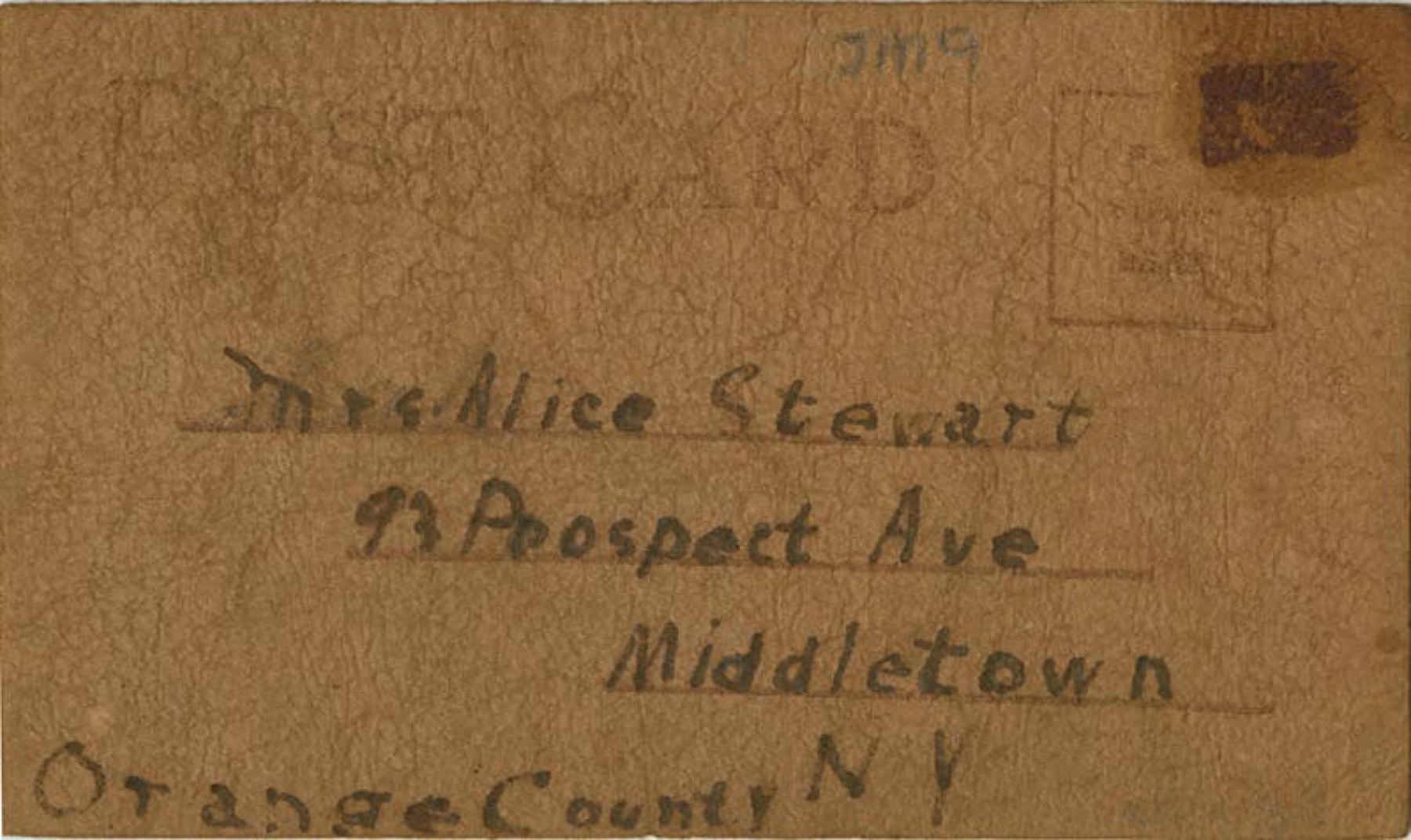
- Clear images of front and back, including any postmark
- Description that distinguishes “original” from “reprint” or “facsimile”
- Indications of age such as divided/undivided backs and printing style
Etsy and mixed marketplaces
On Etsy’s Victorian postcard pages and related searches (“Victorian Edwardian postcards”, “vintage Victorian postcards”), you’ll see both genuine cards and modern vintage‑style sets. For collectors, that mix is helpful and risky at the same time.
Practical checks:
- Scan titles and tags for “digital download”, “printable” or “reproduction” – those aren’t original cards.
- Read whether the card is unused, postmarked or has writing; modern sets are typically unused and often sold in quantities with identical imagery.
UK auction houses and postcard fairs
UK auction houses and postcard fairs are still core to the serious end of Victorian postcard collecting. Firms such as Warwick & Warwick regularly catalogue postcard lots, including Victorian material. Catalogues typically group cards by theme, location or era, with basic descriptions and a market-based estimate.
If you buy via an online auction interface, you often get better provenance and more structured lots than on general marketplaces, but you still rely on photos and written conditions. For a small reseller, auctions are useful for acquiring larger batches once you understand which themes sell.
Specialist dealers and curated sites
Dedicated postcard dealers and niche sites tend to offer smaller but more carefully described selections. They often organise stock by county, publisher or subject and explicitly flag Victorian or Edwardian periods. UK sites like Postcard.co.uk both sell cards and discuss collecting, which can help you learn what to look for before buying larger quantities.
These channels are good fits if you value accuracy and themed stock over rock‑bottom prices. You’re less likely to encounter mislabelled reprints than on general marketplaces.
Modern Victorian-style prints: Zazzle, reprint sets and DHgate
If you’re sourcing for craft projects, decor, or low‑cost reselling where “Victorian look” is enough, modern prints are simpler. Zazzle’s Victorian postcard designs and similar print‑on‑demand sites let you choose artwork and order fresh cards. Reprint sets such as the Kaemmerer collection on Bigamart bundle multiple designs into one purchase.
DHgate belongs in this same bucket for UK buyers: a place to source new Victorian‑style postcard sets or stationery directly from manufacturers, generally in higher quantities. If you look there, treat each listing as new stock and verify that the product is described as modern printing, not “antique” – genuine Victorian cards are extremely unlikely to be sold as factory-fresh wholesale.
Simple authenticity checks for online buyers
Because modern reproductions are sometimes passed off – intentionally or not – as antiques, basic authenticity checks are worth your time. UK guides like Quirky Niche’s article on spotting fake antique postcards highlight some practical signals collectors use offline, which translate reasonably well to online photos:
- Printing method: Period cards often show letterpress or early chromolithographic dots and texture, not flat modern digital print.
- Paper ageing: Genuine Victorian paper usually shows consistent toning, minor edge wear and natural foxing. Sudden clean white backs on “Victorian” fronts can indicate reprints.
- Back layout: Divided vs undivided backs, stamp box styles and wording all correlate with broad date ranges; learning these helps you sanity-check listings.
Online, you can’t handle the card, so you have to lean on:
- High-resolution photos of both sides
- Honest descriptions that use words like “reprint”, “facsimile” or “modern” where appropriate
- Seller track record in postcards rather than general home decor
There’s no foolproof single test, but combining these cues will dramatically lower the odds that you pay Victorian‑level prices for a modern card.
For buyers who decide to explore modern stock on DHgate or similar platforms, generic marketplace due-diligence still applies. DHgate-specific points such as seller assessment and order checks are covered in What DHgate is and how the marketplace works and the DHgate order-readiness checklist, which are useful reads before placing bulk stationery orders.
The practical split is simple: use specialist dealers, auctions, eBay and Etsy (carefully) for genuine Victorian postcards, and treat DHgate, Zazzle and reprint sets as separate channels for modern Victorian‑style designs or resale inventory rather than true antiques.