
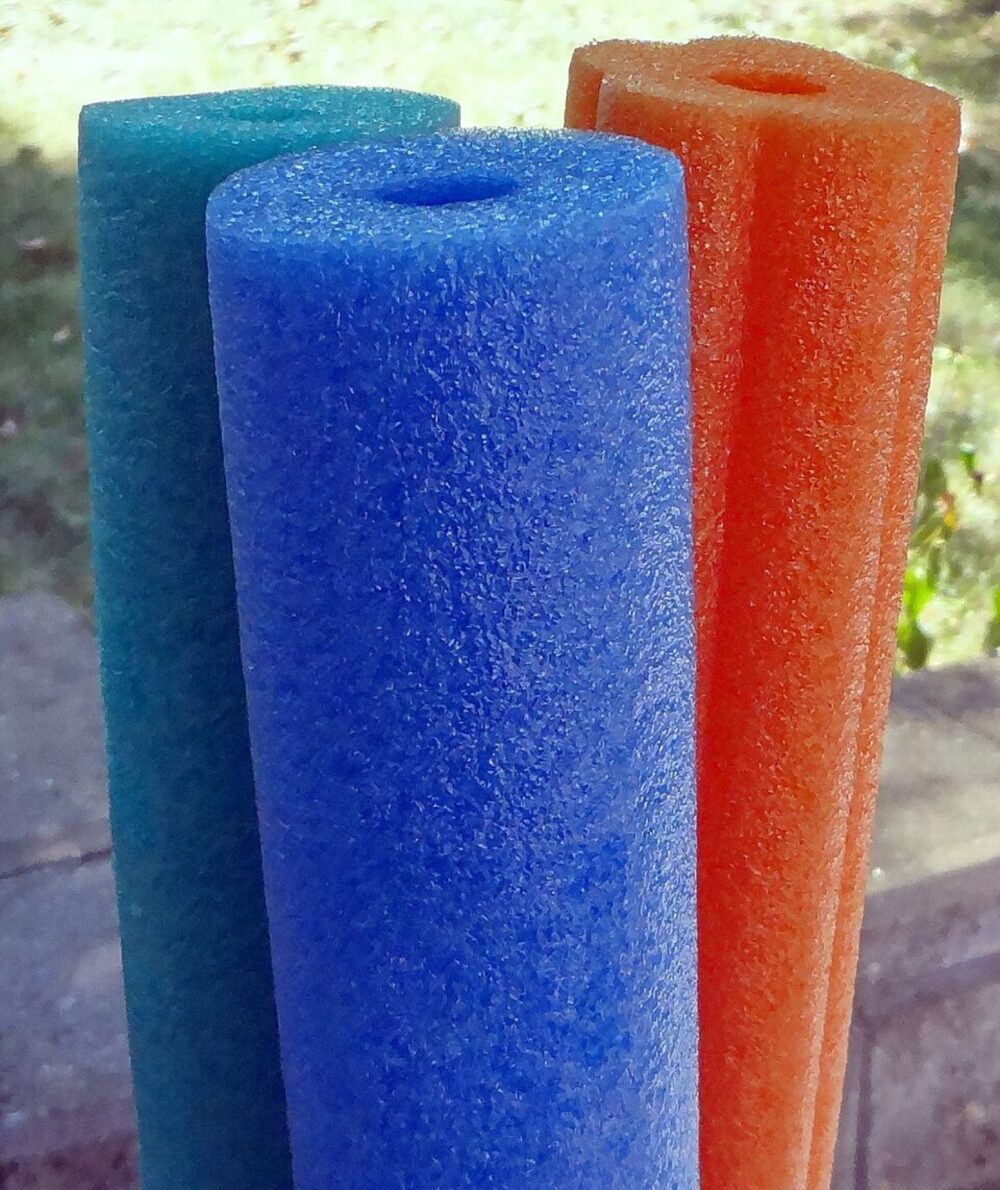
For a tight pool-noodle budget in Canada, treat each purchase as three costs: the noodle itself, getting it to you (shipping or gas), and any import fees. For a handful of standard noodles, local retail usually wins. Once you need 20-50 pieces for a camp, swim school, or ecommerce store, domestic bulk suppliers and cross-border marketplaces can beat retail on per-unit price—if you’re realistic about freight and customs.
What foam pool noodles are and why specs matter for price
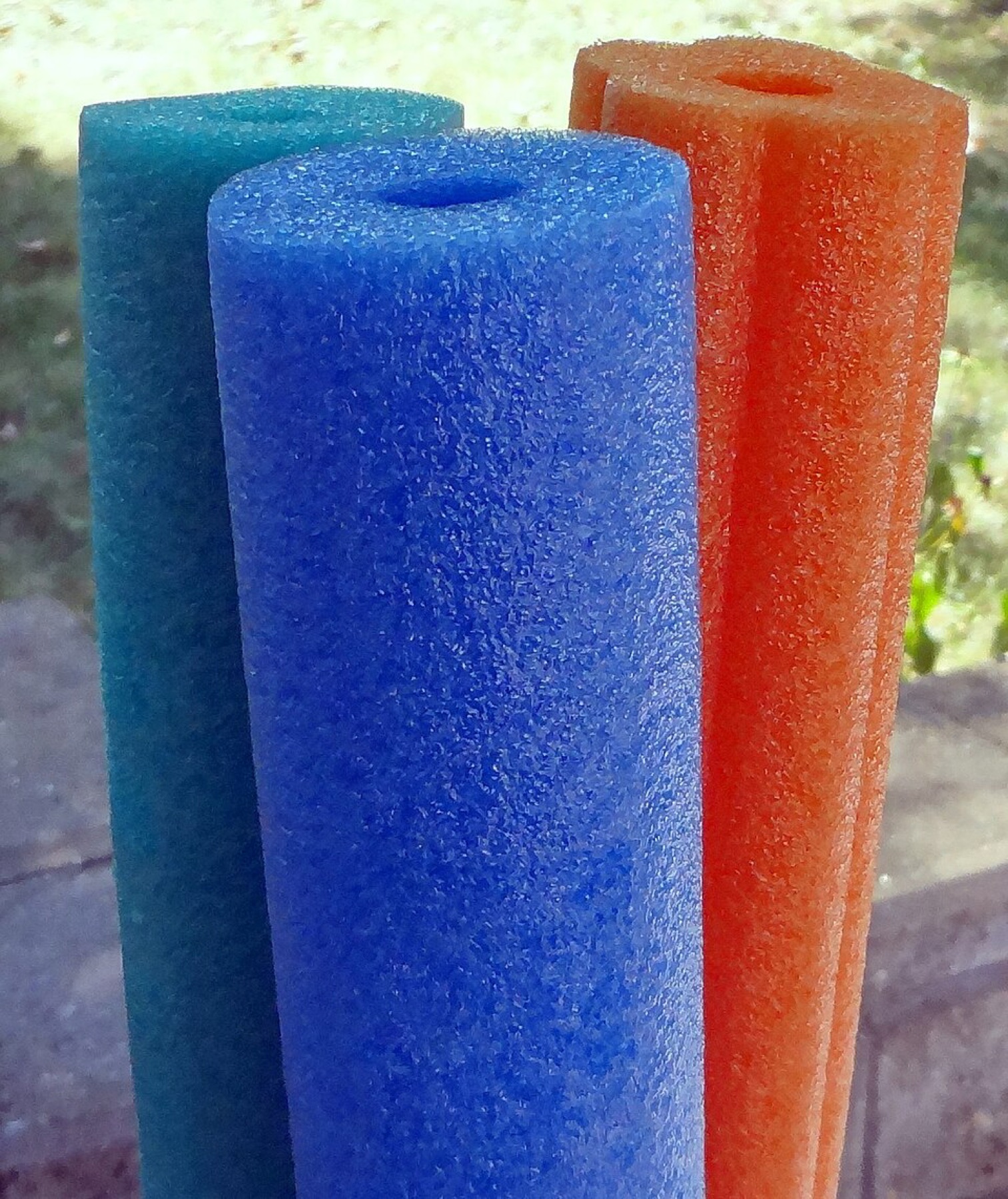
A foam pool noodle is a cylindrical, flexible tube of buoyant foam, often around 160 cm (about 63 inches) long and roughly 7 cm in diameter. That’s the standard size described in Wikipedia’s overview and reflected in budget listings at Canadian sports retailers such as Decathlon.
Most noodles are made from closed-cell polyethylene foam, a material designed not to soak up water, which helps them stay buoyant and last through repeated use in pools and lakes. Manufacturers like Alcot Plastics highlight closed-cell construction as a key differentiator from softer, open-cell craft foams.
Several specs directly affect price:
- Length and diameter: Longer or thicker noodles require more foam and typically cost more. Canadian retailers sell oversized or “mega” noodles around 56 inches that are marketed as premium toys and priced above slim, standard sticks, as you can see in listings from shops like UltimatePools.
- Foam density: Denser closed-cell foam offers stronger buoyancy and better resistance to tearing—but uses more material. High-density noodles aimed at adults, aquatic fitness, or heavy use will generally sit above kids’ play noodles in price.
- Solid vs hollow: Solid-core noodles contain more foam. Hollow noodles or ones with a central hole use less material and can come in cheaper, but they may bend or compress more easily and offer slightly different buoyancy.
- Specialty designs and connectors: Interlocking noodles such as Alcot’s LINK’EMS use closed-cell foam but add shapes, link features, or textured surfaces. These command a premium over basic straight tubes because you’re paying for design and functionality rather than just foam volume.
For non-aquatic uses—like crafts, obstacle courses, or padding sharp edges—you may not need premium density or specialty connectors. In those cases, choosing slimmer or hollow noodles can trim costs without hurting performance.
How much foam pool noodles cost in Canada and what changes your per-unit price
Exact prices move with seasons and sales, but the positioning is fairly consistent:
- Standard 160 cm foam noodles are treated as low-cost swim aids in Canada. A listing at Decathlon puts this size firmly in the budget category.
- Mega or oversized noodles are sold as premium toys and usually priced higher than basic sticks, as shown by 56-inch “mega” products in Canadian shops like UltimatePools.
- Branded multi-packs from companies like Big Joe illustrate how per-piece cost comes down when you buy 10-12 noodles at once compared with individual retail purchases.
From a budget perspective, your real cost is:
- Product price × quantity (often lower per piece as volume rises)
- Shipping or transport (parcel shipping, LTL freight, or your drive to the store)
- Taxes, duties, and fees (especially for cross-border orders)
Here’s a simplified example using typical patterns, not live prices:
- A Canadian household grabs a 6-pack of standard noodles from a national retailer in late spring. The per-noodle price is modest, and tax plus a short drive add a small premium. Total cost is manageable for casual use.
- A swim school needs 24 noodles. Buying four 6-packs at retail might cost noticeably more per noodle than ordering a single bulk case from a domestic foam supplier or a specialty wholesaler like FoamNoodles.com, which markets itself explicitly for bulk quantities.
Several factors swing your per-unit price up or down:
- Order size and MOQ: Domestic wholesalers and online bulk suppliers often have minimum order quantities. Once you cross that MOQ, per-piece pricing usually drops compared with store buys.
- Customization: Color-matched noodles for branding, custom lengths, or specialty shapes (e.g., interlocking designs) raise per-unit cost but may be worth it for camps, resorts, or ecommerce brands.
- Seasonality: Canadian pool accessories often spike in demand late spring through summer. Buying off-peak or watching clearance periods can significantly improve unit pricing.
- Shipping method: A small retail pack shipped via parcel courier is convenient but adds noticeable cost per noodle. Palletized bulk freight spreads that cost across many units, often lowering the per-piece shipping share.
Picking your buying channel: local retail, domestic bulk, or cross-border marketplace
For Canadian buyers, the cheapest channel depends on how many noodles you need and how you’ll use them.
Quick comparison of budget factors
The table below uses editorial judgment grounded in public examples like Decathlon, UltimatePools, FoamNoodles.com, and DHgate’s Canadian portal, rather than specific live prices.
| Channel type | Typical quantity sweet spot | Per-unit price potential | Upfront complexity | Best fit scenarios |
|---|---|---|---|---|
| Local retail (Canadian) | 1-12 noodles | Higher per unit, sale-driven | Very low (walk-in/online) | Households, small parties, occasional crafts |
| Domestic bulk/wholesale | ~24-200+ noodles | Lower per unit after MOQ | Moderate (account, freight) | Swim schools, camps, small resellers in Canada |
| Cross-border marketplace | ~24-500+ noodles (case or multi-pack lots) | Can be low per unit but freight/duties add up | Higher (import, seller checks) | Value-focused resellers, large one-off events |
Local Canadian retail stores
Local Canadian retailers—big-box, sporting goods chains, and pool shops—stock noodles seasonally. Advantages:
- Fast access: You can have noodles the same day, with no import paperwork.
- Simple budgeting: Shelf price plus sales tax; no surprise duties.
- Easy spec check: You can visually compare standard vs oversized noodles, feel foam density, and decide what fits your use.
This is usually the best route for a household buying under a dozen noodles or a one-off kids’ party.
Domestic bulk and wholesale suppliers
Canadian pools-only stores and foam specialists often sell by the case or bundle. Online suppliers like FoamNoodles.com explicitly target wholesale buyers looking for bulk foam noodles.
Pros:
- Better per-unit pricing once you reach their minimum order quantity.
- Consistent specs if you’re outfitting a program and need all noodles to match.
- Simpler logistics than cross-border: shipping is domestic and tax treatment is straightforward compared with imports.
If you’re a micro-merchant shipping within Canada or a facility that replaces noodles regularly, domestic bulk is typically the safest balance of cost and simplicity.
Cross-border marketplaces (including DHgate)
For very large orders or aggressive cost targets, some Canadian buyers look at overseas suppliers via marketplaces. The Canadian portal for DHgate, for example, lists multiple foam noodle products and related connectors in multi-unit lots suitable for bulk purchases, as seen on its pool noodles Canada category page.
Around 2026-10-06, DHgate’s product snapshot shows various listings for foam pool noodles and swim sticks with multi-pack or case-style structures and USD price ranges. Those prices and listings change over time, so they should be treated as indicative rather than fixed.
If you consider cross-border sourcing:
- Compare marketplaces openly: Treat DHgate as one option alongside other global platforms. If you’re weighing overseas suppliers broadly, it can be useful to read a neutral comparison like this DHgate vs AliExpress, Alibaba and Temu overview before committing.
Cross-border sourcing tends to make financial sense for Canadian micro-merchants only when they are:
- Ordering large, predictable volumes (e.g., seasonal inventories for an ecommerce store), and
- Comfortable managing longer lead times and potential import paperwork, and
- Confident that the per-unit savings outweigh extra effort and risk.
Matching the channel to your use case
For Canadian households and small pools:
- Buy standard 160 cm noodles at local retail, using sales or clearance if you’re flexible on colors.
- Consider one bulk multi-pack from a domestic online store if you regularly host large groups; this can drop your per-noodle cost without touching customs.
For swim programs, camps, and small ecommerce sellers:
- Start with domestic bulk to lock in consistent quality and dimensions with manageable shipping.
- If your monthly or seasonal volume becomes high enough that you’re filling entire cartons or pallets, run a test comparison against cross-border marketplace suppliers. Price out a realistic landed-cost scenario, including freight and duties, before shifting your supply chain.
Pool noodles are simple products, but their budgets are not. Length, foam density, quantity, and channel choice can easily double or halve your effective unit cost. Spending an extra half-hour to price a local 6-pack against a domestic case and a cross-border lot will usually pay for itself long before your next summer season.