
If you’re hunting for “Black Eyed Peas” deals, you first have to decide whether you mean the pop group or the bean. For the band, your lowest-risk options are official and licensed merch—T‑shirts, hoodies, accessories, and vinyl—from the group’s own store or specialist music retailers. For the bean, the best bulk prices usually come from US groceries, restaurant suppliers, and brands that sell 20-25 lb bags online. Cross-border wholesale marketplaces can make sense for a high-volume reseller, but they rarely beat domestic food prices for small orders once shipping and import friction are factored in.
The rest of this guide breaks down how costs work in each case and which channel fits which buyer.
What “Black Eyed Peas Shopping and Merchandise” Actually Covers (Band vs Bean)
“Black Eyed Peas” is genuinely ambiguous:
- Band merch – You’re a fan, an event organizer, or a small seller looking for Black Eyed Peas–branded products.
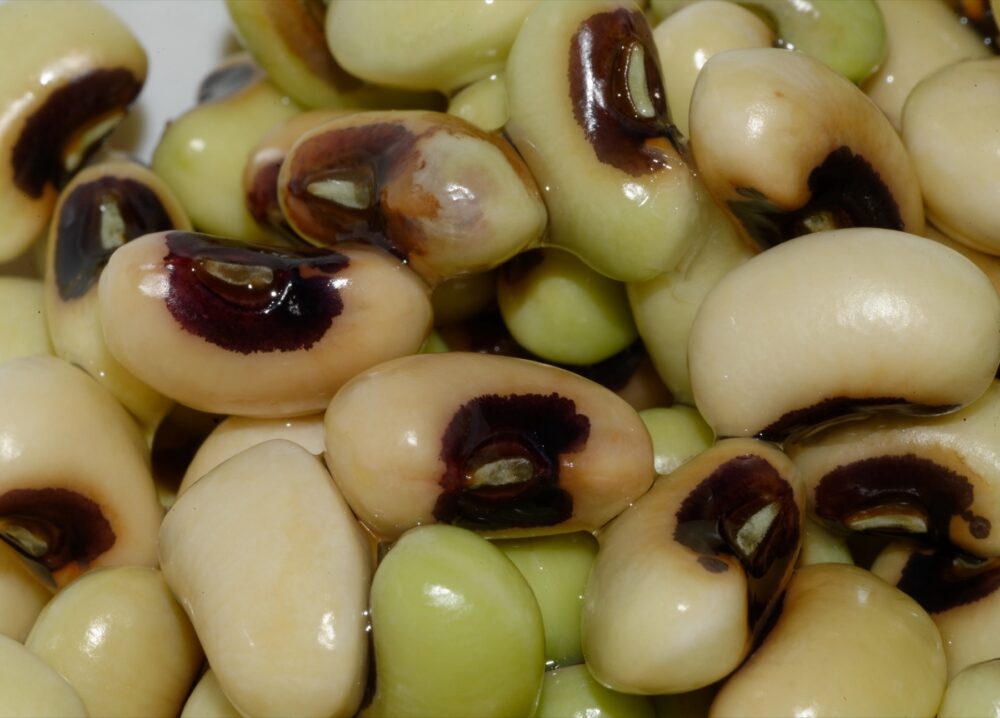
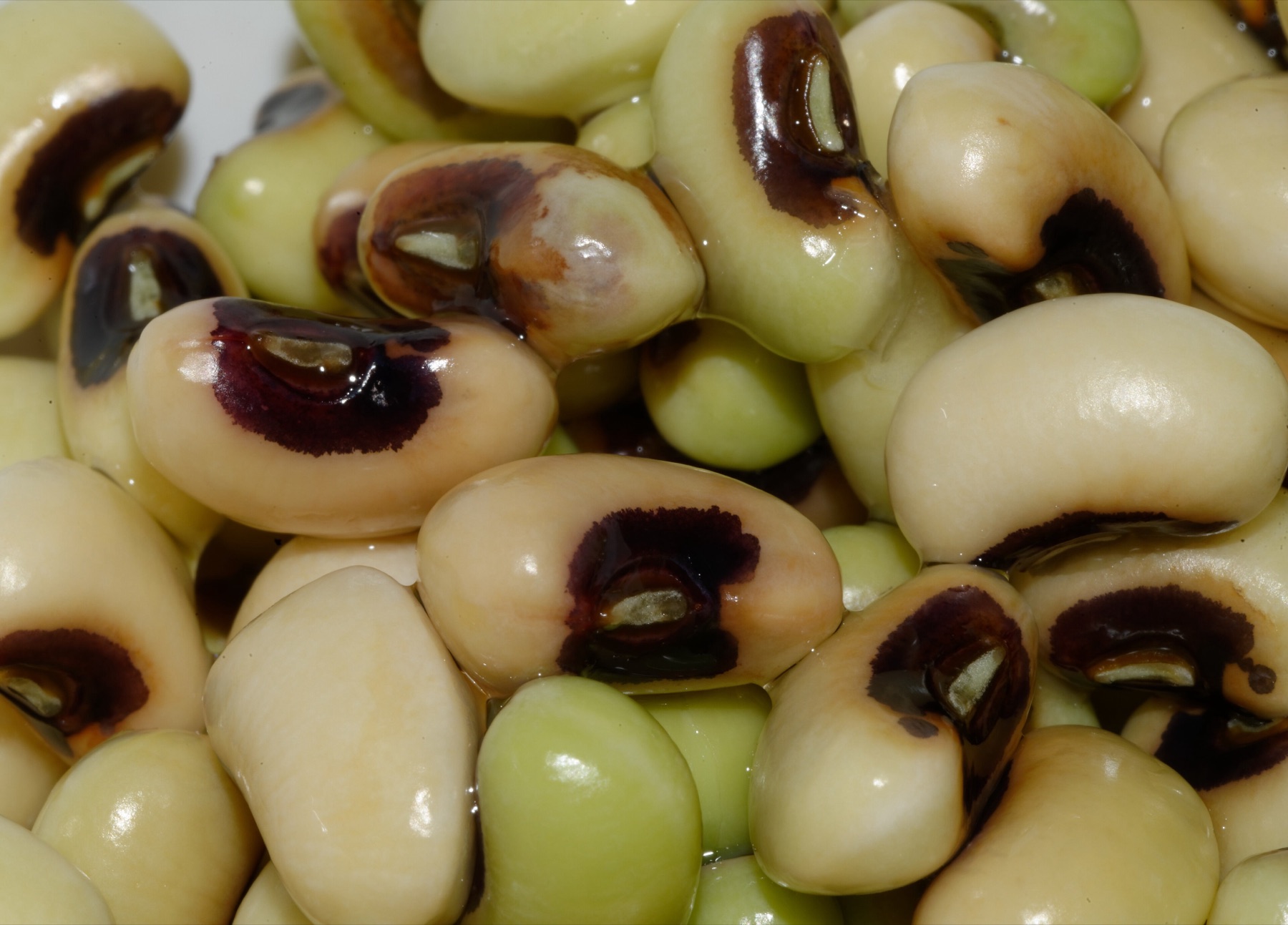
- Food beans – You’re buying dried black‑eyed peas (also called blackeye peas or cowpeas) for cooking or resale.
For band merchandise, the official Black Eyed Peas store sells branded apparel and accessories worldwide through its online shop, including typical fan items like shirts, sweatshirts, hats, and mugs. You can see the product range at the group’s own storefront: Black Eyed Peas official shop. Licensed third‑party retailers such as Rockabilia’s Black Eyed Peas section carry officially licensed merch, often focusing on music tees and collectibles. Even institutions like the Rock & Roll Hall of Fame’s store sell specific items, such as a dedicated vinyl product page for the album Elephunk (Rock Hall store example).
For food beans, US retailers and specialty food sites sell bulk dried black‑eyed peas for cooking. For instance, Amazon lists a 20 lb bulk dry black‑eyed peas/cowpeas product (Amazon bulk listing), and Camellia Brand offers a 25 lb bag of blackeye peas via its online store (Camellia Brand bulk blackeye peas). These are aimed at households that cook a lot, restaurants, or small resellers who repackage beans.
If you mix up these two meanings, you’ll look in the wrong place and misjudge costs. So start by clarifying: are you buying culture (band merch) or calories (dried beans)?
Cost Structure and Price Drivers for Band Merch vs Bulk Beans
The cost mechanics for merch and beans are very different. Here’s how they compare.
How pricing works
- Band merch
- You pay for branding and scarcity. Official designs, tour tie‑ins, and limited vinyl pressings carry a premium over generic apparel.
- There’s usually no true wholesale discount unless you have a business relationship; resellers typically buy at close to retail from official or licensed sources.
- Shipping is driven by weight and format (vinyl is heavier and more fragile than T‑shirts) and where the warehouse is relative to you.
- Bulk beans
- You pay for commodity plus processing: variety (conventional vs organic), cleaning, and packaging size.
- Larger bags (e.g., 20-25 lb like the Amazon cowpeas or Camellia’s 25 lb blackeye peas) usually have a lower price per pound than small grocery packs, especially if you buy directly from brands or bulk-food sites.
- Seasonality and harvest yield can move prices, but for US buyers the bigger swing is often retailer markup rather than raw commodity cost.
Key cost drivers side by side
| Aspect | Band merch (T‑shirts, vinyl) | Bulk beans (20-25 lb dried black‑eyed peas) |
|---|---|---|
| Main value driver | Official branding, design, limited runs | Edible quantity, quality (e.g., brand, organic), packaging size |
| Typical seller types | Official band store, licensed merch sites, museum music shops | Grocery chains, Amazon/specialty food sites, bulk brands like Camellia |
| Best unit price levers | Sales, bundles, avoiding inflated resale listings | Larger bags, direct brand/wholesaler purchase, store brands |
| Shipping sensitivity | High for vinyl and international orders | Moderate; heavier but often domestic ground shipping |
| Small ecommerce potential | Niche resale, event packs, mystery boxes at a premium | Repack into smaller bags, ethnic/specialty food retail |
For household buyers, a single hoodie or LP from the official shop might cost more than a 20 lb bag of beans, but you’re buying totally different value. For small resellers, the difference is structural: beans can be resold at a tight margin like any staple food, while band merch relies on fan demand and often higher per‑item margins but lower volume.
Choosing the Right Channel and Cutting Your Total Cost
Once you know whether you’re buying merch or beans, the channel choice drives both price and risk.
Best channels for Black Eyed Peas band merch
- Official band store – For authenticity and current designs, start at the official shop at blackeyedpeas.shop. You’ll typically pay full branded pricing but avoid counterfeit issues and get access to drops that never reach general marketplaces.
- Licensed merch retailers – Sites like Rockabilia specialize in band merch and explicitly label items as officially licensed. This can be a sweet spot for US buyers if they run promotions or carry discontinued designs.
- Music and museum stores – Places like the Rock & Roll Hall of Fame’s store sometimes stock specific vinyl or collectible runs (for example, their Elephunk 2‑LP listing). These work well if you’re curating a small physical shop and want recognizable, museum‑adjacent items.
For a small ecommerce business, these are mostly retail sourcing channels: you buy a limited number of pieces, photograph them, and sell at a markup to fans who value convenience or curation. To keep costs in line:
- Focus on small, high‑margin items (pins, mugs, accessories) instead of bulky vinyl if you’re shipping individual orders.
- Watch for seasonal sales or clearance on licensed sites and stock up when per‑item discounts appear.
Best channels for bulk black‑eyed peas beans
- Domestic bulk brands – Buying directly from a brand like Camellia Brand’s 25 lb blackeye peas is a straightforward way to lock in bulk quantity with established quality. Good fit for restaurants or resellers who want consistency.
- Marketplace bulk listings – The 20 lb cowpeas listing on Amazon shows how mainstream marketplaces host bulk beans. You can compare multiple brands and bag sizes and check reviews for cooking performance.
- Local and regional wholesalers – Restaurant-supply stores and regional wholesale grocers often have aggressive per‑pound pricing for dried beans, especially if you can pick up in person and skip shipping.
For a household, the cheapest path is often a big bag from a grocery or online food brand plus careful unit‑price comparison. For a small reseller, you’ll want to map your packaging and storage capacity against the largest bag you can realistically turn over before quality declines.
Where wholesale marketplaces fit (and where they don’t)
General wholesale marketplaces—including cross‑border platforms like DHgate—can sometimes offer competitive prices on bulk goods if you put in the work to research suppliers, compare quotes, and negotiate on terms. That’s more realistic for a business planning pallet‑scale or recurring orders than for a household buyer.
Because current DHgate listings are focused on eye masks, beauty tools, and accessories rather than Black Eyed Peas band merch or food beans, it’s not a natural first stop for this specific category. If you’re evaluating wholesale marketplaces broadly, you can compare them using resources such as this DHgate vs. AliExpress, Alibaba and Temu overview and, for DHgate specifically, sourcing guidance like how to find wholesale suppliers on DHgate. Just keep taxes and import fees in mind; those are covered in more detail in our customs, tariffs and import fees explainer.
Practical cost-cutting tactics
To actually lower your bill, focus on landed cost—item price plus shipping and any applicable fees—not just the sticker price.
For band merch:
- Prioritize official or licensed sources to avoid wasting money on low‑quality counterfeits.
- If you’re stocking a small shop, test demand with small runs of varied items rather than overcommitting to one design.
- Build product bundles (e.g., tee + accessory) so you can spread shipping cost over higher basket values.
For bulk beans:
- Always check the unit price per pound across different bag sizes and retailers; bigger isn’t always cheaper if a brand is positioned as premium.
- Time purchases around promotions and loyalty discounts at your usual retailer, especially for shelf-stable beans.
- For reselling, standardize on one or two trusted brands so you can buy in larger quantities and gain predictable margins.
If you’re unsure which side you’re on—band or bean—grab a notebook and quickly list your goal: fan collection, event merch, restaurant supply, or food resale. Match that to the channel types above and run a simple unit‑price check before you buy. A few minutes of clarity upfront usually saves far more than chasing ambiguous “Black Eyed Peas” deals across random marketplaces.