
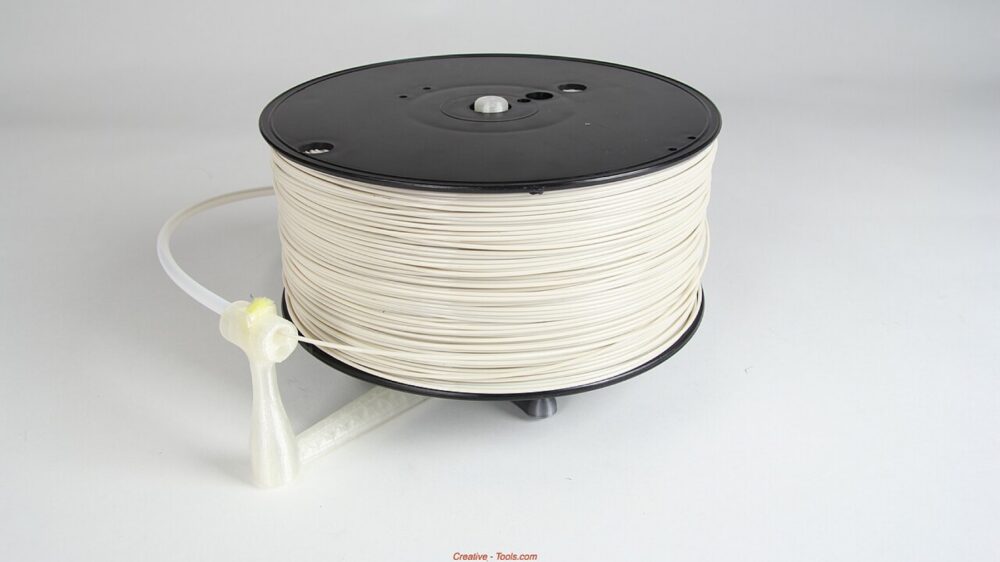
If you want the best 3D printing filament deals, you need to stop chasing the lowest spool price and focus on cost per successful print. That means matching PLA, ABS, PETG or other materials to what you actually print, then comparing total landed cost (product, shipping, storage, and failed-print waste) across big US retailers, specialist suppliers, and cross‑border marketplaces. For a hobbyist, that might mean stocking a few value‑line PLA spools during sales. For a small ecommerce shop, it often means carefully chosen bulk orders of known‑good filament rather than random $10 specials that jam mid‑run.
What really makes 3D printing filament cheap or expensive?
Your budget lives or dies on cost per printed part, not cost per spool. Four things drive that:
- Material type and properties
PLA is the default budget workhorse: widely available, generally affordable, and popular for lightweight, non‑functional prints like figurines, toys, and cosmetic parts. If you’re printing brackets, enclosures, or anything that needs heat or impact resistance, ABS or PETG often make more sense even if the spool price is higher. The trick is not to pay for properties you don’t need: don’t run every decorative job in a premium engineering filament when ordinary PLA will do.
- Consistency and waste
Very cheap filament often cuts corners on consistency. Users and vendor blogs regularly point out that rock‑bottom PLA can have wobbly diameter and more impurities, which show up as under‑extrusion, blobs, or clogs. Brands that charge more usually highlight tight tolerances and cleaner material. That matters because each failed or ugly print is wasted filament and time. Paying a few dollars more per kg can be cheaper than tossing 20-30% of a spool in failed parts.
- Shipping and handling
Filament is dense. Whether you’re ordering from Amazon, a specialist site, or a cross‑border marketplace, shipping can erase the savings on a “cheap” spool. Value lines from retailers like Amazon, Walmart, and Zoro often become the better deal because they bundle shipping or offer thresholds for free delivery. For cross‑border orders, you also need to plan for longer transit and any import fees, which can be a bigger deal when buying multiple kilos.
- Storage and spoilage
PLA and many other filaments are hygroscopic: they soak up moisture. If you load up on a deep bulk deal but leave spools unsealed in a humid room, you’ll get brittle filament and bubbly prints. That’s wasted money. Part of your cost structure is either good storage (sealed bins, desiccant, maybe a dry box) or smaller, more frequent orders.
Quick cost‑per‑print example Imagine two 1 kg PLA spools:
- Value spool: lower price but causes 3 failed 6‑hour prints in a big batch job.
- Better spool: higher price but prints that batch cleanly.
By the time you rerun failed jobs, waste filament, and tie up your printer for extra hours, the “cheap” spool can easily cost more per sellable part.
How bulk orders, materials, and timing actually change your price
Bulk isn’t automatically cheaper in practice. The math changes depending on what and how much you print.
Bulk and bundle discounts
Most budget buyers meet “bulk” through multi‑packs and tiered discounts:
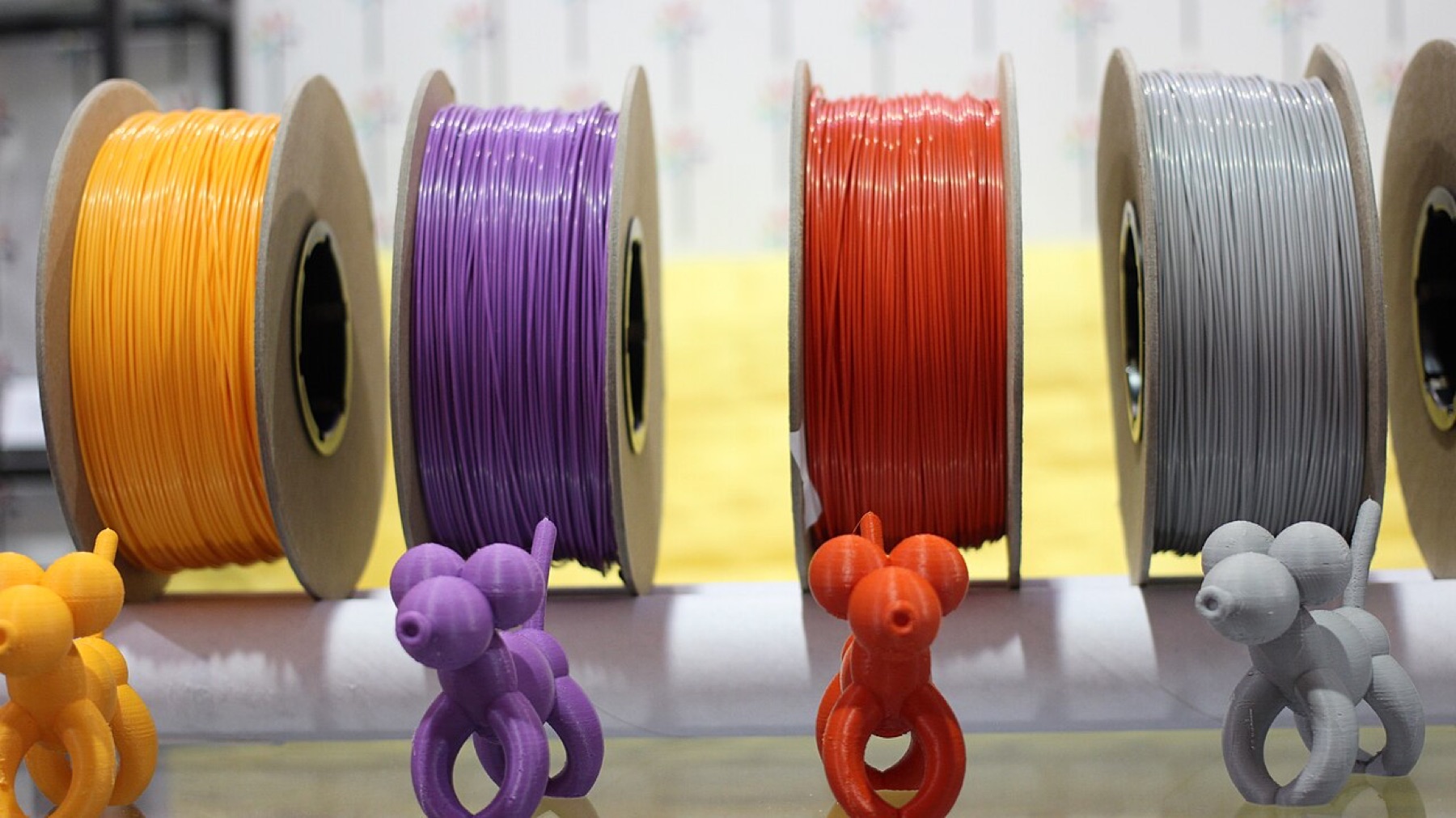
- Multi‑color packs for PLA: These are common on big retailers and online marketplaces. You get, say, 5-10 colors in 1 kg or 0.5 kg spools at a lower per‑kg price than buying individually.
- Single‑color multi‑packs: Better for small ecommerce shops running production parts. You lock in one color and batch your jobs.
On community boards like Reddit’s r/3Dprinting, users often share tricks to drive down per‑spool cost: stacking coupons, watching lightning deals, or splitting big multi‑packs with friends.
The catch: if you experiment with too many untested brands in large bundles, you’re stuck with multiple questionable spools.
Material, job type, and real usage
Materials should track what you print most:
- Hobby mix (mostly decorative): PLA with occasional PETG. Bulk deals in PLA make sense, but stocking lots of exotic blends rarely does.
- Functional parts for resale: PETG, ABS, or specific engineering plastics. Here, you might accept a higher per‑kg price for a reliable brand, because a single failed batch run can wipe out your margin.
Buying “better” material can be a cost‑cutting move for a small ecommerce operation, because customers see fewer defects and returns.
Timing: sales cycles and cash flow
For US buyers, filament prices float with promotions more than with raw material costs. Retailers like Amazon, Walmart, and Zoro routinely feature specials, value brands, and multipacks. If you can plan your print queue and cash flow, you can:
- Stock up on known‑good PLA when a familiar brand drops in price.
- Delay buying specialty spools until you have orders lined up.
Scenario: hobbyist vs micro‑brand
- Hobbyist with one printer:
Buying one or two 1 kg PLA spools during a sale and keeping them dry usually beats a 6‑spool bundle from an unknown brand. You care more about fun colors and low hassle than squeezing the last dollar out of the kg price.
- Small ecommerce shop:
You might burn through several kg of one color/month. Here, negotiating bulk with a specialist supplier or picking a recurring deal on a marketplace makes more sense. Cash flow matters: tying too much money up in slow‑moving colors hurts more than paying a little extra for flexible ordering.
Choosing the right buying channel for deals and bulk
You’ve basically got three sourcing paths: big general retailers, specialist filament suppliers, and cross‑border marketplaces.
Channel pros and cons at a glance
Here’s how those channels usually compare on value and effort (editorial judgment based on typical offers like Amazon/Walmart/Zoro search results and marketplace listings):
| Channel type | Typical price level vs others | Variety & materials | Effort to manage deals |
|---|---|---|---|
| Big US retailers (e.g., Amazon, Walmart, Zoro) | Often competitive, frequent sales | Wide range, from budget PLA to specialty lines | Low: easy returns and fast reorders; deals change often |
| Specialist US filament brands/suppliers | Mid to higher per spool | Deep options, tuned profiles, data sheets | Medium: compare brands, set up accounts |
| Cross‑border marketplaces (e.g., Ali‑type sites, DHgate) | Can be lower for bulk tiers, especially PLA | Many brands, including unbranded or OEM stock | Higher: vet suppliers, calculate landed cost |
No single channel wins for everyone. The right mix depends on how price‑sensitive you are and how much time you’re willing to spend managing inventory and risk.
Where DHgate and similar marketplaces can fit
Online marketplaces host many PLA and other filament brands, and you’re expected to compare specs, color options, and costs listing by listing. Some cross‑border platforms, including DHgate, also carry bulk and multi‑color PLA options with tiered pricing.
As of 2026-09-30, DHgate’s catalog included examples like:
- High-Quality PLA Filament – Durable 1.75mm Diameter Ideal for Pro-grade 3D Printing (category: Other Raw Materials), with a listed price range around USD 8.55-9.24 per unit.
- 3D Printer Filament PLA 1Kg/500g/250g 1.75mm Diameter Eco-Frindly Smooth Finish 3D Printing Consumables Filaments 9 color choose, showing multiple weights and color choices across a roughly USD 21.69-50.54 range depending on variant.
- Multi‑material or specialty options like Silk Rainbow PLA 3D Printer Filament 1.75mm 0.25/0.5/1Kg Filament Silky Shine 3D Printing Materials Shiny Metal Filament, with a broader price range reflecting different sizes.
- Accessories that support bulk use, such as Filament Storage Drawers, 3-Pack Black Drawer Style Containers for 3D Printer Filament and Accessories, listed in the USD 12.46-17.46 range.
If you explore DHgate or any similar marketplace for bulk filament, keep it practical:
- Start with small test quantities before committing to large bundles.
- Compare stated diameter tolerances and material types across listings.
- Use US‑side retailers for urgent needs, and cross‑border sources for planned replenishment.
For broader marketplace tradeoffs, you can also look at how DHgate stacks up against other platforms in guides like this comparison of DHgate with AliExpress, Alibaba and Temu, and for any import‑heavy order, understand the basics of duties via this overview of customs, tariffs and import fees.
Practical ways to cut filament costs without killing print quality
You don’t need a huge spreadsheet to get your filament budget under control. A few disciplined habits go a long way.
- Lock in one “house” PLA
Shop forums, reviews on big retailers, and community recommendations to find a budget PLA that prints reliably in your setup. Once you trust it, watch for multipack deals or coupons on that specific line instead of bouncing between random brands.
- Use the right filament for the job
Don’t burn pricey PETG or ABS on decorative parts that live on a shelf. Reserve durable filaments for functional prints and ship‑to‑customer parts. Run test pieces in cheap PLA where strength doesn’t matter.
- Buy bulk only when the math and storage work
If you use roughly 1-2 kg/month, a 4-6 spool bundle of your house PLA can make sense, especially in a core color. If you print sporadically or live in a humid climate without good storage, smaller, more frequent orders may actually be cheaper.
- Bundle accessories that protect your investment
Cheap, sealed storage containers or racks from retailers or marketplaces (including the filament drawer listings mentioned earlier) can be a smart add‑on. A modest spend on storage can preserve many kg of filament.
- For small ecommerce, treat filament as inventory
You’re not just a hobbyist; filament is cost of goods sold. Track which materials and colors you actually use, and stop buying “fun” spools that never make it into finished products. Focus on predictable reorders of the filaments tied to your best‑selling SKUs.
If you later decide to source more from cross‑border marketplaces, you can explore options in more depth via resources like this guide to finding wholesale suppliers on DHgate, but the buying habits above will keep your cost per print reasonable no matter where you shop.