
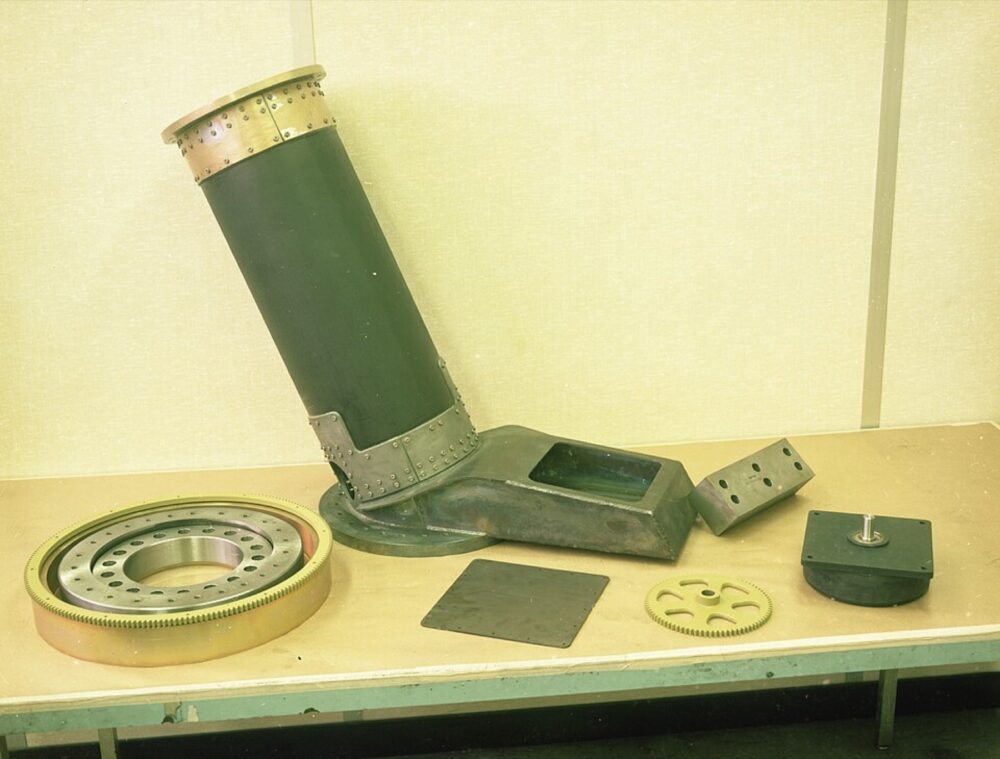
The sections below walk through how 3D printer parts are typically sourced, how to match channels to your order profile, and where DHgate realistically fits alongside other options.
How 3D printer parts are usually sourced in wholesale
For 3D printers and upgrades, the parts you buy generally fall into three groups, each with different supplier types:
- Mechanical motion parts: linear shafts, rails and supports, pulleys, belts, bearings, lead screws, frames, enclosures.
- Electronics: control boards, stepper drivers, power supplies, sensors, touchscreens.
- Custom-machined or printed components: custom brackets, non-standard couplers, special jigs, housings, or OEM-only spares.
Cross-border, these typically come from:
- Component traders and stocking wholesalers in China that carry generic rails, shafts, SHF supports, belts, and fasteners used across CNC and 3D printers.
- OEM and contract manufacturers that build for known printer brands and also sell surplus or custom runs under their own names.
- Custom machining and fabrication shops offering CNC milling, turning, and injection-molded plastic parts based on your drawings.
China remains the main production base for low-cost mechanical components and basic electronics used in desktop 3D printers. Marketplaces such as DHgate, Alibaba, and Made-in-China largely sit on top of this same supplier pool, exposing traders, OEM factories, and machining shops to overseas buyers without you having to visit a trade show.
Matching supplier type to your order size and customization
Rather than asking “Which platform is best?”, it’s more useful to ask three questions: How big is my order? How custom is it? How much work can I invest in vetting and managing suppliers? Here’s how those answers push you toward different routes.
Scenario 1: Small runs and maintenance spares
Example: You run a small print farm or e‑commerce store and need a dozen linear shafts, a few sets of rail supports, and some spare brackets.
- Best fit channels: multi-seller marketplaces (including DHgate), regional resellers, or Amazon/eBay for very small lots.
- Customization: usually none; you’re buying commodity parts in standard diameters and lengths.
- Buyer workload: medium. You still need to check specifications (diameter, hardness, tolerance) and confirm compatibility, but you aren’t qualifying a factory for a full OEM project.
For this kind of order, low or single-unit MOQs and mixed-cart capability matter more than deep engineering support. DHgate’s own editorial highlights that the platform is known for allowing very low or even single-unit orders and generally lower MOQs than some B2B rivals, which aligns with this type of sporadic, small-batch sourcing.
Scenario 2: Mid-volume upgrades or private-label kits
Example: You sell 50-200 upgrade kits a month (Z‑axis kits, linear rail conversion kits, enclosure hardware).
- Best fit channels: marketplaces that expose OEM/trading houses (DHgate, Alibaba-type sites), plus direct contact with 1-2 factories once you narrow options.
- Customization: light to medium. Maybe a specific length of rail, a pre-assembled kit, or branded packaging.
- Buyer workload: higher. You need clearer drawings, test samples, negotiated terms, and perhaps separate logistics planning.
According to DHgate’s own blog-style editorial, the platform promotes direct sourcing from Chinese manufacturers and access to OEM factories for customized component sourcing, and notes that a broad supplier base can create competitive pricing. This makes DHgate one candidate for mid-volume kit hardware, but you’ll likely compare offers from other marketplaces and possibly move the final relationship off-platform if you grow.
Scenario 3: Highly customized or proprietary parts
Example: You need a custom machined carriage, non-standard hotend bracket, or a proprietary mechanical assembly for a printer you’re branding.
- Best fit channels: custom CNC shops and contract manufacturers (found via industrial marketplaces, trade associations, or referrals); large directories like Alibaba or Made-in-China can serve as lead lists.
- Customization: high. You’re sharing CAD, specifying tolerances, finishes, and possibly surface treatments.
- Buyer workload: very high. Expect engineering back-and-forth, tooling discussions, and tighter quality control.
In this scenario, you can still discover machining partners via marketplaces, but your main work happens through RFQs, sample runs, and inspections. The platform is more of a starting point than a full solution.
DHgate vs. other cross-border routes for 3D printer parts
This section focuses on where DHgate tends to fit among online marketplaces and direct factory sourcing for US buyers.
What DHgate is currently offering that’s relevant
On 2026-09-21, DHgate listings included several items that map directly to 3D printer mechanics and custom parts. A few examples:
| Snapshot listing (2026-09-21) | Category | Relevance to 3D printers | Price range (USD)* |
|---|---|---|---|
| 2PCS 6mm x 500mm Linear Shaft 3D Printer Cylinder Liner Rail Axis CNC Parts | Other Building Supplies | Standard linear shafts for motion systems | 75.58-77.53 |
| 4pcs SHF6 SHF8 SHF10 SHF12 SHF13 SHF16 SHF20 SHF25 aluminum linear Rod Rail Shaft Support CNC Router parts 3d printer parts | Other Building Supplies | SHF-series rail supports used in printers and CNC | 39.32-185.55 |
| Precision hardware components, industrial machinery custom processing parts | Other fasteners and connectors | Generic machined components for mechanical assemblies | 0.80-1.08 |
| Customized Stainless Steel Machinery Parts CNC Turning Milling | Other fasteners and connectors | CNC-turned parts for custom printer hardware | 0.81-1.09 |
| Custom Precision Machined Components Metal Ring-Shaped / Block-Shaped | Other Machining & Fabrication Service | Custom CNC parts based on drawings or samples | 4.91-5.04 |
*Price ranges are taken directly from DHgate snapshots on 2026-09-21 and can change at any time.
These listings illustrate three things:
- DHgate has ready-made printer-related hardware (linear shafts, SHF supports) in small multi-piece packs, useful for low-volume buyers.
- There are custom machining offers where you submit drawings or samples, which can cover bespoke metal parts for printers.
- Many relevant items appear in broader categories like “Other Building Supplies” or “Other Machining & Fabrication Service,” so you’ll need to search beyond a simple “3D printer parts” label.
For readers who want to go deeper into finding and screening DHgate suppliers in general, you can see a broader process overview in Find wholesale suppliers on DHgate.
How DHgate compares to Alibaba, Made-in-China, and direct factories
Here’s a channel-level view based on order size, customization, and buyer workload. It’s deliberately narrow to what matters for 3D printer parts rather than every possible feature.
1. Minimum order quantities and order size flexibility
- DHgate (per its own editorial): widely marketed as allowing low or even single-unit orders, with many listings not enforcing high MOQs. This suits small runs, maintenance spares, and early-stage kit experiments.
- Alibaba/Made-in-China-style sites: often oriented toward higher MOQs set by factories or trading companies; better fit once you’re standardizing on one supplier for recurring orders.
- Direct factory relationships: you negotiate MOQ directly; factories may expect consistent volume and can be less interested in very small, sporadic orders.
If you’re still experimenting with a new upgrade kit or want to test different shaft suppliers, DHgate’s typical MOQ profile can be a low-commitment way to learn which specs and sellers work.
2. Access to OEM factories and customization
- DHgate’s own blog describes the platform as connecting buyers with OEM factories, allowing customized manufacturing. You can see this reflected in machining listings that invite you to send drawings for non-standard parts.
- Large directories (Alibaba, Made-in-China) also list OEMs and contract manufacturers, often with more industrial-focused filtration (certifications, factory profiles, etc.), which may help once you’re qualifying a long-term partner.
- Direct factory sourcing cuts platforms out entirely but requires you to find, vet, and communicate with manufacturers yourself.
In practice, you might discover a machining shop through DHgate, run a few small jobs to validate their work, then decide whether to keep the relationship on-platform or negotiate directly once volumes justify the extra effort.
3. Buyer workload and risk tolerance
- DHgate and similar marketplaces reduce upfront search friction by aggregating many suppliers, but you still shoulder the usual cross-border tasks: confirming specs, ordering samples, and deciding how much trust to place in a seller.
- Industrial-focused directories and direct factories demand more homework (company checks, factory visits or third-party inspections), but give you more control over process and pricing once established.
A balanced approach for a small US e‑commerce business often looks like this: use DHgate or similar marketplaces for small-batch mechanical hardware and initial custom parts tests, move stable, high-volume items to a direct factory or industrial directory relationship, and keep critical spares with at least one local fallback supplier.
Quick sourcing checkpoints by scenario
To make this concrete, here’s how you might decide between channels for a few common 3D printer sourcing situations:
- You run a 10-printer farm and need occasional rails, shafts, and SHF supports: Start with low-MOQ marketplaces (including DHgate) for 2-10 piece packs of standard parts; verify dimensions carefully and order one batch from two different sellers to compare. Keep one US-based distributor as a backup when you can’t risk delays.
- You’re building and selling 50-100 linear-rail conversion kits per month: Use marketplaces to identify 2-3 consistent suppliers of shafts and supports, then ask about recurring orders and light customization (fixed shaft lengths, kit-style packing). In parallel, open conversations on an industrial directory for a longer-term factory option if volumes grow.
- You need a custom metal carriage or non-standard bracket: Look at DHgate’s and other platforms’ machining listings that accept customer drawings, but treat them as trial runs. Send precise CAD, specify tolerances, and test small quantities. If a shop performs well and your demand becomes steady, consider negotiating directly or through a more industrial-oriented platform.
For decision steps that are specific to DHgate supplier discovery—filters, seller labels, and evaluation signals—Find DHgate suppliers and Choose a DHgate wholesale supplier cover the general playbook.