
Wholesale2B works best for US-based dropshippers who care more about a big, ready-made catalog and automation than about hand-picking every supplier. It’s an aggregator and integration layer: you plug it into Shopify, eBay, or other channels, browse a large mixed catalog, and let it push products and orders for you. That makes it competitive with similar integration tools like Inventory Source and TopDawg, but a very different experience from sourcing directly on AliExpress or wholesale marketplaces.
If your priority is fast-ish US shipping, one interface, and automating listings and order routing, Wholesale2B can be a solid fit. If you want tight control over suppliers, the absolute lowest product cost, or a very specific niche catalog, alternatives often fit better.
What Wholesale2B Is (and Isn’t) in the Dropshipping Stack
Wholesale2B is not a marketplace like AliExpress or DHgate where thousands of independent sellers list products. It’s closer to an “aggregator plus automation” tool.
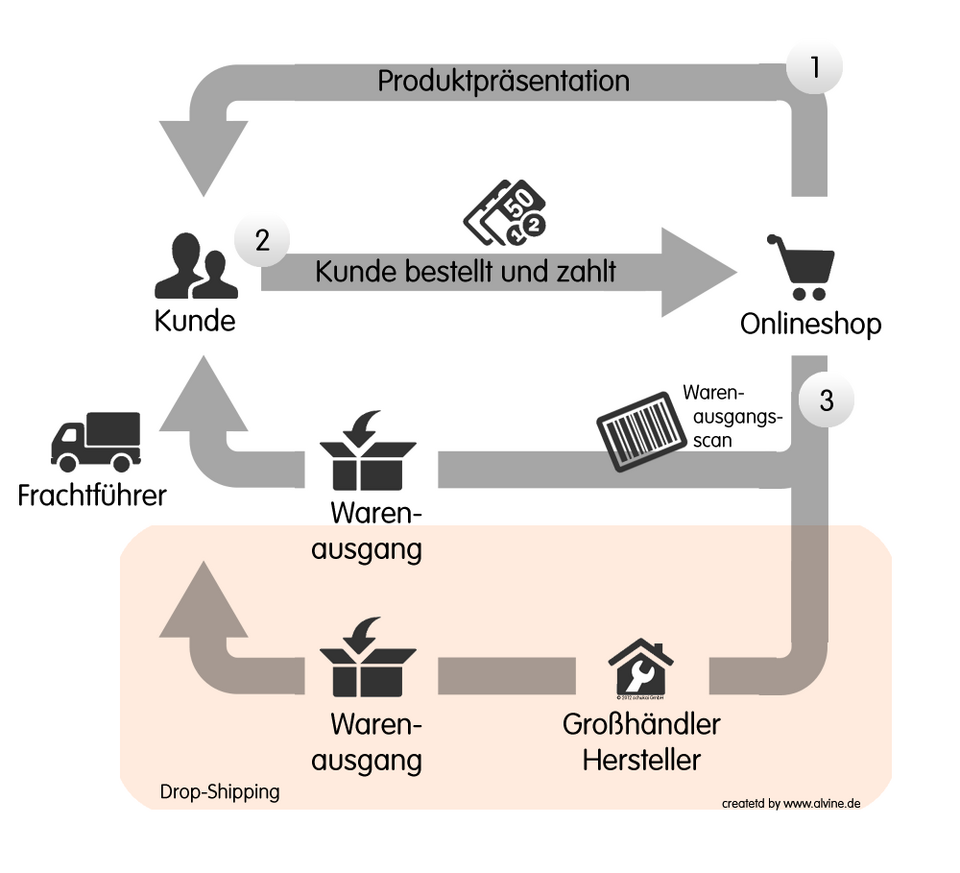
In practical terms, Wholesale2B:
- Connects to multiple underlying suppliers and wholesaler networks.
- Exposes them to you through one catalog and dashboard.
- Offers integrations so those products can sync into platforms like Shopify or marketplaces.
- Routes orders back to the appropriate supplier when your customer buys.
You don’t own the supplier relationship the way you would if you negotiated directly with a wholesaler or factory. You’re buying Wholesale2B’s convenience: pre-integrated suppliers, catalog search, and automation.
That has trade-offs:
- Less supplier control. You can choose products, but you don’t usually choose the exact vendor behind the scenes the way you might on a marketplace.
- More automation. You offload a lot of data-sync and order-routing work that you’d otherwise build yourself or pay a VA to manage.
- Layered fees. You pay Wholesale2B for access and tools, and the underlying suppliers still have their pricing and any per-order fees.
If you go in expecting a turnkey “all suppliers perfectly curated” solution, you’ll be disappointed. If you treat it as a time-saving connector on top of a broad, mixed-quality supplier pool, the product makes more sense.
How Wholesale2B Compares to Other Platforms Doing Similar Jobs
The useful way to compare Wholesale2B is by a few concrete dimensions: catalog style, automation depth, pricing model, and typical shipping/quality risk.
Here’s a high-level look at how Wholesale2B stacks up against some common options:
| Option | What it mainly does | Catalog focus | Automation & integrations | Pricing/fees style* |
|---|---|---|---|---|
| Wholesale2B | Aggregates suppliers and automates sync to stores | Large, mixed catalog from many suppliers | Emphasizes multi-channel automation and turnkey stores | Platform fees plus product costs; some plans add per-order charges |
| Inventory Source | Supplier directory plus integrations | Depends on chosen suppliers | Integrations often set per supplier | According to Wholesale2B’s comparison, per-supplier integration fees are common |
| TopDawg | US-based dropship supplier network | More US-focused catalog | Store integrations and ordering tools | Wholesale2B’s marketing claims it offers more flexibility and products |
| AliExpress-focused tools (e.g., AliDropship) | Plug AliExpress catalog into your store | Very large China-based catalog | Automates import and updates from AliExpress | Often one-time or subscription software fees plus product costs |
| Wholesale marketplaces (e.g., Cross-border multi-seller) | Direct marketplace for cross-border wholesale | Broad B2B/B2C catalog | Limited native automation; you manage imports yourself | No integrator fee layer, but you handle sourcing and logistics yourself |
\*Exact fees vary by plan and over time. Always check current pricing.
A few specifics based on available sources:
- Wholesale2B vs Inventory Source. Wholesale2B explicitly markets itself as an alternative to Inventory Source and claims it lets you access products from all its suppliers without paying extra per-supplier integration fees. That’s Wholesale2B’s marketing position from its own comparison page, not an independent guarantee, but the message is clear: they pitch “one fee, all suppliers” vs a more modular per-supplier model (Wholesale2B’s comparison).
- Wholesale2B vs TopDawg. On its site, Wholesale2B argues that compared with TopDawg it offers greater product variety, more multi-channel integrations, and stronger automation tools for US dropshippers (Wholesale2B vs TopDawg). That positioning appeals if your strategy is “a big catalog across several sales channels.” If your focus is only on a tight US supplier set and you don’t need as many channels, TopDawg’s narrower scope may be simpler.
- Wholesale2B vs AliExpress. Wholesale2B also publishes a comparison stating that, relative to AliExpress, it can offer shorter typical delivery windows and built-in integrations for major platforms (Wholesale2B vs AliExpress). In practice, AliExpress is famous for extremely low per-item prices but longer and more variable cross-border shipping. Wholesale2B tries to sit in the middle ground: still leveraging wholesale suppliers but aiming for more acceptable shipping times for US buyers.
- AliExpress-focused tools as alternatives. Tools like AliDropship pitch themselves directly as Wholesale2B alternatives, but rooted in AliExpress-only sourcing. AliDropship’s own comparison materials highlight that both platforms offer large catalogs, but from different supplier networks, which affects margins and delivery times (AliDropship’s Wholesale2B alternatives article). If your business model is built on rock-bottom product costs and you can live with slower cross-border delivery, an AliExpress-centric stack may fit better.
- Wholesale2B technology vs vendors/fees. Review aggregators such as Trustpilot show mixed sentiment on Wholesale2B: many users say the technology itself (catalog sync, automation) works reliably, but complain about the underlying vendors and fee structure. Reviewers mention issues like vendor quality and charges they didn’t expect, while others are satisfied with how the platform runs (Trustpilot overview). These are individual experiences, but they’re a useful reminder to read the fine print and treat supplier quality as variable.
As for marketplaces, DHgate is one example of a wholesale marketplace where US buyers can source cross-border products at competitive prices for smaller orders, but you’d typically handle product importing, listing creation, and order routing yourself rather than through an integrator. That gives you more direct control over which sellers you use, and more work.
Quick comparison checklist
As you compare Wholesale2B to your other options, be specific:
- Do you want one automation layer for many suppliers, or are you comfortable integrating supplier-by-supplier (Inventory Source style)?
- Are you building a US fast-shipping promise that makes longer AliExpress-style delivery untenable?
- Would you rather own the supplier relationship on a marketplace and accept more manual work, or pay a platform like Wholesale2B for convenience?
- Are you okay with mixed vendor quality as long as the tech is strong, or do you need a heavily curated supplier set?
Your answers to those questions matter more than any platform’s marketing headline.
Which Types of Stores Should Choose Wholesale2B vs Other Platforms
There’s no universal “best” platform; there are better fits for specific store types.
1. US-focused general stores that need automation Wholesale2B can be a good match if you:
- Sell a wide variety of products to US customers.
- Care about keeping shipping times tolerable, but don’t need prime-like speed.
- Want to automate catalog sync and order routing across one or more sales channels.
Here, Wholesale2B’s main strengths—catalog breadth and multi-channel automation—line up with your needs. The key is to treat product selection and supplier quality as your ongoing job, not something the platform fully solves.
2. Niche stores that obsess over product and supplier control If you run a niche store (e.g., high-end outdoor gear, specialized beauty, or a tight apparel niche) and you’re picky about brand, origin, and quality, Wholesale2B may feel too broad and generic.
Better fits can be:
- A curated US dropship supplier like TopDawg, if they cover your niche.
- Direct wholesale or private-label sourcing through marketplaces or manufacturer directories, where you vet suppliers yourself.
You’ll trade away some automation for control, but your brand risk is lower because you decide exactly who you buy from.
3. Budget beginners chasing ultra-low product costs If you’re starting with a very small budget and are chasing the lowest possible product prices, AliExpress-centric tools like AliDropship often line up with that strategy better than Wholesale2B. You get access to a huge catalog with very low base prices, at the cost of slower shipping and more variability.
Wholesale2B adds a fee layer on top of supplier pricing, which might sting if you’re operating on razor-thin margins and can’t justify paying for automation yet.
4. Multi-channel sellers scaling an existing operation If you already sell on several marketplaces and channels, and your pain is keeping inventory and orders synced, Wholesale2B’s value proposition becomes clearer. You’re not buying a “magic niche finder”; you’re buying an integration hub.
In that scenario, compare Wholesale2B directly with Inventory Source and similar tools:
- Look at how many channels each supports.
- Compare whether you pay per supplier integration or for a big pooled catalog.
- Factor in how much control you’re willing to give up over supplier selection.
If Wholesale2B’s model fits how you run your stack, it can be worth the fee; if not, keeping integrations more modular through a competitor may be smarter.
The practical way to decide is to sketch your store’s priorities on one page, then test each platform against them. Treat Wholesale2B as one tool in a wider toolkit—not a must-use, not a must-avoid. It’s strongest where automation and catalog breadth matter more than tight supplier curation.