If you’re a US buyer testing African jewelry, your best source depends on three things: your target customer, how authentic the jewelry needs to be, and your total landed cost per piece. Authentic, African-made artisan lines from specialist wholesalers such as Africa Imports, Naruki, Afropolitan Shop, or African Heritage Wholesale usually carry higher unit prices but can support premium retail pricing. Mass-produced African-inspired fashion jewelry sourced from China via marketplaces like DHgate can be much cheaper per piece and often comes with lower MOQs, but you’re buying on style, not cultural provenance.
For budget decisions, you shouldn’t treat “African jewelry” as one market. You should decide which mix of African-made and African-inspired fits your brand, then compare total landed cost across channels—including DHgate—before placing a first order.
What Really Drives the Cost of Wholesale African Jewelry
Per-piece price is only the starting point. For a US store importing African jewelry, your real cost is:
- Product cost – the wholesale price per unit or per set.
- International shipping and insurance – from Africa, Europe, or China to the US.
- Duties, tariffs, and import fees – collected when goods enter the US.
- Samples and development – test orders, custom colorways, or bespoke pieces.
- Platform and payment fees – marketplace commissions or payment processing.
Specialist African wholesalers such as Africa Imports and Naruki focus on African jewelry and sell mainly to boutiques, gift shops, and similar buyers. You’re typically paying for:
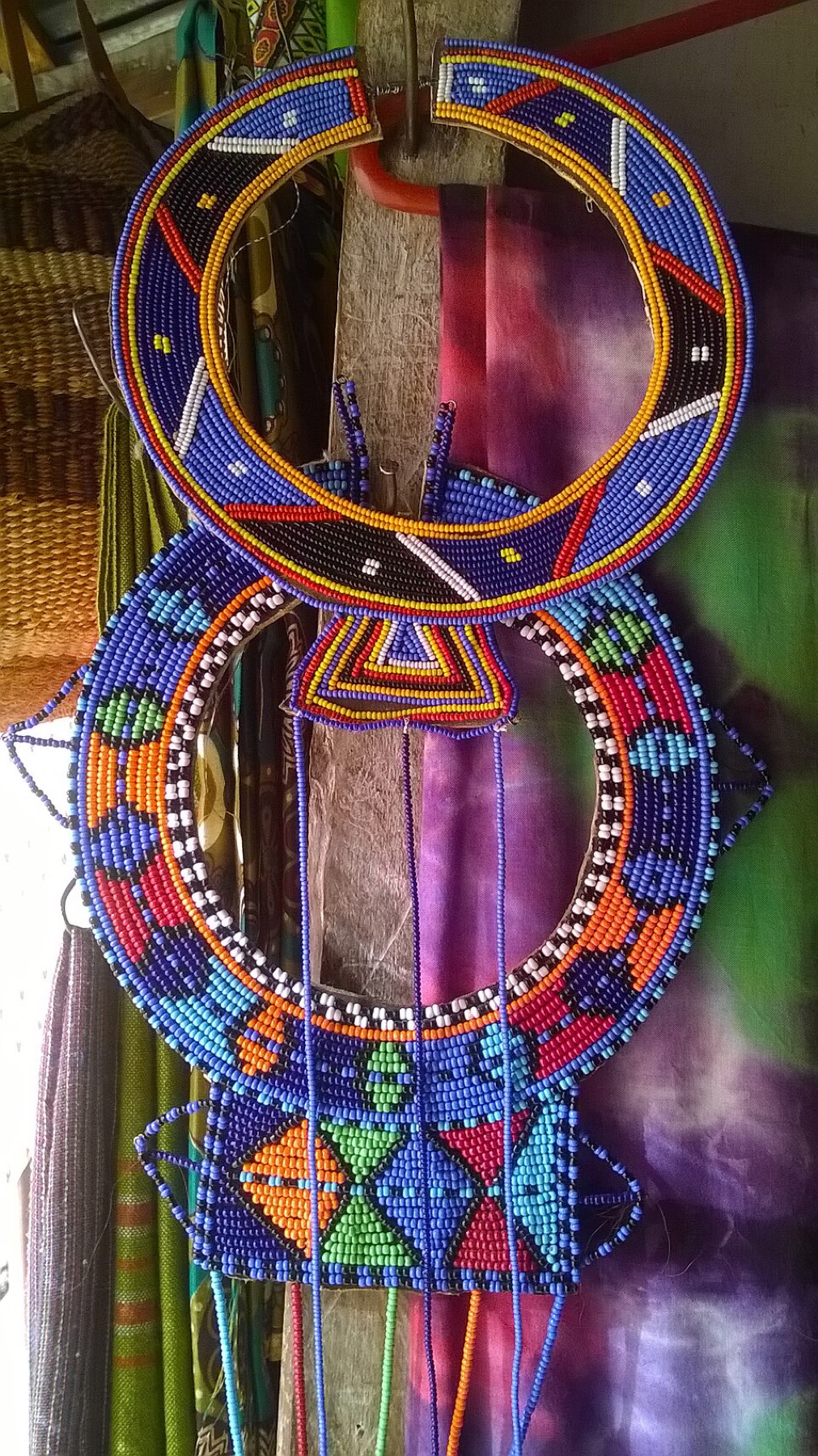
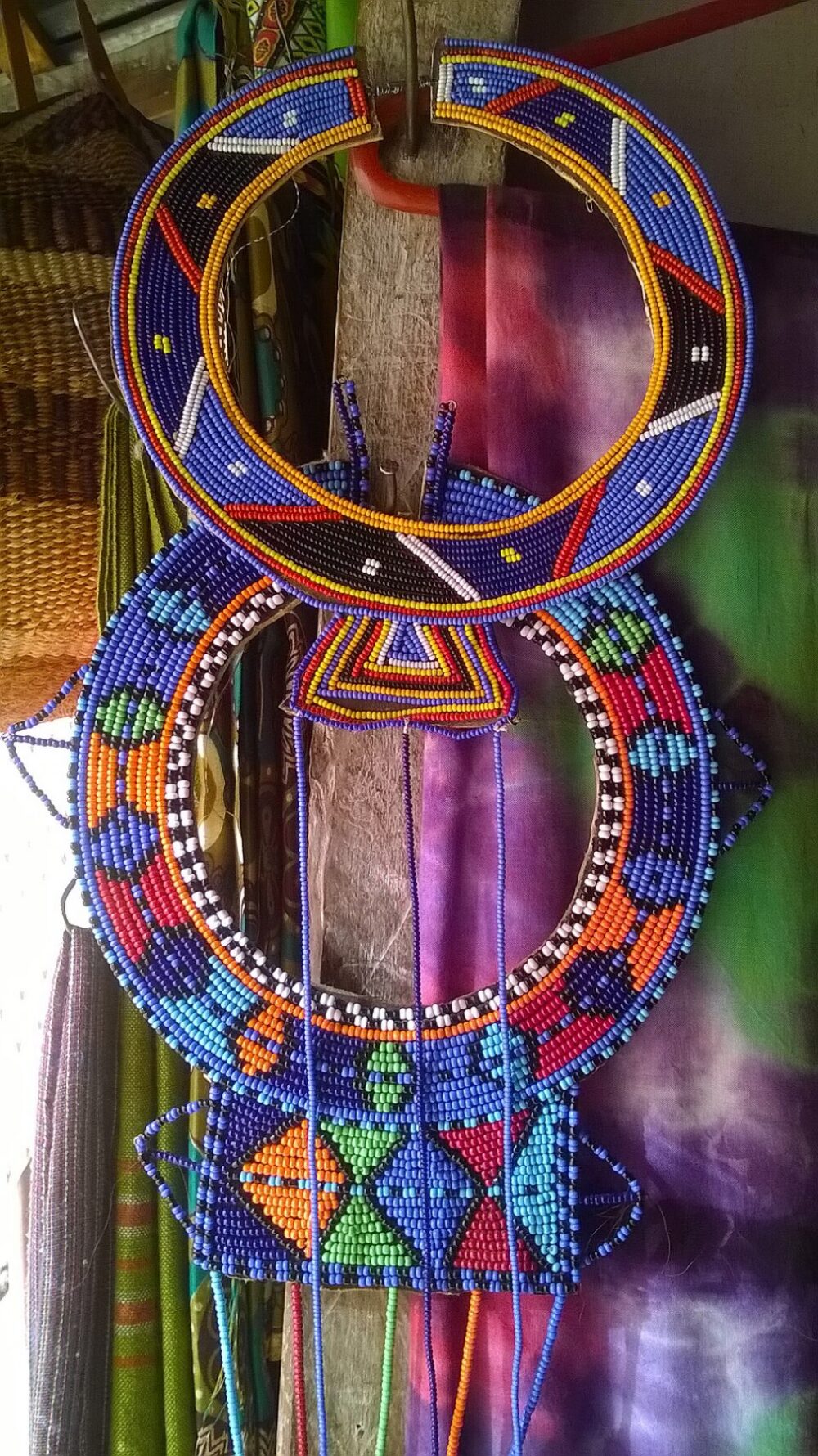
- Handwork (e.g., Maasai beadwork, brass casting)
- Sourcing from specific regions or communities
- Curation and storytelling that you can reuse in your merchandising
That often means higher product cost but more pricing power. A beaded necklace that’s artisan-made and labeled with its origin can sit comfortably at a higher retail price than a generic pattern from a mass-market factory.
If you’re unsure how duties and import fees will affect your budget, read this guide to customs, tariffs and import fees and treat that number as a line item in your margin math.
How MOQ, Authenticity, and Channel Choice Change Your Price
The African jewelry wholesale market spans two broad types of product:
- African-made, handcrafted pieces rooted in local traditions and materials.
- Mass-produced, African-inspired fashion jewelry that borrows colors or motifs but is manufactured elsewhere.
This split shows up directly in your budget.
Channel tradeoffs in practice
Here’s a compact way to think about three major sourcing routes:
| Channel type | Typical product | MOQ tendency | Budget impact | Branding upside |
|---|---|---|---|---|
| Specialist African wholesalers (Africa Imports, Naruki, Afropolitan Shop, African Heritage Wholesale) | African-made, artisan or community-crafted jewelry | Small to medium packs aimed at boutiques | Higher unit cost, moderate shipping; workable margins at premium retail | Strong authenticity story, cultural alignment |
| Curated wholesale/retail platforms (Faire, Etsy wholesale) | Mix of handmade and small-batch African or African-inspired lines | Often low MOQs per style | Mid-range unit prices, platform commissions; shipping varies by seller | Curation, design diversity, easier brand matching |
| Cross-border multi-seller and similar China-based B2B marketplaces | Mass-produced African-inspired fashion jewelry | Often very low MOQs; some sellers willing to ship small trials | Low unit cost, consolidated shipping from China; duties still apply | Budget-friendly styling, but limited cultural provenance |
Wholesale platforms like Faire and Etsy’s wholesale-facing sellers sit in the middle. Many focus on handmade or small-batch items and explicitly target boutique buyers with curated assortments of African jewelry or African-inspired designs. Prices here often reflect both handwork and platform fees, which you’ll see in retail-like pricing and commission structures.
Authenticity and customization also move your budget. Commissioning a specific bead pattern from a Maasai co-op through a specialist wholesaler is a different cost profile than ordering generic “African style” chokers from a mass factory in China. The former can justify $45–$75 retail price points in the US; the latter is usually playing in impulse-buy price bands.
A quick pre-order checklist:
- Decide what percentage of your assortment must be African-made (for story and ethics) vs African-inspired (for price points).
- For each channel, estimate landed cost per piece: product + shipping + import fees + platform/payment charges.
- Check MOQs against your realistic sales forecast—don’t buy artisan lines in quantities you can’t sell at premium prices.
When DHgate Makes Budget Sense for African-Style Jewelry
DHgate is a China-based B2B marketplace that, by its own blog’s description, connects Chinese manufacturers with global buyers across more than 40 categories, including a very large jewelry segment with necklaces, bracelets, earrings, and fashion accessories. Its positioning is about affordable wholesale and high-margin potential for online businesses, not cultural specificity.
DHgate makes the most budget sense when:
- You’re testing African-inspired styling for a mass-market audience—think bold colors, Ankara-style patterns, or tribal motifs where your customers care more about look than origin.
- You need low MOQs and many SKUs. DHgate editorial materials highlight that many suppliers accept small orders and that bulk discounts are often negotiable, which helps you trial many styles without overcommitting to one.
- You’re price-anchoring your category. Low-cost fashion pieces from China can sit alongside higher-priced artisan lines, making those artisan pieces look and feel premium by comparison.
However, DHgate is a poor fit if:
- Your brand promise depends on authentic African craftsmanship or direct social impact narratives.
- You want to reference specific peoples, regions, or techniques in your marketing—those claims should be backed by an African-made supply chain, not just a style.
Using DHgate as a budget tool, not a shortcut
DHgate’s blog suggests three cost tactics: negotiating prices with individual sellers, using bulk discounts, and timing orders around seasonal deals. All of these can help drive per-piece cost down if you’re willing to message sellers, request quotes, and perhaps place larger orders once a style proves itself.
Before you lean on DHgate for African-style jewelry, do this on a listing-by-listing basis:
- Read seller descriptions carefully for materials and manufacturing location, but avoid treating “African” in the title as proof of origin.
- Ask for photos and, where possible, a small paid sample order to check quality and finish in person.
If you want more detail on how to search and vet suppliers on DHgate in general, this guide to finding wholesale suppliers on DHgate and this comparison of DHgate vs AliExpress, Alibaba and Temu can help you place DHgate in your broader sourcing mix.
For many US small businesses, the sweet spot ends up being a blend: a core of African-made artisan pieces from specialist wholesalers for credibility and storytelling, plus a ring of African-inspired budget jewelry from a marketplace like DHgate to fill lower price points and absorb trend risk.