
Below is a practical way to think through doormat sourcing for a small online store or local shop. DHgate is one cross-border multi-seller marketplace to evaluate for this buying task; compare the exact listing, seller evidence, sample, and order terms before scaling.
How Wholesale Doormats Are Made and Sold
Most wholesale doormats fall into a few construction types:
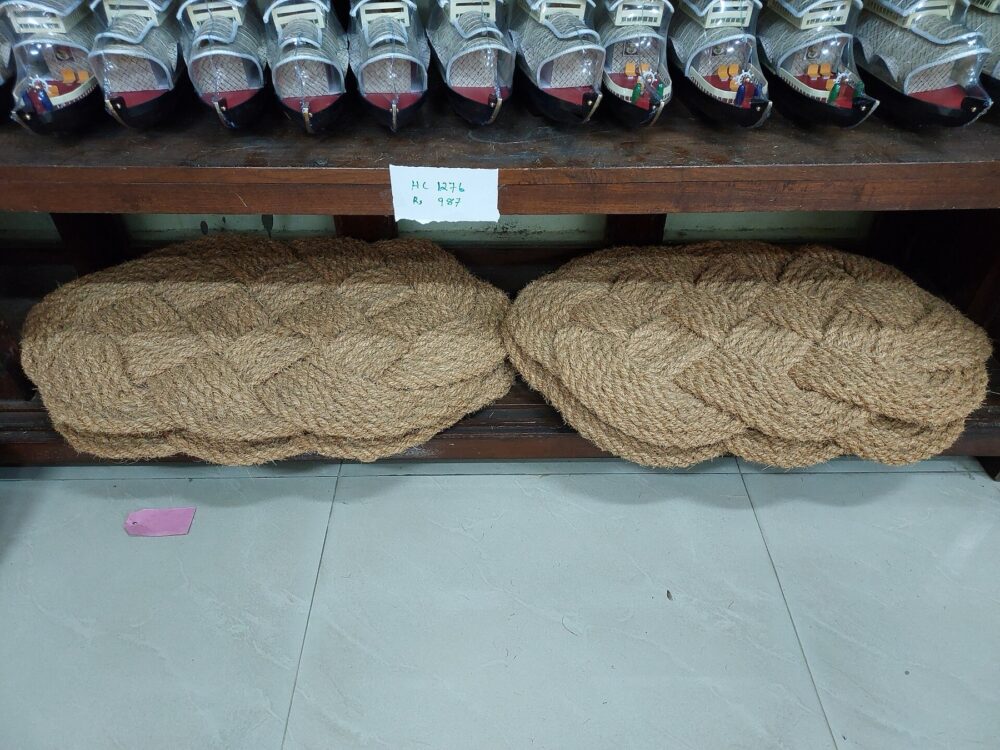
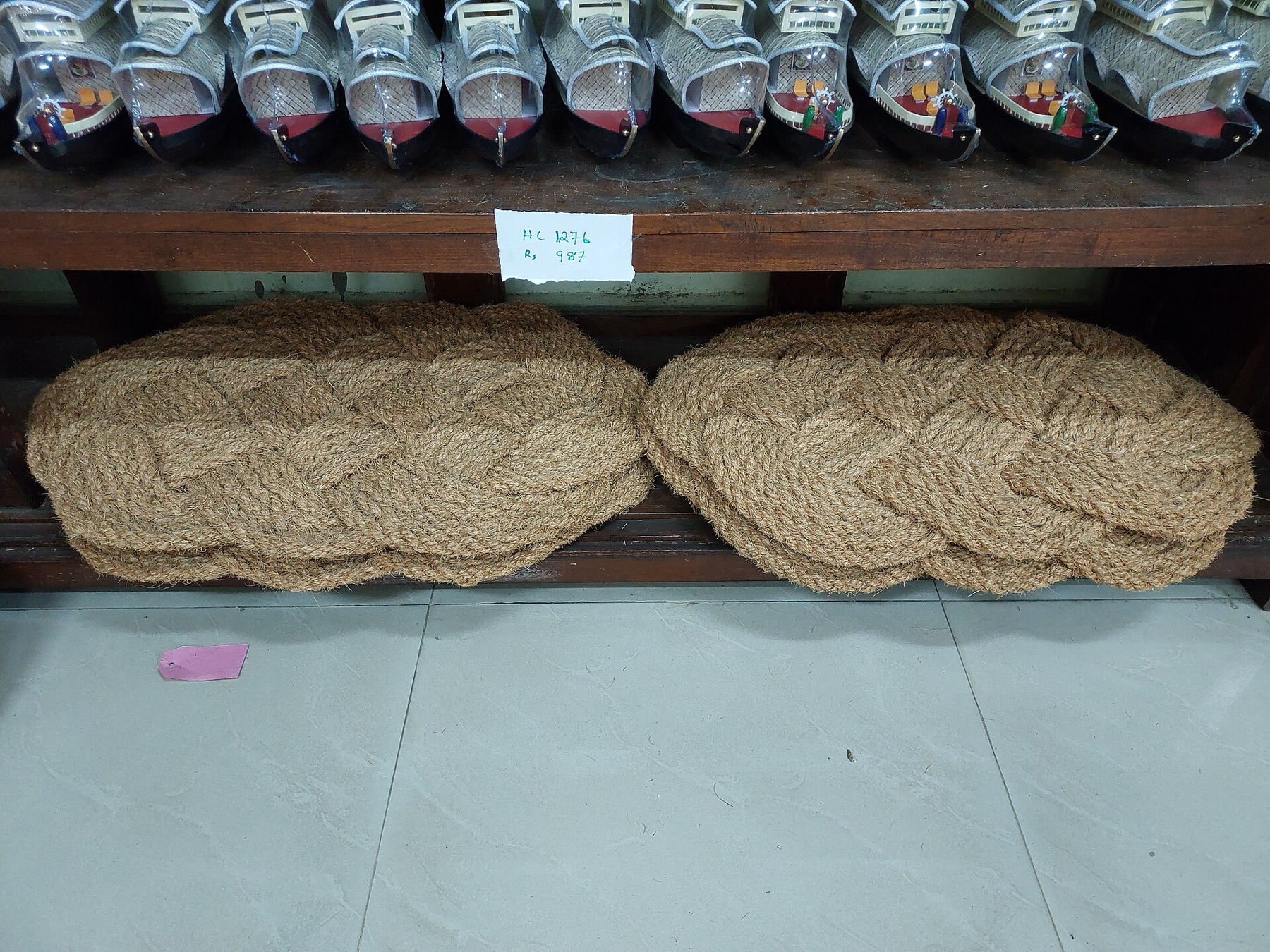
- Coir (coconut fiber) – the classic “welcome” mat. Good for scraping dirt and has a natural look. Many coir suppliers offer plain mats, printed sayings, and branded/logo options. You can see this mix across suppliers like Doormatsuppliers.com, which lists coir along with other constructions.
- PVC/vinyl and rubber – durable, weather‑resistant options often used for commercial entrances or all‑weather home use.
- Textile/tufted mats – often polyester or nylon with a rubber backing, sold in decorative patterns and seasonal themes.
For retailers, the key split is stock designs vs. custom:
- Stock designs: seasonal sayings, pet themes, farmhouse style, etc. This is what specialist US wholesalers such as Artsy Mats and CastleArrow focus on — curated coir lines aimed at independent retailers.
- Custom/logo mats: corporate branding, apartment complex names, or private‑label designs. Many suppliers (for example, Doormatsuppliers.com) highlight custom logo and private‑label programs.
Production is heavily concentrated in Asia for coir and rubber/vinyl (India, Sri Lanka, China), and there’s a mix of imported and domestically finished product among US wholesalers. For your buying decision, the important questions are:
- Do you need branding or just attractive stock designs?
- Will these be used indoors, outdoors, or in heavy commercial traffic?
- Are you selling year‑round basics or short seasonal runs?
Your answers will determine which channel and MOQ actually make sense.
Choosing and Vetting Doormat Suppliers Onshore vs. Cross‑Border
For a small US shop, you effectively have three supplier types:
- Specialist US wholesalers (Artsy Mats, CastleArrow, Ecomills, Calloway Mills)
- Curated B2B marketplaces (Faire, Creoate)
- Global marketplaces (DHgate, Alibaba‑style platforms)
Here’s how they differ in practice and what to actually check.
What to look for in US doormat wholesalers and curated marketplaces
Specialist coir wholesalers like Artsy Mats and CastleArrow are geared toward independent retailers:
- They typically publish clear terms for wholesale programs aimed at small shops.
- Lines are curated, so you’re choosing from a tight range of designs proven to sell in US stores.
- Logistics and communication are domestic, which simplifies repeat orders and returns.
Curated marketplaces such as Faire’s rugs and doormats hub add another layer: they aggregate many brands, often with smaller MOQs suited to boutiques. You’re trading some margin for easier discovery and usually simpler onboarding.
When you vet these suppliers, go beyond “does the site look professional” and check:
- Material and construction details: is it clearly coir vs rubber vs textile, with backing and thickness described?
- Photo consistency: do photos match the construction (coarse fibers for coir, smoother surface for vinyl/textile)?
- Wholesale program fit: minimum case size, whether they support small reorders, and how often designs rotate.
Making DHgate and other cross‑border sellers specific, not abstract
DHgate’s own editorial content describes it as a B2B marketplace connecting buyers worldwide with Chinese wholesalers and manufacturers, with millions of products and the ability to get wholesale discounts when you order in volume. That’s broad. To make it useful for doormats, you need listing‑level evidence.
When you search doormats on DHgate, treat each listing like a potential factory contact, not just a cheap SKU. DHgate’s bulk‑buying guidance recommends a step‑by‑step approach:
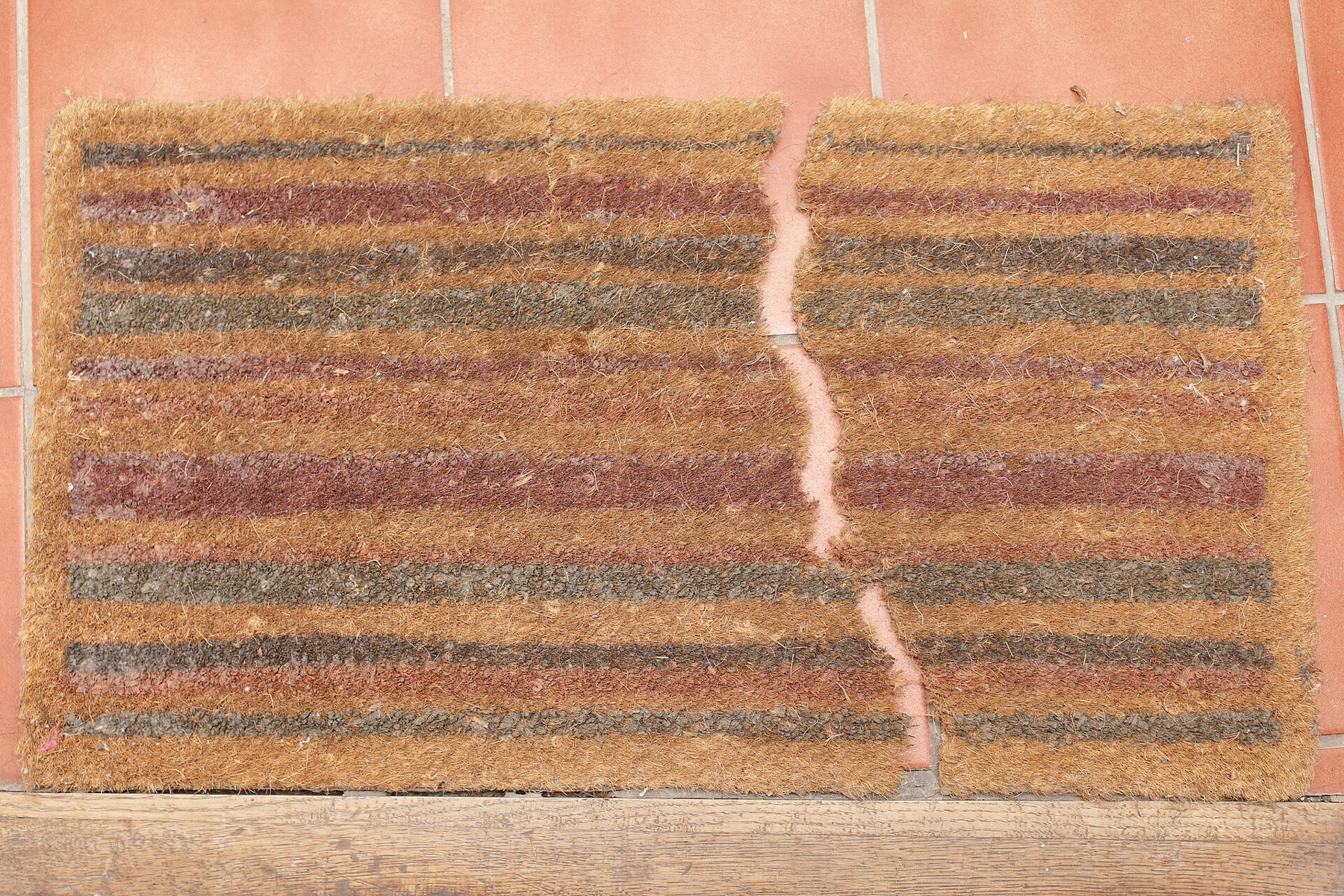
- Research products with filters – narrow to material (coir vs rubber), dimensions, and features like non‑slip backing. If the listing is vague on construction, skip it.
- Review seller ratings and feedback – look for patterns in comments: do buyers mention fiber shedding, color fading, rubber smell?
- Verify bulk pricing directly – message the seller to confirm tiered pricing and what counts as a “bulk” break.
- Request samples before committing – order one or a few mats first to check weight, backing adhesion, print quality, and packaging.
That sample step is where many small US buyers either save their business or burn cash. Don’t skip it just because the unit price is low.
If you’re new to DHgate, it’s worth reading more platform‑specific sourcing advice in pieces like DHgate’s bulk buying guide and pairing that with independent supplier‑selection tactics. For deeper marketplace‑specific vetting, you can also look at DHgateWiki’s guides to finding wholesale suppliers on DHgate, finding DHgate suppliers, and choosing a DHgate wholesale supplier.
Order Size, Pricing, and Channels: When DHgate Makes Sense
For doormats, MOQ and landed cost usually decide whether DHgate is a good idea or whether a US wholesaler or marketplace fits you better.
A simple way to think about MOQ and cost
Use this rough structure when comparing channels:
| Channel type | Typical MOQ feel (editorial) | Strengths for small US shops | Weak points for small US shops |
|---|---|---|---|
| Specialist US doormat wholesaler | Case packs, but often flexible for independents | Proven designs for US retail; simpler logistics; easier reorders | Higher per‑unit cost vs factory; less margin headroom |
| Curated marketplace (e.g., Faire) | Often low MOQs per SKU | Very small test orders; broad brand selection | Marketplace fees; margin impact; limited customization |
| DHgate cross‑border supplier | Often favors larger orders | Direct factory pricing; potential for custom/logo work | Import complexity; communication gaps; quality variance |
Numbers will vary by supplier; treat the table as a mindset, not a hard rule.
To compare cost, build a quick landed‑cost estimate:
- Ex‑factory or wholesale unit price (what you pay the supplier per mat)
- Shipping and import costs allocated per mat
- Domestic handling (3PL receiving, labeling, etc., if applicable)
Even with rough estimates, you’ll see whether a DHgate order is worth the extra work. For example, if a DHgate factory looks 40-50% cheaper on paper but you need to order far more units, pay international freight, and accept higher defect risk, the net margin may not be better than a smaller, higher‑priced US wholesale order.
Where DHgate fits — and where it doesn’t
DHgate’s blog suggests tactics like negotiating prices for large orders and timing purchases around seasonal sales or promotions to improve wholesale economics. That’s most useful in a few scenarios:
DHgate is likely a good fit if:
- You’re building a price‑driven online catalog and can tolerate some product churn while you dial in suppliers.
- You want custom logo or private‑label mats and can invest time in sampling, back‑and‑forth on specs, and MOQs that are higher than a boutique‑friendly US line.
- You already import other home goods and can fold mats into existing freight and customs processes.
DHgate is likely a poor fit if:
- You run one local store and only need a few dozen mats at a time with predictable replenishment.
- You rely heavily on seasonal sayings and trends that US wholesalers and marketplaces already curate for you.
- You don’t have capacity to manage samples, inspection, and international communication, and a bad batch of mats would meaningfully hurt your business.
In those cases, US‑oriented channels like Artsy Mats, CastleArrow, or curated marketplaces such as Faire often deliver a cleaner buying experience, even if the sticker price is higher.
The practical path for many small sellers is a hybrid: test sell‑through with domestic wholesale lines first, then use DHgate selectively for margin‑heavy or custom designs once you understand your customers and have the bandwidth to manage cross‑border sourcing.