
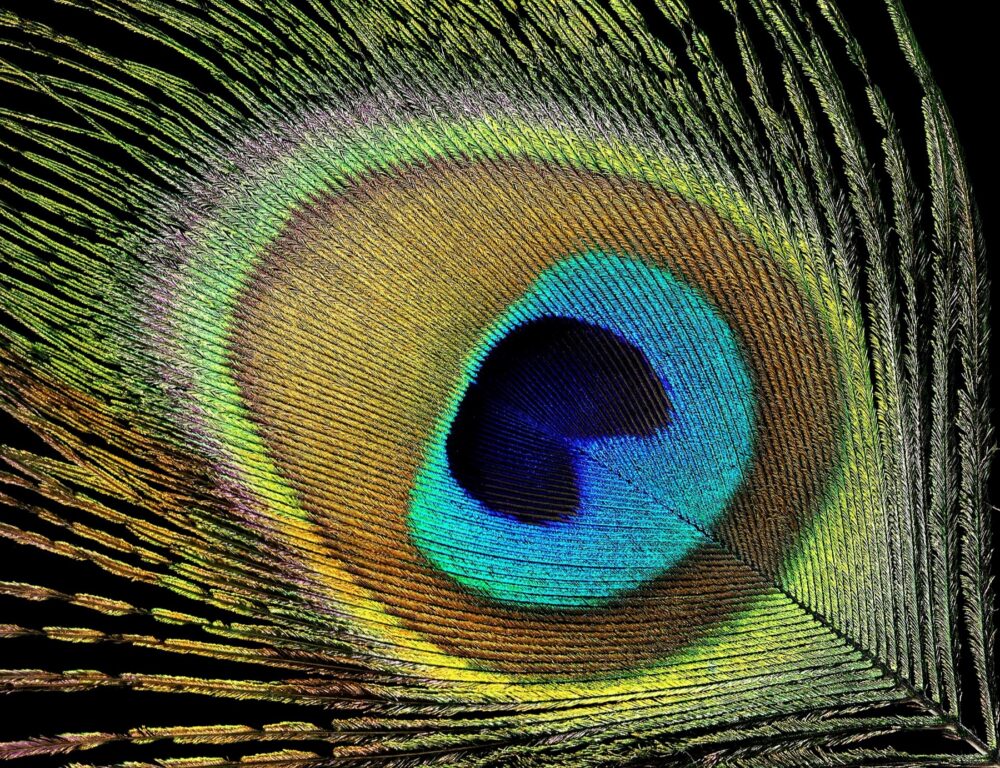
US buyers can reliably source peacock feathers in bulk or smaller packs, but the smartest route depends on what you’re making and how many pieces you move per month. Small crafters and Etsy sellers often do best with domestic wholesalers like Moonlight Feather, MSG Feather, or marketplace-style wholesale on Faire and Walmart Business. If you’re chasing lower landed cost at higher volumes, cross-border marketplaces such as DHgate or factory directories like Made-in-China start to make sense—once you’re comfortable vetting overseas suppliers and structuring test orders.
Wholesale vs retail pricing on peacock feathers usually hinges on length, quality, treatment (natural vs dyed) and quantity. Independent price sites like ThePricer show that longer, higher-grade feathers sold individually cost significantly more per piece than shorter or bulk-packed feathers; buying bundles drops the unit cost but commits you to more inventory. Your job is to match the format—tail feathers, sword cuts, strung herls, or assortments—to your product line and risk tolerance.
Peacock Feather Wholesale vs Retail: What US Buyers Are Actually Choosing
Before you choose a supplier, you need to know what you’re actually buying. US-focused sites such as Moonlight Feather organize peacock feathers into clear categories:
- Natural peacock tail feathers (full eye “train” feathers)
- Peacock swords (the narrow side feathers, often cut and sold in bundles)
- Bulk peacock feathers (larger mixed lots)
- Bleached and dyed peacock tail/sword feathers
MSG Feather’s catalog of peacock feathers for sale adds formats like strung peacock herls—short fibers pre-stitched to a cord—used heavily in fly tying and costume trim.
That matters because retail vs wholesale isn’t just about price; it’s about format and control:
- Retail packs (often 10-50 feathers) are ideal for hobbyists or low-volume makers. You get tight quality control and consistent lengths, but pay closer to full margin.
- Wholesale bundles (hundreds or mixed bulk lots) reduce your per-feather cost but introduce more variation and require sorting, trimming and storage.
For scenario planning:
- An Etsy jewelry maker selling a few dozen pieces a month is usually better off with retail or small wholesale packs from US suppliers or Faire brands.
- A Mardi Gras costume shop or event decorator buying hundreds of tails or swords for a season can justify wholesale bundles and possibly cross-border sourcing.
- An Amazon or Faire brand building repeatable SKUs around feathers will care more about stable supply, consistent grading and clear contracts than about chasing the absolute lowest unit cost.
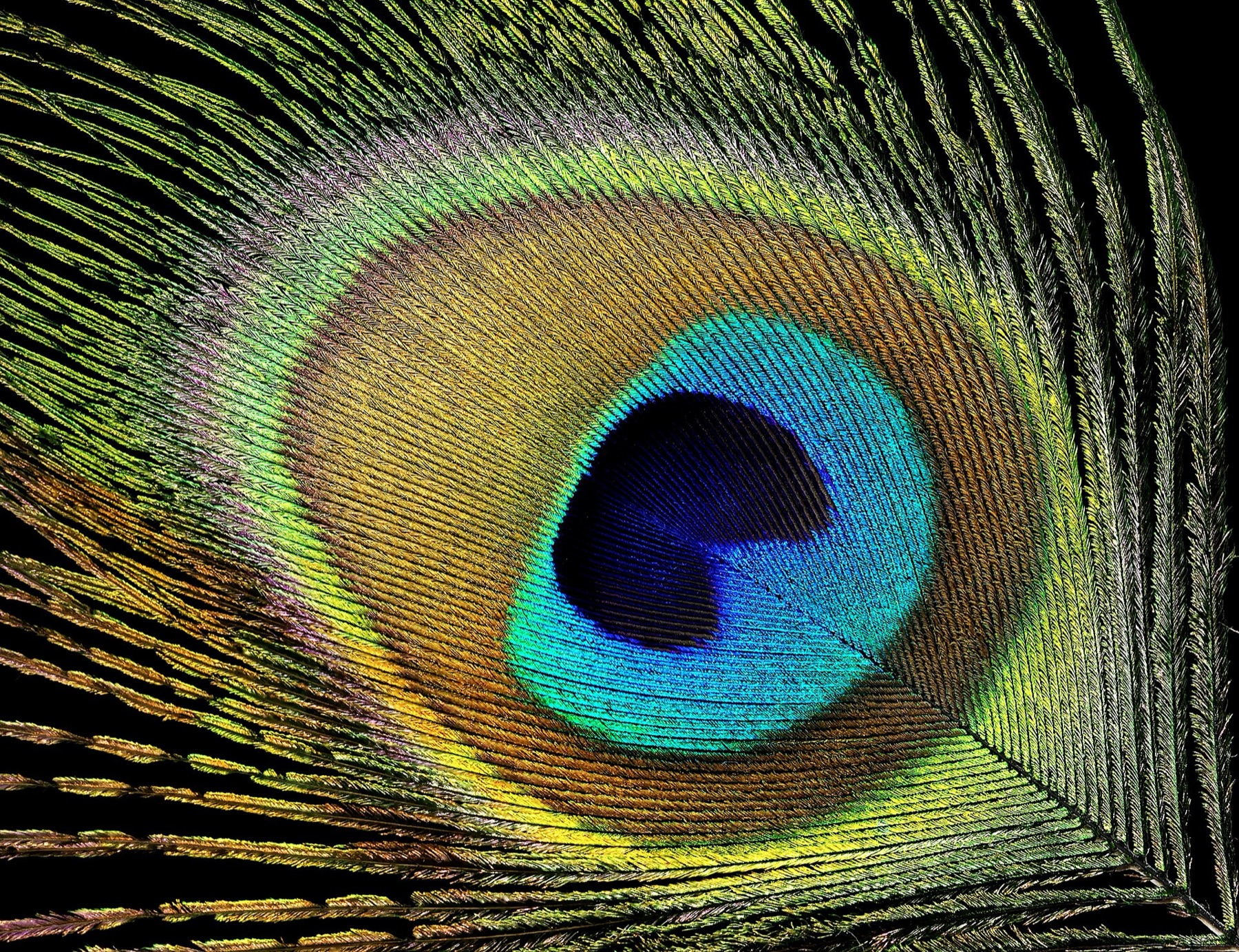
Independent pricing guides like ThePricer highlight a few consistent drivers you should factor into your bill of materials:
- Longer feathers with full, undamaged eyes cost more.
- Matched-length packs carry a premium over assorted-length bulk lots.
- Dyed or bleached feathers add processing cost.
- Purchasing wholesale bundles significantly reduces the per-feather cost versus single pieces or small retail packs.
Finding and Vetting Peacock Feather Suppliers Across Channels
Peacock feathers sit in a niche where you have four main sourcing routes, each with different expectations.
1. US-based feather wholesalers
Sites such as Moonlight Feather, MSG Feather, FeatherStore and similar specialists focus on feathers as their core business. Typical advantages:
- Clearly labeled categories (natural tails, bulk lots, dyed swords) so specs are easy to match.
- Smaller wholesale units (e.g., 50-100 feathers) suitable for crafters and small brands.
- Domestic shipping and easier communication for US buyers.
Vetting here is straightforward: read quality descriptions carefully, look for clear length ranges and photos, and check how they describe grading or defects in bulk lots.
2. Wholesale marketplaces for small retailers
Wholesale platforms such as Faire and Walmart Business list feather-based décor and craft products from multiple brands. While they don’t always sell raw bulk feathers, they’re useful if you:
- Want finished feather products (wreaths, smudge fans, costume pieces) you can resell.
- Prefer working with brands that already meet US retail expectations.
On these channels, vet the brand rather than a factory: minimum order values, case-pack sizes, and whether the brand’s aesthetic and ethics align with your shop.
3. Cross-border marketplaces like DHgate
DHgate describes itself in its blog as a China-based B2B cross-border marketplace founded in 2004 that connects global buyers with Chinese suppliers for wholesale purchasing. DHgate’s editorial content also says the platform is known for not enforcing a platform-wide minimum order quantity and relying on seller-set tiered pricing, where buying more lowers the price per unit.
For peacock feathers, that usually means:
- You may find listings that allow relatively small trial orders plus larger wholesale tiers.
- Each seller decides their own MOQ and price breaks, so you must read listing details closely.
When using DHgate for feather sourcing, treat each seller like an individual business: compare multiple stores, ask about grading and sorting, and don’t assume marketplace-wide standards.
You can deepen your DHgate supplier search and vetting approach with pages like Find wholesale suppliers on DHgate, Find DHgate suppliers, and Choose a DHgate wholesale supplier.
4. Factory-direct directories (Made-in-China)
If you need very high volumes or custom processing, directories like Made-in-China’s peacock feather section list multiple suppliers offering feather products. This channel is typically:
- Better suited to buyers comfortable with higher MOQs and direct factory negotiation.
- Useful for custom dyed palettes, special lengths or integrated manufacturing (e.g., feather trims attached to fabric).
You don’t get marketplace-style tiered listings; instead, you request quotes and negotiate specs, MOQs and pricing directly with the supplier.
Compact channel comparison
Here’s a high-level view of how these channels differ for peacock feather sourcing:
| Channel type | Typical buyer fit | MOQ / volume feel* | Control over specs |
|---|---|---|---|
| US feather wholesalers | Crafters, small brands, event pros | Low–medium (packs & bundles) | Good; clear categories/length |
| Faire / Walmart Business | Gift shops, boutiques, resellers | Case packs per SKU | Medium; brand-driven |
| DHgate (cross-border B2B) | Small–mid ecom brands testing China | Seller-defined; tiers common | Medium–high; varies by seller |
| Made-in-China (factories) | High-volume or custom buyers | High; factory-oriented | High, if you negotiate well |
\*Editorial judgment based on typical use; specific MOQs depend on the individual supplier.
Structuring Peacock Feather Orders on DHgate and Alternatives
Once you’ve short-listed suppliers, you need an order structure that protects your cash and your brand.
How DHgate’s structure affects your feather orders
Based on DHgate’s blog descriptions, you should plan around three realities:
- No platform-wide MOQ, but seller-specific MOQs. Some feather listings may let you buy relatively small quantities; others may require larger lots. Always check the quantity fields and price table on each listing instead of assuming you can start with “just a few.”
- Tiered pricing set by the seller. Many DHgate sellers show price breaks at higher quantities. For example, a listing might have one price for a small pack and lower prices across several larger tiers. Use this to model your cost per feather at 100, 500, and 1,000+ units and decide where your margins and storage capacity intersect.
- Seller evidence, not platform promises. Treat ratings, badges and reviews as signals, then verify details directly: ask for close-up photos, length ranges, and how they handle damaged or misshapen feathers in bulk lots.
A practical DHgate workflow for peacock feathers:
- Search with specific terms like “peacock tail feathers bulk” or “dyed peacock sword feathers” rather than generic “feathers.”
- Filter for higher-rated stores and open several listings in tabs.
- Compare each listing’s length range, bundle size, and tiered pricing table.
- Message 2-3 sellers with identical questions (grading, sample availability, expected defect rate in bulk lots).
- Place a small trial order at a higher per-unit price before committing to the lowest tier cost.
Ordering through US wholesalers or Faire/Walmart Business
With US specialists like Moonlight Feather or MSG Feather, you usually don’t negotiate MOQs; instead, you choose from pre-defined pack sizes (e.g., a bundle of swords, a bag of strung herls, a bulk lot of tails). To structure orders intelligently:
- Match pack types to SKUs: swords for earrings and fans, tails for centerpieces, herls for trim.
- Use the smaller bundles for new product tests; scale into bulk lots only once sell-through proves out.
- Ask wholesalers how often they restock specific lengths or colors so you don’t launch a SKU you can’t replenish.
On Faire or Walmart Business, your structure revolves around case packs and wholesale prices per finished product, not raw feather MOQs. Make sure the case size aligns with your storage and sales velocity.
Factory-direct orders on Made-in-China
If Made-in-China suppliers are on your radar, assume you’ll need:
- A detailed spec sheet (length range, eye size, natural vs dyed, acceptable defect rate).
- Acceptance criteria for bulk shipments (e.g., percentage of broken or very short pieces you can tolerate).
- Clear negotiation on MOQ, price ladder at higher volumes, and lead time.
This route is usually reserved for buyers who already tested the concept on smaller channels and now need tighter control at scale.
Ethics and backlash: keep it in your risk planning
Some mass retailers have faced public pressure over feather-based accessories. As you plan feather sourcing, quietly factor in:
- How your customers perceive animal-origin materials.
- Whether you want to mention molting or sourcing practices in your product copy.
- A contingency plan to pivot into high-quality faux feathers or alternative décor if sentiment shifts.
If your brand leans strongly ethical or plant-based, test your audience’s reaction before locking in large feather MOQs, especially from overseas suppliers where you may have less visibility into farm practices.
If you’re leaning toward cross-border feather sourcing, start small: use DHgate’s flexible seller-defined tiers for trial orders, keep domestic wholesalers in your back pocket for quality fails, and consider factory-direct only once you know your exact specs and real demand. That mix lets US buyers and small ecommerce brands tap the best price-to-risk tradeoff for peacock feathers rather than being locked into a single channel.