
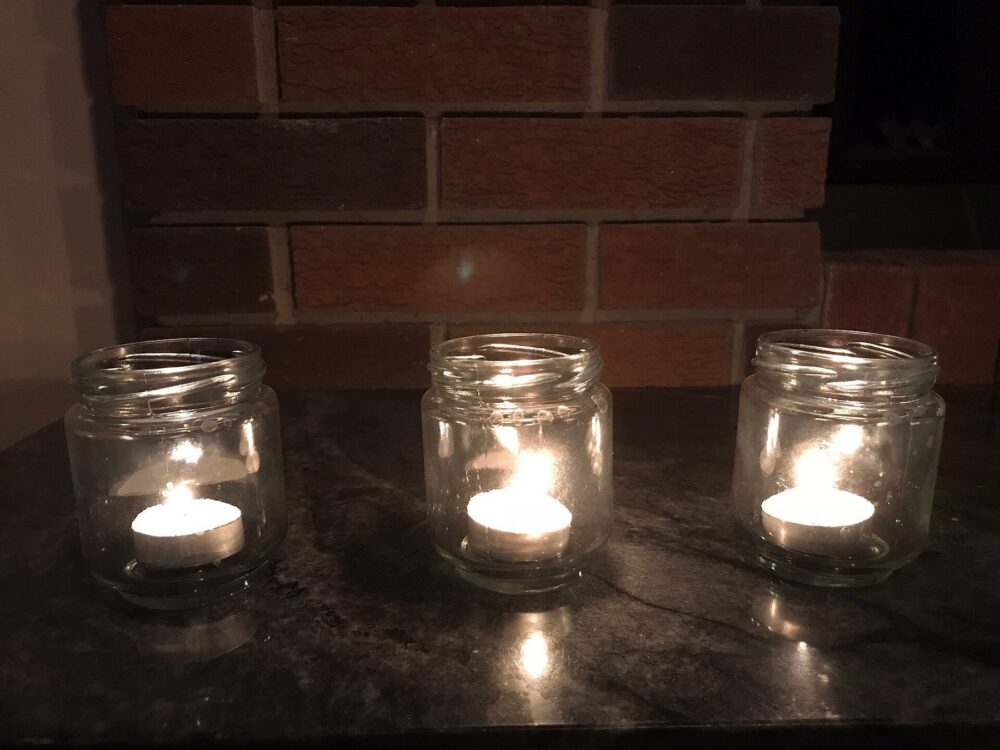
How Ceramic Candle Jars Fit into the Global Wholesale Supply Chain
Ceramic candle jars are durable, heat‑resistant containers designed to hold poured candles and look good on a coffee table. Specialty suppliers like Jar Store market them for their visual impact and reuse potential — customers can clean and repurpose them as decor or storage after burning the candle, which can justify a higher retail price point for your brand. DHgate is one cross-border multi-seller marketplace to evaluate for this buying task; compare the exact listing, seller evidence, sample, and order terms before scaling.
Typical wholesale ceramic jars for candles fall in the 8-15 oz range, with common formats like matte or gloss finishes, solid colors, and optional lids. For example, Jar Store’s ceramic line includes lidded jars sold in multi‑packs, while Larkin Crafts’ 200 ml ceramic candle jar shows how smaller volumes are positioned for both makers and resellers.
Most mass‑market ceramic vessels are produced in China. Factories there either sell direct to international buyers or via intermediaries:
- B2B marketplaces. Platforms like DHgate describe themselves as wholesale marketplaces aimed at helping international small and medium buyers access products from China at factory prices to resell later.
- Export‑oriented packaging companies. Brands such as Bright Glassware offer ceramic candle jars and position themselves explicitly for wholesale and custom work.
- Domestic distributors. US wholesalers buy containers in bulk and break them down into smaller carton quantities, adding margin but simplifying shipping and compliance.
For a small US candle or home‑fragrance business, the realistic supply paths are:
- Buy domestically from specialists (Jar Store, CandleScience, The Flaming Candle).
- Buy generic or semi‑custom jars through cross‑border marketplaces (DHgate, Alibaba).
- Develop a direct factory relationship, often starting from a marketplace listing or trade-show contact.
Each path trades off control versus convenience. Cross‑border sourcing often gets you more design variety and lower per‑unit cost, but you carry the burden of vetting sellers, clarifying specs, and managing logistics.
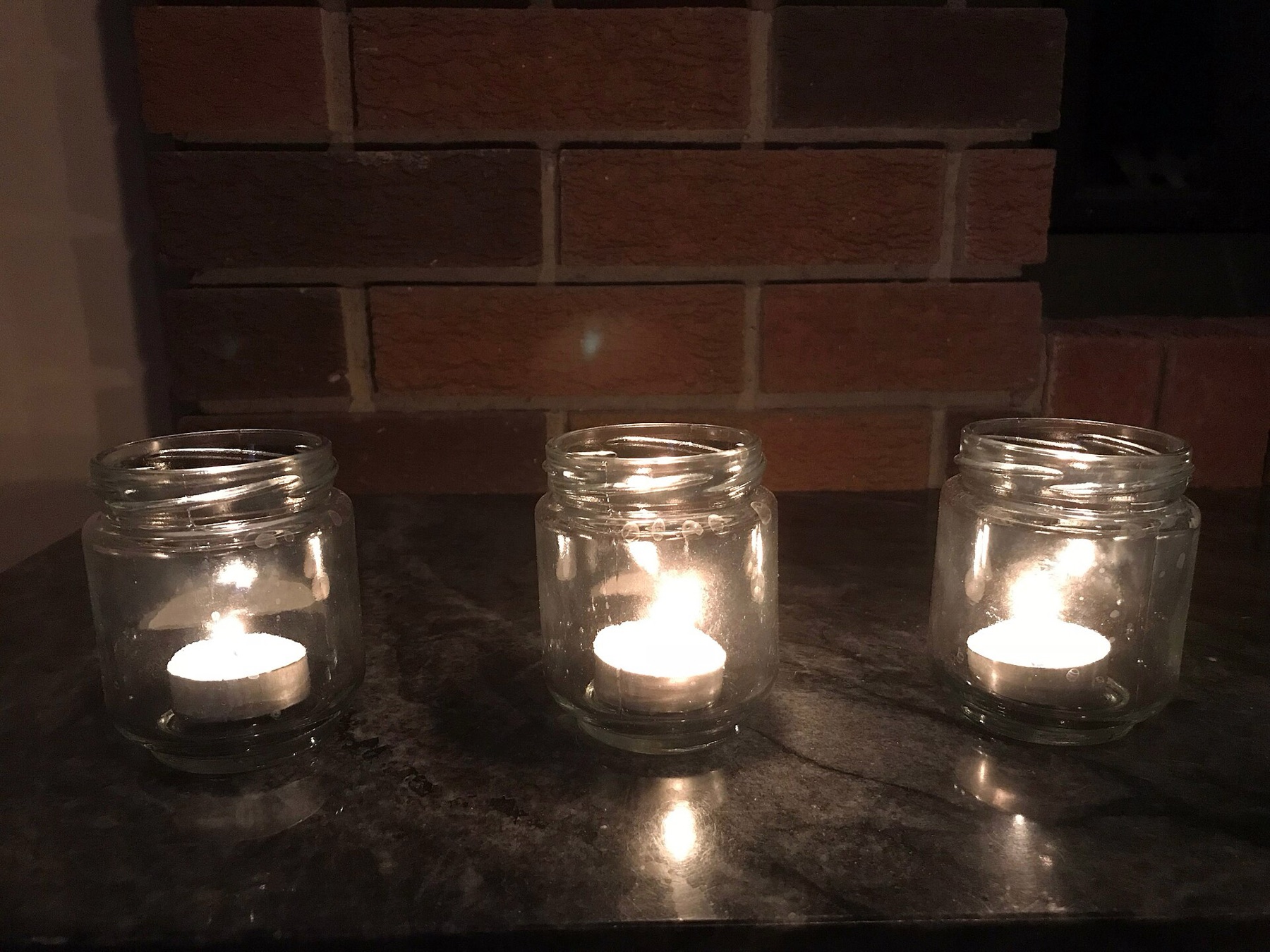
Evaluating and Communicating with Ceramic Jar Suppliers
With ceramic jars, poor communication shows up as wick issues, cracked vessels, or jars that look nothing like your brand moodboard. You need to vet both the supplier and the product before wiring money.
Supplier checks that actually matter
- History and focus. Look for suppliers whose product range clearly centers on containers or ceramic ware, not a random mix of gadgets and clothing.
- Volume of feedback. A 4.8 rating on a handful of orders is less reassuring than a similar score across dozens of transactions.
- Photo consistency. Compare listing images across SKUs; if finishes or dimensions look inconsistent, expect spec drift.
When you move off marketplaces to direct factory or domestic wholesalers, the equivalent checks are site age, clear contact details, and whether they show professional‑looking spec sheets for jars.
Locking down specifications
For candle use, a ceramic jar needs to be dimensionally consistent and stable when heated. You won’t get safety guarantees from a marketplace listing alone, so your spec sheet is crucial:
- Internal diameter and height. These determine what wick series and wax fill weight you’ll use. Ask for a tolerance range.
- Firing and glaze type. You’re looking for jars that are properly fired and glazed inside, so they’re non‑porous and more resistant to wax and fragrance oils.
- Finish and color. Request clear descriptions and real photos or videos under neutral lighting. Color shifts of even one tone can throw off your brand.
- Lid fit and material. Bamboo or wooden lids are popular; specify whether they should be snug, loose, or gasketed, and ask how they are treated.
Domestic suppliers like Jar Store and CandleScience often publish these details openly on their product pages, which makes them good benchmarks against which to question cross‑border sellers.
Samples, tests, and red flags
Before committing to bulk, plan a paid sample run:
- Order a small carton of jars in each candidate size/finish.
- Pour test candles with the wax and fragrance load you actually plan to use.
- Burn them through, tracking any cracking, crazing, or excessive jar heating.
Red flags during this stage:
- Seller resists samples or pushes you directly into a bulk MOQ.
- Dimensions on arrival differ meaningfully from the spec you agreed.
- Glaze defects, pinholes, or rough rims that could cut a customer.
If a seller shows any of these behaviors on DHgate or elsewhere, treat it as a signal to pause or walk, not something you can fix with a strongly worded message.
For more marketplace‑specific tactics, you can lean on DHgateWiki’s guides like find wholesale suppliers on DHgate, find DHgate suppliers, and choose a DHgate wholesale supplier.
MOQ, Pricing, Logistics and DHgate’s Role in Your Sourcing Mix
Buying candle jars in bulk generally lets small businesses access similar material quality to larger manufacturers while driving down per‑unit cost. That’s the logic behind wholesale: once you’re past sampling and testing, you trade order size for better economics.
How MOQs and pricing typically break down
Exact numbers will vary, but ceramic candle jar suppliers commonly structure orders in tiers:
- Low‑volume cartons (for testing or boutique runs) via US wholesalers or Amazon/Michaels. You might pay a higher per‑jar price but save on freight and complexity.
- Mid‑volume wholesale (hundreds of jars) via marketplace sellers or export‑oriented brands. This is where platforms like DHgate position themselves: selling lots at factory‑aligned prices for overseas buyers.
- High‑volume custom (thousands of jars) direct with factories, often involving molds, custom glazes, and longer lead times.
What matters is not a theoretical MOQ number but whether the tier you’re entering lines up with your realistic sales over the next 6-12 months.
Logistics realities: cross‑border vs domestic
With domestic wholesalers:
- Transit times are shorter and more predictable.
- You can often rely on ground shipping and straightforward returns if something is wrong.
With cross‑border sourcing via DHgate or Alibaba:
- You’ll have longer transit times and more variability.
- You need to factor in duties, brokerage, and the risk of damage on longer routes.
- Reorders require back‑timing; if a jar becomes core to your brand, you can’t wait until you’re almost out to buy more.
A practical approach for a small US brand is hybrid: validate your ceramic line with domestic suppliers or low‑volume marketplace orders first, then move part of your volume into factory‑price tiers once design and burn behavior are locked.
Where DHgate fits versus other channels
Here’s a simplified view of how DHgate compares to some common options for ceramic candle jars:
| Channel | Typical Use Case | Customization Level | Order Size Sweet Spot |
|---|---|---|---|
| DHgate (marketplace) | Cross‑border bulk at factory‑aligned prices; wide supplier pool from China | Generic to semi‑custom (colors, finishes, lids) depending on seller | Mid‑volume wholesale (hundreds+), with potential to scale higher |
| Alibaba (marketplace) | Factory discovery and RFQs for larger runs | Semi‑custom to fully custom; more direct factory access | Mid‑ to high‑volume (hundreds to thousands) |
| US jar wholesalers | Fast, low‑risk supply for growing brands | Mostly stock designs; occasional limited custom programs | Low‑ to mid‑volume (cartons to a few hundred) |
| Retail (Amazon, Etsy, Michaels, Walmart, Target) | Makers and micro‑brands buying small lots or finished candles | Minimal customization; mainly off‑the‑shelf | Very low volume (dozens of jars at a time) |
On DHgate specifically, you should treat every listing as a starting point for a conversation: confirm specs, ask for real photos, request samples, and study seller ratings and reviews instead of assuming uniform quality. Because DHgate is a marketplace, not a single manufacturer, your experience will depend heavily on which individual supplier you choose.
A worked scenario: sourcing a 10-12 oz ceramic line
Imagine you’re launching a 10-12 oz ceramic candle line with three core colors.
- Define your jar spec. Internal diameter, height, target fill weight, preferred finish, lid or no lid.
- Benchmark with domestic suppliers. Check Jar Store, CandleScience, or The Flaming Candle for similar jars, note their spec sheets and pack quantities, and — crucially — pour and burn test candles.
- Explore DHgate and Alibaba for cost and variety. Search for “10oz ceramic candle jar” and related terms, then shortlist sellers whose catalogs show consistent ceramic work and have meaningful ratings/reviews.
- Request samples from 2-3 cross‑border suppliers. Pour test candles into those jars using the same wick and wax you tested domestically. Compare burn quality, finish consistency, and breakage rates.
If a marketplace search fails to surface a supplier who can meet your spec plus acceptable quality and communication, treat that as a signal to stick with domestic wholesalers or explore other channels rather than forcing a cross‑border solution.
The strongest sourcing strategy for ceramic candle jars is the one that protects your brand on the shelf and in the burn test, even if it means paying slightly more per jar or waiting to scale up until you’ve found the right partner.