
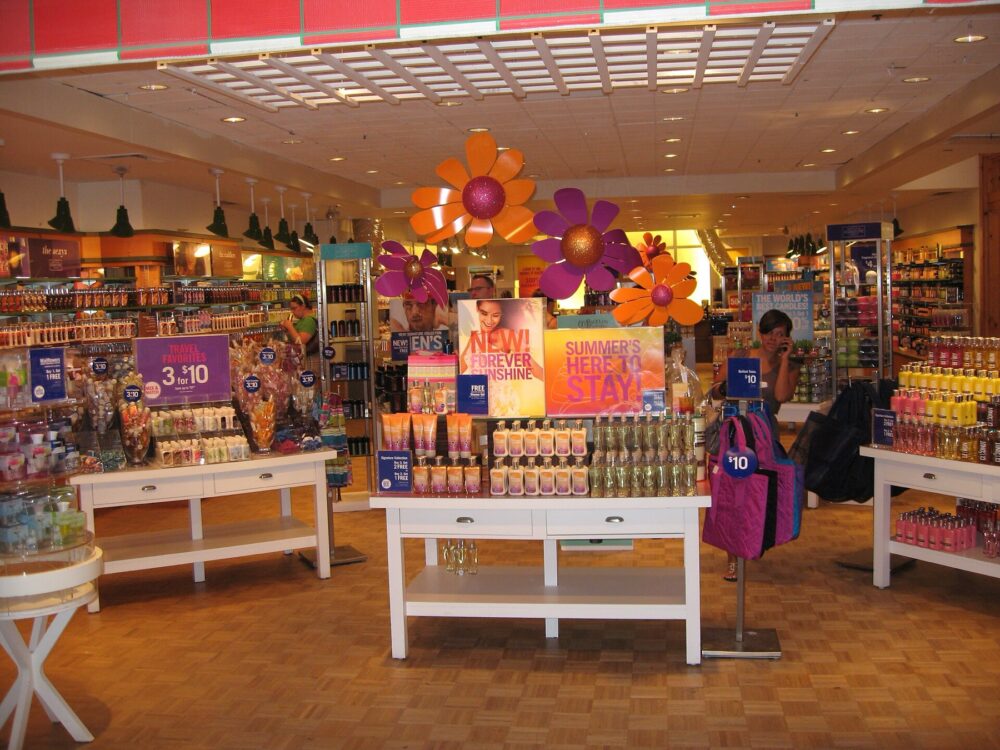
Wholesale bath and body products can be a profitable category for a small US boutique or ecommerce brand, but only if you treat sourcing like a real buying decision, not a bargain hunt. You need suppliers who can consistently deliver safe soaps, lotions, bath accessories, and more, at a landed cost that leaves margin. DHgate can play a role here as a global marketplace connecting primarily Chinese manufacturers and suppliers with international buyers across categories including health and beauty, but it’s not a turnkey solution. For many small US buyers, the best approach is to test DHgate carefully alongside US wholesalers and branded distributors, then keep the channels that actually work for your numbers and your risk tolerance.
How Wholesale Bath and Body Sourcing Works for Small US Businesses
Wholesale bath and body products are personal care items such as bar and liquid soaps, body wash, lotions, shampoos, conditioners, bath salts, and related accessories bought in bulk at business-only pricing. They’re typically sourced from manufacturers or distributors rather than retailers, which is what creates margin for spas, hotels, boutiques, and online shops.
For example, a spa might buy gallon jugs of unscented body wash and lotion from a manufacturer, then bottle them under its own brand. A gift shop might source pre-packaged bath gift sets from a US distributor. A discount store might buy mixed cases of branded shower gels from a closeout wholesaler.
The supplier landscape usually looks like this:
- Manufacturers / contract fillers – make the product and can often tweak formulas, fragrances, or packaging. Many are in the US, Europe, and Asia.
- Distributors / wholesalers – buy finished goods from major brands and sell them on to retailers. Examples in the US include bath/body specialists like BodyWholesale.com and multi-category wholesalers like Zogics.
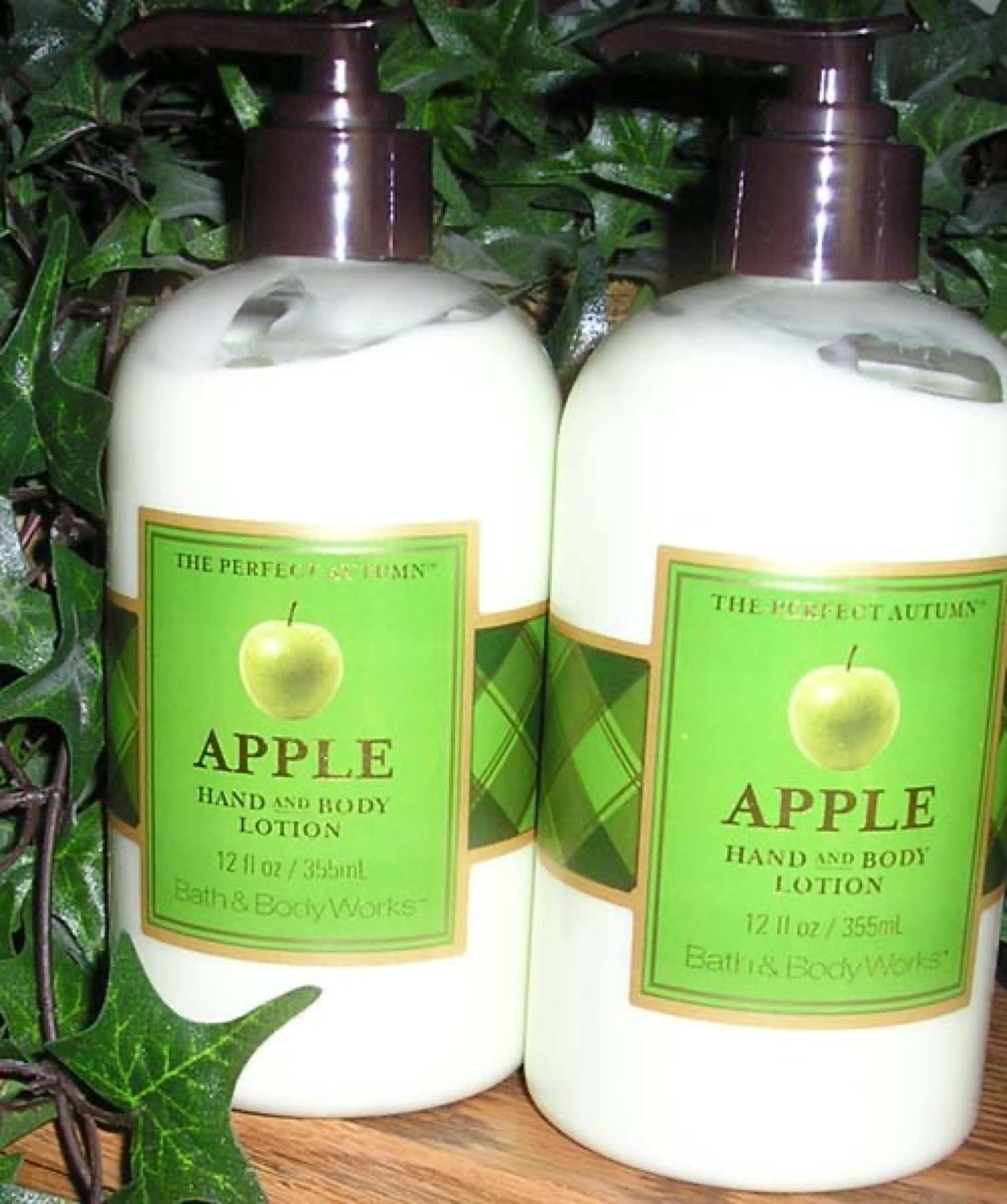
- Brand-licensed distributors – work with big retail brands. For instance, ClearBrand Distribution lists Bath & Body Works products for wholesale distribution.
Cross-border sourcing adds extra layers for bath and body items: ingredient regulations, labeling expectations, customs classification, and the practical question of whether a supplier will be reliable over repeat orders. You don’t need to become a regulatory expert, but you do need to demand documentation and keep your first orders small enough that a misstep won’t sink the business.
Choosing and Vetting Bath and Body Suppliers Across Channels
Because bath and body products touch skin and hair, your supplier vetting has to go beyond price and reviews.
1. Decide: maker vs distributor for your business model
- If you want a private-label brand (your logo, your scents), you’ll usually work with a manufacturer or contract filler. On DHgate, that typically means seeking listings that mention OEM/ODM or customization, then confirming what they actually offer.
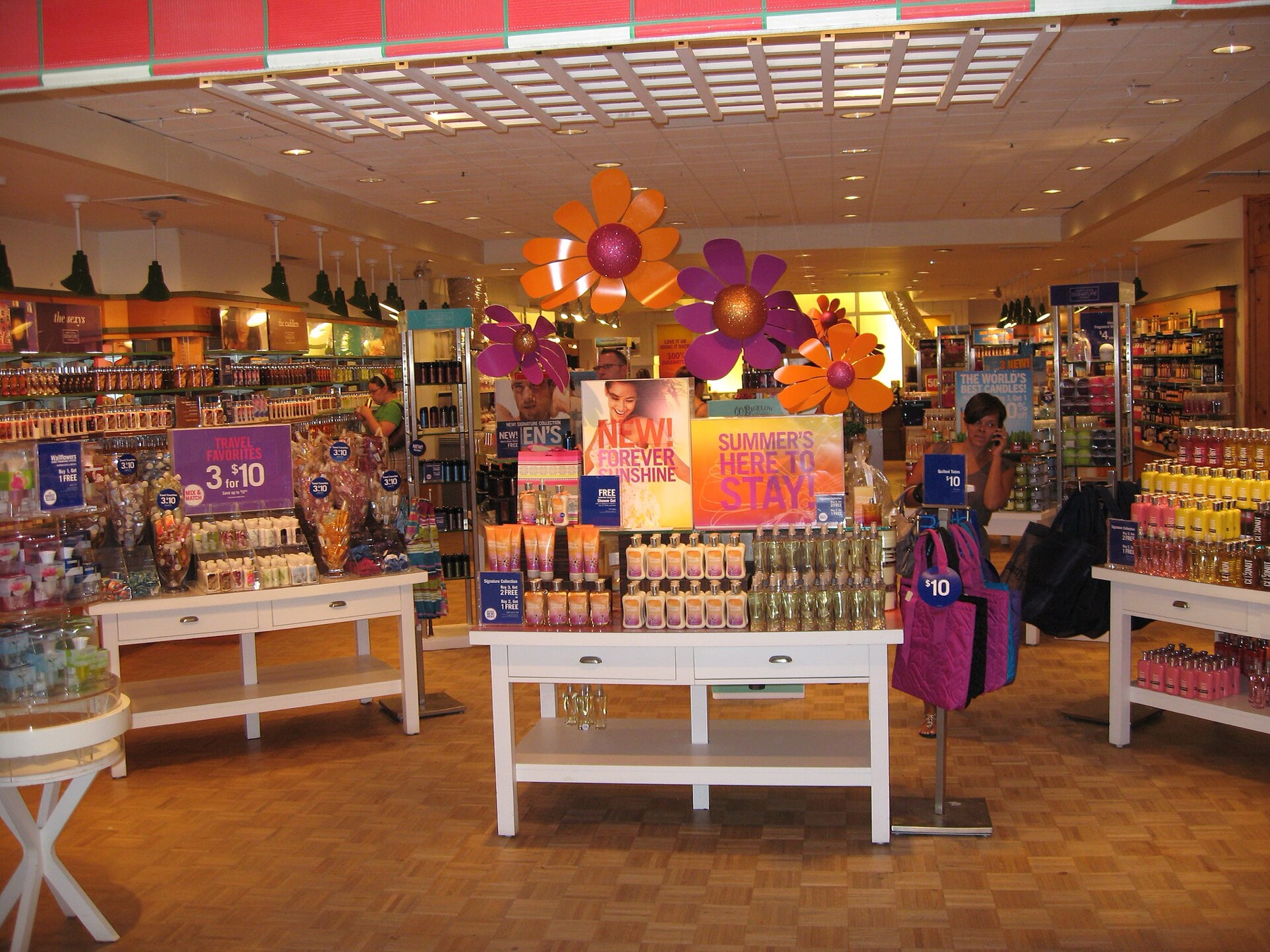
- If you want to resell recognizable brands (like Bath & Body Works), you’ll look for authorized distributors. ClearBrand’s Bath & Body Works page shows how these distributors position themselves for retailers, often focusing on mixed-product assortments rather than formula customization.
2. Documentation and product details to request
For any non-handmade product, you should be asking for:
- Full ingredient lists and INCI names, especially for leave-on products like lotions.
- Country of manufacture and where the product is filled/packaged.
- Shelf life and storage conditions.
- Label or box artwork (so you can see claims and warnings as they ship to you).
If you’re importing, you may also need professional advice on US cosmetic labeling and safety; this guide can’t replace a qualified regulator, lab, or attorney.
3. Marketplace signals and what they actually tell you
On DHgate and similar platforms, you’re looking at seller-level evidence:
- Longevity: how long the store has been active.
- Breadth: do they focus on health/beauty or sell a random mix of unrelated items?
- Buyer feedback: do reviews mention consistency, scent authenticity, reactions, or packaging issues?
These are clues, not guarantees. A bath bomb vendor with many repeat buyers and detailed reviews is usually a safer test candidate than a brand-new shop with vague feedback, but you still protect yourself with samples and small initial orders.
4. Communication to reduce risk
Your first message to a new supplier should be specific and structured. For example:
“We are a small US bath & body retailer looking to test your shea butter body lotion for private label. Can you confirm: (1) minimum order quantity for custom label only, (2) available fragrances, (3) current lead time to ship to the US, and (4) whether you can share full ingredient lists and packaging photos?”
Good suppliers—whether on DHgate or a US wholesale site—should respond clearly to concrete questions like these. Vague answers or reluctance to share ingredient information is a red flag for bath and body products.
Pricing, MOQs, and Channel Tradeoffs (Including DHgate)
Once you’ve identified potential suppliers, the real work is modeling landed cost and deciding which channel matches your scale and strategy.
How DHgate generally works for bath/body buyers
DHgate is described in its own editorial material as a leading B2B marketplace linking Chinese manufacturers and suppliers with global buyers, with over 20 million products from hundreds of thousands of suppliers across categories including health and beauty.Source Many sellers there offer tiered pricing—unit cost goes down with volume—and some offer customization such as branding or packaging tweaks.Source
That structure can favor a small US brand that wants:
- Lower per-unit costs than domestic private-label labs.
- Flexibility to start with relatively modest MOQs compared to traditional industrial manufacturers.
- Direct contact with factories for future product development.
Channel comparison: what you actually trade off
Here’s a simplified comparison of three common routes for a small US bath/body business:
| Sourcing route | Typical product type | Key upsides | Key tradeoffs |
|---|---|---|---|
| Cross-border multi-seller private-label | Unbranded or house-brand soaps, lotions, bath accessories from primarily Chinese suppliers | Access to many suppliers; potential tiered pricing and customization; competitive bulk costs | Cross-border logistics; need to verify documentation; variable quality across sellers |
| US bath/body wholesaler (e.g., BodyWholesale, Zogics) | Branded or generic bulk bath/body products ready to resell or repackage | Simpler shipping and returns; faster delivery; familiar ingredient and labeling norms | Higher per-unit costs; limited customization without separate contract filling |
| Branded distributor (e.g., Bath & Body Works via ClearBrand) | Recognizable retail brands with set fragrances and packaging | Strong consumer recognition; easier marketing; standardized quality | Tight control over branding; less margin; usually no formula or packaging changes |
Your decision hinges on margin and positioning. If you’re building your own brand, DHgate-style private label or a domestic contract manufacturer gives you control but forces you to own product safety and compliance. If you mainly want traffic from a name people already know, a Bath & Body Works distributor may be more straightforward, even if your per-unit cost is higher.
Mini scenario: US boutique weighing DHgate vs US wholesale
Imagine a small US bath boutique deciding between:
- A private-label soap line sourced from a DHgate seller offering customization.
- A shelf of Bath & Body Works items sourced from a US distributor.
The DHgate route means you request samples first, confirm full ingredients and packaging, and model landed cost including international freight and any duties. Your upside is owning the brand and potentially better margins if the product hits. Your risk is that if quality disappoints or formulas shift, you have no name-brand safety net.
A rational path for a small boutique is to start with a small, tightly scoped test in each channel: a private-label line built through one vetted DHgate supplier, plus a few recognizable branded SKUs from a US distributor. After three to six months of selling, you compare real margins, reorder experiences, and customer feedback—and then double down only on the channels that actually work.
If you do choose to explore DHgate further, work listing-by-listing and seller-by-seller. Start with low-risk products (like accessories or simple wash-off items), insist on clear documentation for anything that contacts skin, and keep initial orders small enough that a mistake is a lesson—not a crisis.
For more buyer-focused DHgate tactics, see these related guides: